Clothing Manufacturers in USA: 10 Picks from 40 Screened
 David Wu QA Consultant Updated:
 Moving production stateside promises faster shipping, but finding a reliable American apparel partner still feels like guesswork.
Factory audits show wide variance. A domestic manufacturer promising a 50-unit minimum may quietly outsource its cut-and-sew work.
This list compresses a 40-factory screen into ten working partners, ranked by service model and operating capacity. Origin claims were cross-checked against the FTC Made in USA standard. None of these entries is a paid placement; confirm current minimums, capacity, and standards before committing.
Stateside production is bigger than the headlines suggest. The U.S. textile supply chain supported 453,122 jobs and shipped $60.9 billion of textiles and apparel in 2025, per the National Council of Textile Organizations.
The catch: reshoring has not reversed the long slide. NCTO reports the industry has lost 41 plants in the past two-plus years, even as demand for the Made in USA label surges.
Expert Take — Kim Glas, President & CEO, NCTO
“No other industry has been more disadvantaged by forced labor than the US textile industry, which employs 453,000 workers and has lost 41 plants over the past two plus years.” — National Council of Textile Organizations, July 2026
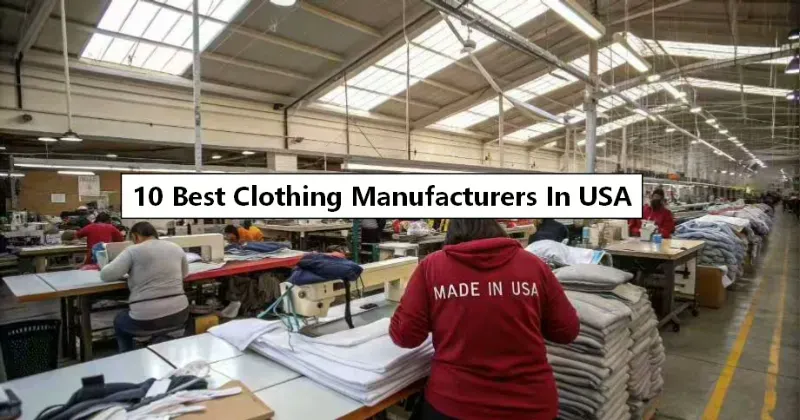
List of the 10 Best Clothing Manufacturers in the USA
Quick Preview:
| Manufacturer | Key Characteristics | Products | Services | Technical Notes |
|---|---|---|---|---|
| 1. The Evans Group | High-quality basics, ethical sourcing, dependable quality. | T-shirts, polo shirts, sweatshirts, fleece, headwear. | Full-package apparel from sourcing to fulfillment; private label and cut-and-sew. | Strong supply-chain and quality-control systems; fabric-selection expertise. |
| 2. Good Clothing Company | Sustainable, domestic production with low minimums. | Cut-and-sew apparel; small-batch ethical fashion. | End-to-end manufacturing, pattern making, grading, cutting, sewing. | Low-minimum, on-demand production; eco-friendly materials. |
| 3. Stylus Apparel Group | Performance and athletic wear, technical fabrics. | Performance tops, bottoms, jackets, activewear. | Design, development, sourcing, production, logistics. | Moisture-wicking, compression, and UV-protection expertise. |
| 4. Euphoric Colors | Custom-dyed and printed apparel for promo markets. | T-shirts, hoodies, tank tops, leggings. | Custom dyeing, screen and DTG printing, embroidery, fulfillment. | Advanced dyeing, large-scale printing, print-on-demand. |
| 5. Lefty Production Co. | Domestic LA-made construction, contemporary style. | Woven shirts, denim, jackets, casualwear, streetwear. | Cut-and-sew, pattern making, sampling, grading, small-to-medium runs. | Complex constructions, premium fabrics, detailed finishes. |
| 6. Organic Apparel USA | Certified organic and recycled materials. | T-shirts, underwear, loungewear, organic basics. | GOTS/Fair Trade certified manufacturing; private label and blanks. | Certified organic textiles and dyes; supply-chain transparency. |
| 7. Royal Apparel | USA-made organic and sustainable basics. | T-shirts, sweatshirts, pants, underwear, baby clothes. | Large-scale blank production; private label and wholesale. | Vertically integrated quality control; heather colors and blends. |
| 8. Los Angeles Apparel | Trend-setting, durable basics in downtown LA. | Heavyweight tees, sweatshirts, dresses, knitwear. | Domestic cut-and-sew; own brand plus wholesale. | Vertical factory with on-site knitting, dyeing, cutting, sewing. |
| 9. Zega Apparel | High-performance activewear and athleisure. | Sports bras, leggings, shorts, tops for yoga and fitness. | Design, development, manufacturing of technical activewear. | Seamless knitting, compression fabrics, innovative construction. |
| 10. American Stitchco | Domestic contract manufacturing for emerging brands. | Cut-and-sew from streetwear to contemporary fashion. | Full-package patterns, samples, sourcing, production, finishing, fulfillment. | Flexible production, low minimums, concept-to-completion support. |
Recommended Reading:
- The 7 Best Sportswear Manufacturers in the USA
- Top 7 Gym Clothing Manufacturers in the USA
- Best Sportswear Manufacturers in China (Reviewed)
- 10 Best Golf Apparel Manufacturers in the USA
1. The Evans Group
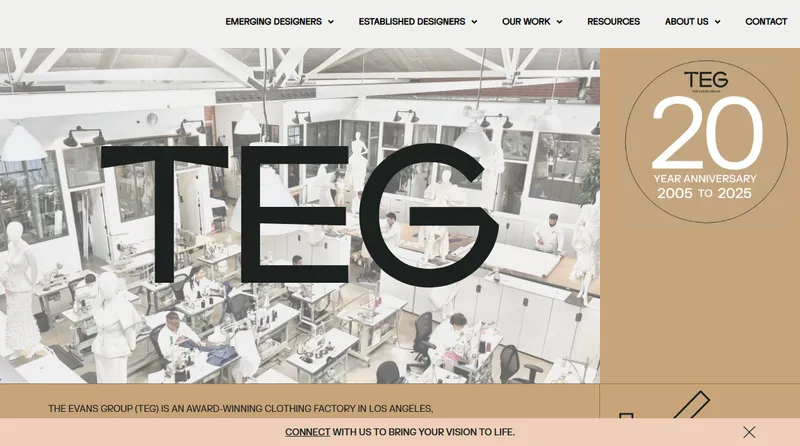
A strong design without a factory-ready tech pack stalls at the inbox. The Evans Group (TEG) closes that gap with a studio-to-factory model aimed at a first collection.
Its Los Angeles facility favors low-minimum sampling over bulk scaling. As a full-package partner, TEG carries a rough sketch through to a physical sample and explains industry-standard terminology along the way. That hands-on consulting carries a premium, and rush prototyping triggers steep fees, though standard turnaround stays reliable.
🛡️ Our Verdict
- Best Fit: Premium startups needing heavy design support.
- Service Model: Full-package production with in-house consulting.
- The Bottleneck: High sampling costs and strict rush fees.
- Key Question: Ask for the exact unit-price drop when moving from 50 to 500 pieces.
🚀 Actionable Insight: Finalize fabric sourcing before paying for expedited sampling to avoid costly pattern rework.
2. Good Clothing Company
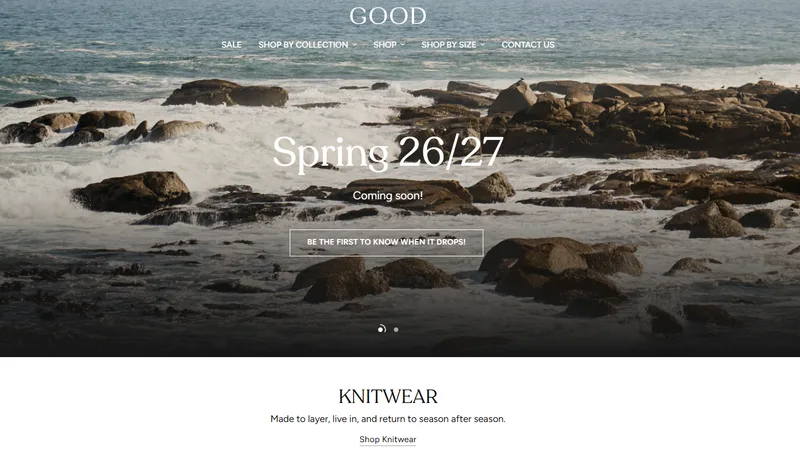
Without a factory-ready tech pack, a pure sewing contractor will likely pass. Good Clothing Company keeps pattern drafting, sample making, grading, and final sewing under one roof — a strong fit for build-and-launch apparel work.
The Fall River shop grades in-house and never outsources technical work. Alignment with Department of Labor fair-wage standards and a focus on eco-friendly blanks suits values-led brands, but full-service development demands patience. A first physical prototype can take six to eight weeks.
🛡️ Our Verdict
- Best Fit: Values-led founders needing full development and production.
- Service Model: Full-service ethical small-batch production.
- The Bottleneck: Longer lead times during initial sampling.
⚡ Power Move: Ask for current pattern-drafting wait times before paying a deposit.
3. Stylus Apparel Group
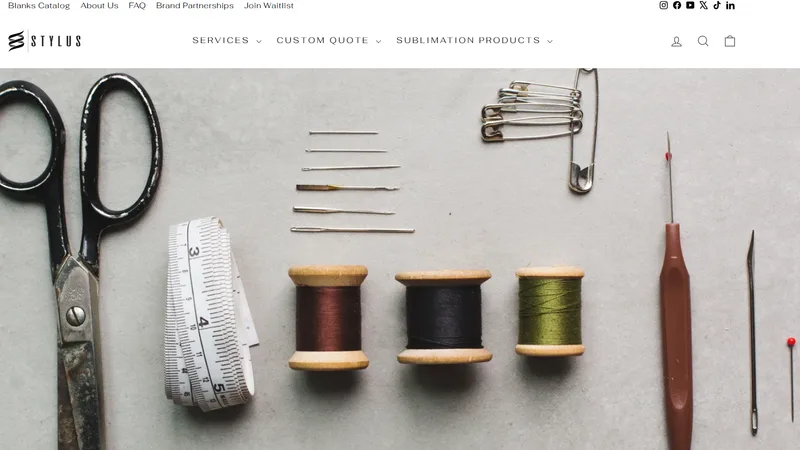
Jumping into full custom cut-and-sew burns budget fast. Stylus Apparel Group offers a faster route: decorated blanks and athletic wear, with approachable minimums that let a new brand launch tees and hoodies without pattern development.
Finishing quality is the stand out. Screen printing and embroidery on premium blanks hold up under AQL 2.5 inspection, which is why e-commerce labels and promotional buyers use it for retail-ready gear. The trade-off is depth — surface customization is strong, but ground-up fit innovation and long cut-and-sew timelines are not the specialty.
🛡️ Our Verdict
- Best Fit: E-commerce stores needing quick, decorated basics.
- Service Model: Premium blank decoration and accessible custom apparel.
- The Bottleneck: Limited capability for ground-up fit innovation.
⚡ Power Move: Ask for exact turnaround on bulk embroidery before committing during Q4 peak season.
4. Euphoric Colors
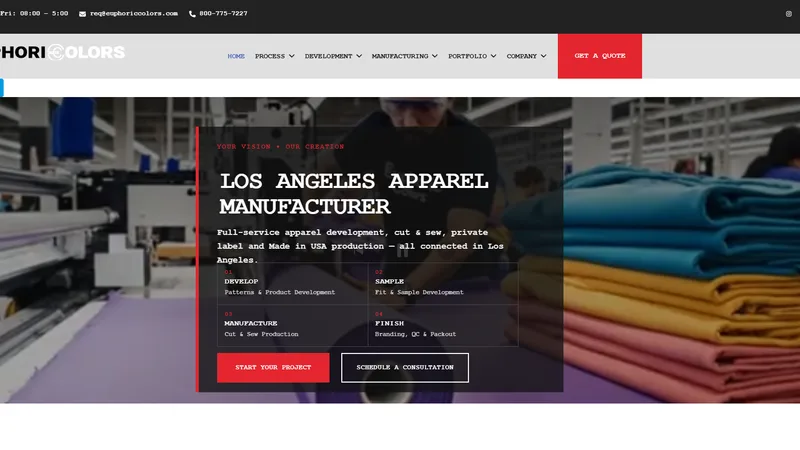
Coordinating five vendors for one garment creates delays. Euphoric Colors removes that fragmentation for custom-dyed and printed apparel, operating as a Los Angeles hub of the US textile industry.
The facility handles custom dyeing, screen and digital printing, embroidery, and drop-shipped fulfillment. That single-vendor setup supports a cleaner supply-chain footprint by keeping production local. The catch is a premium price and volume requirements that rule out early-stage budgets, so weigh the end-to-end support against available capital.
🛡️ Our Verdict
- Best Fit: Growth-stage brands needing one partner for decorated, printed apparel.
- Service Model: Custom dyeing, printing, embroidery, and fulfillment.
- The Friction: Premium pricing and volume minimums exclude bootstrap startups.
⚡ Power Move: Audit working capital against a 300-unit minimum before requesting a quote.
5. Lefty Production Co.
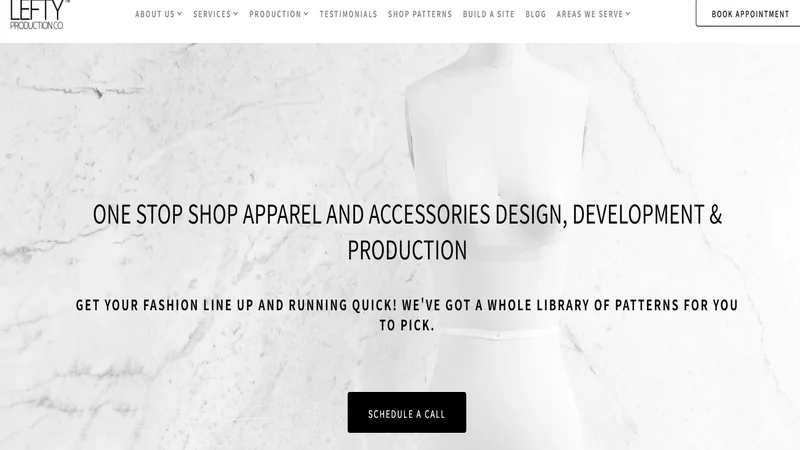
Launching a varied collection across several factories becomes a logistics headache. Lefty Production Co. consolidates the work, running development, production, and packaging across woven shirts, denim, jackets, and contemporary casualwear beneath one roof.
Its Los Angeles floor complies with California garment-labor standards. The breadth demands care: minimums differ category to category, so confirm whether a program needs full pattern development or straight production, and ask for a category-specific minimum breakdown before signing.
🛡️ Our Verdict
- Best Fit: Brands launching multiple product categories simultaneously.
- Service Model: Full-package development and multi-category production.
- The Bottleneck: Juggling different minimums across fabric types.
- Key Question: Ask for a category-specific MOQ breakdown before signing contracts.
6. Organic Apparel USA
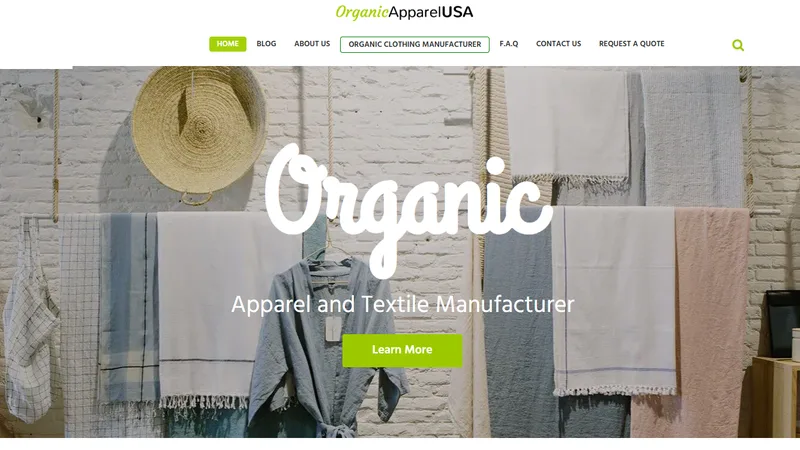
Vague green claims kill credibility. Organic Apparel USA builds on certified organic and recycled fibers, backing the positioning with chain-of-custody paperwork that meets FTC Green Guides expectations.
A certified supply chain brings constraints: restricted palettes, fewer synthetic blends, and longer custom-dye lead times. Verified GOTS documentation and strong custom branding justify the higher price and minimums for mission-driven brands.
🛡️ Our Verdict
- Best Fit: Mission-driven brands requiring verified environmental certificates.
- Service Model: Sustainable private label manufacturing and custom branding.
- The Bottleneck: Material limitations, higher costs, and extended lead times.
- Key Question: Ask how recycled material constraints affect design complexity.
⚡ Power Move: Request the official GOTS transaction certificate for the fabric lot before paying a sampling deposit.
7. Royal Apparel
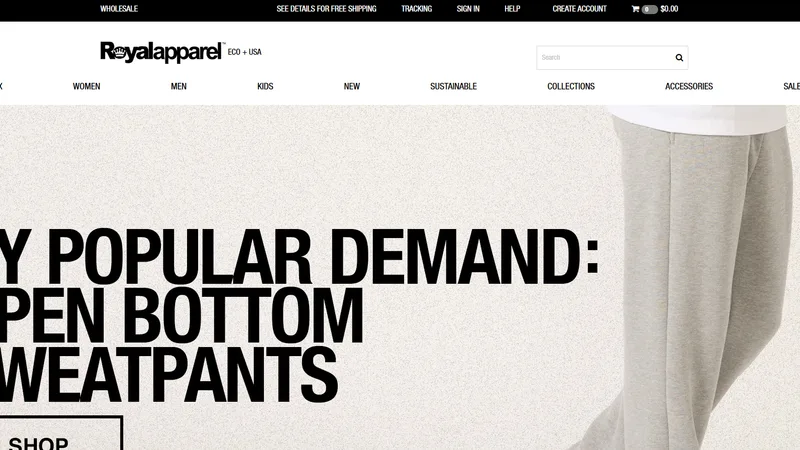
Designing a basic tee from scratch wastes time. Most merch brands and sports teams simply need a premium blank with a custom tag. Royal Apparel supplies ready-made organic basics for relabeling rather than pattern drafting.
Fabric quality competes with retail brands and meets Global Organic Textile Standard (GOTS) criteria. The category distinction prevents expensive sourcing mistakes: if a brand needs unique stitching or custom drop-shoulders, that is outside the offer. For print-on-an-existing-garment programs, it slots in cleanly. Verify the preferred blank is a permanent stock item before building a collection around it.
🛡️ Our Verdict
- Best Fit: Merch brands and DTC labels wanting premium domestic blanks.
- Service Model: Wholesale basics and private-label relabeling.
- The Bottleneck: No from-scratch pattern development or deep structural customization.
⚡ Power Move: Verify the preferred blank is a permanent stock item before designing a collection around it.
8. Los Angeles Apparel
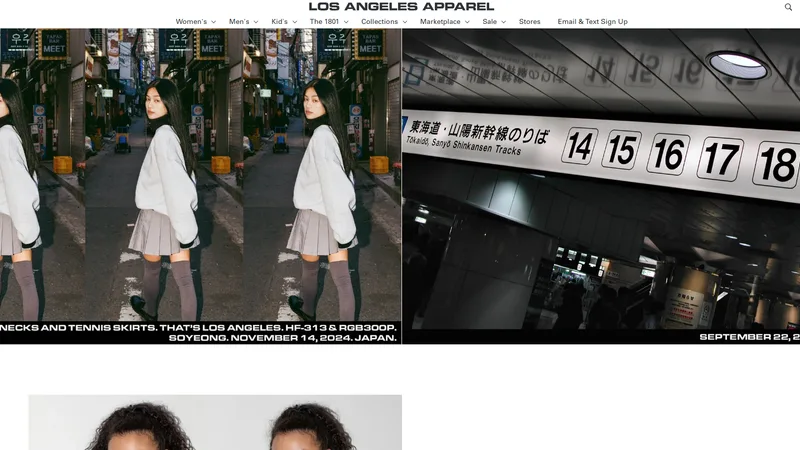
Scattered knitting, dyeing, and sewing vendors wreck quality control. Los Angeles Apparel avoids that with a vertically integrated South Central facility that knits and dyes in-house.
Vertical control gives visibility over core processes, which suits basics-heavy brands that want a local staple line. Heavy fleece and everyday essentials are the sweet spot; experimental fashion is not. Expect a price premium — it buys speed and security rather than novelty.
🛡️ Our Verdict
- Best Fit: Basics-heavy brands wanting domestic supply-chain visibility.
- Service Model: Vertically integrated knitting, dyeing, and cut-and-sew.
- The Bottleneck: High price premiums and limited experimental capability.
⚡ Power Move: Order the 14-ounce fleece sample before finalizing tech packs to test fabric limits.
9. Zega Apparel
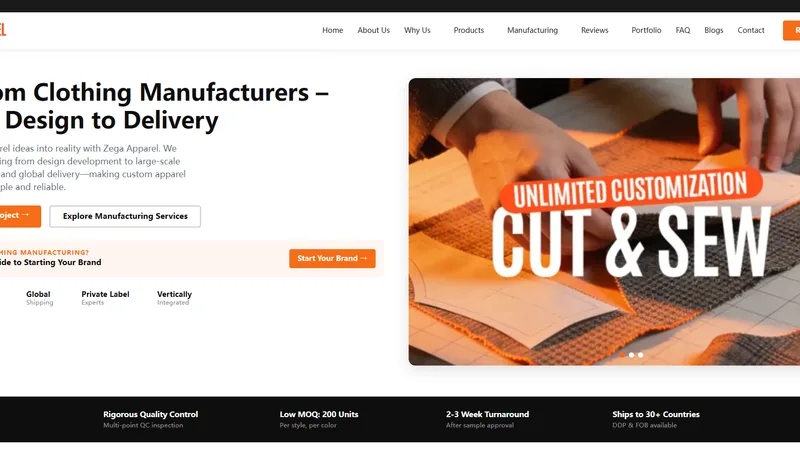
A stateside address does not guarantee a stateside factory floor. Zega Apparel ships low minimums and easy communication, with account management in the US and much of the production running overseas.
That distinction matters for labeling. If a brand relies on strict FTC “Made in USA” standards, confirm the exact sewing location before paying a deposit. The low minimums are real; the geography is not always.
🛡️ Our Verdict
- Best Fit: Founders wanting low minimums and easy communication.
- Service Model: Global cut-and-sew with stateside account management.
- The Bottleneck: Ambiguous production geography complicates domestic labeling.
- Next Step: Ask which country will cut the garments before paying a deposit.
10. American Stitchco
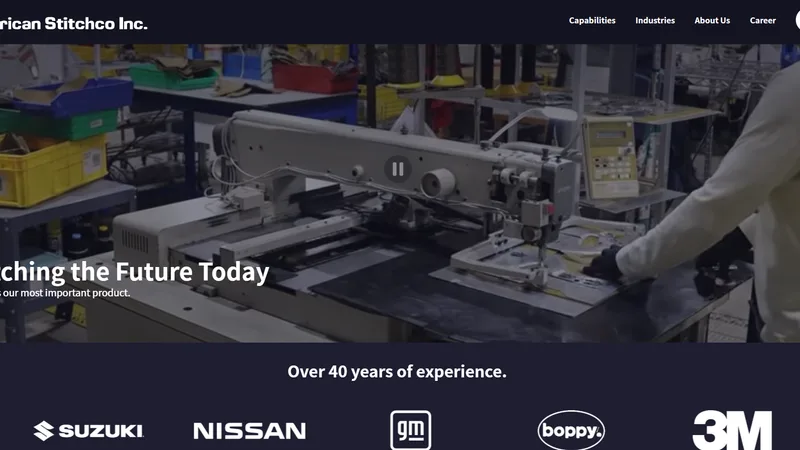
Running a uniform program across six garment types usually means six factories. American Stitchco consolidates that across Arkansas facilities with real capacity for workwear, corporate uniforms, and automotive textiles.
It meets ANSI/ISEA 107 high-visibility criteria and suits structured procurement programs. The trade-off is strict minimums near 1,000 units and rigid communication. Mixed-garment volume thresholds occasionally let a program split that minimum across pieces, so ask upfront.
🛡️ Our Verdict
- Best Fit: Corporate buyers scaling uniform and workwear programs.
- Service Model: High-capacity contract manufacturing.
- The Bottleneck: High minimums and zero hand-holding for new brands.
🚀 Actionable Insight: Ask for mixed-garment volume thresholds upfront — split the 1,000-unit minimum across multiple uniform pieces when allowed.
How to Hire a Clothing Manufacturer in the USA
-
Choose a production model. Know what you are buying before you shop — a wholesale blank supplier is not a custom cut-and-sew factory.
- Full-Package Production (FPP): The factory sources fabric, drafts patterns, makes samples, runs production, and finishes the garment.
- Cut, Make, Trim (CMT): The brand supplies the patterns, materials, and specs; the factory only cuts and sews.
-
Build a factory-ready tech pack. Factories ignore vague emails.
Build one complete packet per style: flat sketch, bill of materials, graded size chart, point-of-measure specs, stitching methods, colorways, and packaging rules. Send PDFs, never editable masters, and mail a physical reference garment to speed up fit alignment.
-
Run the vetting checklist. Never sign a contract without technical questions that expose hidden outsourcing.
- Verify the machinery: Single-needle, overlock, coverstitch, flatlock, cutting, and pressing equipment.
- Check the sample room: Confirm a dedicated sample team.
- Set QC rules: Request checkpoints and a Work-In-Progress schedule; ask how defective work is reworked.
- Demand compliance proof: ISO 9001 for process discipline, OEKO-TEX Standard 100 for fabric safety, or WRAP, Fair Trade, and GOTS.
-
Verify the Made in USA claim before you label it. “Made in USA” is a legal claim, not a marketing line.
Under the FTC Made in USA Labeling Rule, an unqualified claim requires “all or virtually all” domestic content. In January 2024 the FTC issued its largest-ever penalty — $2 million against Kubota North America — for labeling imported parts as “USA.” If a factory cuts or sews abroad, use a qualified claim like “Sewn in the USA with imported materials.”
-
Pilot before you scale. Never approve a digital photo.
Review a physical pre-production sample, sign off on fit and color, and lock the bulk lead time in writing before you pay the balance. The six-to-eight-week first prototype at Good Clothing Company is the norm, not the exception — plan for it.
Compare this shortlist against offshore options in the China manufacturing guide and Vietnam shortlist to see the full cost-speed-quality trade-off. For a deeper phase-by-phase onboarding walkthrough, read the apparel product development guide.
Frequently Asked Questions about Clothing Manufacturers in the USA
What is a realistic MOQ for a startup?
Realistic minimums depend on product type. Decorated basics can start near 50 units as a pilot run, while custom cut-and-sew usually needs at least 100 units per color. Simple printed blanks keep the first order small and testable.
Do I need a tech pack before contacting a manufacturer?
Yes, for any custom design. A factory-ready tech pack tells the factory exactly what to build and prevents costly revision loops. Without one, even a good sketch stalls the sampling stage.
What is the difference between FPP and CMT?
Full Production Package means one vendor owns sourcing, pattern drafting, sampling, and sewing. Cut-Make-Trim means the brand supplies the fabric and specs while the factory only cuts and sews. The choice comes down to how much control the brand wants to keep.
Is a private label the same as cut and sew?
No. Private label applies an existing blank garment with a custom logo. Cut-and-sew builds a new garment from raw fabric rolls. Blank-based brands launch faster; cut-and-sew suits brands that need unique fits and silhouettes.
Can I legally label my product Made in the USA?
Only if the product is “all or virtually all” made stateside. Importing fabric and sewing in California does not qualify for an unqualified claim. A qualified claim like “Sewn in USA from imported materials” is safer.
Is U.S. manufacturing always better than overseas?
Not always. Domestic partners offer faster shipping and easier communication. Overseas factories offer deeper supply-chain infrastructure and lower unit costs at scale, and that trade-off usually decides the choice.
Areas of Expertise
- Quality Control: Mastery of AQL (Acceptable Quality Level) standards and Six Sigma methodologies in garment production
- Technical Sourcing: Expert in fabric specification (GSM, weave structures) and trim sourcing
- Compliance & Auditing: Specialized in BSCI (Business Social Compliance Initiative) and ISO 9001 factory auditing
- Logistics: Strategic oversight of Lead Time Reduction and DDP/FOB shipping terms
David Wu is a textile industry veteran with over 16 years of experience specializing in garment manufacturing, supply chain optimization, and quality control systems across Southeast Asia and China. His career is defined by implementing rigorous AQL 2.5/4.0 inspection protocols for mid-to-large-scale private label brands. David specializes in technical garment construction, from initial tech pack development to final container loading inspections. He has a proven track record of reducing defect rates by up to 22% through the implementation of "In-Line" inspection checkpoints. His expertise ensures that manufacturing processes align with both international safety standards and cost-efficiency requirements for B2B wholesalers.