Most factories cannot handle true performance wear. Finding a sportswear manufacturer in Vietnam that executes flatlock seams and moisture-wicking fabric is difficult. I have rejected countless “technical” samples that were actually just heat-trapping polyester.
To help you avoid this, I filtered this list by machinery specs and compliance standards. Here is the due diligence you need on each supplier before you book a production run.
List Of Top 10 Sportswear Manufacturers in Vietnam
Quick Preview:
| Company | Key Features | Main Products / Services | Customer Priorities |
|---|---|---|---|
| 1. Crystal International Group | Large, vertical, global. Sustainability leader. High innovation. | Denim, knits, intimate, sweaters, sportswear. | ★★★★★ |
| 2. Song Hong Garment | Vietnam woven specialist. Reliable quality & on-time delivery. | Shirts, blouses, pants, jackets, uniforms. | ★★★★☆ |
| 3. Maxport Limited | Vietnam. Top technical/performance wear. Advanced R&D & fabrics. | Rainwear, ski wear, outdoor jackets, high-performance gear. | ★★★★★ |
| 4. Thygesen Textile Vietnam | Vertical, EU-owned. Durability & quality focus. Corporate/workwear expert. | Workwear, uniforms, safety clothing, hotel/hospital linen. | ★★★★☆ |
| 5. DONY Garment | Vietnam. Flexible for small/medium runs. Good value. | T-shirts, polos, dresses, trousers, knitwear. | ★★★☆☆ |
| 6. Thai Son S.P Sewing | Vietnam. Woven shirts specialist. Strong craftsmanship. | Formal & casual shirts, blouses. | ★★★☆☆ |
| 7. Project SGN | Sourcing agency in HCMC. Factory matching & supply chain management. | Full-package services (sourcing to shipment). | ★★★★☆ |
| 8. TLD Apparel | Sourcing firm with multi-country production. Flexible sourcing. | Full-package for knits, wovens, outerwear. | ★★★☆☆ |
| 9. Fashion Garments (FGL) | Vietnam. Broad casual/fashion range. Fabric to finish services. | Casual wear, knitwear, woven basics. | ★★★☆☆ |
| 10. Dacotex | Vertical, Spanish. Strong in denim/knit from yarn to garment. | Denim fabrics, jeans, knitwear, yarn. | ★★★★☆ |
Recommended Reading:
1. Crystal International Group (Vietnam)
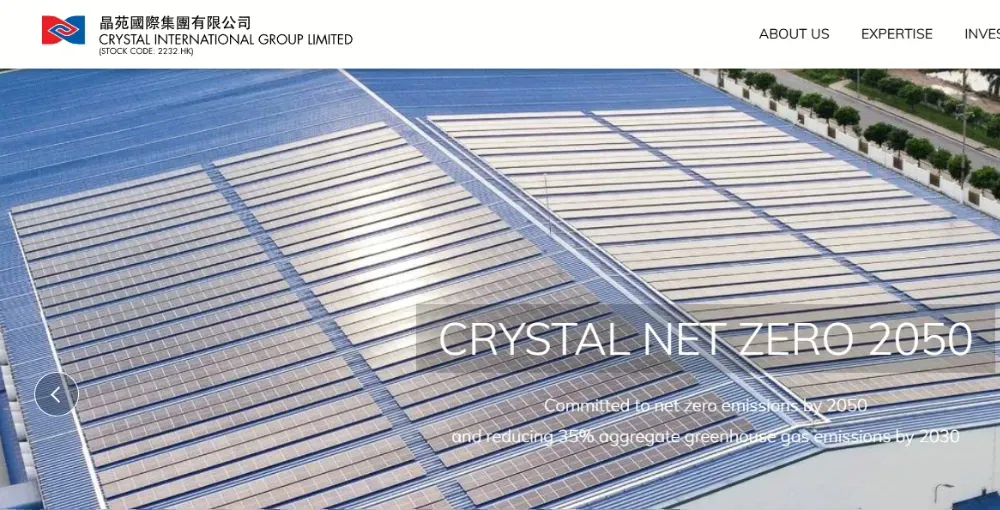
Best for: Enterprise buyers needing high-volume knit capability and mature production systems.
If you need 50,000+ units, Crystal is the standard. They operate vertically integrated industrial parks, not just workshops. We see them as the top choice for buyers who need advanced automation to guarantee delivery dates.
Their setup controls knitting schedules and dyeing tolerances tightly, eliminating the “waiting for fabric” delays that often kill timelines in smaller factories.
What to verify
Don’t assume capability. Specifically verify their 4-needle 6-thread flatlock machines and heat-transfer label lines. For high-compression gear, demand recent lab reports for colorfastness, pilling, and stretch recovery.
🛡️ Our Verdict Crystal is a powerhouse, but in our experience, they are rigid. Watch out for high MOQs. They often reject orders under 5,000 units per style unless you are a nominated vendor. Clarify if they accept pilot runs immediately to avoid wasting time.
First-email checklist:
-
Compliance pack (ISO 9001, social audits).
-
Sampling lead time.
-
Is Third-Party Inspection (TPI) allowed?
🚀 Actionable Insight: Ask for their “nomination process” documents upfront to see if you qualify for their long-term capacity planning.
2. Song Hong Garment — Best for Technical Outerwear & Structured Exports
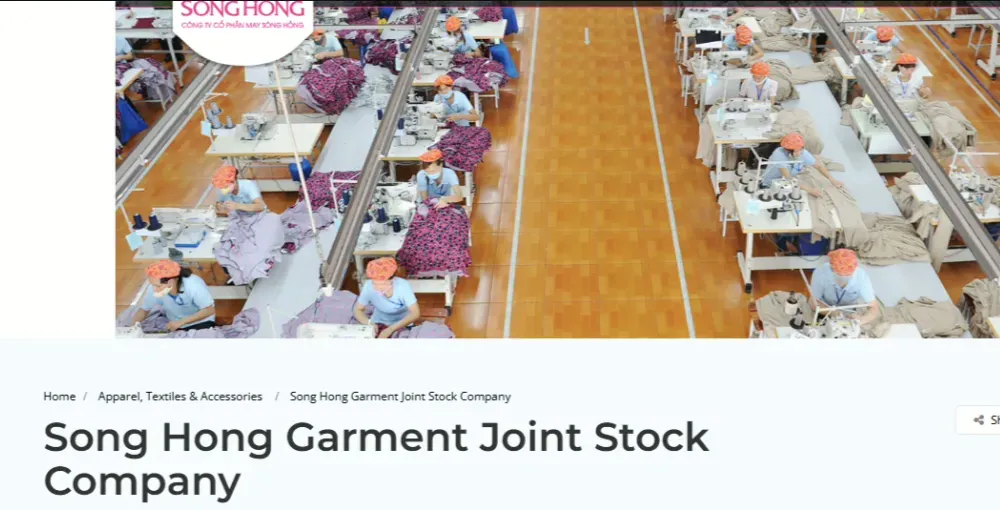
Song Hong Garment (SHG) stands out as a responsive sportswear manufacturer in Vietnam for brands balancing speed with compliance. We found SHG uniquely agile for structured export operations, unlike mega-factories that often deprioritize mid-sized orders.
They excel at technical execution, specifically seam-sealing, bonded panels, and maintaining consistent grading across wide size ranges (XS–4XL).
To ensure quality, request their ISO 9001 and social compliance certifications (SA8000 or WRAP equivalents) immediately. You must also specify an AQL 2.5 standard for final inspections in your service agreement.
For moisture-wicking synthetics, scrutinize their incoming quality control. We advise asking specifically about their shade banding process and defect mapping to ensure GSM tolerance stays strictly within ±5%.
🛡️ Our Verdict: SHG is technically elite but commercially strict. Always negotiate the MOQ per color upfront. They usually require a pre-production run to calibrate lines. In our experience, if a factory refuses this pilot run, you should walk away to avoid bulk failures.
3. Maxport Limited — Best for Premium Sportswear Finishes
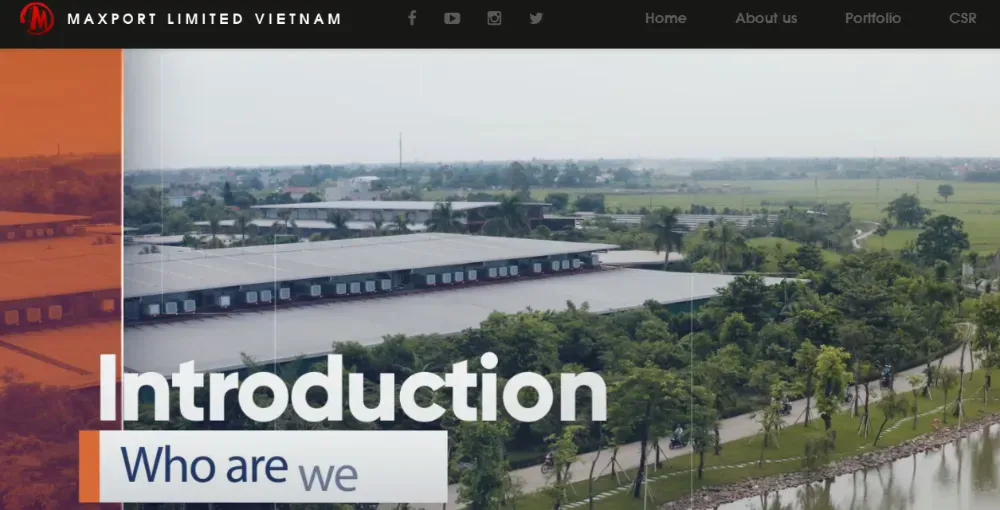
Maxport is the correct partner if your brand relies on construction durability rather than the lowest FOB price. We recommend them specifically for performance outerwear and premium lifestyle-sports lines requiring advanced finishing.
While many factories claim to handle technical specs, Maxport specializes in the difficult execution of seam-taping, sew-free bonded construction, and abrasion-resistant reinforcements.
Key verification steps:
-
Fit Risk: Confirm they manage US/EU fit using specific pattern blocks and shrinkage testing on PPS (Pre-Production Samples). Do not rely on generic grading.
-
Compliance: Request the latest audit dates and scope. Ensure the certification covers the actual production facility, not just a holding company.
-
QC Metrics: Demand data on seam strength, seam slippage, and stretch recovery consistency across size runs.
🛡️ Our Verdict Maxport commands a premium. In our experience, their “sew-free” tech is top-tier, but you must validate bonding strength during the sample phase. If the wash controls aren’t dialed in, the garments will delaminate.
4. Thygesen Textile Vietnam — Best for OEM Basics
Thygesen is a strong choice for OEM programs, particularly for knits and activewear basics. They own the knitting process, giving them better control over fabric consistency than pure cut-and-sew shops.
You must validate their sustainability paperwork. Don’t just accept a general “Eco-Friendly” label. When I source recycled polyester here, I demand the Transaction Certificate (TC) linked to the Global Recycled Standard (GRS). Thygesen can provide these, but you must request them during the contract phase.
Without a TC, you cannot prove your claims.
For technical execution, focus on elastane handling. High-speed sewing generates needle heat that can melt spandex fibers. I always perform a “seam stretch test” on flatlock samples. If the seam cracks or snaps, their needle selection is wrong.
Finally, confirm their packing specs. Ask if they apply Amazon FBA barcodes and polybag suffocation labels in-house. This saves you significant 3PL prep fees later.
🛡️ LeelineWear’s Verdict Reliable for sustainable basics, but watch the MOQ by color. Efficiency drops on high-mix orders. Confirm they accept your specific color breakdown before you pay for sampling.
5. DONY Garment
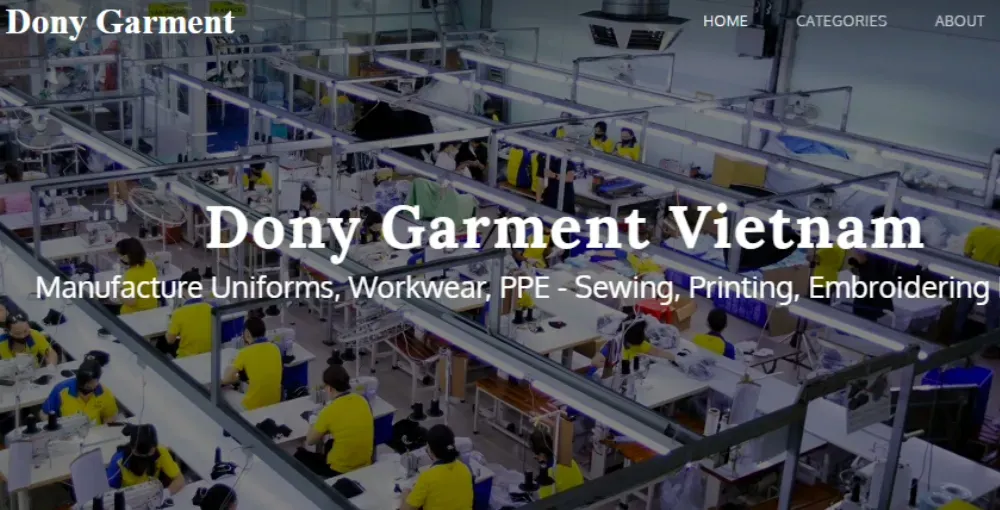
DONY Garment is my top pick for branded athletic polos, warmups, and teamwear. While many manufacturers outsource printing—often leading to logos that peel on stretch fabrics—DONY integrates decoration in-house. This minimizes the risk of heat distortion on performance blends and reduces return rates.
When vetting them, I specifically ask how they handle heat transfers on 4-way stretch materials. Always demand a pre-production “strike-off.” I run these through a rigorous 20-cycle wash test; if the logo cracks or peels, I reject the method immediately. You need to ensure they can scale production without losing adhesion quality.
On the commercial side, verify their MOQ and monthly capacity upfront. I also demand proof of color consistency for reorders, as thread lots can vary significantly in this region. Finally, ensure they have valid export compliance documents and will accept a Third-Party Inspection (TPI) before shipping.
🛡️ Our Verdict: Excellent for decorated basics, but monitor the batches. In my experience, color matching can drift over time. Require a signed “control sample” for every reorder to keep branding consistent.
6. Thai Son S.P Sewing Factory
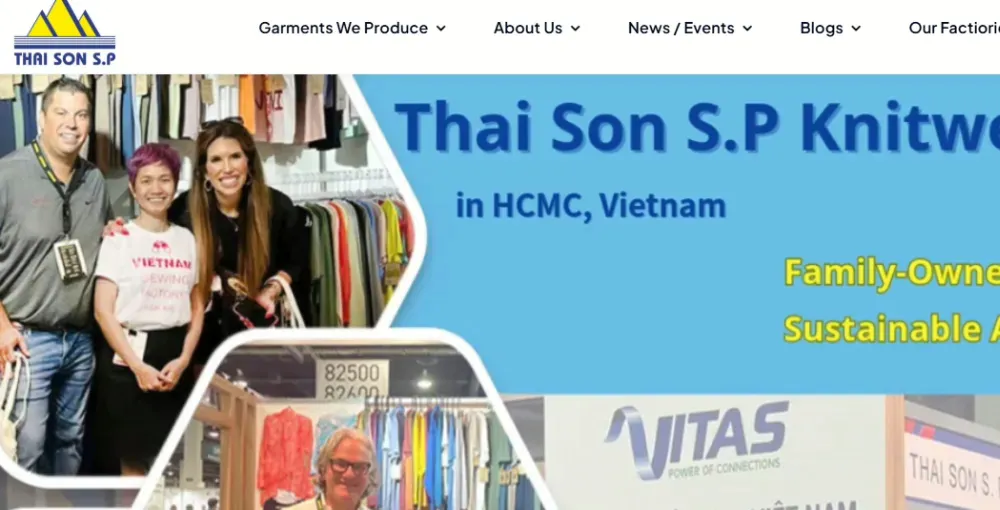
Best for: Women’s Activewear & Yoga Sets
In my experience, generalist factories often ruin yoga wear by applying standard overlock stitches to high-stretch polyester-spandex blends. Thai Son S.P stands out as a sportswear manufacturer in Vietnam because they prioritize 4-needle 6-thread flatlock seams.
I have found their attention to detailing on gussets and bar-tacks at stress points significantly reduces seam failure rates compared to cheaper alternatives.
Fabric risks still exist. When I review prototypes, I rigorously test for “grin-through,” where elastane breaks and shows white fibers under tension. You must also verify pilling resistance if you use brushed fabrics, as soft hands often equal low durability.
Sampling Workflow: Queues fill up fast. Demand a strict timeline from your tech pack to the fit sample to avoid delays.
🛡️ LeelineWear’s Verdict: Thai Son is top-tier for cut-and-sew, but verify the MOQ per color. Negotiate a smaller Pre-Production Sample (PPS) run to test your size grading before committing to bulk.
7. Project SGN — Best for High-End Development Support (Patterns, Tech Packs, Small Runs)
Most factories ignore you if you lack a production-ready tech pack. Project SGN acts as a technical partner for founders who need patterns, grading, and controlled small runs.
How to qualify them? Ask specifically: “Do you grade patterns in-house or outsource it?” Outsourced grading often leads to sizing disasters where a Small fits, but a Large loses its shape. You need a partner that controls the engineering.
Performance specifics Verify their needle selection for high-compression nylon. In my experience, using standard needles on 4-way stretch fabric creates micro-holes along the seams. Project SGN handles these nuances and sources hard-to-find trims like branded jacquard elastics.
Risk control Insist on a Pre-Production Sample (PPS). I require a signed tolerance chart to ensure bulk orders match the sample’s seam strength within 5%.
🛡️ LeelineWear’s Verdict: High-touch support raises unit costs. Use Project SGN for complex “Hero SKUs” to guarantee construction quality, but source simple basics elsewhere to protect your margins.
8. TLD Apparel — Best for Fabric Variety (Compression, Tactel/Cordura-Type Options) in Sports & Fitness
Most factories push generic polyester. TLD Apparel provides access to high-performance options like Tactel and Cordura-style blends. This makes them ideal for fitness lines where fabric tech—like compression or cooling—is the main selling point.
Don’t rely on digital photos. Request physical swatch books with strict GSM ranges. For compression gear, I always demand a bursting strength lab report (ASTM D3786). You need proof the fabric won’t fail under tension.
Verify their machine list. You need flatlock equipment for durable seams and coverstitch machines for hems. Also, ensure they use heat-transfer labels. Sewn-in tags cause irritation during workouts.
Validate sustainability claims. If they propose recycled yarns, demand the Transaction Certificate (TC). Don’t accept “recycled” as just a marketing adjective.
🛡️ Our Verdict: TLD excels at variety, but specialized fabrics are often imported. This can add 30 days to your lead time. Ask if they stock your specific performance fabric locally before you set your launch schedule.
9. Fashion Garments (FGL) — Best for High-Throughput Knit Production & Consistent Reorders
Scaling from 500 to 5,000 units often breaks supply chains. I’ve seen brands fail simply because their second production run didn’t match the first. FGL solves this “restock chaos” by prioritizing process over speed. They are the right choice when you need a predictable machine, not a one-off hero run.
Consistency matters most here. When sourcing replenishment, I always demand Delta E color reports to ensure the Navy Blue leggings I sell in July match the ones sold in December. FGL manages this through strict line allocation and WIP controls that prevent shade variation between batches.
Before signing, define your QC expectations. You need in-line QC plus a Final Random Inspection (FRI) to catch issues early. Also, confirm they handle private label packaging like custom polybags. If they ship loose units to your warehouse, your fulfillment costs will spike.
🛡️ LeelineWear’s Verdict FGL is a volume player. Do not approach them for runs under 1,000 units. They excel at consistency but lack agility for rapid prototyping. Use them to stabilize your core sellers.
10. Dacotex (Factory-Tour Referenced) — Best for Technical Woven Sports Outerwear
Sewing waterproof windbreakers is nothing like making leggings. A single hot needle can melt the coating and ruin the garment. I recommend Dacotex specifically for complex woven items like puffers, lined jackets, and seam-sealed shells.
When I tour facilities for technical outerwear, I check incoming QC first. You should see workers unrolling raw fabric bolts and tagging defects with colored tape before cutting. If they skip this step on expensive waterproof nylon, you will face high return rates.
Technical Vetting Checklist:
-
Seam Sealing: Verify they use hot-air sealing machines. Ask for a tape adhesion sample to test peeling.
-
Needle Heat Control: High-speed sewing generates heat. Confirm they use air-cooling attachments to prevent fabric damage.
-
Material Sourcing: Many performance fabrics are imported. Check if this affects your lead time or duty-free Rules of Origin status.
🛡️ Our Verdict: Watch the Seams Complex jackets have high failure rates. Never skip the mid-production inspection. You must check seam taping consistency before the lining is sewn shut. Once the jacket is closed, you cannot see the mistakes.
The Executive Playbook: How to Vet a Vietnam Factory
Do not rely on website claims. Even “premium” factories cut corners if you fail to set strict standards. Use this plan to turn your sourcing process into a repeatable system.
Step 1: Select the Manufacturing Cluster
Geography dictates your lead times. Choose your region based on your material source and logistics needs.
-
Target the North (Bac Giang, Hai Duong, Hai Phong): Source here if you import fabrics from China. Trucks from Guangxi reach these factories in 24 hours. You save days on shipping compared to the South.
-
Target the South (Binh Duong, Dong Nai, HCMC): Select this area for a dense supplier ecosystem. The South offers better options for complex trims, zippers, and packaging. The logistics infrastructure supports high-volume global export.
-
Check the Central (Da Nang, Nghe An): Look here for lower costs. However, verify the port routing. If they truck goods to HCMC for shipment, transport fees often erase your savings.
Step 2: Run the “Floor Walk” Inspection
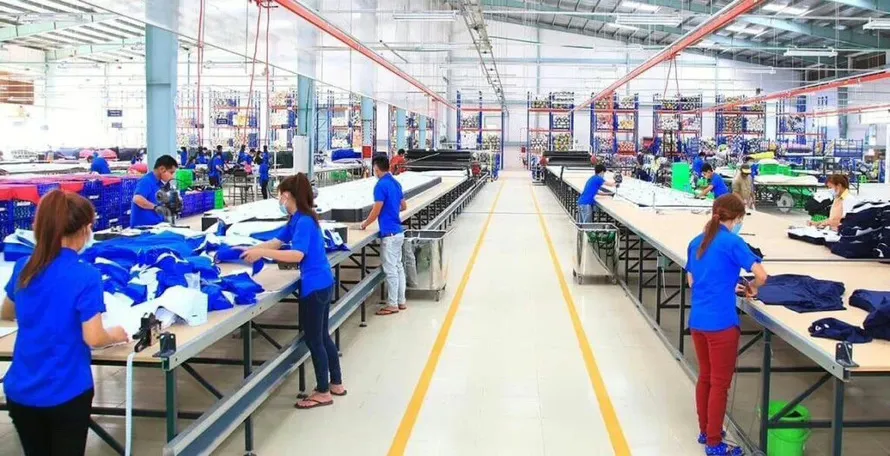
Visit the factory floor. Do not stay in the showroom. Perform these specific checks for performance fabrics.
-
Test Incoming Fabric: Measure the GSM (Grams per Square Meter). If the weight varies by more than 5%, leggings will be see-through. Check for shade banding. Ensure the factory separates rolls from different dye lots.
-
Audit Line Setup: Inspect the needles. Sewing high-stretch elastane requires ballpoint needles. Sharp needles cut spandex yarns and cause fabric to snap after washing.
-
Review QC Gates: Demand to see the “First Article” approval. The line manager must sign off on the first perfect unit before mass sewing begins.
-
Verify Final QA: Review their AQL (Acceptable Quality Limit) charts. Insist on measurement audits for sportswear. A Medium must measure as a Medium.
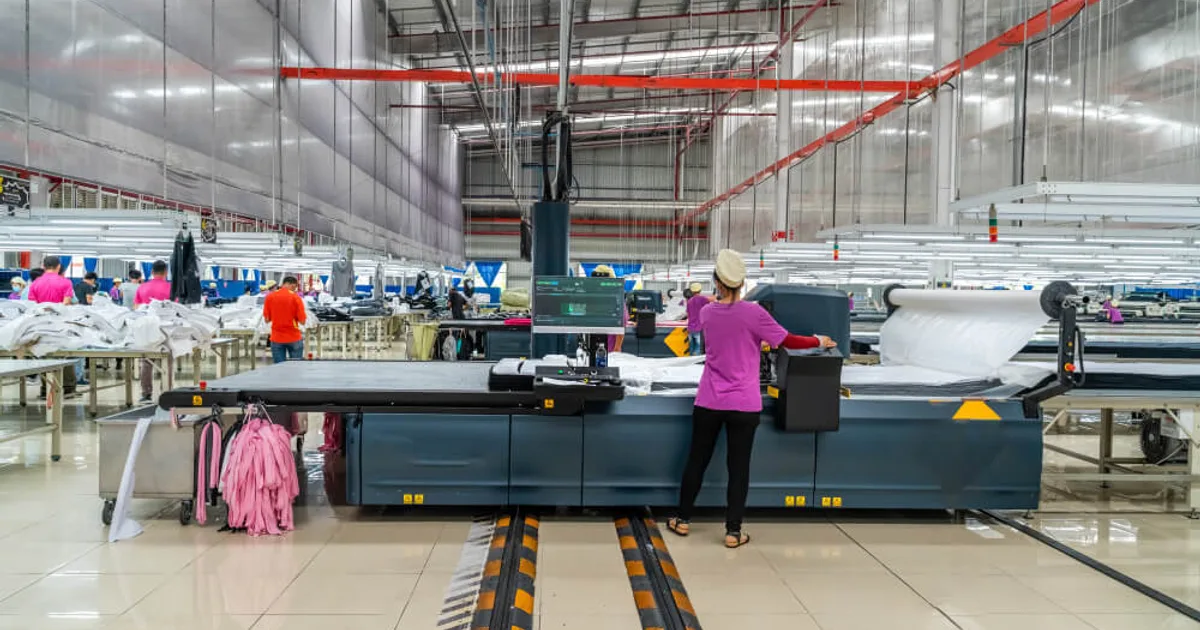
Author’s Verdict In my experience, the biggest red flag is a messy cutting table. If you see fabric layers misaligned by even 2mm, your final sizing will be inconsistent. Walk away if the cutting room lacks automated spreaders.
Step 3: Verify Machinery Capabilities
Do not ask if they can make activewear. Ask for their asset list. Require photo or video evidence of these specific machines.
-
4-Needle 6-Thread Flatlock: Essential for chafe-free seams in yoga wear.
-
Coverstitch Machines: Required for stretchy hems.
-
Seam-Taping Machines: Mandatory for waterproof jackets.
-
Ultrasonic Welding: Needed for “sew-free” bonded edges.
-
Laser Cutting Tables: Used for precise ventilation holes.
Step 4: Demand Official Certifications
Certificates protect your brand from liability. Verify these documents with the issuing body.
-
ISO 9001: This proves the factory follows a consistent quality management process.
-
SA8000: This ensures social accountability and fair labor practices.
-
OEKO-TEX Standard 100: This is critical for skin-contact items. It proves the fabric is free from harmful chemicals.
-
Sustainability Proof: Demand a Transaction Certificate (TC) if you pay for recycled polyester. Without a TC, you cannot prove the material is recycled. Many factories fake this claim without the document.
Step 5: Structure Protective Payment Terms
Protect your cash flow. Negotiate a deal with a 30% deposit and 70% balance.
-
Avoid the Trap: Never agree to pay the 70% balance “before shipment” without conditions.
-
Fix the Contract: State clearly that the “70% balance is due after passing Third-Party Inspection.”
-
Add Penalty Clauses: Include penalties for late delivery. Require the factory to cover air freight costs if they delay shipment by more than two weeks.
Step 6: Deploy Third-Party Inspections (TPI)
Never ship an order without a TPI. Read our guide on how to find sportswear manufacturers for more on finding partners.
-
Schedule Pre-Production Inspection: Check raw materials before cutting begins.
-
Run DUPRO (During Production): Inspect the line when 20% of goods are finished. Fix seam issues now. You cannot fix them later.
-
Execute Final Random Inspection: Have the inspector pick boxes at random.
-
Test Sportswear Specifics: Instruct the inspector to pull seams hard. Fail the lot if threads crack. Rub logo prints 50 times to test durability.
We often use DUPRO to catch “needle heat” damage. High-speed sewing on synthetic fabrics creates heat that melts the thread. You only spot this by checking the inside seams during production.
Trust is good. Verification is better. If you need help comparing these options against other regions, check our guides on the best sportswear manufacturers in China, manufacturers in the UK, and clothing suppliers in Turkey.
Ready to start your production run with a partner that understands these standards?
to get a quote.People Also Ask About Sportswear Manufacturers in Vietnam
What is a realistic MOQ for private label fitness apparel in Vietnam?
Most sportswear manufacturers in Vietnam advertise a Minimum Order Quantity (MOQ) of 1,000 units per style. However, in my experience, you can negotiate this down to 200–500 units if you use “stock market” fabrics rather than custom-dyed rolls.
Factories accept lower volumes when they do not have to stop production lines to switch thread colors. Always ask if they have a “pilot run” program for new brands before you commit to bulk.
Which certifications should I prioritize for ethically made activewear?
For performance wear that touches the skin, OEKO-TEX Standard 100 is non-negotiable to ensure safety from harmful chemicals. For labor compliance, verify SA8000 or WRAP certifications. I always check the expiration dates on these documents; expired certificates are a common red flag in this region.
What payment terms are normal, and how do I reduce risk?
The standard term is 30% deposit and 70% balance. Never pay the final 70% until the goods pass a Final Random Inspection (FRI). In our contracts, we strictly tie the balance payment to a signed inspection report and a verified packing list. If you pay before inspection, you lose all leverage to fix quality defects.
How do I verify “sustainable” claims like recycled polyester?
Do not trust a simple “Eco-Friendly” tag. You must request a Transaction Certificate (TC) for every shipment. This document tracks recycled material from the yarn spinner to your specific order. If the factory cannot provide a TC linked to the Global Recycled Standard (GRS), the fabric is likely standard virgin polyester.
If my fabric is imported from China, do I get EU preferential tariffs?
Likely not. The EVFTA generally follows a “fabric-forward” rule of origin. This means the fabric must be woven or knitted in Vietnam (or the EU) to qualify for zero duty. If you import cheap fabric from China to sew in Vietnam, you usually disqualify your product from tax breaks.
Check your specific HS Code rules before pricing your goods.
Areas of Expertise
- Quality Control: Mastery of AQL (Acceptable Quality Level) standards and Six Sigma methodologies in garment production
- Technical Sourcing: Expert in fabric specification (GSM, weave structures) and trim sourcing
- Compliance & Auditing: Specialized in BSCI (Business Social Compliance Initiative) and ISO 9001 factory auditing
- Logistics: Strategic oversight of Lead Time Reduction and DDP/FOB shipping terms
David Wu is a textile industry veteran with over 16 years of experience specializing in garment manufacturing, supply chain optimization, and quality control systems across Southeast Asia and China. His career is defined by implementing rigorous AQL 2.5/4.0 inspection protocols for mid-to-large-scale private label brands. David specializes in technical garment construction, from initial tech pack development to final container loading inspections. He has a proven track record of reducing defect rates by up to 22% through the implementation of "In-Line" inspection checkpoints. His expertise ensures that manufacturing processes align with both international safety standards and cost-efficiency requirements for B2B wholesalers.