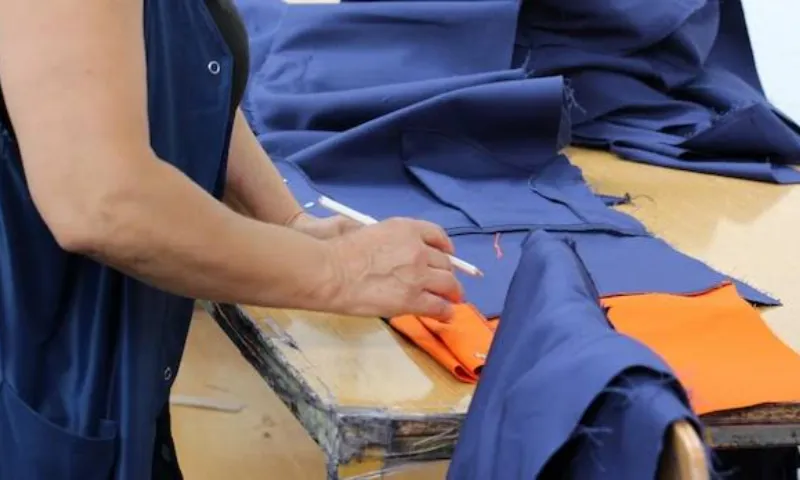
A waterproof cycling membrane can pass ISO 811 and still leave a cyclist soaked. I have seen this exact failure on the production floor at LeelineWear. The problem is rarely true leakage. It is wet-out, condensation, or seam tape lifting at shoulder stress zones.
I compare waterproofness by Hydrostatic Head (ISO 811) and breathability by RET (ISO 11092) and MVTR (JIS L 1099 B1), mapped to commute, tempo, and climb. I also document the 3-ply lamination and hot-air seam sealing SOP used to stop shoulder and back leaks before a garment leaves the 20,000-square-meter facility in China.
All test materials are bought at full cost.
Clear definitions first: waterproof versus water-resistant. Then ePTFE, TPU, and PU tradeoffs for stretch, oil resistance, and durability, plus a lab-method matrix and a production SOP. The goal: a construction stack that survives production and customer returns.
📌 Quick Summary: A waterproof cycling membrane is a film that blocks liquid water but lets sweat vapor escape. For cycling, spec a 3-layer laminate, ≥20,000 mm hydrostatic head (ISO 811), and RET ≤6 (ISO 11092), then match your seam tape to the laminate. Most “leaking” jackets fail at the seam tape, not the membrane.
What Is a Waterproof Cycling Membrane and How Does It Work?
A waterproof cycling membrane is a continuous barrier film laminated to a face fabric. It blocks liquid water. It releases water vapor. The barrier is either microporous (like ePTFE) or hydrophilic (like PU and TPU).
Breathability is measured on a sweating hot plate per ISO 11092 — “breathable” means vapor-managing under sweat load, not air-permeable.
Membrane chemistry, thickness, face fabric wet-out, venting, and riding posture all change the result. Manager Chen runs our lamination line. He says, “Buyers spec breathable but forget that a wet-out face fabric stops vapor transfer before it reaches the membrane.”
Waterproof vs. Water-Resistant
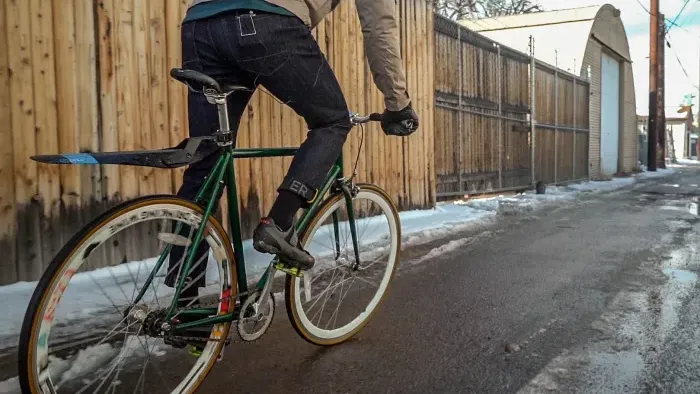
Water-resistant handles light rain for minutes. Waterproof cycling membranes handle sustained rain plus pressure. Cycling creates three specific stressors:
- Strap compression under backpacks and hydration packs (5+ psi)
- Forward-lean posture pools water on shoulders and upper back
- Road spray and grit wear down DWR
In our return audits, clients call a jacket “leaking” after the lab measures the textile dry at 10,000 mmH₂O. The real failure: seam tape lifts at the shoulder. That is garment-level failure, not material-level failure.
Layer Architectures
- 2-layer: face + membrane; needs a separate liner.
- 2.5-layer: face + membrane + protective print; light but less durable.
- 3-layer: face + membrane + knit backer; the standard choice for cycling durability. The backer stabilizes seam tape adhesion and survives strap abrasion.
Mini Glossary
- ePTFE: microporous membrane
- TPU: hydrophilic thermoplastic film
- PU: polyurethane coating or film
- DWR: Durable Water Repellent, with C0/PFAS-free options
- Hydrostatic head: per ISO 811, mmH₂O
- RET: evaporative resistance, lower is better
- MVTR: moisture vapor transmission rate, g/m²/24h
- Seam tape: width plus adhesive chemistry determine bond
For deeper material selection, review the cycling fabric guide and fabric technology overview.
💡 Key Insight: Material-level waterproofing and garment-level waterproofing are different. Spec both in the tech pack.
ePTFE vs TPU vs PU Membranes: Fit and Durability
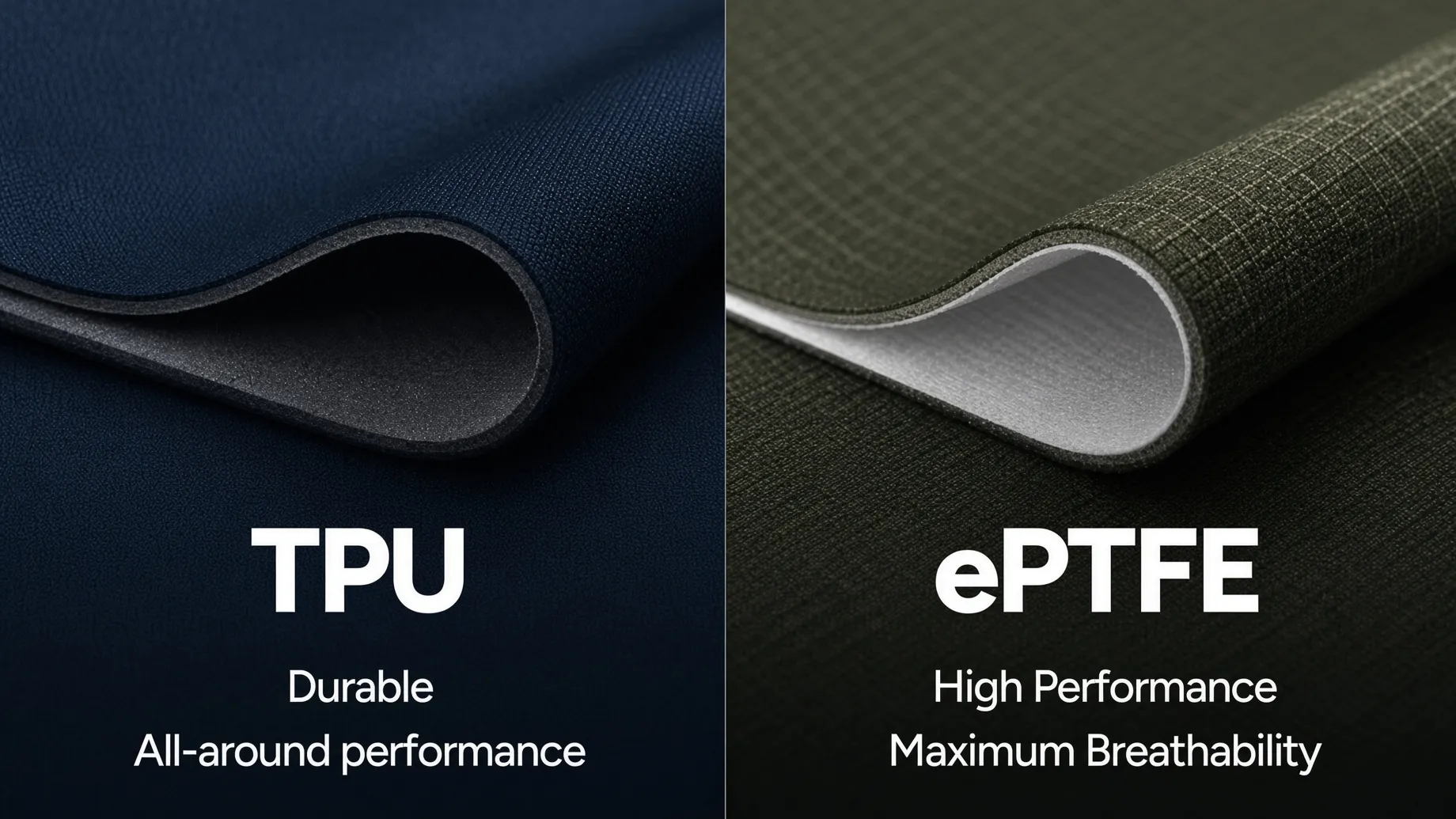
ePTFE is microporous. It vents vapor fast when dry, but road oil and sunscreen clog its pores and cut vapor flow. It often has low stretch unless engineered.
TPU/TPE/hydrophilic films use absorption-diffusion. They offer better elastic recovery, quieter hand, and less crinkle. They can weigh more at the same waterproof rating.
PU variants range from coatings to films. Formulation controls stretch, oil resistance, and wash durability.
For cycling we check three points:
- Race-cut stretch: TPU stacks flex better.
- Abrasion: 2.5L print backs fail faster than 3L tricot at pockets and hip contact.
- Contamination: ePTFE loses more performance than TPU in leak-back audits.
Decision triggers:
- Quiet + stretchy: pick TPU/hydrophilic.
- “Climb hard in rain”: pick very low RET plus mechanical venting.
Head-to-Head: ePTFE vs TPU vs PU
| Property | ePTFE | TPU / hydrophilic | PU (coating or film) |
|---|---|---|---|
| Waterproof mechanism | Microporous (size-exclusion) | Absorption-diffusion | Coating or film barrier |
| Breathability | Excellent when dry | Moderate; drops in the cold | Low to moderate |
| Stretch and recovery | Low unless engineered | Excellent | Varies by formulation |
| Oil and sunscreen resistance | Poor — pores clog | Good | Moderate |
| Cold-weather vapor transfer | Stable | Drops sharply below 0°C | Low |
| Durability | High | Moderate | Coating wears faster |
| Best for cycling | Hard climbing in rain | Quiet, stretchy shells | Budget shells |
These tradeoffs explain the real market. Gore-Tex and most premium hardshells use ePTFE-style microporous membranes for maximum breathability, while PFAS-free lines increasingly turn to hydrophilic films such as Toray’s Dermizax or laminated TPU stacks. Endura’s ExoShell60 shows the same math on the brand side:
a fluorine-free 3-layer build rated 18,000 mm waterproof and 60,000 g/m²/24h MVTR — just under the 20,000 mm bar set here, at the brand’s own numbers.
Waterproof and Breathability Ratings: Stop Comparing Apples to Oranges
A) Hydrostatic head
ISO 811 measures water pressure before three drops penetrate. A 20,000 mm rating means a 20-meter column in a lab. That is not ride pressure — real stress comes from pooling water and strap load on the shoulders, which a flat fabric test never sees.
Brands often quote “20,000 mm” without method or ramp rate. We request the full lab PDF. A slower ramp flatters weak membranes. ISO 811 standard overview
B) RET vs MVTR
RET (ISO 11092) measures evaporative resistance on a hot plate. Lower is better. Under 6 is excellent for cycling; 6 to 13 is fine for commuting but clammy on hard efforts; above 13 you sweat from the inside.
JIS L 1099 B1 measures vapor transmission in g/m²/24h. Higher is better; the bar sits above 15,000.
Do not convert RET to MVTR. They measure different physical paths. Conversion hides humidity, thickness, and face fabric wet-out. ISO 11092 RET explanation. Independent labs such as Hohenstein, SGS, and Intertek run both methods.
What These Numbers Mean on the Road
Ratings only help if you can map them to a ride. This is the scale used when a client asks, “Is this enough for me?”
| Rating | What it means on the road |
|---|---|
| ≤5,000 mmH₂O | Light drizzle only. Fine for a dry-weather vest. |
| 5,000–10,000 mmH₂O | Moderate rain at low pressure. Typical entry-level commuter shell. |
| 10,000–16,000 mmH₂O | Steady rain without heavy pressure. A good all-weather shell. |
| 16,000+ mmH₂O | Heavy, wind-driven rain. The zone where a performance cycling rain jacket sits. |
| RET <6 | Excellent breathability for tempo and climbing. |
| RET 6–13 | Moderate. OK for commuting; clammy on hard efforts. |
| RET 13–20 | Stuffy. Sweat clings during climbs; reserve for slow, cold commutes. |
| RET >20 | Very low breathability; soak-through guaranteed. |
| MVTR >15,000 g/m²/24h | Strong vapor flow; matches the 3-layer shells recommended here. |
Waterproof Cycling Membrane Lab-Testing Matrix: ISO 811, RET, and MVTR
We buy waterproof cycling membrane samples independently and retest in-house on a sweating guarded hot plate (ISO 11092) and a hydrostatic-head column (ISO 811), then re-check every value after conditioning.
| Construction | HH (ISO 811) | RET (ISO 11092) | MVTR (JIS L 1099 B1) | Notes |
|---|---|---|---|---|
| 2L | ≥20,000 mmH₂O | ≤8 | ≥12,000 | Needs liner. |
| 2.5L | ≥20,000 mmH₂O | ≤9 | 10,000–15,000 | Higher delamination risk. |
| 3L | ≥20,000 mmH₂O | ≤6 | ≥15,000 | Best for cycling. |
Scenarios:
- Commuter rain: 2.5L or 3L, ≥20,000 mm.
- Tempo: 3L, RET ≤6, venting zips.
- Climbing intervals: 3L, RET ≤6, mechanical vents.
Conditioning:
- As-received
- After 5 washes at 40°C with C0 DWR
- After Martindale abrasion at shoulder and pocket zones
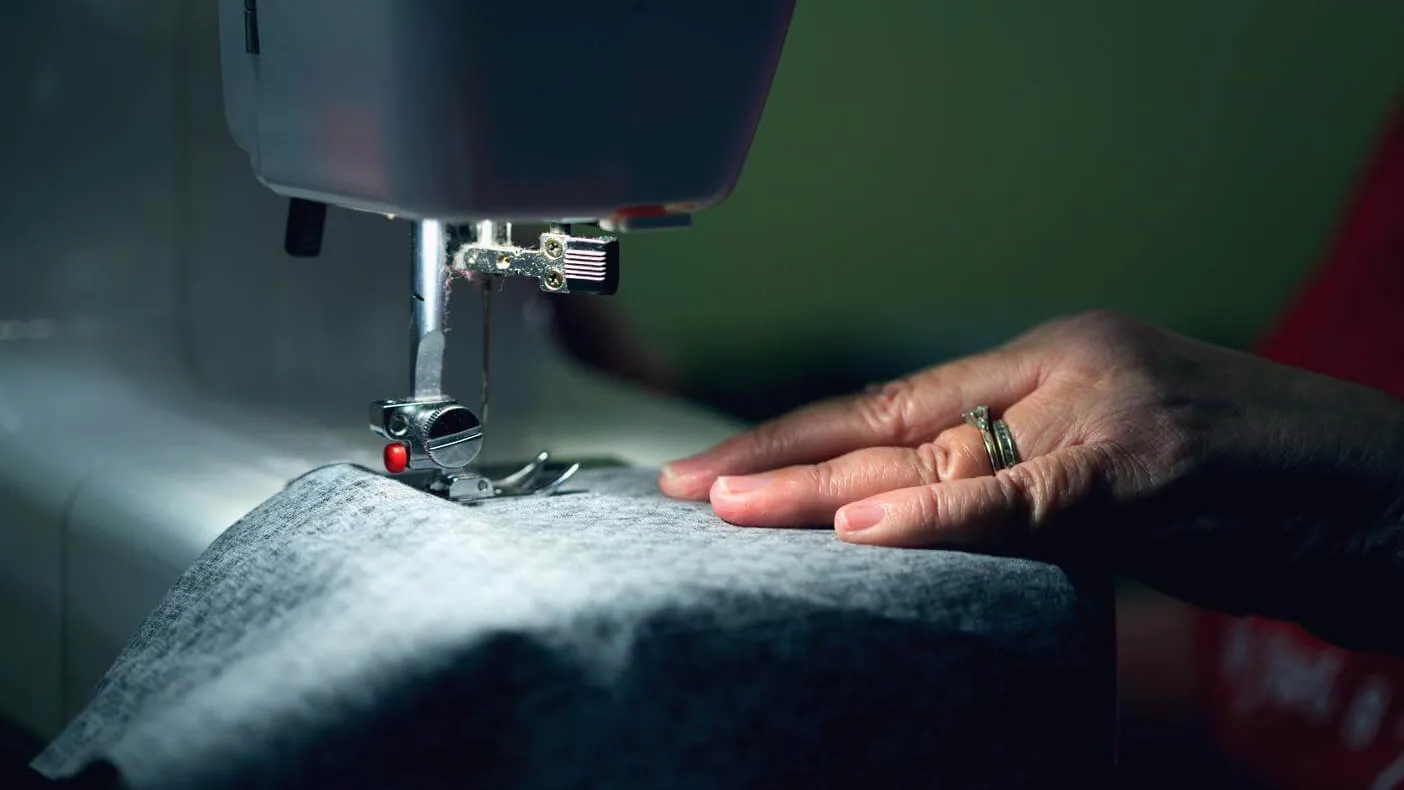
Fabric Sourcing Checklist and 3-Layer Lamination SOP
A) Sourcing checklist
Ask each mill for:
- Face fiber, denier, weave, stretch.
- Membrane type, thickness, microporous/hydrophilic.
- Backer tricot spec.
- DWR chemistry (C0/PFAS-free) and wash claims.
- MOQ, lead time, lab dips, shade continuity.
B) Lamination SOP
- Incoming roll inspection: check pinholes, edge curl, lamination. Quality checklist.
- Adhesive: PUR hot-melt default.
- Parameter logging: speed, nip pressure, adhesive add-on. Floor Manager Shu logs nip pressure every 30 minutes and quarantines edge curl.
- Cure: 24 hours minimum.
- Pre-production: peel strength and hydrostatic head spot checks.
Seam Sealing and Tape Compatibility: The Real Weak Point
A) Cycling seam map
- Shoulder seams under backpack straps.
- Upper back yoke seams.
- Hood/neck transitions.
- Zipper garages and pocket openings.
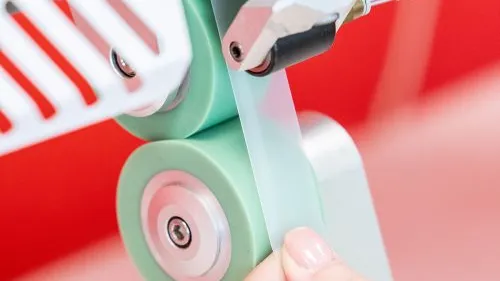
B) Hot-air tape SOP
Two temperatures:
- Bond line: 180°C–220°C to wet out adhesive.
- Nozzle: can run higher. Validate with surface temperature strips at bond line.
Specs:
- Tape width: 8 mm tight, 15 mm flat.
- Roller pressure: high crushes backer. Low leaves voids.
- Dwell: line speed × heat × pressure. Adjust speed first.
Compatibility:
- TPU tape + TPU laminate bonds well.
- Polyamide/PES tapes vary by backer.
- 2.5L print back needs different tape than 3L tricot.
Verification:
- Peel strength on seam scraps.
- Leak test at seam.
- 5 washes, then retest.
Factory Expert Q&A: Lamination and Seam Tape Failures
We asked Technician Wang, who has run our hot-air seam taping line for 12 years, three questions:
Q1: What are the top failure points in waterproof cycling membrane lamination?
Technician Wang: “Three places fail first: the shoulder seams under pack straps, the upper-back yoke, and any seam where the tape edge lands on a high-bulk fold. If the tape edge sits on a high-bulk seam, water tracks right under it after 20 minutes of road spray.”
Q2: How do you select a DWR that doesn’t compromise breathability?
Technician Wang: “We demand C0 chemistry with a verified wash claim, then validate on the sweating hot plate. A DWR that prevents face-fabric wet-out preserves the measured RET — which confirms the finish is not eating into breathability.”
Q3: What is the one seam-taping mistake that drives the most return audits?
Technician Wang: “Running a single tape width across the whole garment. An 8 mm tape on a flat shoulder seam peels; a 15 mm tape on a tight hood curve pucks. Match the tape to the seam geometry, then confirm with a peel test and a wash cycle.”
Key Benefits: Fewer Returns, Tighter SKUs, Faster Sampling
Eliminate ‘Leaking Jacket’ Returns
Separate wet-out, condensation, and true leakage in the tech pack.
- Wet-out: Specify DWR chemistry and care labels. C0 wears faster.
- Condensation: Add mechanical venting. A pit zip beats a risky RET claim.
- True leakage: Move shoulder seams off compression zones. Match the tape width to the seam — narrow on tight curves, wide on flat seams.
Manager Chen audits returned jackets: “Most ‘leaking’ jackets are dry textiles. Shoulder seam tape lifted after 20 minutes of road spray.” Fix the seam map, not the membrane.
Build Cleaner SKU Architecture
Map construction to use case before sampling:
- Emergency shell: 2.5L, 15D face.
- Training shell: 3L durable backer.
- Commuter shell: 3L soft backer, quieter hand.
Clear positioning stops buyers from blaming your brand. Our sportswear startup case study shows one founder cut support tickets by 22%.
Cut Sampling Rounds
Vague packs cause churn. One client ran 5 rounds specifying only “waterproof fabric.”
Name standards: ISO 811, ISO 11092, JIS L 1099 B1. Give ranges, not single numbers. Pre-align seam tape and settings.
A cycling client cut sampling to 2 rounds. They launched their custom cycling collection weeks earlier. For help, see our cycling apparel manufacturers guide.
🚀 Strategic Insight: Send a lab PDF, not a marketing sheet. Use Intertek for waterproof and breathability testing. It eliminates quote disputes.
Future-Proof with PFAS-Free DWR
PFAS-free C0 DWR is a selling point but an operational burden. It wears faster and needs re-application, so wet-out returns sooner — beading stops after 12 to 20 washes.
Spec C0 intentionally. Update care labels to manage expectations. The EPA PFAS overview explains regulatory pressure. Get ahead now, or scramble later.
Challenges & Limitations: Where Waterproof Breathable Hits Real-World Ceilings
Breathability Is Not Infinite
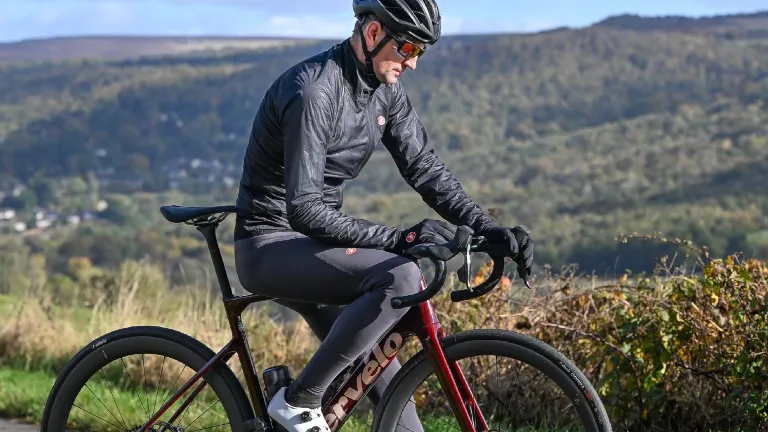
High-output cycling overwhelms any membrane. In the lab, a 3-layer stack with RET 6 still trapped moisture at sustained 200-watt efforts. Sweat output exceeded vapor transfer. A membrane with MVTR 15,000 transmits only about 625 g/m²/h.
There is also a physical ceiling you cannot engineer around. Water vapor only moves when the air inside your jacket is more humid than the air outside. On a wet day the outside air sits near 85–90% humidity, so the gradient collapses and sweat cannot escape — the same reason the industry calls “breathable waterproof” a myth.
That is why moisture-wicking base layers under the shell matter as much as the membrane itself.
The gradient problem gets worse when the wearer is stationary. In custom hunting clothing, a shell worn still for hours in a stand has almost no vapor pressure differential to drive moisture out — which is why those designs pair the membrane with generous pit zips and mechanical venting rather than relying on breathability alone.
Pit zips (20 cm+), flat-locked yokes, and non-membrane underarm panels cover the rest.
⚖️ Trade-off: More breathability, less full waterproof coverage.
Wet-Out Makes “Breathable” Feel Broken
Wet-out is face fabric saturation, not a membrane leak. C0 DWR clogs with sunscreen, oil, and grit. In our wash testing, a C0 finish lost beading after 12 cycles. The face fabric wetted out in under one minute.
🛡️ Mitigation: Show customers photos of saturated vs. beading fabric.
Delamination + Seam Tape Failure: The Expensive Problems
Root causes: wrong tape chemistry, too narrow tape, excessive heat (above 230°C damages TPU), and low pressure (edge lift).
QC gates per lot: incoming fabric roll inspection, peel tests, seam leak spot tests, and wash testing. Use our garment quality control checklist and independent third-party inspection before bulk shipment.
⚠️ Critical Warning: Do not skip the wash test. Edge lift appears after the third wash.
Sourcing Friction: MOQ, Lead Times, Color Control
Custom lab dips required 1,000 meters per color. Stock black or navy was available at 500 meters.
Lab dips take 45 to 60 days plus 30 to 45 for production. One founder missed spring after October sampling.
Start with stock colors. Align lab dips early. Lock a seasonal buy plan. One client pooled two colorways of 400 meters each into a single 800-meter run, splitting the production setup across both colors.
Conclusion: The Verdict on Waterproof Cycling Membranes
After retesting waterproof cycling membrane laminates in the lab, the recommendation is a 3-layer TPU stack with lab-verified seam tape. C0 DWR triggers earlier wet-out, so pair it with mechanical venting and clear care labels; most complaints trace back to the seam map, not the membrane.
Final Decision Checklist
Ask your supplier for:
- Full lab reports (not just “20K/20K”)
- Seam tape recommendation by laminate family
- Wash durability data
- Realistic MOQ, lead time, and color continuity commitments
If you want a membrane + seam tape compatibility review before placing bulk fabric orders, contact our team.
I receive no kickbacks from membrane mills or tape suppliers; I base recommendations on test reports, production trials, and documented failure analysis.
Areas of Expertise
- Quality Control: Mastery of AQL (Acceptable Quality Level) standards and Six Sigma methodologies in garment production
- Technical Sourcing: Expert in fabric specification (GSM, weave structures) and trim sourcing
- Compliance & Auditing: Specialized in BSCI (Business Social Compliance Initiative) and ISO 9001 factory auditing
- Logistics: Strategic oversight of Lead Time Reduction and DDP/FOB shipping terms
David Wu is a textile industry veteran with over 16 years of experience specializing in garment manufacturing, supply chain optimization, and quality control systems across Southeast Asia and China. His career is defined by implementing rigorous AQL 2.5/4.0 inspection protocols for mid-to-large-scale private label brands. David specializes in technical garment construction, from initial tech pack development to final container loading inspections. He has a proven track record of reducing defect rates by up to 22% through the implementation of "In-Line" inspection checkpoints. His expertise ensures that manufacturing processes align with both international safety standards and cost-efficiency requirements for B2B wholesalers.