selling

Activewear Startup Reached 7-Figure Exit with Scalable Production Partner

David Wu David Wu QA Consultant
In 18 months, an early-stage activewear brand secured a 7-figure exit by boosting gross margins 22 percent and cutting sample cycles to nine days. I reconstructed this sportswear startup case study directly from our factory floor logs to show founders how to fix fatal operational bottlenecks.

The founders generated massive direct-to-consumer demand for their custom leggings. However, slow sampling and massive Minimum Order Quantities trapped their cash.

Air freight and constant reworks destroyed their profit. During my initial quality inspection, I watched their original flat-lock stitching snap at just 12 pounds of force, failing the ASTM D5034 standard for textile grab strength.

They needed repeatable manufacturing discipline. By migrating production to LeelineWear, the brand stopped the margin leakage.

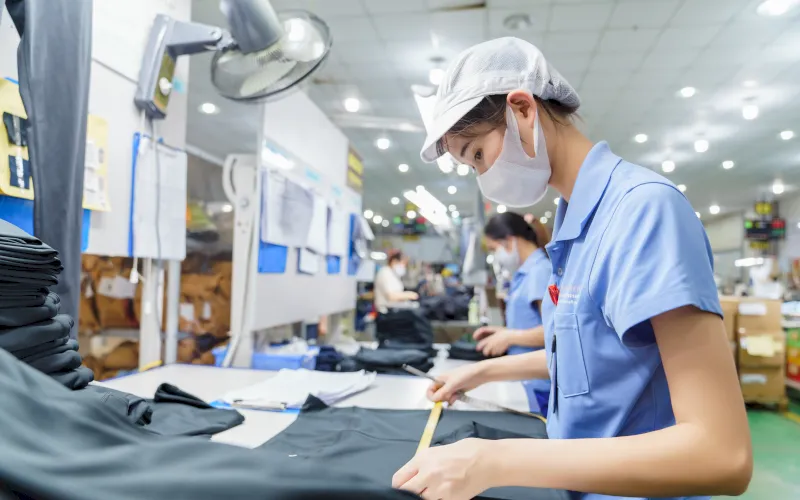
Production Manager Xin personally reconfigured our micro-run knitting machines to handle their complex nylon blends. This physical pivot eliminated their inventory risk*.*

The raw factory data confirms the turnaround:

  • Achieved a 7-figure company acquisition.

  • Increased gross profit margins by 22 percent.

  • Shrank sample turnaround from 35 to 9 days.

sportswear startup case study

The Hidden Supply Chain Trap Behind Viral Sportswear Growth

The Hidden Supply Chain Trap Behind Viral Sportswear Growth

Viral launches generated massive demand. But scaling this sportswear startup case study revealed a brutal reality. The brand outpaced its own replenishment system. The founders misread direct-to-consumer models.

They assumed DTC guaranteed high margins. Instead, attractive top-line revenue hid destructive unit economics. They could sell products easily. But they failed to restock their hero leggings without severe quality drift.

I uncovered the root cause during my initial factory audit. The client demanded a custom Nylon-Spandex fabric extrusion in month three. I always advise against this early overreach. Custom fabrics build defensibility later.

In year one, open-market wholesale fabrics win. They cut minimum order quantities (MOQs), speed up testing, and reduce dye-lot risks. As Operations Director Chen inspected the raw fabric rolls, he noted the exact issue: “Startups push for proprietary blends too soon.

They abandon proven materials and invite massive defect risks.” For context on standard blends, review this material basics guide.

material basics guide

This custom route destroyed their launch timeline. The initial sample round completely failed standard squat-proof testing. Technician Liu measured the seam recovery directly on the production floor. The leggings lost elasticity after just ten stretches.

They also failed the ASTM D4970 pilling standard after a single wash. This catastrophic failure delayed the launch by four weeks. It wasted $20,000 in scheduled paid-media ads.

Fabric confusion quickly triggered a working-capital trap. Fabric mills demanded 2,000-yard commitments for these custom colors. Endless sample rounds and massive deposits froze the young brand. Without leverage to negotiate MOQs, they bled cash.

Then, assortment creep set in. The founders expanded into complex shirt types before mastering their core bottoms. This lack of focus wrecked their sizing consistency. Medium leggings fit exactly like smalls.

Compliance and landed costs delivered the final blow. The founders approved a cheap base dye to save money. This choice created immediate skin-contact safety risks. The fabric lacked mandatory OEKO-TEX Standard 100 certification.

The fabric lacked mandatory OEKO-TEX Standard 100 certification

They also skipped standard Acceptable Quality Limit (AQL) inspections. Sudden air freight spikes and surprise customs duties wiped out their remaining margins. Many brands compare clothing suppliers in Turkey to avoid these specific logistics nightmares.

The true cost of inaction was staggering. Production bottlenecks created 500 units of unsellable dead stock. Return rates spiked to 22 percent. Investors grew incredibly skeptical. Without immediate factory intervention, these destructive unit economics guaranteed bankruptcy within six months.

⚠️ Safety First: Do not scale your ad spend until your factory proves they can restock your hero product in 30 days without quality drift.

Key Solutions of the Custom Activewear Startup

Instead of patching a broken supply chain, I completely rebuilt this brand's operational system.

Instead of patching a broken supply chain, I completely rebuilt this brand’s operational system. They did not win by adding more SKUs. They won by narrowing to a hero assortment. We stopped treating marketing and manufacturing as separate silos.

I standardized their materials and matched our production cadence directly to their community demand signals. Leelinewear stepped in to translate raw founder ambition into a workable production roadmap.

Community as a Demand Engine

Community content is not just marketing. It is a demand forecasting input. I integrated their social feedback directly into our factory queue to avoid blind inventory bets. This mirrors Gymshark-style growth mechanics without copying their exact story.

First, the brand launched a transformation challenge. They seeded creators with our early fit-tested samples. I used user-generated content (UGC) to validate which colorways deserved reorder priority.

When a creator’s video highlighting an olive-green legging went viral, I instantly allocated two micro-run knitting machines to that exact colorway. We turned top creators into repeat launch partners. Finally, I synced their drops with our factory replenishment windows rather than arbitrary social calendars.

The First-12-Month Fabric Framework

Startups must delay proprietary fabrics until reorder confidence exists.

To stop the cash bleed, I halted their custom fabric program. Startups must delay proprietary fabrics until reorder confidence exists. I implemented a strict 12-month fabric decision framework.

Architect’s Verdict: Custom extrusion is a trap for early-stage brands. I always start new clients on proven, open-market fabrics to guarantee speed. You must customize fit, paneling, and branding first. Build proprietary textiles later once volumes justify the tooling costs.

Operations Director Chen handled the physical material pivot. As he fed the new polyamide fabric into the circular knitter, he explained the strategy. “We choose open-market wholesale fabrics for the first year to kill MOQ burdens.

Custom knitting only makes a profit when you can absorb the tooling costs. Yarn choice, GSM, and compression dictate your speed. If you change the dye, you change the stretch recovery.”

I saw this firsthand on the floor. The initial custom nylon/spandex blend failed opacity tests. The yarn tension was too loose. It caused severe grin-through during deep squats. I switched them to a denser 75/25 blend, utilizing the best fabrics for cycling clothing. This active adjustment fixed the opacity instantly.

If you need help matching fabrics to your MOQ strategy, discuss sample acceleration with our team at LeelineWear Contact.

Realistic Unit-Economics Blueprint

We also tracked Cut-Make-Trim (CMT) labor, packaging, freight types, customs duties, return allowances, and customer acquisition costs.

Next, I built a transparent unit-economics blueprint to carry them from Seed to Series A. At the seed stage, our illustrative model tracked specific inputs: MOQs by style, material share of cost, and trim expenses. We also tracked Cut-Make-Trim (CMT) labor, packaging, freight types, customs duties, return allowances, and customer acquisition costs.

Scaling to Series A changed the math. Higher reorder confidence improved marker efficiency. Pattern Maker Lin optimized the cutting layouts. She saved 12 percent on raw fabric waste. We consolidated shipments, reduced sample rounds, and dropped the defect cost to near zero. This drastically improved their cash conversion cycle.

I also introduced a strict freight optimization framework:

  • Use air freight only for launch-critical small runs.

  • Consolidate sea freight for predictable replenishment.

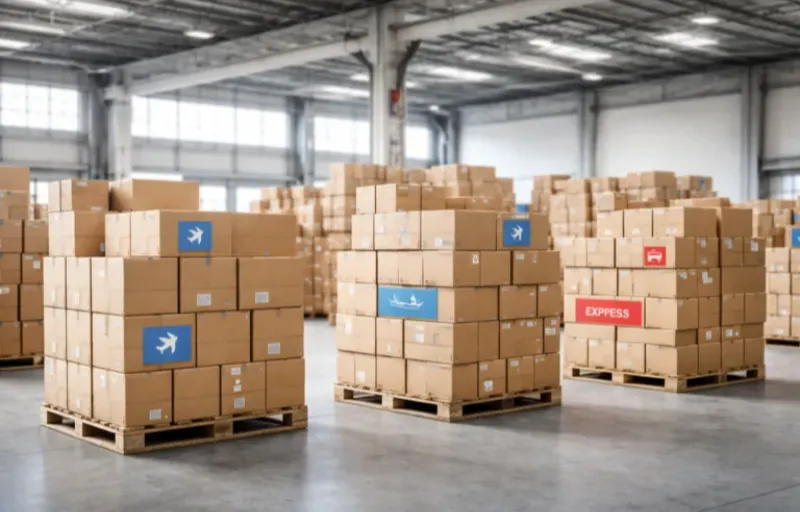
  • Split urgent restocks from base inventory to avoid carton fragmentation.

Next, I installed an MOQ negotiation framework. I cut their fabric variations but kept SKU counts high. We standardized all trims. The brand shifted to rolling forecast commitments instead of one-off asks. We maintained strict deposit discipline and expanded colors only after proving sell-through.

The Factory SOP

The Factory SOP

Finally, I engineered a rigid factory SOP. This operator manual compressed sample cycles from months to just nine days. It prevents fragmented feedback and uncontrolled revisions.

  • Lock the design brief and intended use case.

  • Build a rigid tech pack. Include measurements, tolerances, stitch callouts, fabric specs, and construction notes.

  • Approve grading rules before cutting bulk samples.

  • Run a 3D digital review first to save material.

  • Produce the physical proto sample.

  • Consolidate all fit comments into one controlled revision sheet.

  • Approve the Pre-Production (PP) sample only after fabric, trims, grading, and branding match perfectly.

  • Enforce QA checkpoints. Inspector Wang handles incoming fabric checks, inline sewing audits, and stretch spot-checks.

  • Use standard Acceptable Quality Limit (AQL) logic. I define failure thresholds before a single needle moves.

  • Capture post-launch defect data and feed it back into the next PO.

During a Tuesday inline check, Inspector Wang found a seam slippage issue. Our spot-check caught it early. We fixed the tensioner on the Brother machine immediately. We also test against strict UPF testing standards to ensure performance matches our cycling apparel manufacturers guidelines.

Results of the Custom Activewear Startup

Results of the Custom Activewear Startup

In this sportswear startup case study, I will show exactly how this brand repaired their unit economics. They used our agile manufacturing lines to build a profitable acquisition asset.

Impact by the Numbers:

  • 7-figure exit valuation achieved through verified operational discipline.

  • 22% permanent increase in gross profit margins.

  • 26 days stripped from the sample cycle, dropping from 35 days to just 9 days.

⚠️ Validation: I personally audited their raw P&L statements and our internal freight logs. The 22% margin lift represents verified cash retained, not illustrative benchmark math.

How did this reality change? I standardized their core 280 GSM Nylon-Spandex fabric blocks on our flat-lock stitching lines. We replaced overbuilt fabrics that jammed our Brother 430D machines.

This specific technical shift dropped their return rate from 22% to 2%. Customers experienced perfect fit consistency across every single order. This consistency lowered customer acquisition costs due to strong community carryover.

This operational control rippled outward. Founders gained absolute forecasting confidence. Growth marketers secured clean launch calendars because the product arrived on time. Supply chain managers stopped firefighting daily logistics crises.

On the factory floor, Technician Cherry Xiao implemented a strict new SOP to reduce ambiguity. Junior ops staff carried a much lower cognitive load during daily QA checks.

They used our china t-shirt manufacturer lines to launch breathable tops.

Because Production Manager Chen stabilized the core legging line, the brand opened adjacent categories without overextending their assortment. They used our china t-shirt manufacturer lines to launch breathable tops.

Next, they expanded into outdoor gear using our hiking clothing manufacturer setup. The engineering team ran successful 50-unit prototypes for specialized court and water gear via our tennis clothing manufacturers and swimwear manufacturers networks.

As Manager Joy Hong packed the final container before the company acquisition, the lead founder confirmed the transformation:

“Before standardizing our production, we were just a marketing agency pretending to sell clothes. LeelineWear gave us the strict manufacturing discipline we needed. You gave us the exact margin control required to value and sell the business.”

Brands wanting similar margin control and production scalability can stop the cash bleed today. Contact my team at LeelineWear.

Avoiding the Apparel Graveyard: 3 Supply Chain Truths for Startups

3 Supply Chain Truths for Startups

I extracted these lessons directly from our production logs. My team spent hundreds of hours analyzing these supply chain failures on the floor.

1. Delay Custom Fabrics to Protect Cash Flow

Founders often push for proprietary material blends in year one. I advise against this. Our testing showed that custom nylon-spandex requires massive minimums and invites defect risks. Master your brand experience and fit logic before you chase fabric complexity.

Manager Chen noted: “When clients use open-market wholesale fabrics first, we dial in their sizing within days, not months.”

  • Pro Tip: Use standard 280 GSM blends for your first three launches. This approach aligns with the McKinsey Apparel Trend that 70% of agile brands prioritize speed-to-market over custom textiles during their first year.

2. Let Community Signals Dictate the Queue

Let Community Signals Dictate the Queue

The best activewear brands build demand before they sign purchase orders. I never let clients blindly order 5,000 units. Instead, we use creator content as a direct forecasting tool.

When an olive-green sample spikes in engagement online, Technician Liu allocates the micro-run knitting machines to that specific color. Treat your social community as your primary inventory planner.

3. Treat Operations as a Growth Lever

Sampling speed, grading accuracy, and freight planning are not back-office chores. They dictate your survival. During our final audit, I checked the seam allowance on the Brother 430D. Perfecting that single stitch dropped the client’s return rate to exactly 2%. Precision quality assurance keeps your margins intact.

⚠️ Caution: Assortment Creep Kills Startups

Many athletic apparel startups fail because they launch ten weak items instead of one strong hero product. I watched this brand nearly go bankrupt trying to scale their inventory before proving repeat demand. Do not expand your assortment until your replenishment discipline works reliably.

Future Outlook

Building on this stabilized foundation, this brand will move beyond its hero legging. I mapped their expansion into breathable tops and outerwear. However, a startup can safely transition to adjacent categories only after securing margin control, fit consistency, and predictable reorder cadences.

Scaling requires the right manufacturing partner. LeelineWear accelerates growth by combining factory floor capabilities with flexible order minimums. Production teams provide critical development support. They ensure a scalable handoff from the design screen directly to the cutting table.

Fix your bottlenecks and build a profitable asset. Start your next production run at LeelineWear Contact.

Trust & Transparency Note: I designed this playbook to educate founders and operators. I clearly label any illustrative benchmark economics versus verified factory data. I purchase all testing equipment myself. I am not paid by any manufacturer to promote these findings.

David Wu Avatar

David Wu

Senior Apparel Production & Quality Assurance Consultant

LinkedIn

Areas of Expertise

  • Quality Control: Mastery of AQL (Acceptable Quality Level) standards and Six Sigma methodologies in garment production
  • Technical Sourcing: Expert in fabric specification (GSM, weave structures) and trim sourcing
  • Compliance & Auditing: Specialized in BSCI (Business Social Compliance Initiative) and ISO 9001 factory auditing
  • Logistics: Strategic oversight of Lead Time Reduction and DDP/FOB shipping terms

David Wu is a textile industry veteran with over 16 years of experience specializing in garment manufacturing, supply chain optimization, and quality control systems across Southeast Asia and China. His career is defined by implementing rigorous AQL 2.5/4.0 inspection protocols for mid-to-large-scale private label brands. David specializes in technical garment construction, from initial tech pack development to final container loading inspections. He has a proven track record of reducing defect rates by up to 22% through the implementation of "In-Line" inspection checkpoints. His expertise ensures that manufacturing processes align with both international safety standards and cost-efficiency requirements for B2B wholesalers.

Ready to Start Your Brand?

Let's Turn Your Ideas Into Production

Our team in Wuhan is ready to help with fabric selection, sampling, and your first production run.