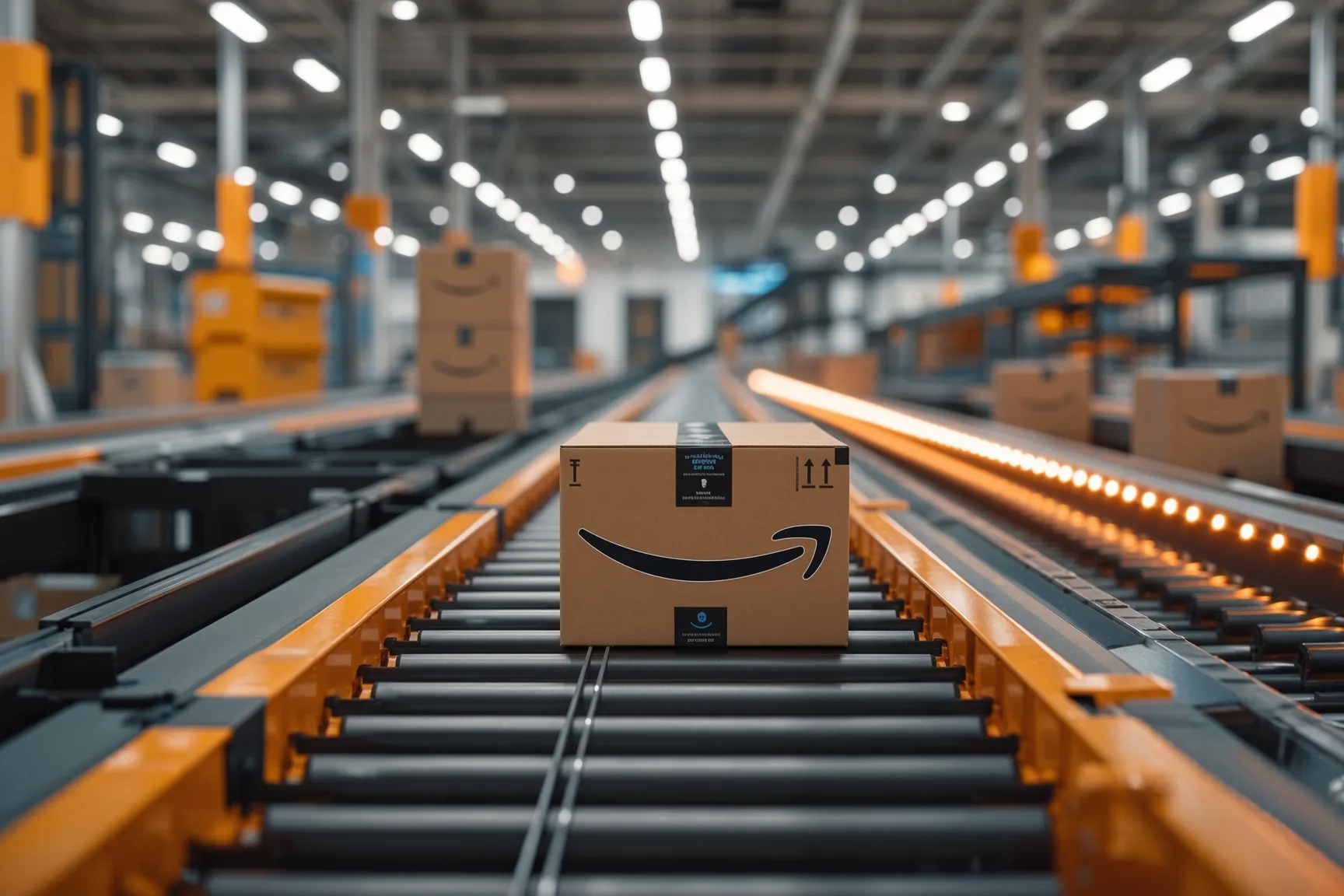
FBA Inbound Risk Prevention & Replenishment-First Manufacturing
Test small. Validate fast.
Restock before your ranking resets.
Amazon FBA private label manufacturing built around inbound risk prevention and replenishment-first production: low-MOQ test orders, FBA-ready packaging, statistical quality control, and replenishment scheduled ahead of reorders — listing idea to the fulfillment center dock.
What We Make
Custom Sportswear, Built for Online Sellers
LeelineWear is a sportswear manufacturer in China — with in-house pattern making, laser cutting, seamless knitting, and digital sublimation, plus cut-and-sew production, sample to packaging.
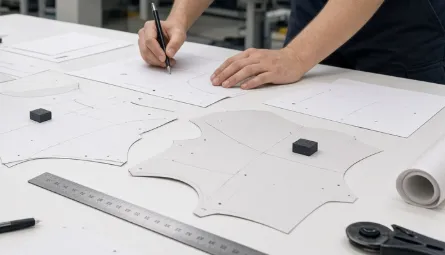
In-House Pattern Making
Patterns are developed in-house, starting with a tech pack or reference — no third-party handoffs.
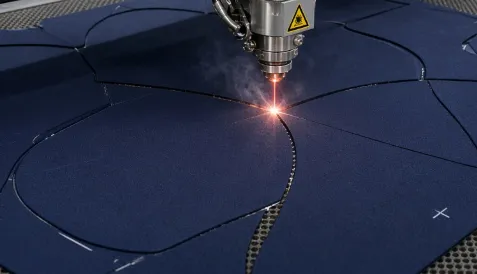
Laser Cutting
Laser-guided cutting keeps panels consistent across the whole run.
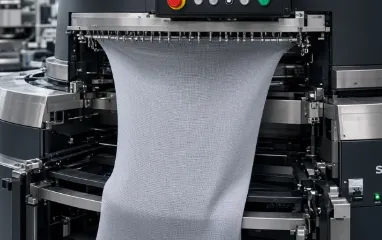
Seamless Knitting
Seamless knit construction for fewer weak points and faster finishing.
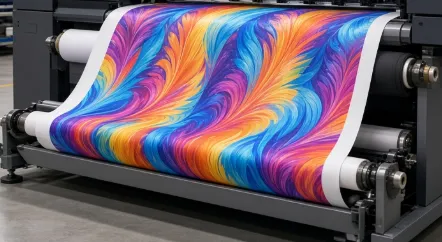
Digital Sublimation
All-over print with unlimited colors, embedded into the fabric — no per-color setup.
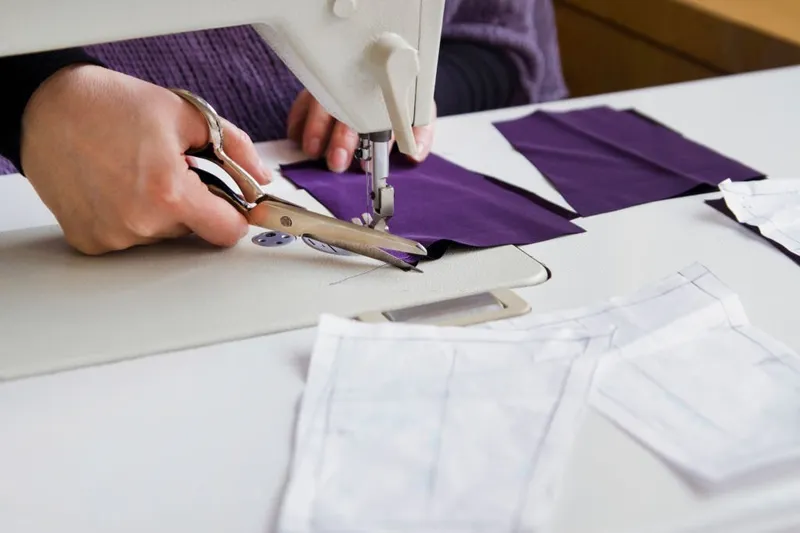
Cut & Sew Production
Full cut-and-sew, sample approval to packed cartons, on in-house lines.
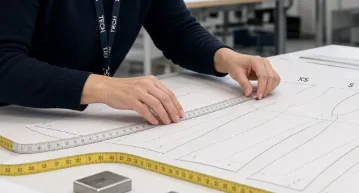
US/EU Size Grading
Sizing graded to US/EU markets so products fit local buyers, not domestic grading.
Private-label performance wear is produced for online sellers — on Amazon FBA, Shopify, or their own storefront — across yoga and training gear, cycling, team sportswear, swimwear, and golf and outdoor pieces.
The FBA Journey
Five Stops Between Idea and FBA Inbound
Each stop is a place where orders fail. Tap a stop to see the problem, the insight, and the fix — or jump ahead to the stage that fits you.
“You chose a big first batch off a bestseller list — and it sits unsold in Amazon's warehouse, or gets delisted because a care label lacks the country of origin.”
Procurement Insight
Compliance is a hard gate, not paperwork: CPSIA/CPSC, FTC fiber and care labels, flammability. Ask about lab testing before price — a factory that prints generic labels and has never run a test is selling a future delisting.
Ask These Questions Before Ordering a Single Unit
Before price, ask what tests run per order, which standards they map to, and for the last three clients' test reports — unredacted.
- Validate a product against marketplace search demand prior to buying inventory
- Confirm compliance for the target market ahead of sampling
- Lab-tested materials and finished goods, with reports included
“Your sample arrives four weeks late, the wrong shade, and two sizes off — while the factory says it will "fix it next round" and the launch window closes.”
Procurement Insight
Samples share capacity with bulk in most factories, so yours queue behind mega-runs. Ask: "Do samples share capacity with bulk?" and "Is the physical sample the approval gate?"
Physical Sample Approval Before a Single Bulk Unit Is Cut
The sample is the contract — the color, drape, and measurements every bulk unit is matched against. Confirm in writing that the approved physical sample is the gate.
- Samples run on a dedicated studio, not shared with bulk production
- Iterate until the sample matches the approved spec
- The approved physical sample is archived and used to match reorders
“Batch one was fine. Batch two was darker, looser, and longer. Customers noticed, negative reviews followed, and your ranking dropped.”
Procurement Insight
Quality drift is an unmeasured factory, not a bad one. Ask: "To what standard is the order inspected — and is the report shown before shipping?"
Statistical QC on Every Order — Approve Before Dispatch
AQL 2.5 pulls a defined sample and compares it to the approved spec — chest, length, color, stitching — then shares the report prior to dispatch.
- Each order is measured against the approved spec — not a visual once-over
- QC photos and reports are shared for approval before dispatch
- Fewer than 0.3% of units required remakes or refunds after delivery
“The shipment was rejected at the fulfillment center — thin poly bags, no suffocation warning, carton labels without the FNSKU. Inventory stranded, storage fees piling up.”
Procurement Insight
Prep rejection is a spec never spelled out: suffocation warnings, scannable barcodes, FNSKU carton labels. Ask every supplier: "What is the FBA rejection rate?"
FBA-Ready Packaging and Labeling — Built to Pass Inbound
A written packaging standard covering bag thickness, barcode placement, carton labeling, and palletization — so the inbound that worked last month is the standard repeated this month.
- Poly bags at least 1.5 mil with suffocation warnings, packed to Amazon inbound requirements
- Units are barcoded and FNSKU-labeled before packing
- Carton labels matched to the FBA shipment plan
“A bestseller sells out in three days, but the reorder takes two months. Or the order over-buys and racks up long-term storage fees. Either way, inventory works against you.”
Procurement Insight
Stock-outs and overstocks are the same mistake: inventory decisions without a replenishment plan. Ask: "What is the reorder lead time?" and "Can capacity be reserved for a restock?"
Replenishment Scheduled Into the Production Plan
Reorder slots are planned ahead, split across the marketplaces where the SKU is winning, and ship DDP with duties and freight included in the quote.
- Restock Reserve — production capacity set aside ahead of reorders
- Split deliveries across marketplaces
- Scale proven winners to 50,000 units under the same inspection standard
How the Process Works
From Product Brief to FBA Inbound
Five steps from product brief to stock that arrives FBA-ready and stays in stock.
-
 01
01Product & Compliance Brief
A product brief sets the spec; compliance (CPSIA/CPSC, FTC fiber and care labels, flammability) is mapped to the target market.
-
 02
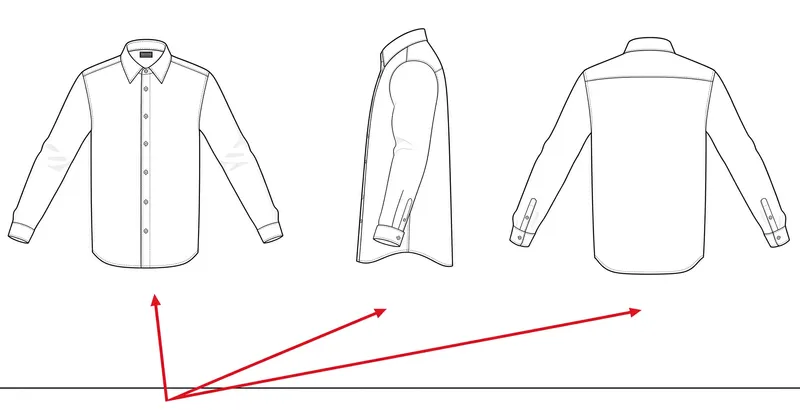
02Tech Pack & Physical Sample
Design files become a production-ready tech pack, and a dedicated studio produces the physical sample for approval.
-
 03
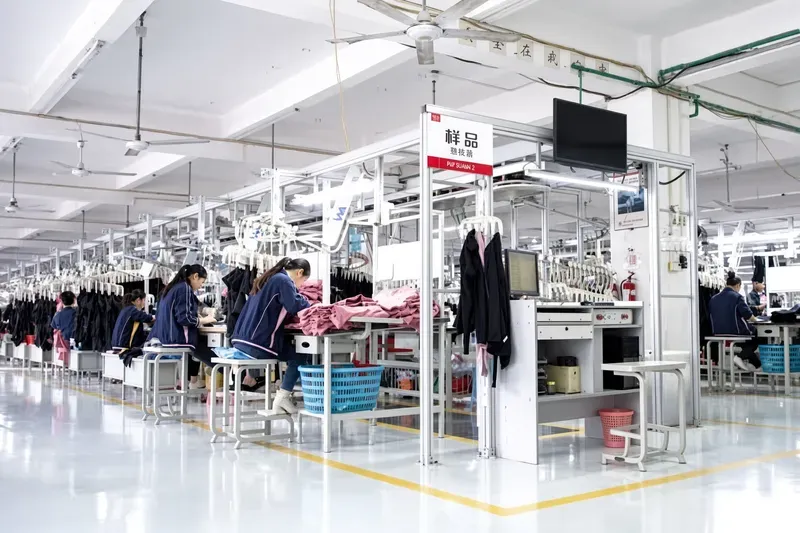
03Bulk Production & Statistical QC
Production is scheduled to the inbound date, and orders are inspected against the approved sample under a documented sampling plan.
-
 04
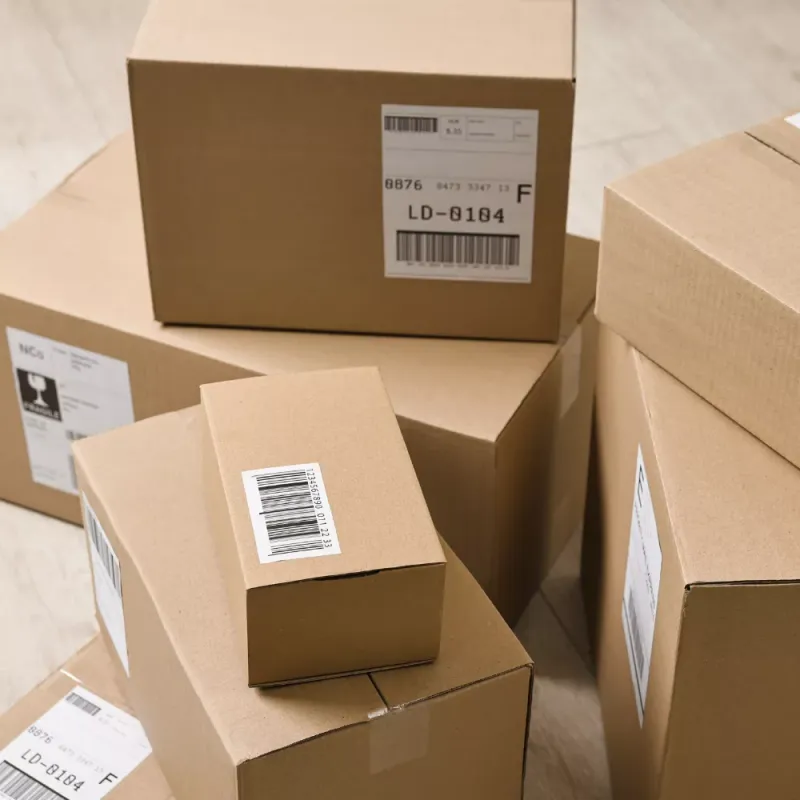
04FBA Prep, Labeling & DDP Ship
Suffocation warnings, unit barcodes, and FNSKU labels are applied, cartons are labeled to the shipment plan, and freight ships DDP.
-
 05
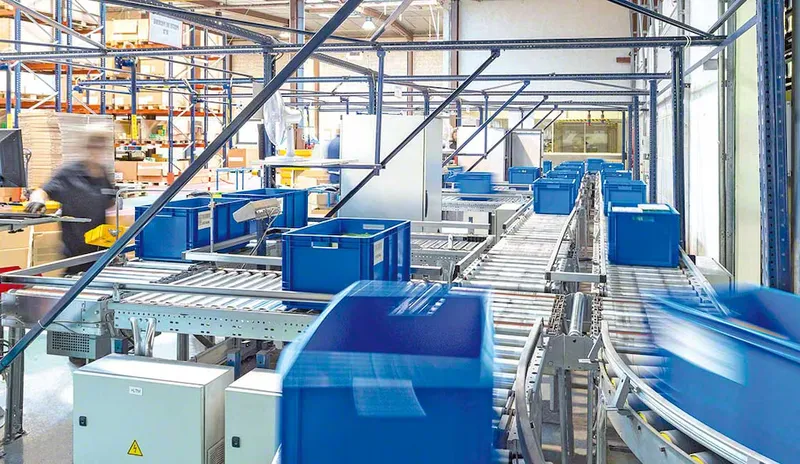
05Replenishment
Proven winners get reorder slots in the production schedule, so a restock arrives before stock runs out.
Know the Options
Production Models & Who Handles FBA Prep
The right production model depends on the seller's stage — and so does who owns the inbound spec. Compare both below.
Production Models at a Glance
| Criterion | Low-MOQ Manufacturing | Print-on-Demand | High-Volume Factory |
|---|---|---|---|
| Minimum order | Low — test-run sized | None | Very high |
| Cost per unit | Mid | Highest | Lowest |
| Labels & packaging | Full | Limited | Full |
| Test a new design | Weeks | Days | Months |
| Scale a proven winner | Same QC at scale | Margins capped | Yes |
| FBA inbound prep | Included | Separate | Manual |
Who Owns FBA Prep — In-House vs General Factory vs 3PL
| Criterion | In-House FBA-Ready | General Factory | Factory + 3PL Prep |
|---|---|---|---|
| Inbound spec ownership | In-house team owns the spec | Not included — arranged separately | 3PL handles on the seller's behalf |
| FNSKU & suffocation labeling | Applied on the production line | Must be sourced separately | Applied by the 3PL |
| Rejection accountability | Written into the agreement | Split between factory and seller | Split between factory and 3PL |
| Inbound timeline | One workflow, no extra step | Plus separate prep lead time | Plus 3PL scheduling |
| Prep cost | Included in the quote | Separate vendor cost | Per-unit 3PL fee |
Compare independently: ask any factory for its documented FBA prep spec and past inbound records before deciding. These tables show where responsibility sits — not a guarantee of any single outcome.
What It Costs & When
MOQ, Lead Times, and What Drives Unit Cost
So the offer can be evaluated, not just the headline. Sampling and production windows depend on fabric availability and seasonal load, and are stated per order — in writing on the quote.
Test order
low MOQ per style
Split across colorways. Highest unit cost — the trade-off for validating before committing.
Product validation, listing photography, market testing
Scaling order
500–2,000 units
Unit cost drops as setup costs spread across more units.
Proven SKUs, seasonal builds, FBA bulk
Replenishment
2,000–5,000+ units
Lowest per-unit cost; raw material pre-stocking available.
Bestseller restocks, multi-marketplace rollout
What drives unit cost
-
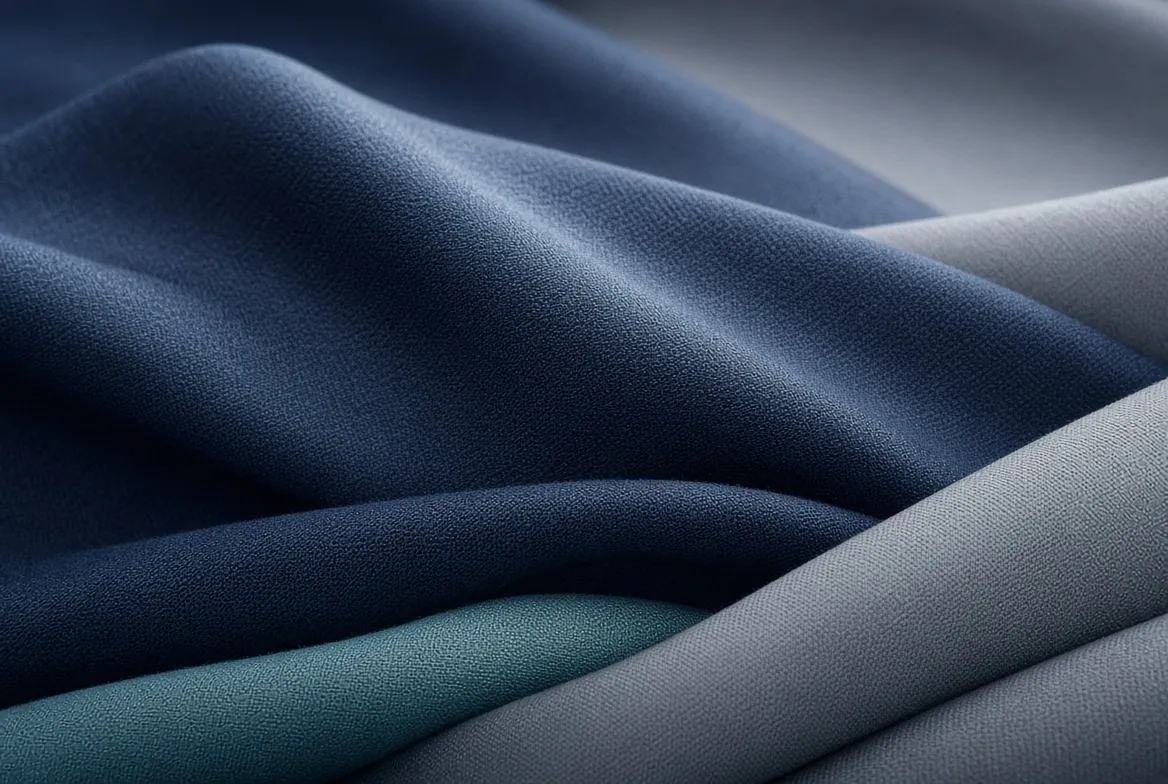
Fabric: Performance and specialty fabrics cost more per meter; stock fabrics keep unit cost down.
-
Trim & hardware: YKK zippers, silicone grippers, and custom buttons add a small per-unit cost.
-
Decoration: All-over sublimation is included per panel; embroidery and screen printing add per-placement cost.
-
Order size: Setup — pattern, cutting, and QC — spreads over more units as volume grows.
-
Packaging: FBA-ready poly bags and labels are included; retail boxes and hang tags add cost.
How a quote works
- 1. Send a product brief or reference photo.
- 2. A per-unit quote is returned broken down by fabric, labor, decoration, packaging, and freight.
- 3. Sampling starts only after the spec is confirmed — and the quote is held to the agreed volume tier.
Why Sellers Trust the Numbers
A Supply Chain You Can Audit
Aggregates across production, QC, and shipping records — published to be evaluated the way any supplier should be.
Figures measured across 150+ active ecommerce client accounts, January 2022 – June 2026, from production, QC, and shipping records. Definitions and the audit path are on the fact-checking page.
Client Outcomes
What Sellers Have Done With the Same Process
Two examples from production, QC, and shipping records. Clients start with a small first run sized to what they can afford to learn from.

Case 01 — Evolve Fit Wear, Amazon FBA seller, US
Test order to winning colorway
The challenge
A private label seller wanted to enter yoga leggings on Amazon but had no manufacturing background and did not want to tie up cash in an unproven design. Earlier sourcing attempts came back with minimums far above what they could risk, and they were wary of fit issues — the most common driver of negative reviews and returns in the category.
What we did
The project started with a reference photo and rough specs, with compliance and US/EU sizing mapped up front. A 120-unit test ran across 3 colorways on the same lines that would later handle the reorder; the pre-production sample was approved prior to bulk cutting, and QC photos were shared for sign-off.
The result
The winning colorway now reorders at 1,800 units/month under the same inspection standard. First-order sell-through reached 71%, and the seller scaled a single test into a recurring reorder without changing factories or renegotiating the quote tier.

Case 02 — NcmRyu, multi-marketplace seller, US + UK
Sizing returns down after re-grading
The challenge
The same product was listed on Amazon US and UK, but size-related returns were high because products used standard domestic grading — a "medium" did not fit a US or UK buyer the same way. Every return cost shipping and a refund, and each poor fit often turned into a review that hurt ranking.
What we did
The size chart was re-graded to US/EU standards with dual inch and centimetre measurements, then used as the reference for production and every QC check before dispatch.
The result
After re-grading, size-related returns dropped from 16% to 4.1% in one quarter. Reorder lead time after sample approval is 21 days, so the seller can restock within the same selling season instead of sitting through a stock-out.
Metrics drawn from production, QC, and shipping records. See more on the case studies page.
Independently Audited
Certified. Not Self-Declared.
Each certification below is independently audited by a third party, with certificates shared on request.


Common Questions
FBA Questions Sellers Ask Before Sourcing
Straight answers to the questions that decide whether a supplier can keep a winning listing in stock.
Keep Exploring
Related Solutions & Resources
More solutions for ecommerce brands — from the first product to a full production partner.
Private Label for Emerging Brands
Start small per style, fast sampling, and full brand identity production for first-time founders.
Explore →Activewear Manufacturing & Fulfillment
Test-and-scale manufacturing with platform-compliant packaging for Amazon, Shopify, and cross-border sellers.
Explore →Creator & Influencer Merch Launch
Scaled merch production for established creator brands, with per-volume pricing at every tier.
Explore →Not sure which page to use? Selling primarily through Amazon FBA — start with this page. Selling activewear across multiple channels — use the Activewear Manufacturing & Fulfillment page instead.
The next step costs nothing.
Send a product brief. Get an FBA production plan within 24 hours.
Receive a compliance check, sample timeline, QC standard, and per-unit pricing based on the product. No commitment. No pressure. Just the data needed to make a sourcing decision.