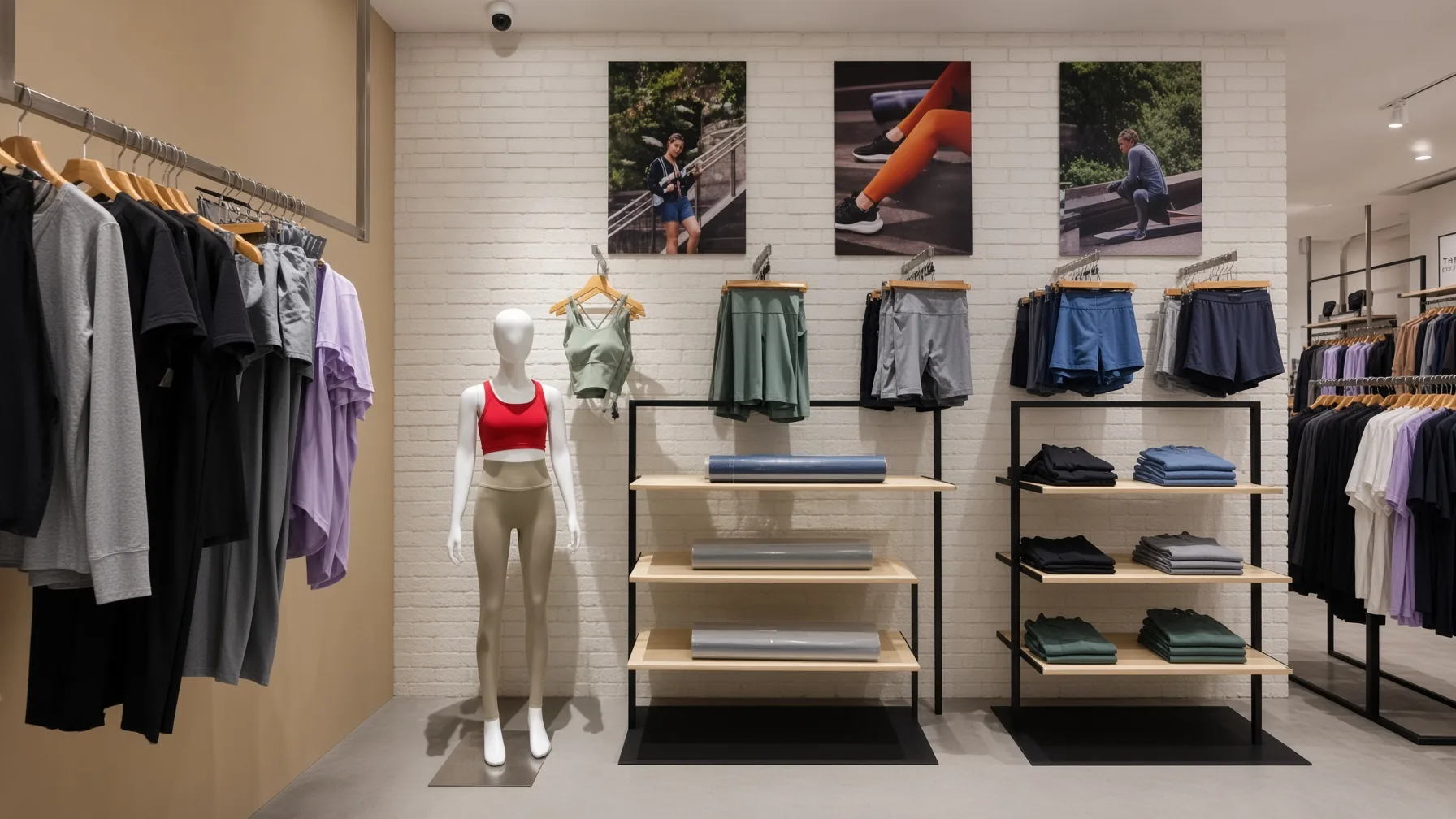
Boutique Sportswear & Athletic Brands
Small-Batch, High-Craft Manufacturing for Boutique Sportswear Brands
Your customers buy sportswear for how it performs — the fabric that wicks, the fit that moves. The factory you pick decides whether they reorder. Sportswear boutiques don’t need a volume mill; they need a partner that treats performance data, movement fit, and a 100-unit technical drop with the same care as a 50,000-unit run. Send your technical spec today — your production plan returns within 24 hours.
How We Solve Them
Four Sourcing Problems. Four Specific Fixes.
Each of the four problems has a concrete countermeasure — open one to see why it happens in the industry and the criteria to put to any factory you shortlist, this one included. The goal is not to persuade you; it is to give you a way to separate a genuine capability from a volume promise.
Solution #1
“You sell “technical” — moisture-wicking, 4-way stretch, UPF 50+. The factory sends a generic polyester that wicks for twenty minutes and stays wet. Your customer returns it, and the return is yours to explain.”
Procurement Insight
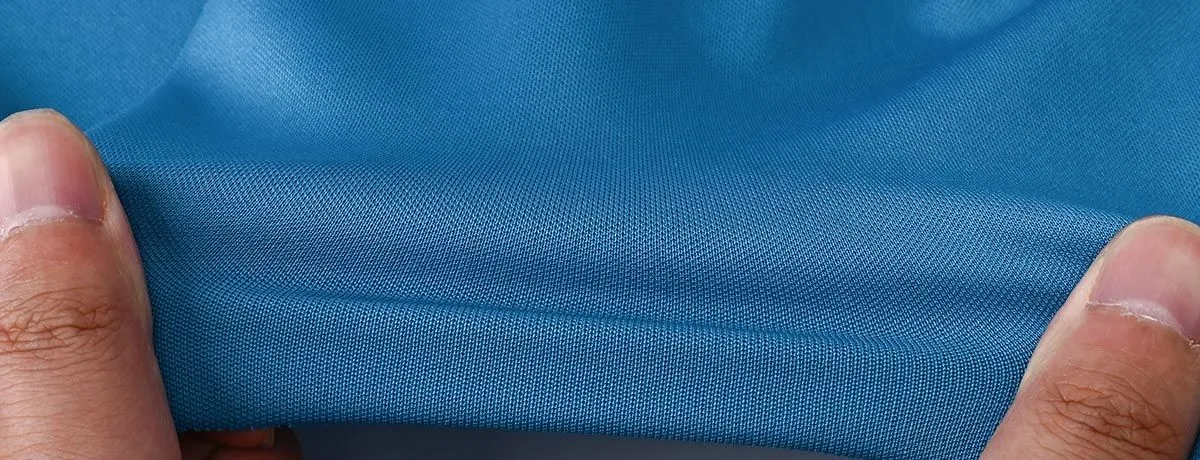
In sportswear, a fabric’s performance is a measurement, not a claim. Moisture-wicking is a transfer time in seconds; stretch is a recovery percentage; UPF is a rating. Most fabrics sold as “technical” are stock polyester re-labelled — the mill sells it as sportswear-grade, the factory repeats it, and the claim survives until your customer sweats. The question is not what the fabric is called. It is which numbers come with it — and whether those numbers are test results or adjectives.
Testable Technical Specs, Not Marketing Words
Ask any factory for the numbers: moisture-management transfer time, stretch and recovery percentage, UPF rating, colour fastness to sweat and chlorine. We write these into the spec for every performance style and back them with fabric test reports before a meter is cut — so “technical” is a measurement, not a claim. See the fabric board below ↓
- Moisture transfer, stretch recovery, and UPF written into the spec as numbers, not adjectives
- Colour fastness to sweat and chlorine — not just water
- Fabric test report before a single meter is cut

The Material Board
Fabric & Finish Library — What Premium Feels Like
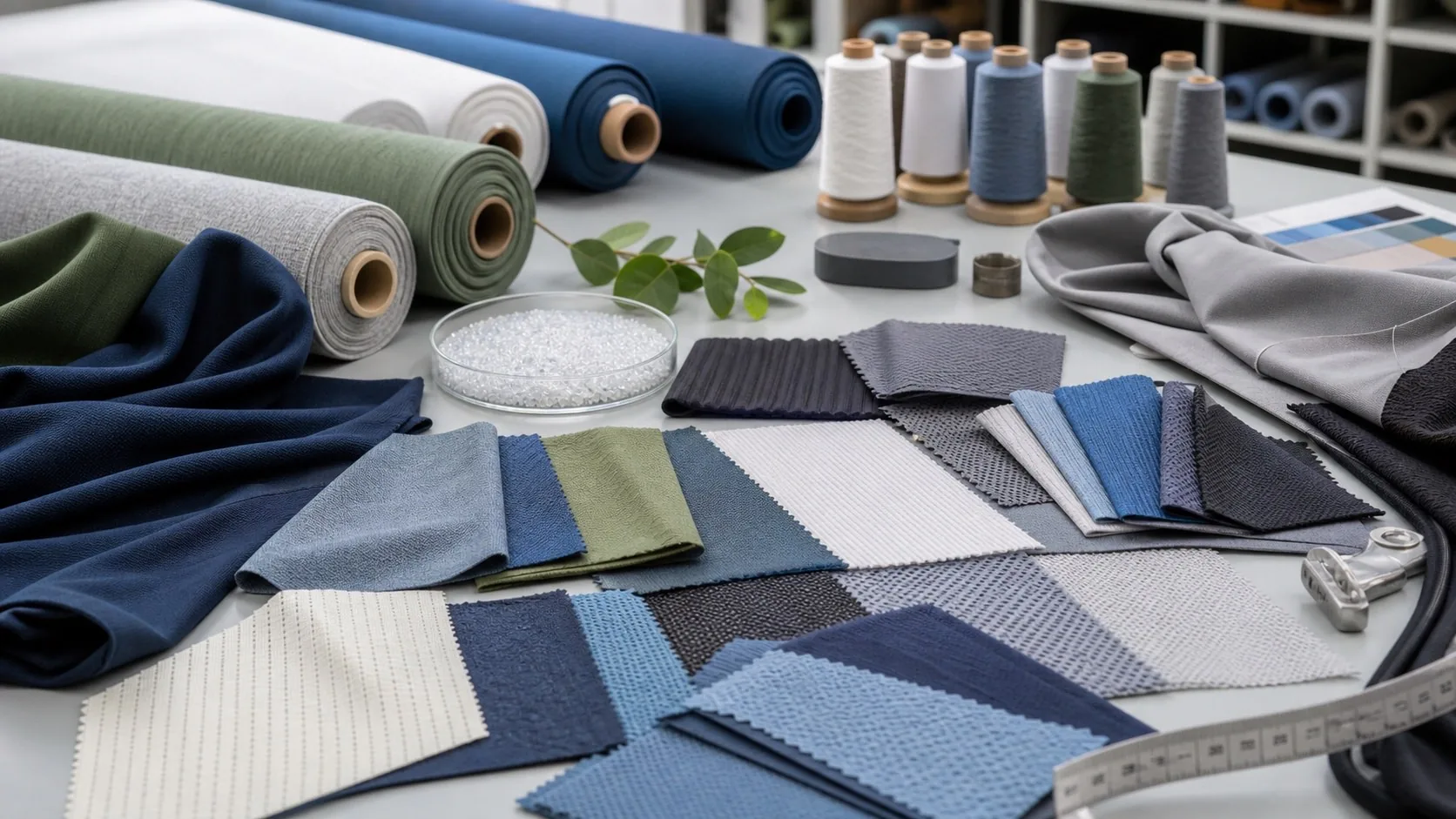
Before you commit to any fabric, know the hand you are paying for. Four premium fibres you can specify in boutique quantities — and the finishing numbers that prove the quality is real, not implied.
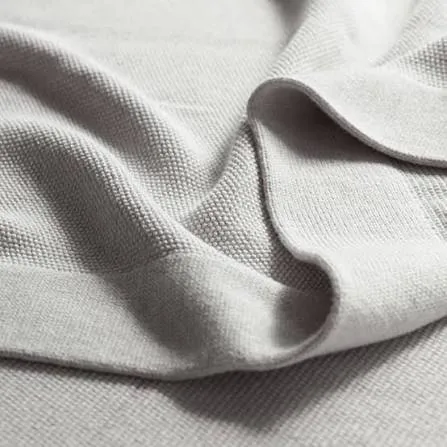
Combed Cotton
180–220 GSMSupima or organic combed, 60s–120s yarn count — the base of premium training tees and warm-up sets.
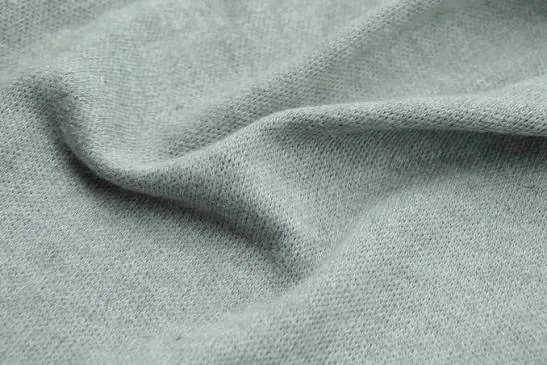
Merino Wool
200–260 GSM17.5–19.5 micron, temperature-regulating and breathable — the all-season base layer.
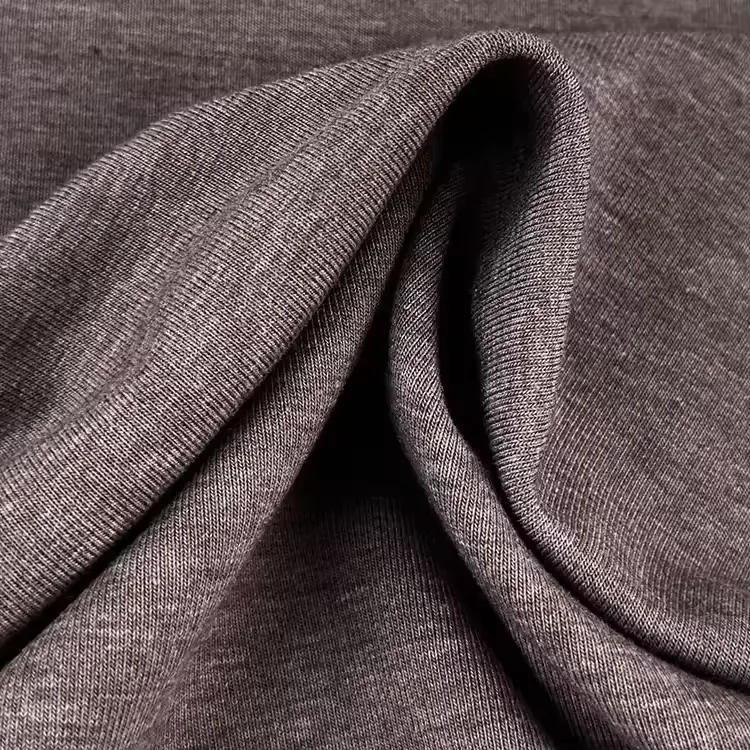
Modal / Tencel Blend
150–180 GSMFluid drape and next-to-skin softness — elevated recovery wear and post-training layers.
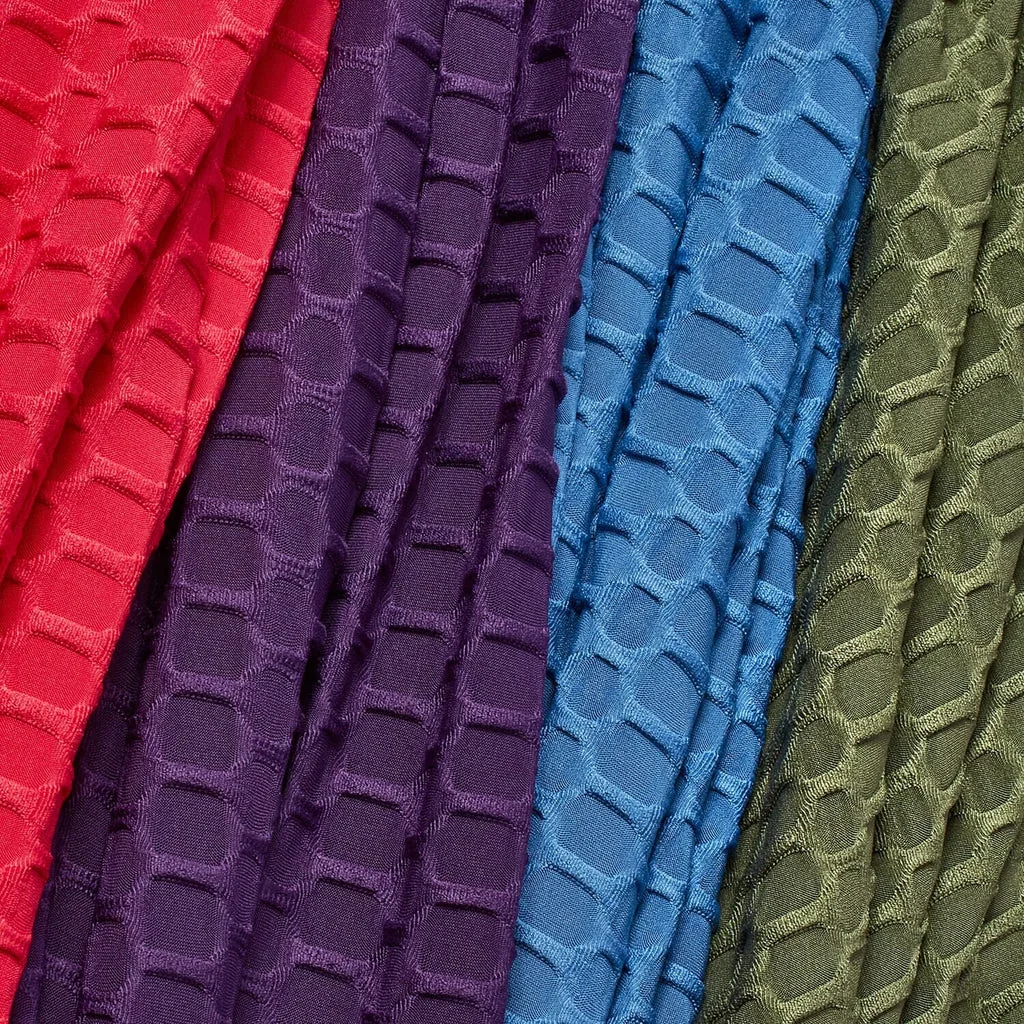
Performance Knit
220–280 GSMFour-way stretch, moisture-wicking, and recovery that holds through a season of training.
Documented Finishing Standards
SPI 12–14
Stitches per inch on main seams, written into the spec — not left to the floor.
Seam Finish
Flatlock, felled, or overlocked — specified per seam so bulk does not guess.
±0.5 cm
Tolerance on key measurements, verified at QC against the approved sample.
Wash Test
Run on every pre-production sample — shrinkage, pilling, and colour before bulk.
Ask any factory for these four numbers in writing — if they cannot produce them, the craft is not being measured, it is being guessed.
Why Infrastructure Matters
The Floor Your Order Actually Runs On
Six numbers that tell you where your order really sits — the lines, the sampling studio, and the finishing bench in one building. Your boutique run is the work here, not the filler between bigger jobs.
Independently Certified

ISO 9001
Quality management, independently audited — not self-declared.
OEKO-TEX® Standard 100
Third-party tested for harmful substances — the basis for a skin-safe claim on your label.
See the Standard 100 criteria →
BSCI
Audited working conditions and fair wages across the supply chain — the due-diligence record premium buyers increasingly request.
The audit reports behind all three certificates are available for review before you commit — certificates are proof, not decoration.
Is This You?
Three Buying Models. The Factory Demands Each Creates.
Three buying models keep recurring among sportswear boutiques and premium athletic labels, and each one makes a different factory demand. The brands below are real, recognisable examples of each pattern. Find the one that reads like your business — those are the demands to test on any shortlist, this one included.
Paris — Drop-Based Technical Running
Satisfy Running
Founded 2015 · Paris · 10–50 people
The buying model. Technical running apparel designed in Paris and made in Europe in small batches — limited drops built on original fabrics such as Justice™ and MothTech™, priced like designer goods.
The demand it creates. Every drop is built on an original fabric, so the supplier has to develop fabric to your spec — not pick from a stock list — and run quantities small enough to protect the scarcity your price depends on.
Ask the factory: "Can you develop a fabric to my spec and run a drop-sized quantity — not a container?"
Los Angeles — Fit-Obsessed Athleisure

Year of Ours
Founded 2016 · Los Angeles · 10–50 people
The buying model. Women-led athleisure label that grew from wholesale to DTC, built on short sampling cycles and garment-level QC — pieces are worn-tested 2–10 times before release.
The demand it creates. Every silhouette is worn-tested before it ships, so your sample has to be cut from the real fabric — not a stand-in — and stitch, stretch, and sizing tolerances are the product itself.
Ask the factory: "Do samples use the production fabric, and who owns the measurement report on every order?"
Copenhagen — Made-to-Order Designer

OpéraSPORT
Founded 2019 · Copenhagen · 10–20 people
The buying model. Designer label run on made-to-order and small batches to avoid stock — multiple seasonal collections in recycled and organic fabrics.
The demand it creates. Colour has to match across seasons and reorders, and small-run pricing cannot punish a low-volume collection — because a late reorder breaks your seasonal window.
Ask the factory: "How do you hold colour across batches, and what is the real reorder lead time — not the brochure number?"
Before You Shortlist
Ten Questions to Put to Any Small-Batch Sportswear Factory
Every factory will tell you what it can do. These ten questions tell you what it will actually do — and whether the promise survives the first order. Put them to every factory you shortlist, this one included. The answers are the difference between a run you can scale and a sample that never repeats.
What is the real MOQ — per style, per size, or per colour?
A per-style figure quietly multiplies once you split sizes and colours — a “100-unit” order can become 400 the moment you ask about the range.
Red flag: "The number moves when you mention colours."
Do samples share capacity with bulk production?
If they do, your sample always queues behind a 500-unit job — and arrives late or in a substitute fabric.
Red flag: "We'll fit it in when there's a gap."
Is the sample cut from the production fabric, or a stand-in?
A sample sewn by a senior tech in a different fabric tells you nothing about what the line will produce.
Red flag: "They can't name the mill or the lot."
Which numbers come with the fabric — and can I see the report?
“Wicks sweat” is an adjective. Transfer time in seconds, stretch recovery %, UPF rating, colour fastness to sweat — those are measurements.
Red flag: "Only a marketing sheet, no third-party test."
How is per-unit price set at 100 vs 1,000 — and does it hold on reorder?
A low-MOQ price that jumps on the next drop makes the small batch unaffordable the moment it sells.
Red flag: "Quoted per order, no tiering."
Do premium fibres (Supima, merino, modal) carry a mill minimum?
The fabric is only as boutique as the mill’s minimum. If the mill demands a container, the “premium” fibre is a lie for a 100-unit run.
Red flag: "You'd need to take the full roll."
Who owns the tech pack and the measurement report?
Your fit, grading, and IP are the product. If you can’t get them back, a reorder or a switch of factory restarts from zero.
Red flag: "They hold the pack, no handover."
How do you hold colour across batches and seasons?
A collection that ships warm one season and green the next kills a repeat buyer.
Red flag: "No stored reference standard."
What are the payment terms on the first order vs the fifth?
A big first-order deposit with no path to better terms is a cash-flow trap for a growing label.
Red flag: "Nothing changes, fabric fully prepaid."
Which inspection standard applies, and who runs it?
AQL 2.5 is a rateable standard. “We check every piece” is not — and third-party inspection removes the conflict of interest.
Red flag: "No AQL number, just final checks."
Send your fabric & design brief — we’ll answer all ten in writing for your order, with a per-unit price at your quantity. No commitment.
Get These AnsweredStraight Answers
Small-Batch Sourcing Questions, Answered
Straight answers on the decisions that shape a boutique factory choice — fabric consistency, finish standards, order sizing, and what happens after your first order ships.
The next step does not cost anything.
Send Your Fabric & Design Brief. Your Production Plan Returns Within 24 Hours.
You will receive fabric options, a documented finishing standard, and per-unit pricing for a boutique-quantity first drop. No commitment. No pressure. Just what you need to compare factories with confidence.