Sports Team Uniforms
Team Uniform Sourcing Solution: Fit & On-Time, <0.3% Defects
Every uniform order meets the same four failures — fit, color, logo, and timing. This page is a procurement guide: four questions to put to any uniform manufacturer, and the red flags that tell you to walk away.
The Decision Path
Four Decisions That Decide Your Season
Work the four decisions in order, or jump to the one that is burning right now. Each one comes with the question to ask any manufacturer — and the red flag that tells you to walk away.
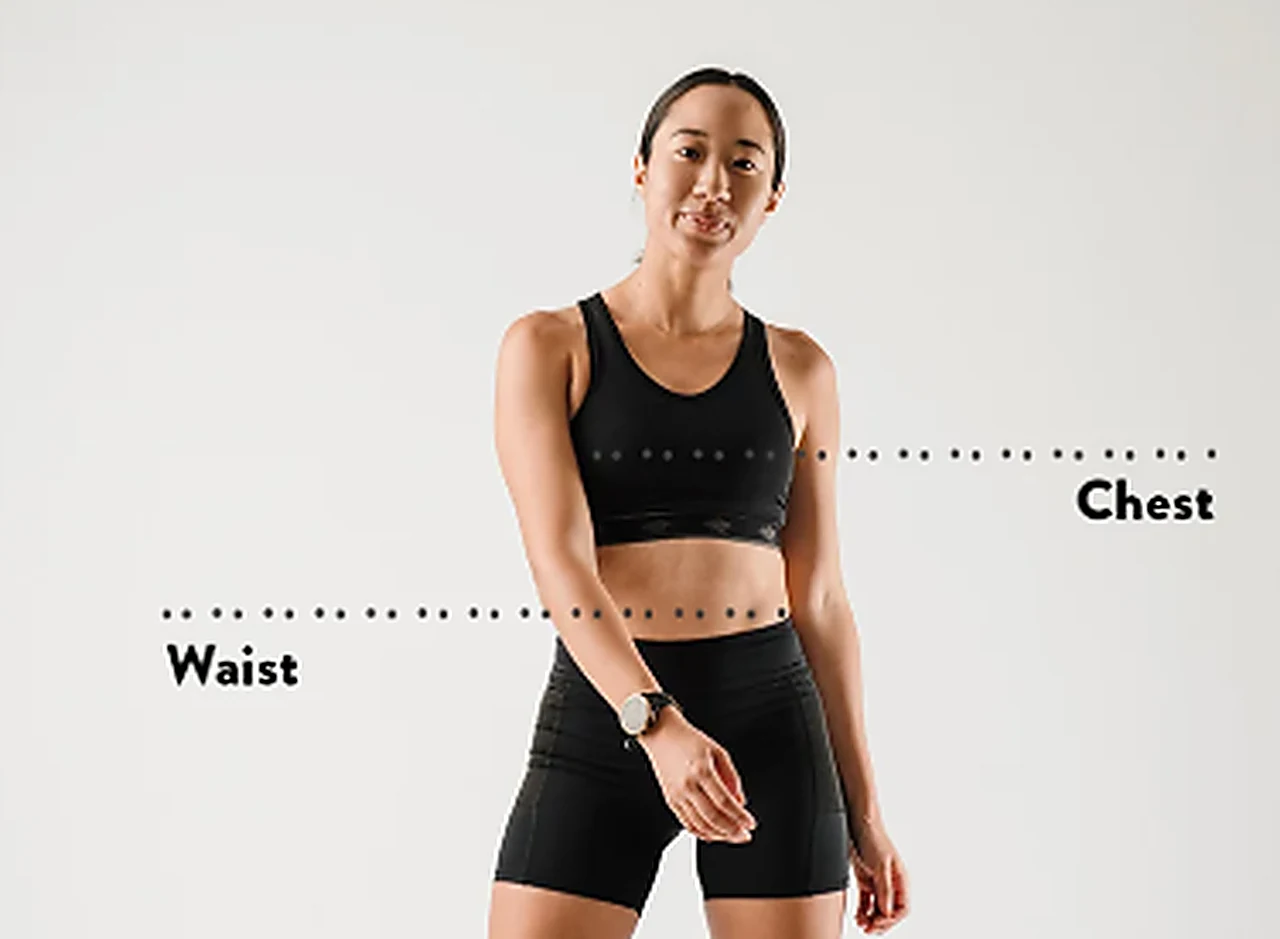
Sizing at Scale
The size-run either fits your roster — or it doesn't.
The Problem
Your roster order lands and half of it doesn't fit. The medium runs short in the shoulders. The 2XL looks like a large. The junior-size top that fit the sample swims on your smallest player. Now you are paying return freight and re-ordering. Or you are playing a season in uniforms that fit like hand-me-downs.
Procurement Insight
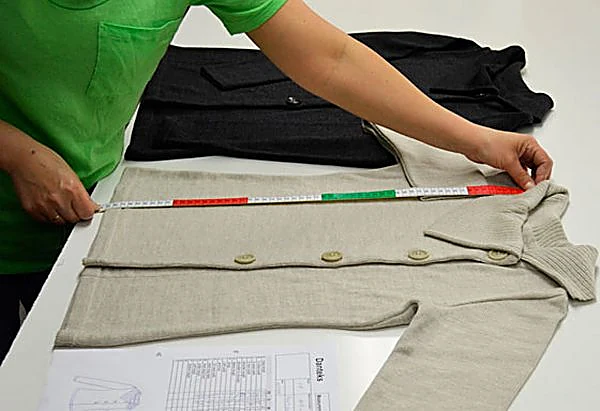
Most uniform factories grade off one middle-size sample. They cut one garment, then "grade" up and down mathematically using a generic wholesale chart. That chart is built for an average consumer — not for the team's actual height-and-weight distribution. That is why the size-run never matches the roster. The fix is a full size-run fit sample: one complete set across each size in the order, cut to your roster, and fitted before bulk production.
What to Look For
- Size-run fit sample
- “Can you produce a complete size-run fit sample across the full size range — not just one middle size?”
- Graded placement
- “Are your size grades based on the actual fit sample, or on a standard chart?”
Check-Off List
- Full size-run fit sample, cut to my roster sheet
- Fit sample approved before a single unit is cut
- Exchange policy for the few units that still miss
Re-Order Consistency
Season two should match season one — not approximate it.
The Problem
Season two arrives and the home kit looks washed out next to last season's. The navy reads bluer. The red reads oranger. The crest sits 2 cm higher than before. Nobody at the club can explain it — and neither can the factory. Your colors just drifted. Now you have to reorder again to fix it.
Procurement Insight
Color drift between runs is the industry norm, not the exception. Fabric is dyed in lots. The dye lot the first order used is gone by the time you reorder. Thread, print inks, and embroidery thread shift too. A factory that keeps no archive cannot match your colors — it starts over and hopes. What stops the drift is a materials archive. It holds an actual cutting of your fabric lot, the Pantone reference, the thread codes, and the print files. The archive is locked the day your order ships.
What to Look For
- Materials archive
- “Do you keep an archived fabric cutting, Pantone, thread, and print files from my last order?”
- Shade guarantee
- “Will you check the shade against the archived lot before cutting bulk?”
Check-Off List
- Archived fabric lot + Pantone + thread + print files
- Shade-consistency check on each reorder
- Written color-match guarantee on reorders
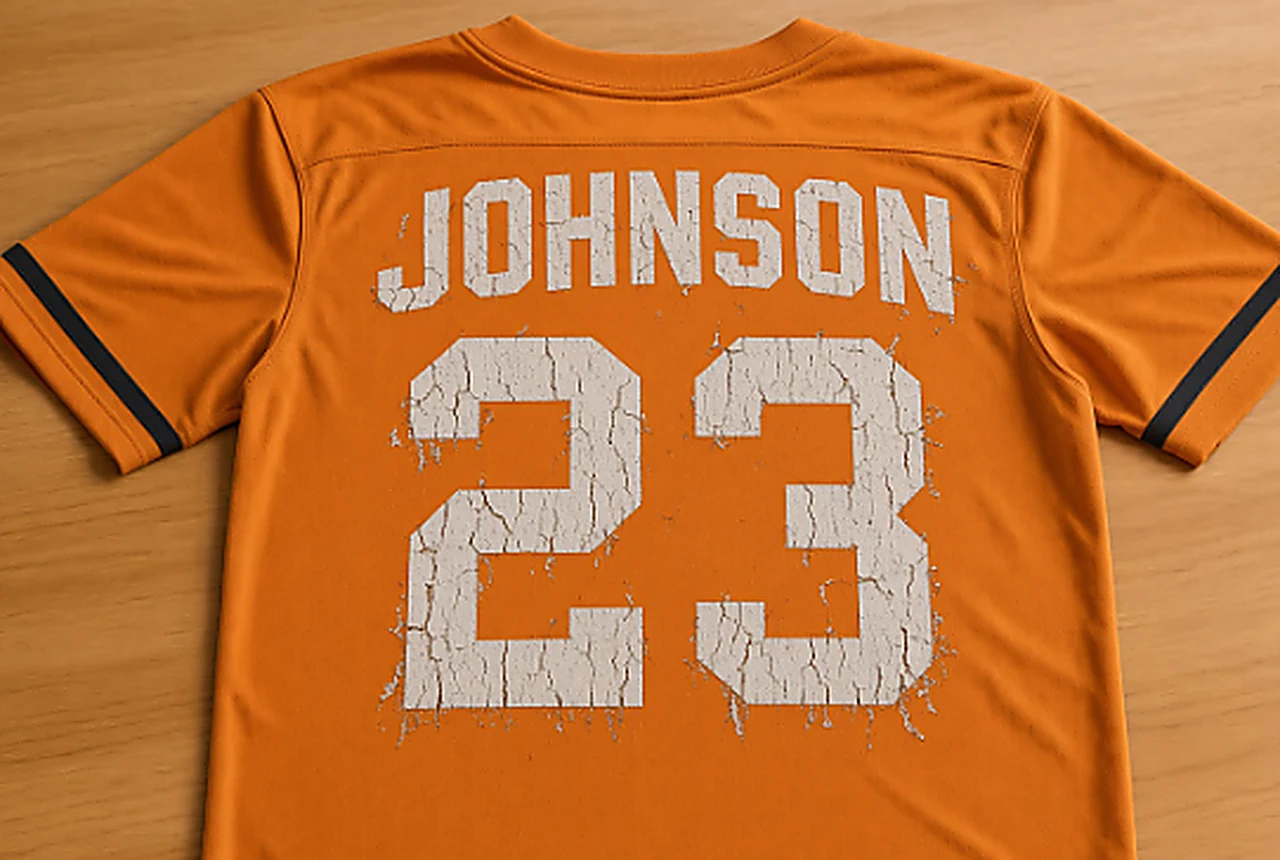
Emblems, Numbers & Brand Compliance
Your crest, numbers, and names — right on each size, wash after wash.
The Problem
The crest you approved is embroidered 3 cm lower on the back row than the front. The sleeve number sits at an angle. After two washes, the printed player names start to peel. Your brand's name is on the front — and it is wrong in a way every parent, sponsor, and opposing team can see.
Procurement Insight
Logo and number work fails in two places: digitizing and placement. Embroidery and print both need digitizing. That means converting your vector art into the file that drives the machine. A factory that skips the digitizing preview is flying blind. Placement is usually "eyeballed" from the sample instead of measured from a graded placement chart. So the same art lands in a different spot across sizes. Request both before anything is cut.
What to Look For
- Digitizing preview
- “Can I see the digitizing preview before you embroider or print?”
- Graded placement
- “Do you use a graded placement chart so logos sit correctly across sizes?”
Check-Off List
- Vector art spec approved by the brand
- Digitizing preview approved before decoration
- Pre-production sample with real decoration, wash-tested
- League-compliance approval secured first

Delivery Before the Season
The season date does not move. Your order should not either.
The Problem
Your order lands the week the season starts. You booked the schedule, sold the sponsorship, and announced the roster. Now you are either playing in last season's kit, or paying air freight to chase your own order. The factory apologizes. The season does not reschedule.
Procurement Insight
Late delivery is rarely a logistics failure — it is a capacity problem. In most factories, orders share production capacity with 50,000-unit runs. When a mega-run slips, yours gets pushed. Samples queue behind bulk. Revisions get deprioritized. The season date that seemed far away arrives. The answer is structural. Your order goes into a locked production cycle the moment the sample is approved. Samples run on a separate track that never competes with bulk.
What to Look For
- Capacity
- “Are samples produced on a separate track from bulk orders?”
- Locked cycle
- “Is my production window locked in writing?”
Check-Off List
- Locked production cycle once the sample is signed off
- DDP delivery — one price, one timeline
- Factory-floor tracking before the season date
The Evaluation Script
Five Questions Every Uniform Factory Must Answer
A one-page script to audit any supplier against the four decisions above. Red flags mean walk away. Green lights mean they are worth a sample order.
| The Decision You’re Making | Ask the Factory This | Red Flag — Walk Away If… | Green Light — What You Want |
|---|---|---|---|
| Fit approval | Does the fit sample cover the full size range? | Single middle-size sample, graded by formula | Complete size-run fitted to the roster |
| Re-order color | Is my last order's dye lot, color, and print spec actually archived? | No archive — "we'll match it from photos" | Archived lot with a written shade-consistency check |
| Emblems, numbers & names | Is the digitizing preview and placement chart shared before anything is made? | Placement eyeballed from the sample; no digitizing preview | Digitizing preview + graded placement chart + decorated pre-production sample |
| Season timing | Do samples share capacity with bulk orders — and is my production window locked? | Samples queue behind mega-runs; vague lead time | Locked production window in writing, with DDP delivery |
| Inspection standard | To what standard is my order inspected — and do I see the report before dispatch? | Spot-checking with no written standard and no report | Statistical sampling against the approved spec, with the report before dispatch |
Use these as an evaluation script for any factory — including ours.
Proof, Not Promises
Problems We Have Actually Solved
The decision path above is the method. These are the results it produces — real failures caught before they reached a team.
Solved: Fit
Minneapolis City SC
Semi-pro soccer club · NPSL (US 4th division)
The Problem
Kit sales keep the club running, but the roster runs from small local players to tall volunteers — and the previous factory graded off a single middle-size sample, so half the order came back wrong.
What We Put in Place
We cut a full size-run fit sample — six sizes, sized to their actual roster sheet — and fitted it before bulk. The size run was approved in one pass.
The Result
First production run shipped with 2 size adjustments. No mid-season re-order.
Solved: Color
Stimulus Athletic
Custom team-apparel brand · Minnesota, USA
The Problem
As the go-between for dozens of youth and amateur teams, every reorder is a client-facing promise. Season two arrived visibly bluer than season one — the old factory matched "from photos."
What We Put in Place
We archived the actual dye-lot cutting, Pantone reference, and thread codes from their first order, and checked the reorder shade against it before bulk cutting.
The Result
All 4 styles matched within half a shade. Season two was the same color as season one.
Solved: Timing
Kansas City Pioneers
Esports organization · Halo & Rocket League teams
The Problem
1,200 jerseys of game-wear, retail drops, and sponsor collabs needed six weeks out, with sampling still ahead — the old supplier said "best effort."
What We Put in Place
We locked the production cycle the moment the sample was approved, with samples on a separate track from bulk and DDP quoted as one landed price.
The Result
Shipped 5 days ahead of the deadline, delivered to 3 countries with tracking from the factory floor.
Your Situation
Which Situation Is Yours?
Every uniform program starts as a specific problem — a roster that doesn't fit, a color that drifts, a deadline that's locked. Find the one that matches yours.
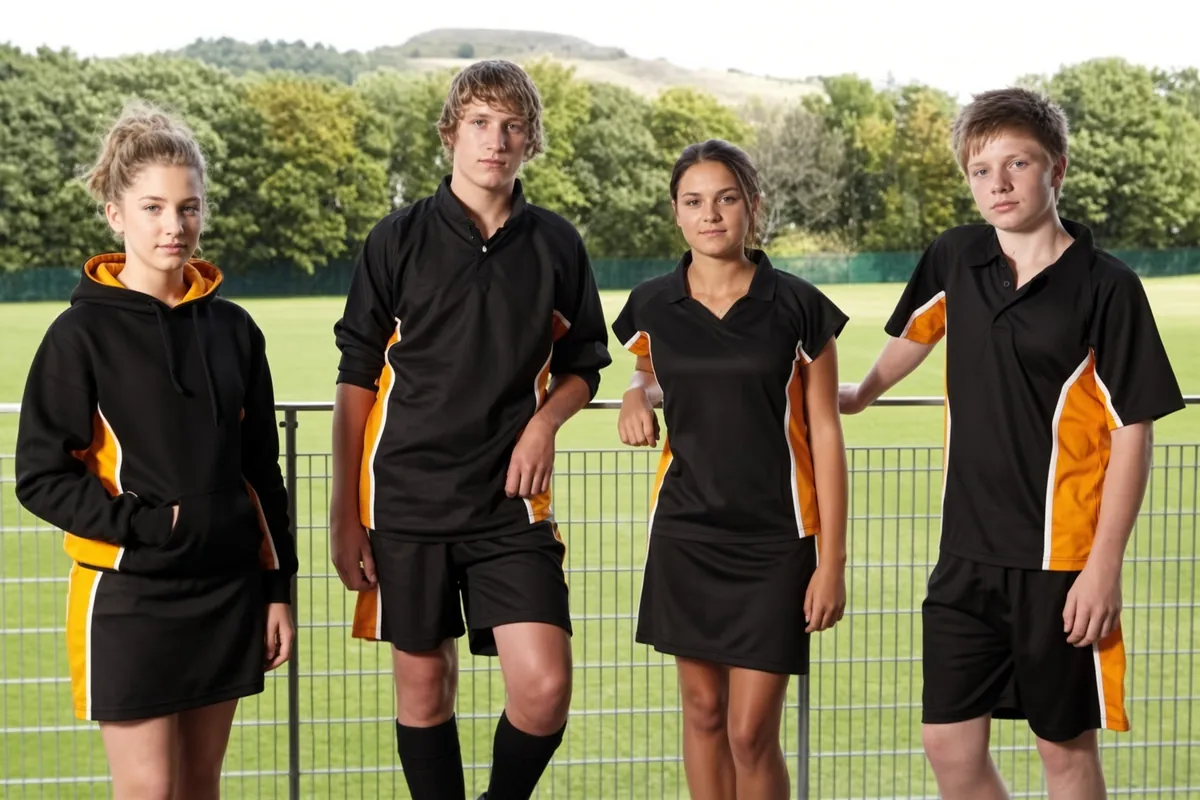
Your first club or team order
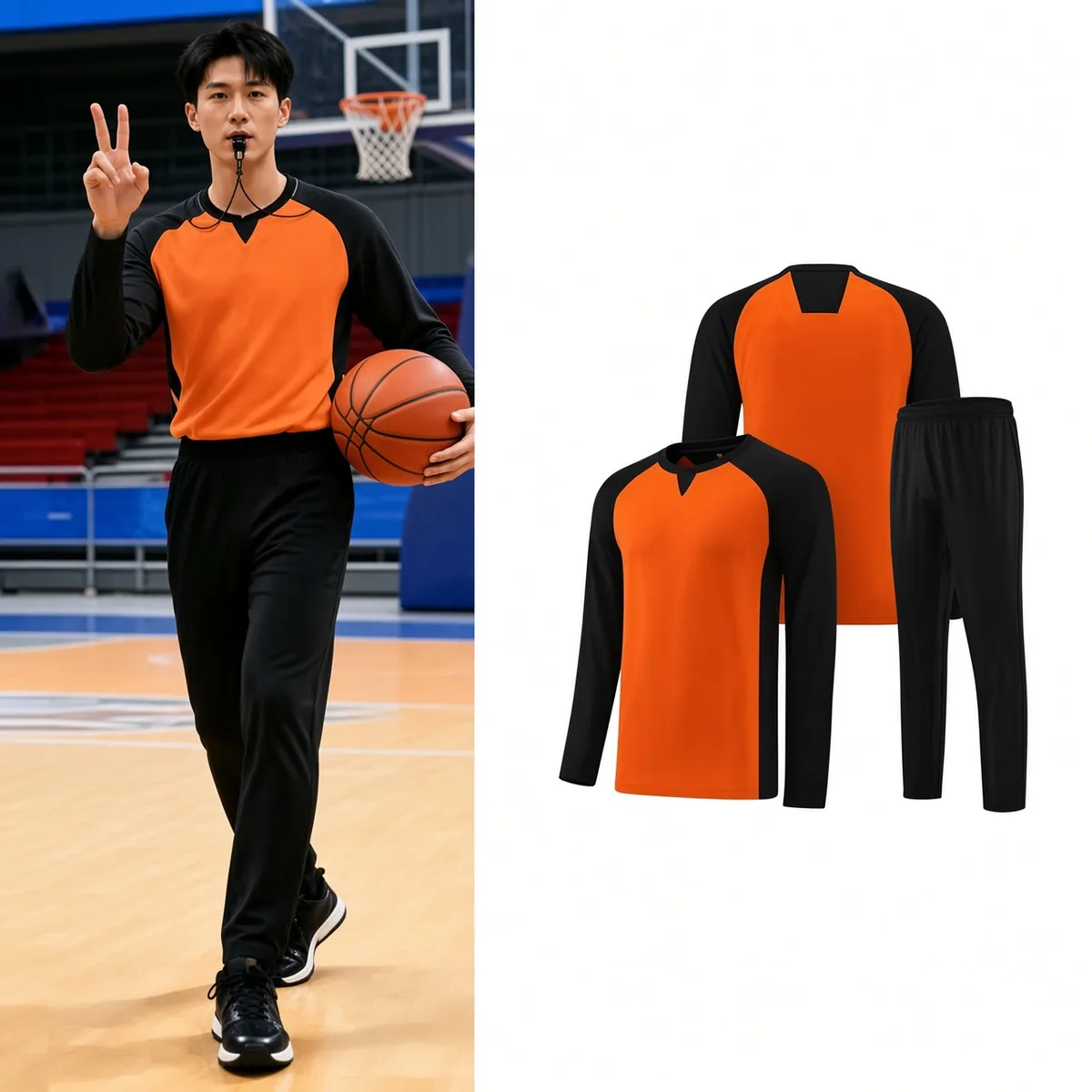
The roster is set, but the size range misses half your players — and re-ordering mid-season costs you the season.
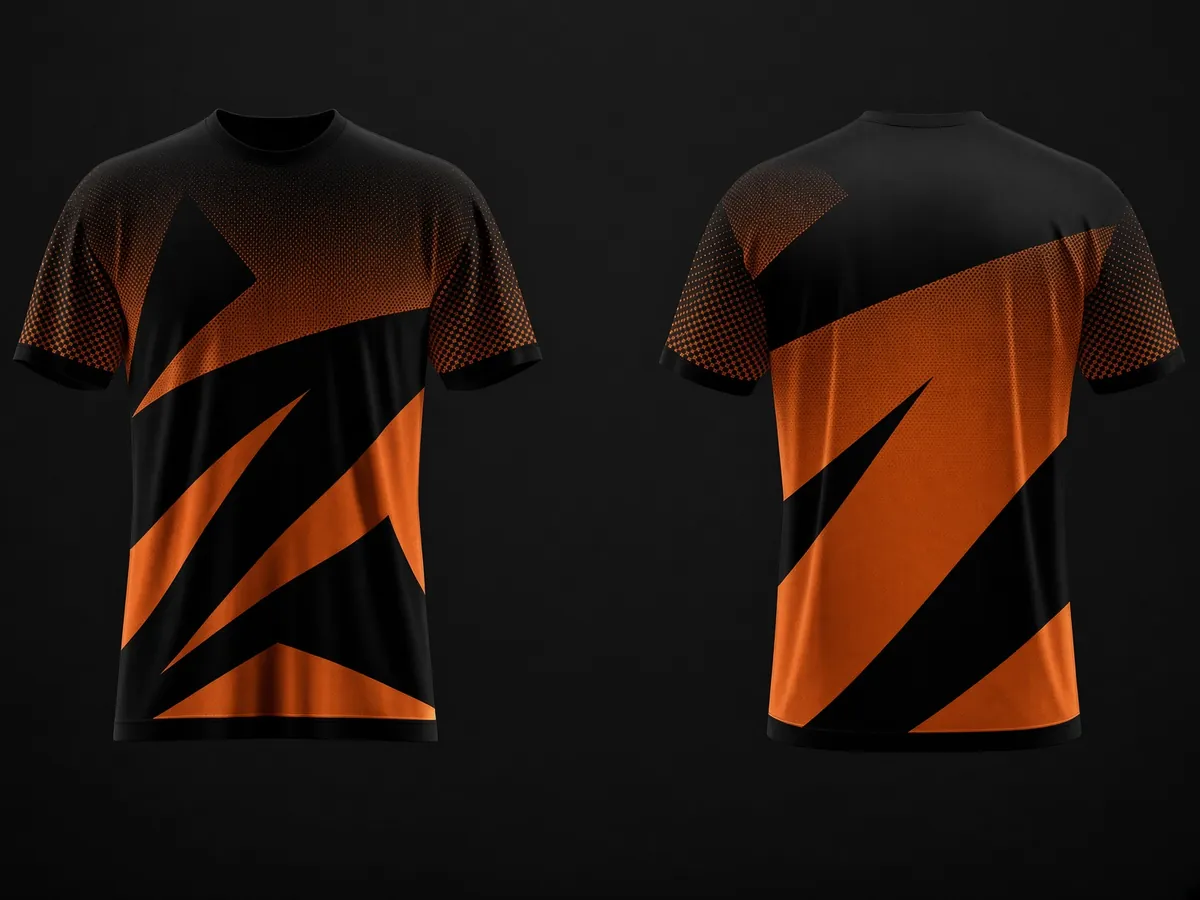
A kit drop before a tournament
The event date is locked and your order is queued behind bigger production runs.
A seasonal program that repeats
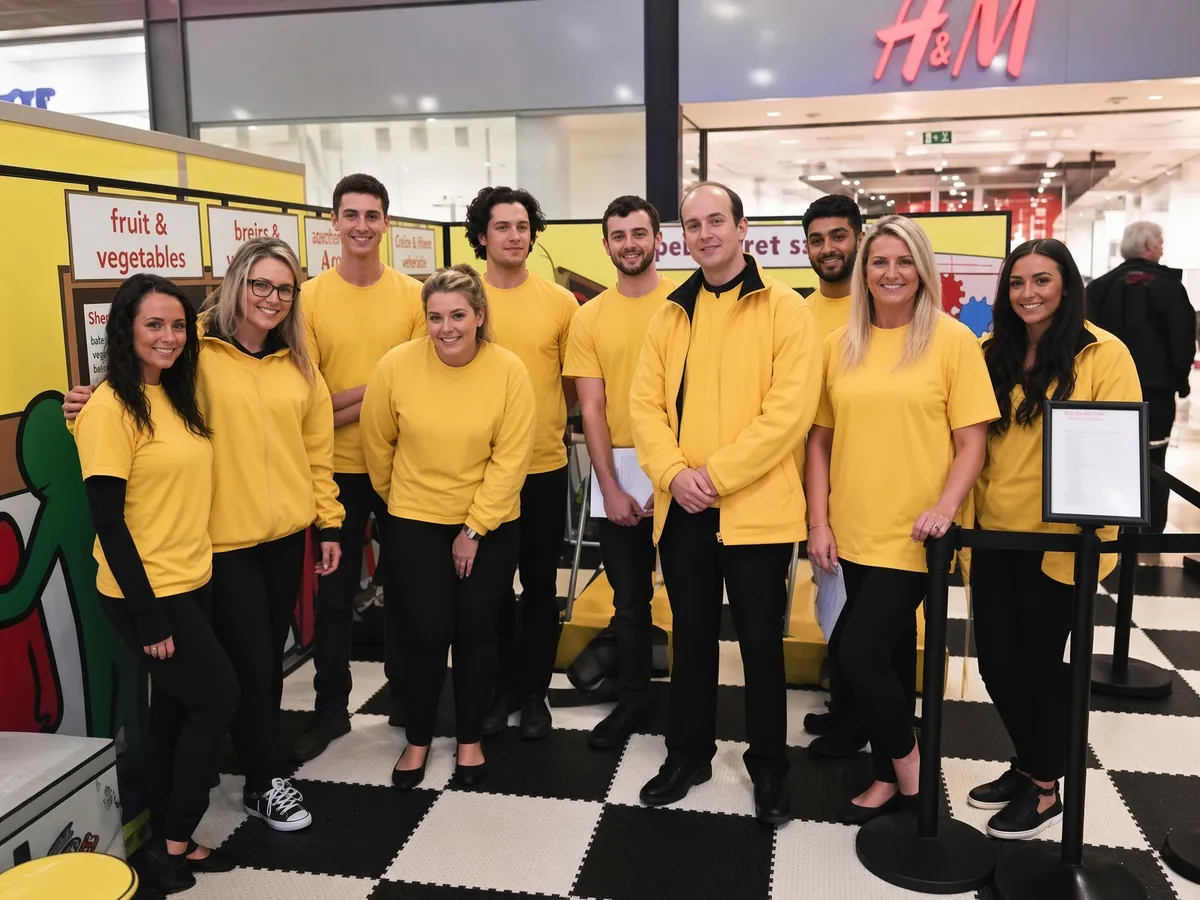
Your colors are the program's identity. When they shift between seasons, every team and store notices.
A one-off event or promo
The deadline is fixed and the artwork has to survive the wash — and league approval.
Fabrics & Decoration
Materials and Decoration That Survive the Season
What gets specified determines fit, color-fastness, and wash survival. These are the options we quote each uniform order against — and what each one is for.
Fabric Options
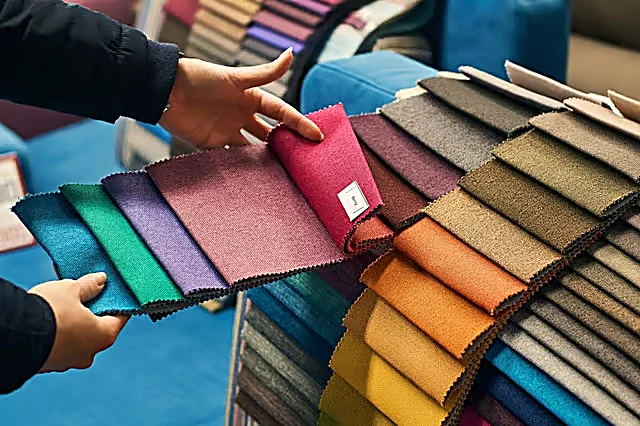
- Performance polyester. Moisture-wicking, quick-dry, and color-fast — the default for team kits and training wear.
- Poly-cotton blends. Breathable with a softer hand — a common choice for practice tees and tracksuits.
- Pique & performance knits. Structured, wrinkle-resistant, and built to survive repeated washes and match play.
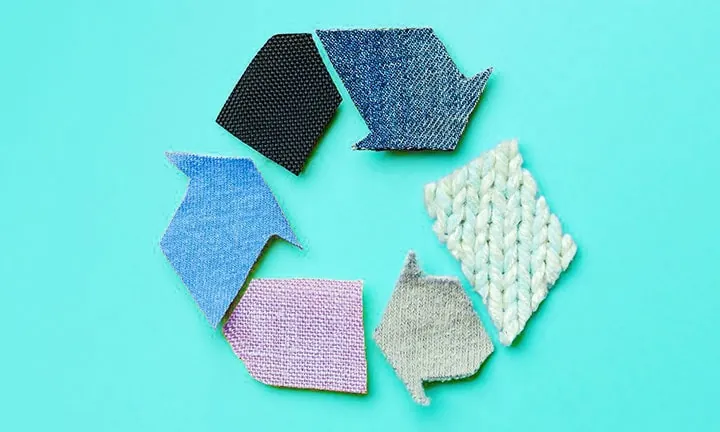
- Recycled polyester. rPET performance fabrics for uniform programs with sustainability goals.
Decoration Options
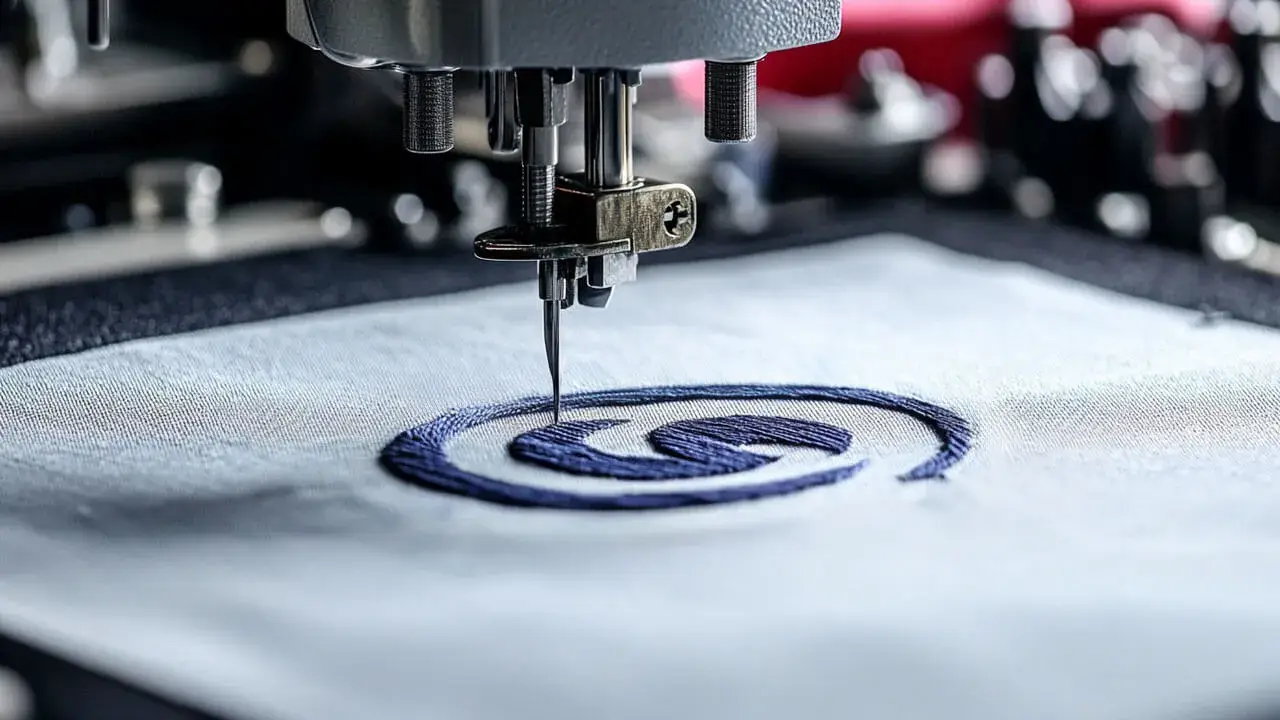
- Embroidery. Digitized from your artwork, with a preview to approve first. How embroidery works →
- Sublimation. Full-color, all-over prints that become part of the fabric — ideal for team designs.
- Screen print & DTF. For large logos and bold artwork on team and event tees.
- Tackle twill & patches. Stitched-on emblems with a premium, dimensional finish.
From the Factory Floor
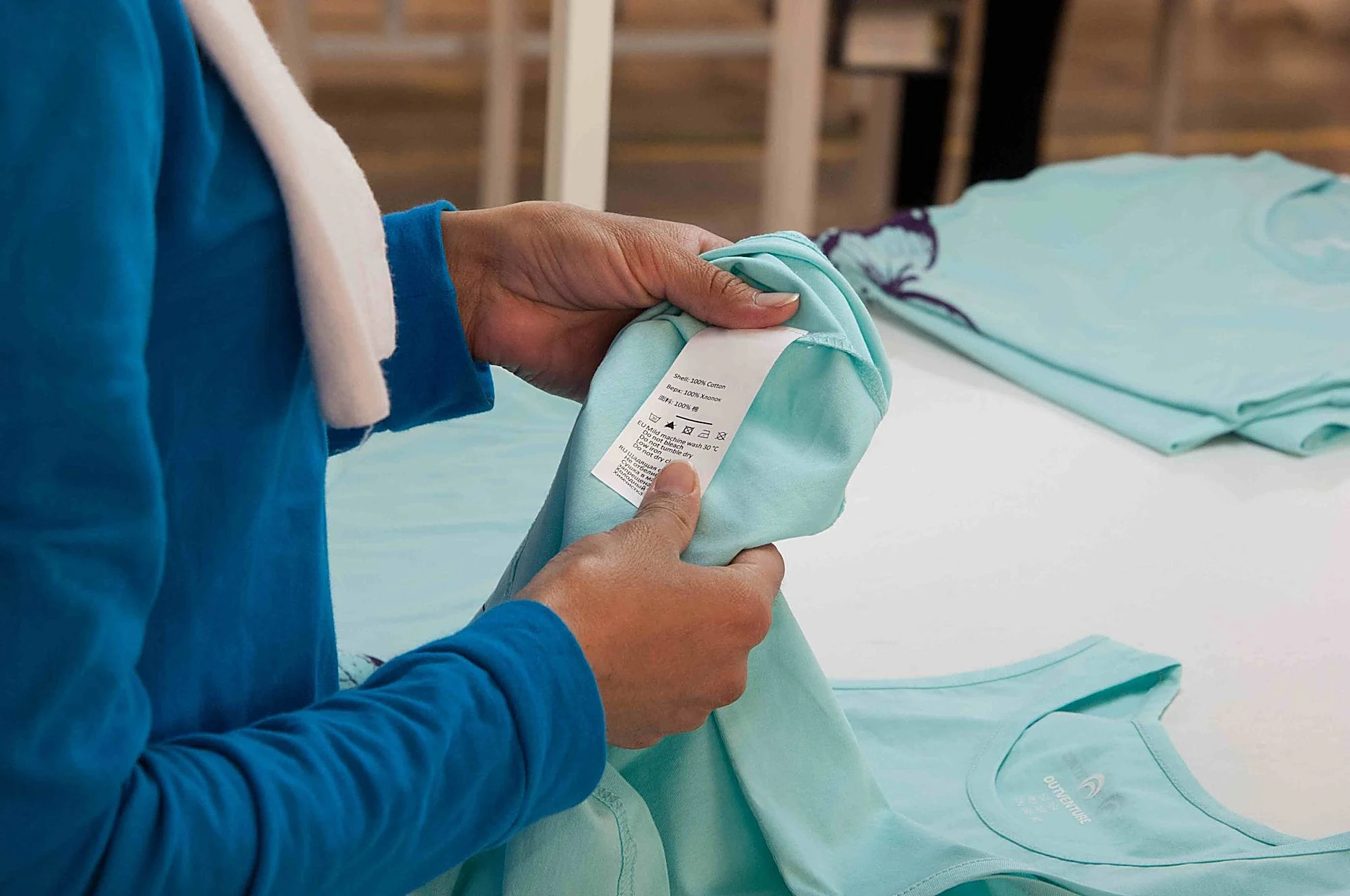
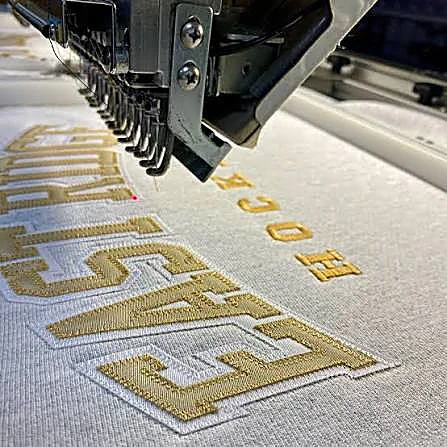
Free Material Guidance
Not sure which fabric or finish fits your order?
Send your design files and target price — we'll recommend the fabrics and decoration that survive the season, with a digitizing preview before you commit.
Get a Fabric & Decoration RecommendationPricing Transparency
What Drives Uniform Pricing — and What to Ask
The unit price quoted depends on three variables. Knowing them turns a vague quote into something you can compare across factories.
Fabric & finish
Performance and recycled fabrics cost more per meter than basic poly-cotton. Specify the use case and we price the honest option.
Decoration area
Every embroidered or printed position adds digitizing and labor. A crest plus a sleeve number costs more than a single chest logo.
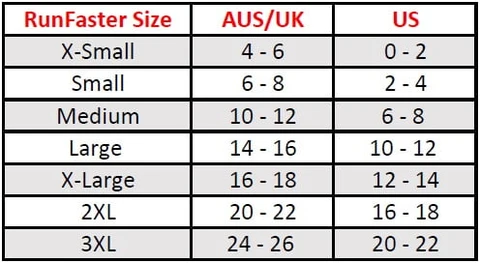
Size-run breadth
More sizes in the range means more cutting setups. A focused roster keeps unit cost down.
Quality & Compliance
Certifications Behind Every Order
Claims are easy to make; certifications are what can be verified. Here is what our facility holds and audits against.
-

ISO 9001 Quality Management
Independently audited quality management — not self-declared. Our processes stay documented and consistent order after order.
-

BSCI Social Compliance
Ethical labor, safe working conditions, and fair wages across the facility, verified by third-party BSCI audits.
-
OEKO-TEX Standard 100
Materials tested for harmful substances — safe for skin-contact wear. See the Standard 100 criteria →
-

CPSIA / REACH Chemical Safety
US and EU chemical safety compliance — documentation provided with every order.
Common Questions
Frequently Asked Questions
Straight answers for the person buying uniforms — not the marketing version.
Keep Reading
More Manufacturing Guides
The same procurement discipline, applied to other product lines and business models.
Private Label for Emerging Brands
Sportswear private-label manufacturing for emerging brands — sampling, production, and repeat orders on your own label.
Read the guide →
Activewear Manufacturing & Fulfillment
Custom activewear production and fulfillment for Amazon FBA and DTC sellers.
Read the guide →
Creator & Influencer Merch Launch
Merch manufacturing for creator and influencer brands — drops and limited runs.
Read the guide →
Boutique & Premium Lifestyle
Premium fabric, finishing craft, and small-batch production for boutiques and designer brands.
Read the guide →
Golf Apparel Manufacturing
Performance polos, trousers, skorts and knitwear for golf brands — from 100 units, with UV protection and wash-tested trims.
Read the guide →
Amazon FBA & E-Commerce Private Label
Private-label manufacturing and FBA-ready labeling, packaging, and inbound prep for marketplace sellers.
Read the guide →
Ready to lock the season date?
Send Your Roster. Get a Production Plan in 24 Hours.
Share your team sizes, colors, and logo — you will receive a fit plan, a color-match archive, and a production timeline. No commitment. No pressure.