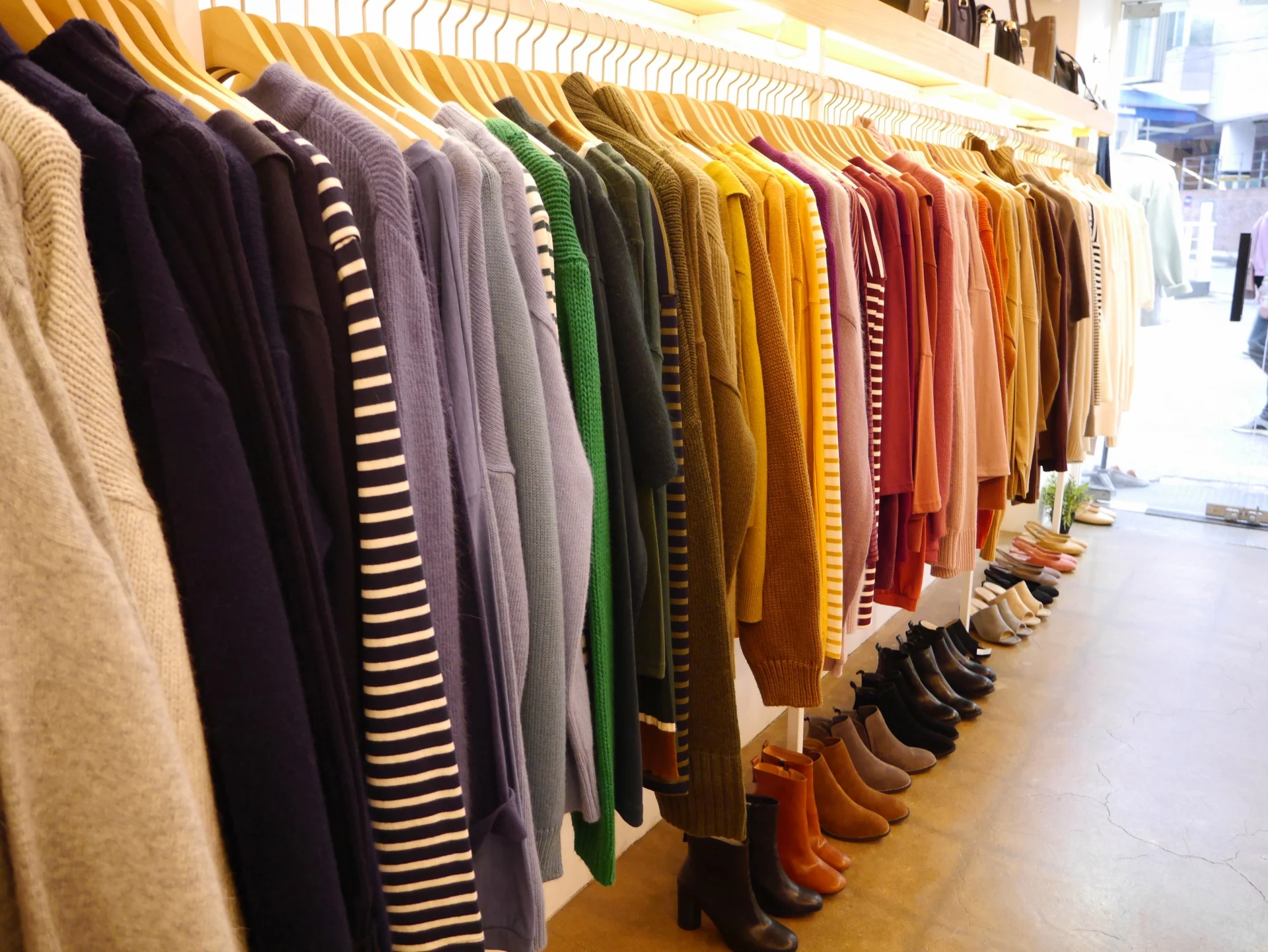
Sportswear Private Label for Emerging Brands
Sportswear Private Label Manufacturing — Small Batches, Fast Sampling, Global Reach
You have the brand vision. You have the audience. What stands between is manufacturing — and the wrong partner costs more than money. Whether it is yoga leggings, team kits, or performance gear: emerging sportswear brands do not need a factory. They need a supply chain built for how they actually grow.
Does Any of This Sound Familiar?
The Problems Emerging Sportswear Brands Face in Global Sourcing
If you have sourced activewear from overseas before, you have encountered most of these. If you have not — this is what you are about to face.
MOQ Too High
Every factory you contact demands 3,000–5,000 units per style. You do not have the capital — or the sales channel — to move that much inventory.
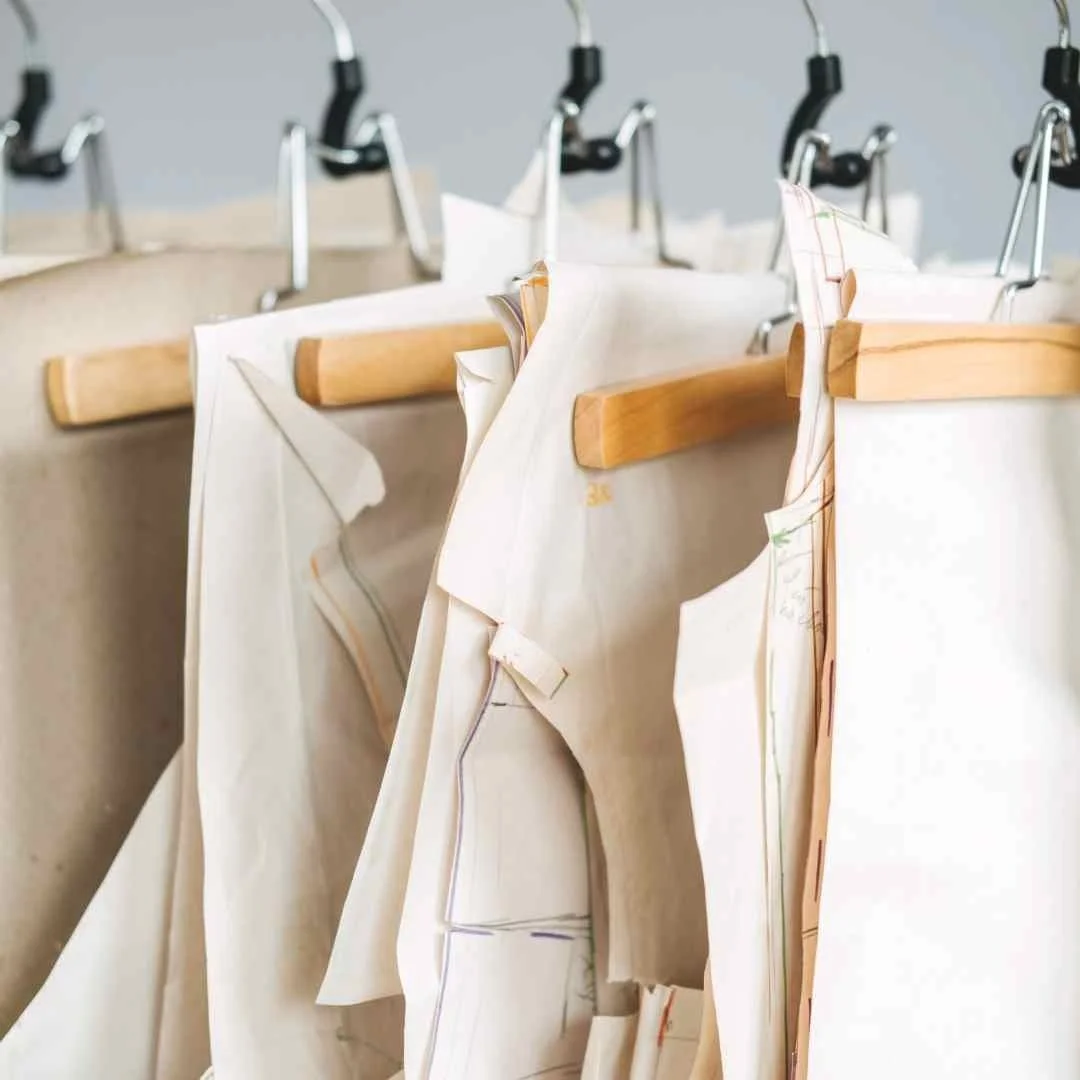
Samples Take Forever
You waited 5 weeks for samples that arrived with wrong fabric and poor stitching. The revision will take another month — and your launch window is closing.
No Brand Identity
Your products arrive as blank garments in generic poly bags. No labels, no tags, no packaging — nothing that tells customers who you are.

Quality Is Inconsistent
First batch looked great. Second batch? Wrong sizing, loose threads, and color mismatch. You cannot build a brand on inconsistent quality.
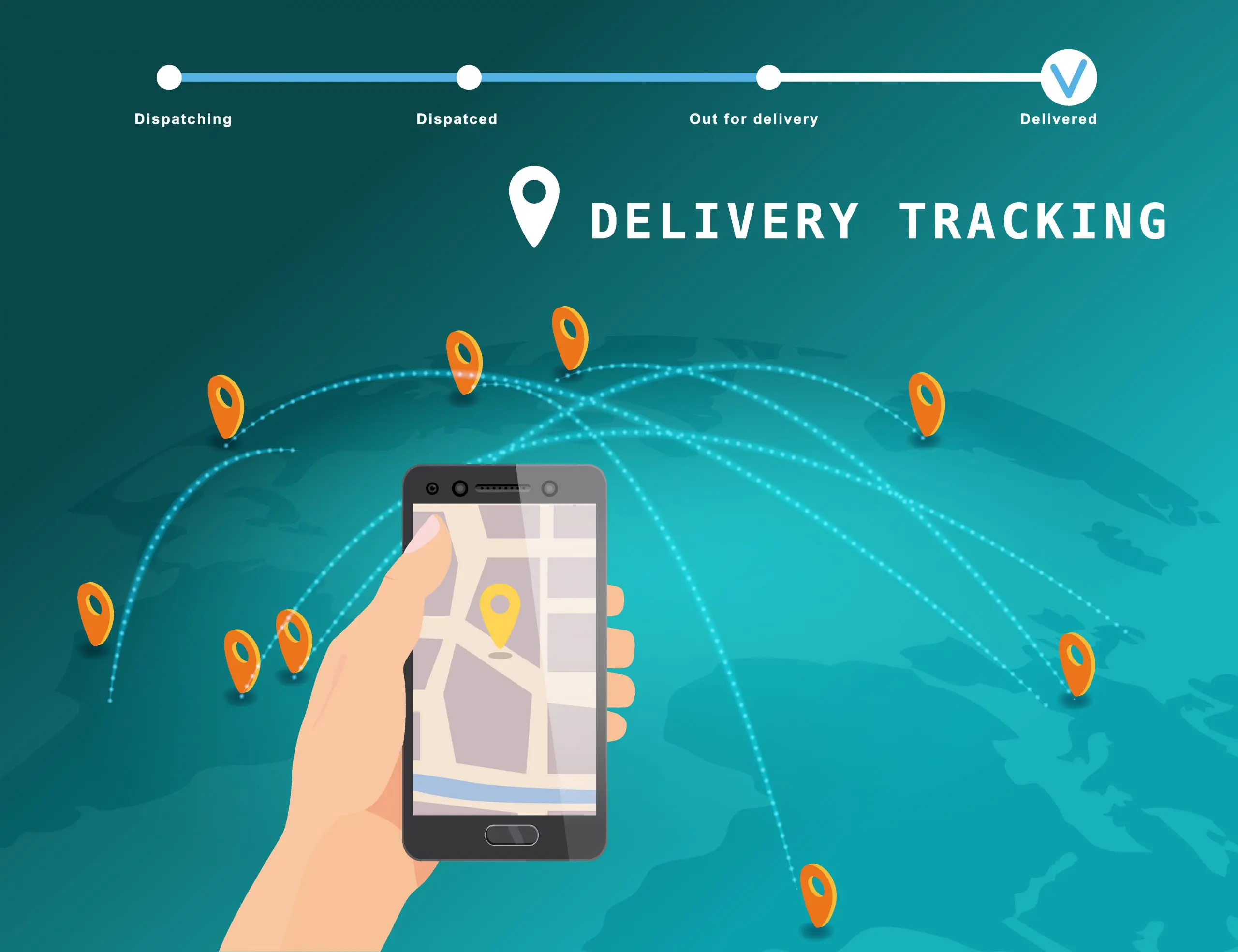
Shipping Is a Black Box
You paid for the order. Now you are refreshing tracking every day with no updates. Customs, duties, delays — you have no idea when your products will arrive.
Hidden Costs Add Up
The per-unit price looked great — until shipping, duties, labeling, packaging, and "miscellaneous fees" doubled your total cost. No one was transparent.
One-Size-Fits-All Approach
The factory treats you exactly like their 50,000-unit clients. Same lead times, same processes, same indifference. You need a partner who moves at startup speed.

No Communication, No Trust
Your messages go unanswered for days. When you do get a reply, it is a one-line WeChat message with a blurry photo. You need professional communication in English.
How We Solve Them
Five Procurement Problems. Five Specific Solutions.
Every sourcing challenge you just identified has a specific countermeasure. What follows is not a sales pitch — it is a procurement framework that applies regardless of which manufacturer you ultimately select.
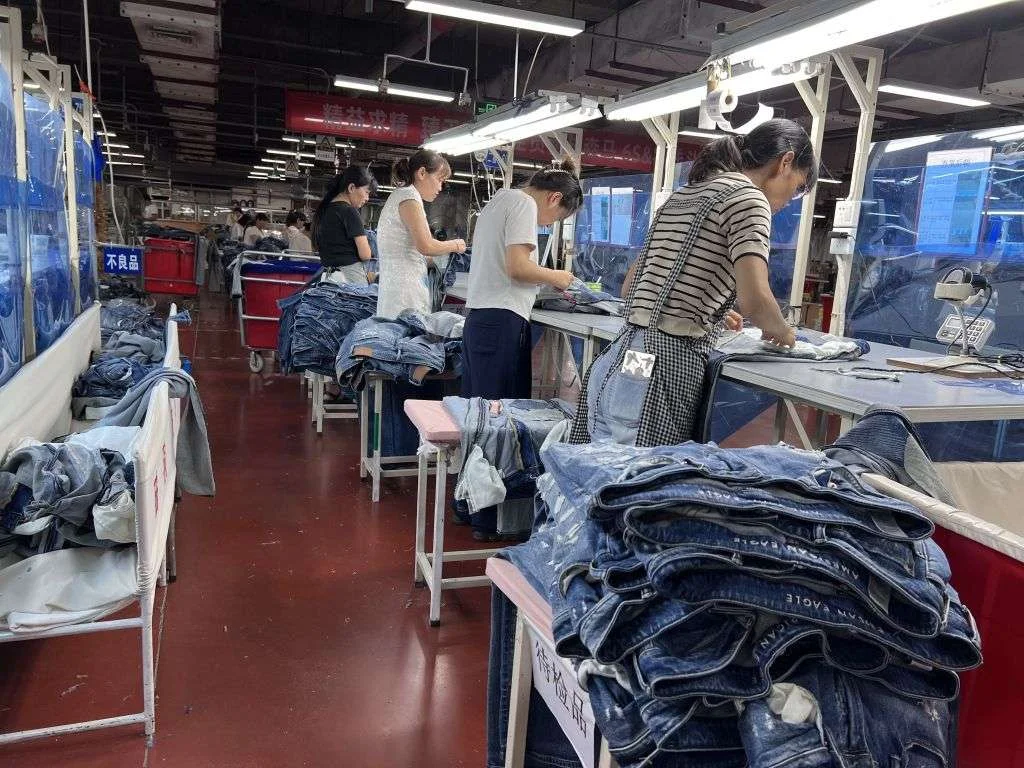
Solution #1
"Traditional factories demand 3,000–5,000 units per style. As an emerging activewear brand, that means tying up $30,000–$60,000 in inventory before you have validated a single design — whether it is compression leggings, a performance tee, or a custom jersey."
Internal Data & Insight
Most factories are not being difficult when they demand 3,000-unit minimums — they are being rational. Pattern making, fabric sourcing, and line setup are fixed costs that only amortize across volume. The question is not whether a factory will accept a small order. The question is whether their production model was designed for it. For sportswear specifically, the challenge compounds: performance fabrics require specialized cutting and sewing techniques that most high-volume factories will not reconfigure for small batches.
Top reasons first orders underperform (200+ brands, 2022–2026)
Source: LeelineWear internal production data
Start at 100 Units Per Style — No 3,000-Unit Minimums
Three structural conditions make genuine small-batch sportswear production viable: cross-trained teams that shift between styles without line reconfiguration, shared infrastructure across multiple brand accounts to absorb fixed costs, and transparent per-unit pricing that does not penalize low volumes. Absent any one of these, a low-MOQ claim is marketing, not manufacturing. See how our clients scale from 100 to 5,000 units/month →
- Validate your designs before committing to large-scale production
- Test 3–5 styles in your first order to identify what actually sells
- Scale winners to 50,000+ units with the same quality as your first batch
- Transparent pricing at every volume tier — no hidden small-batch fees
Solution #2
"Standard sampling takes 4–6 weeks. One round of revisions doubles that. Your launch date slips by months — and by the time your activewear samples are ready, the season or trend you were chasing is already gone."
Internal Data & Insight
In most factories, sampling is a loss leader — a necessary inconvenience that gets squeezed between paying bulk orders. When your samples share production capacity with 50,000-unit runs, they will always be deprioritized. The fix is structural, not procedural: a dedicated sampling studio that operates on its own schedule, with its own team, independent of bulk production queues. For sportswear brands, this is especially critical — performance fabrics and technical construction mean you need to touch and test samples before committing to production.
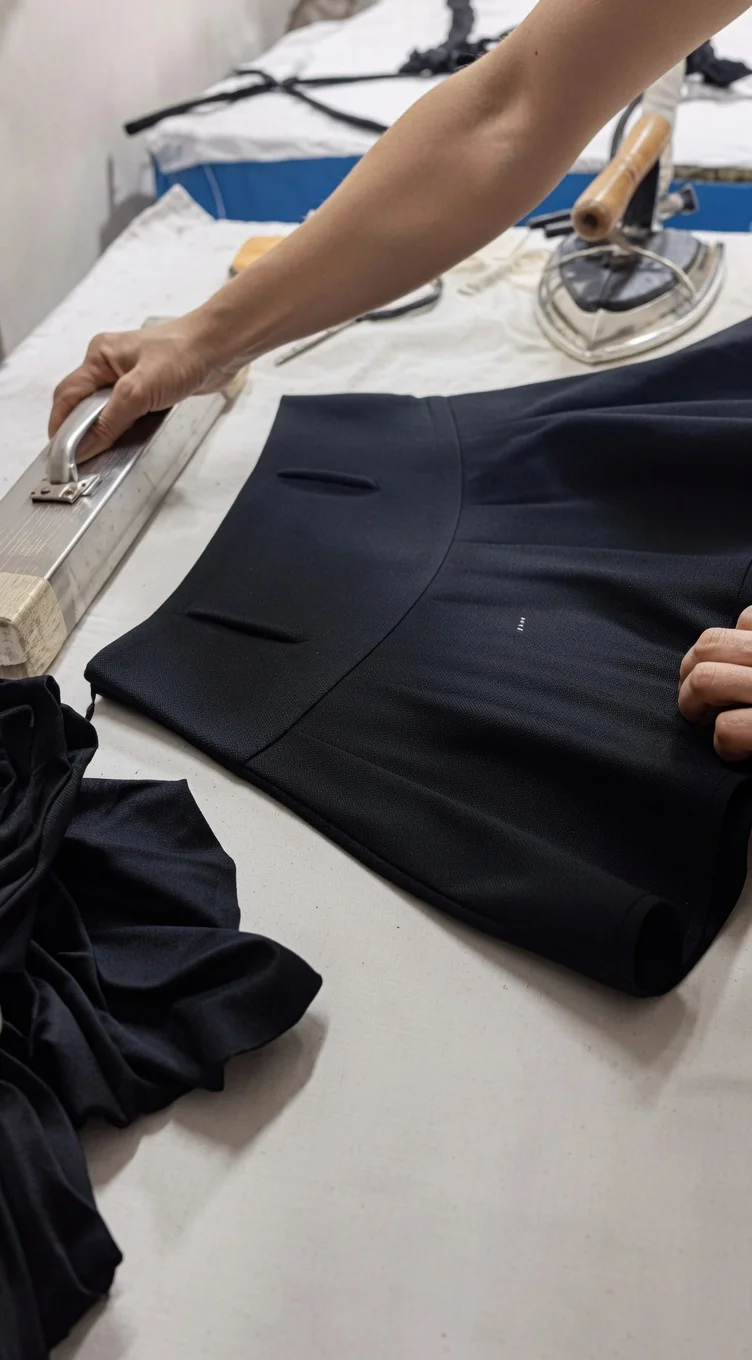
Fast Sampling & Rapid Iteration — From Idea to Sportswear Sample in 7–15 Days
When evaluating a manufacturer, ask a more specific question than "How fast are your samples?" Ask: "Do your samples share production capacity with bulk orders?" If the answer is yes, your samples will always be deprioritized. What you want is a structurally separate sampling operation — dedicated team, independent schedule, no queue contention with commercial production.
- Dedicated sampling studio — no queue behind bulk production orders
- Digital tech pack reviewed and locked before any fabric is cut
- Unlimited revisions — you do not pay for iteration rounds
- Test multiple fabrics and colorways in parallel to decide faster
Solution #3
"Your activewear products arrive as blank garments in generic poly bags. No labels, no tags, no packaging — nothing that tells customers who you are. Every unboxing of your yoga wear, compression gear, or team kits is a missed opportunity to build recognition."
Internal Data & Insight
Branding is not decoration — it is supply chain architecture. When labels, tags, and packaging come from separate vendors, you inherit three supply chain problems: color variance across suppliers, cascading delays when any single vendor runs late, and diffusion of accountability. No single supplier owns the outcome because no single supplier was asked to.
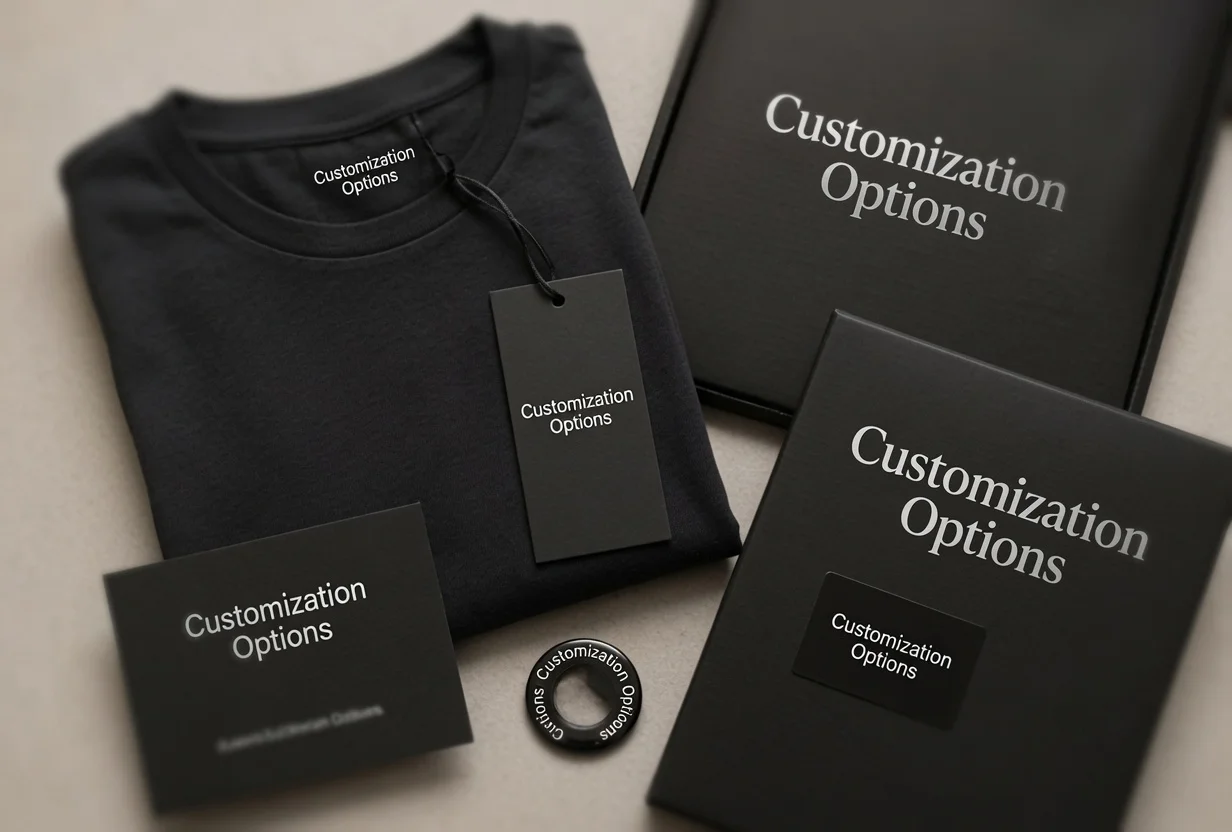
Complete Brand Identity — Labels, Tags, Packaging Under One Roof
The procurement error to avoid is fragmenting your brand identity supply chain. When labels, tags, and packaging are sourced across multiple vendors, color consistency becomes your problem, delivery synchronization becomes your problem, and accountability evaporates. Consolidate brand production under one roof and one team owns the outcome. Explore full private label capabilities →
- Woven labels, satin labels, hang tags, heat transfer labels — all one source
- Custom poly bags, tissue paper, retail boxes — consistent colors, matched delivery
- Size labels, care labels, compliance tags for your target markets
- No design files? In-house team creates everything — included in production cost
Solution #4
"First batch was promising. Second batch arrived with sizing variance, loose stitching, and color drift. Inconsistent quality destroys customer trust — and one bad review on your store can undo months of brand building."
Internal Data & Insight
Quality failures in manufacturing are rarely about bad factories. They are about factories that do not measure. Without a documented inspection standard and statistical sampling, output drifts. "Good enough" on batch one becomes a different garment by batch three. ISO 9001 is not a badge — it is an audited commitment to measurement, documentation, and corrective action.
AQL 2.5 inspection pass rate by order type (2022–2026)
Source: LeelineWear internal QC records
Certified Quality Systems — ISO 9001, OEKO-TEX, BSCI, AQL 2.5
Every factory claims to inspect. The more useful question is: to what standard? AQL 2.5 means your order is statistically sampled — a defined number of units pulled at random, measured against your approved specification, and accepted or rejected based on objective defect thresholds. ISO 9001 means the process that governs this inspection is itself audited. Both matter. Tour our ISO 9001 certified facility →
- Statistical inspection on every order — not spot-checking, not visual once-over
- Measurements verified against YOUR approved spec sheet — not a generic standard
- QC photos and reports shared before shipping — you approve before dispatch
- All certifications independently audited — not self-declared
AQL 2.5 — What gets checked on every order
Solution #5
"Shipping quotes are opaque. Customs duties appear out of nowhere. Your customers get surprise import fees. And your supplier's branding appears on the shipping label — revealing your source to your customers."
Internal Data & Insight
There are two international shipping models: EXW (Ex Works) and DDP (Delivered Duty Paid). Under EXW, ownership — and risk — transfers to you at the factory gate. You arrange freight, clear customs, absorb duties, and manage delays. Under DDP, a single party bears responsibility door to door with all costs included upfront. EXW appears cheaper on the quote because it excludes everything that goes wrong. DDP costs what it costs — and you know that number before committing.
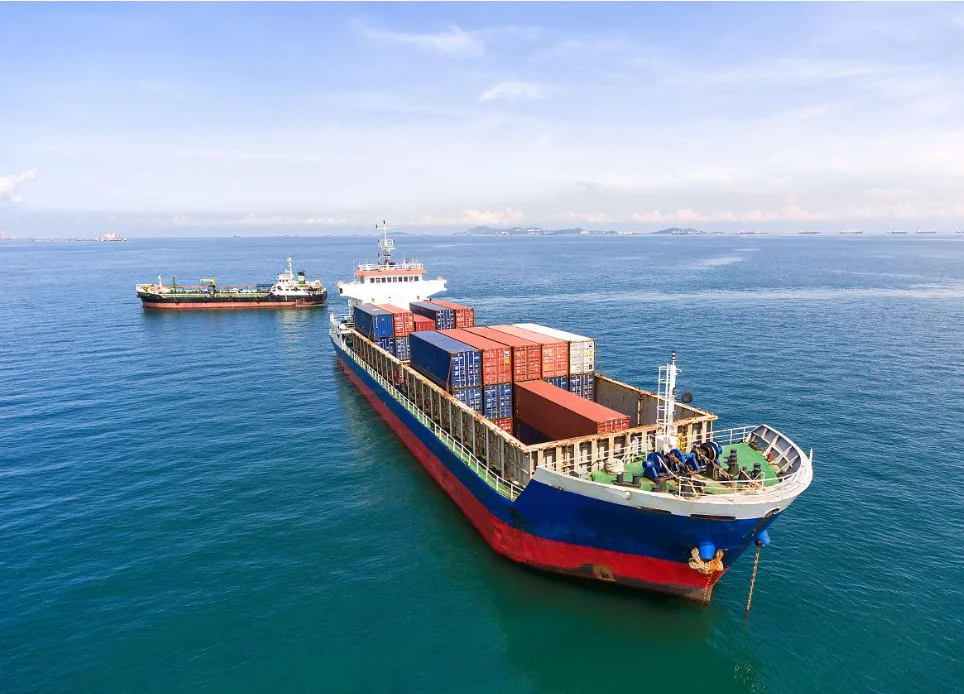
Global Fulfillment to 40+ Countries — No Surprise Fees, No Supplier Labels
Accept EXW terms only if you maintain your own freight forwarder and understand the customs clearance process in your destination market. For everyone else, the correct answer is DDP — a single upfront price covering duties, taxes, freight, and delivery. And if you sell direct-to-consumer, blind dropshipping is non-negotiable: your customer should never see a factory name on their package. See packaging & fulfillment standards →
- All duties and taxes included upfront — no surprise bills at delivery
- Packages leave under your brand, not the factory's
- Amazon FBA prep, labeling, and direct fulfillment center delivery
- Real-time tracking from factory floor to customer door
Client Results
Three Founders. Three Countries. One Principle.
Different products, different markets, different starting points. The common thread: validating demand at low volume before committing to scale.

Case 01 — Founder, DTC Activewear Brand (USA)
200→5,000
Units/month in 8 months
<0.3%
Defect rate across 6 orders
4.7★
Store rating maintained
- ✓ 200→5,000 units/month — scaled the winner, dropped the rest
- ✓ Defect rate under 0.3% across every order
- ✓ 4 seasonal collections/year — same quality at every volume
LeelineWear client since 2023. Data from production records.

Case 02 — Founder, Creator-Led Label (UK)
14 days
Sketch to approved sample
0→1
No design files → full brand launch
83%
First-drop sell-through
- ✓ 14 days from sketch to approved sample — 6 weeks ahead of timeline
- ✓ Zero design experience — brand assets built from scratch by our team
- ✓ Blind dropshipped to customers in 12 countries from day one
LeelineWear client since 2024. Data from production records.
Case 03 — Founder, Private Label Retailer (Australia)
3→12
SKUs in 18 months
5/5
On-time delivery record
0
Quality-related returns in 2025
- ✓ 5 out of 5 orders delivered on or ahead of schedule
- ✓ Zero quality-related returns across all orders in 2025
- ✓ Amazon FBA-compliant — ready to sell the day it arrives
LeelineWear client since 2023. Data from production records.
Why Infrastructure Matters
The Sportswear Manufacturing Infrastructure Behind These Solutions
Not a trading desk. Not a middleman. Real infrastructure means your order is not someone else's side project. <a target='_blank' rel='noopener noreferrer' href='/about/' class='text-cream/60 underline hover:text-cream'>Visit our facility in China →</a>
Statistics tracked across 200+ emerging brand clients (defined as brands with under $1M annual revenue at first order), January 2022 – June 2026. "Client retention" defined as at least one reorder within 12 months of first delivery.
Common Questions
Frequently Asked Questions
Answers to the questions emerging brands ask most about these solutions, the process, and how the partnership works.
The next step does not cost anything.
Send Us Your Brief. Get a Production Plan Within 24 Hours.
You will receive fabric options, a production timeline, and per-unit pricing based on your specific requirements. No commitment. No pressure. Just the information you need to make a sourcing decision.
Also read: Team & Sports Uniform Apparel — the same procurement discipline for club, school, and esports uniform orders. And Boutique & Premium Lifestyle — small-batch, high-craft production for boutiques and independent designer labels. And Sportswear Manufacturers in the USA — a vetted shortlist of US cut-and-sew facilities, and the questions that separate a real activewear shop from a decorator. And Golf Apparel Manufacturing — performance polos, outerwear and knitwear engineered for on-course use. And Streetwear Manufacturing — heavyweight 320–500 GSM fabrics, custom washes and oversized fit engineering. And Tennis Clothing Manufacturing — performance knits, UV protection and private-label club kit.