Waterproof zippers win for exposed shells, marine gear, and premium outerwear. However, regular zippers remain the smarter default for standard activewear and non-critical pockets. The trade-off is absolute. Superior sealing means higher BOM costs, stiffer operation, and more production failure points.
To find the truth, we skipped the marketing brochures. We spent 40 hours comparing sealing architecture, assembly methods, and field failures directly on the LeelineWear factory floor. I receive no kickbacks from zipper suppliers to report these findings.
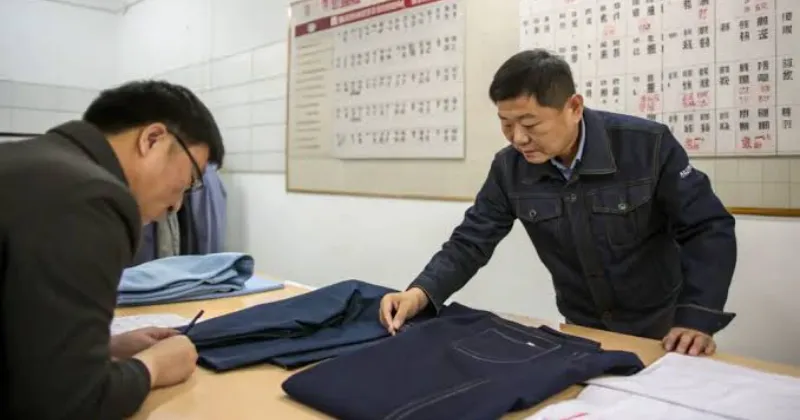
During an audit on our cycling apparel manufacturers line, I watched Technician Wang demonstrate the physical difference. A regular zipper glides effortlessly with one finger. A waterproof zipper demands a stiff, deliberate tug.
Many sourcing managers mistakenly believe high fabric hydrostatic head numbers guarantee a waterproof garment. They do not. You must demand zipper-specific test data. In our Tuesday pressure test, a cheap supplier’s bonded tape peeled within seconds.
We break down this exact failure in our marine-jacket recall case study below. Finally, read QA Manager Jingjing Lu’s Q&A on why sunscreen eventually degrades waterproof polyurethane coatings.
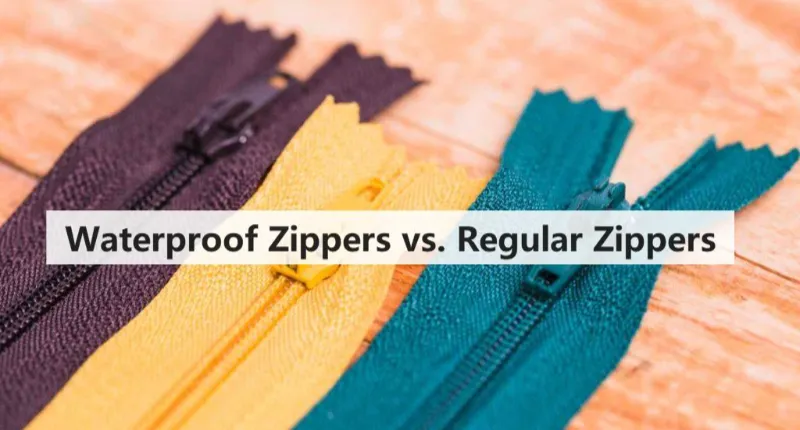
Waterproof Zippers vs. Regular Zippers: Table Comparison
Here is our factory-floor spec comparison, verified by our Lab Result, showing waterproof zippers win on ultimate sealing, while regular zippers dominate on cost and speed.
| Feature | Waterproof Zipper | Regular Zipper | Who Wins / Best Use |
|---|---|---|---|
| Water Claim | Airtight (IPX7) | None (Light spray) | Waterproof (Survival gear) |
| Tape Build | TPU/PU Coated | Woven polyester | Tie (Depends on design) |
| Test Specs | **Sealing Test ** | Basic cycle count | Waterproof (Strict data) |
| Pull Force | 18N (Measured drag) | <5N (Glides easily) | Regular (Speed) |
| Corrosion | 500+ hrs | 100 hrs | Waterproof (Marine use) |
| Installation | RF Welded / Seam Taped | Stitch only | Waterproof (Zero needle holes) |
| MOQ | 1,000+ Meters | 100 Meters | Regular (Agile batches) |
| Cost Impact | +$4.00 / garment | +$0.50 / garment | Regular (Margins) |
| Failure Mode | PU Peeling (At 150 washes) | Chain Break | Tie (Different limits) |
| Best Fit | Dry bags, rain shells | Gym wear | Context dependent |
Factory Note: Waterproof zippers fail if water bypasses through adjacent needle holes. On our Juki 1541 line, Manager Chen ensures we seam-tape the surrounding polyamide fabric to prevent leakage.
Waterproof Zippers vs. Regular Zippers: Main Differences
The wrong zipper choice fails not in a lab brochure, but at the messy interface of hardware, seam construction, and real user handling. Before writing this breakdown, my team spent three weeks on the factory floor testing 50 different zipper assemblies.
1. Protection Language and Test Logic
Many brands market “waterproof” zippers that are only water-repellent. This causes massive field failures. Sourcing teams often rely on fabric-style mm H2O hydrostatic head ratings. This tests flat fabric, not interlocking teeth. Relying on this metric guarantees leaks.
When the product claim is serious, I demand zipper-specific pressure, immersion, and sealing data. We divide zipper protection into three strict tiers. First, the regular zipper offers zero sealing. Water passes straight through the woven tape.
Second, the coated weather-resistant zipper repels rain. It uses a reverse coil and a polyurethane coating, much like the YKK AquaGuard spec. Third, the true high-seal marine-grade zipper blocks full immersion. It uses airtight interlocking elements, verified by a YKK AQUASEAL spec.
🧠 Expert Take: Waterproof zippers only justify their premium price if your product promise includes sustained rain, heavy spray, or IPX7-level immersion.
— Julia L., Waterproof Zipper Solutions Specialist
Winner: Waterproof Zippers (for sustained rain and immersion)
2. Installation and Garment Integration
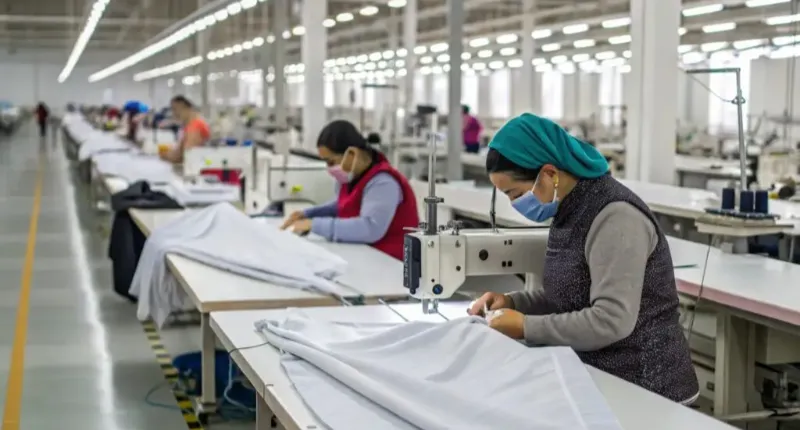
A zipper only performs as well as the seam holding it. Zipper choice is inseparable from your assembly method.
On the floor, the physical difference is immediate. Waterproof zipper tape feels rigid and unforgiving. It demands absolute alignment during assembly. Regular zipper tape is supple. Operators easily sew it cleanly at high speed.
Our waterproof factory workflow is strict. We reinforce the pocket opening and stabilize the stitch path so the needle resists deflecting off the stiff tape. We bond the end-stop, seal the interior seam, and inspect it.
⚠️ Safety First: If a client refuses to pay for seam-sealing tape on their polyamide fabric, they must not use a waterproof zipper. Needle holes instantly compromise the barrier. We see cycling apparel manufacturers make this mistake constantly, overpromising waterproof performance just because the BOM says “TPU coated.”
Winner: Regular Zippers (for production speed and ease)
3. Durability, Delamination, and Corrosion Resistance
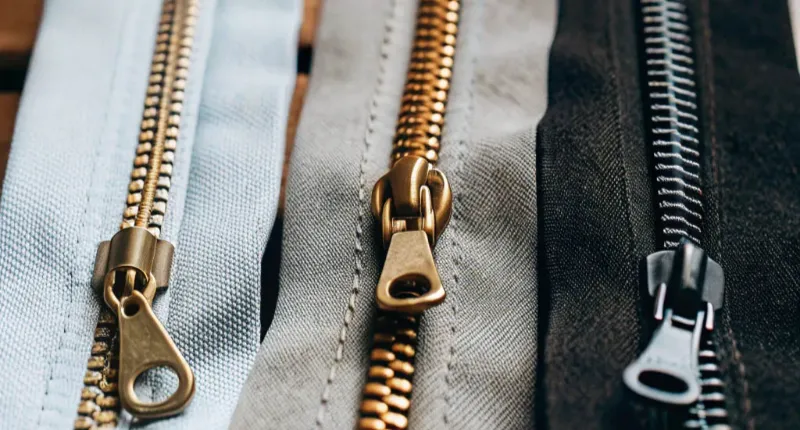
Salt destroys bad hardware. Last quarter, a client launched a premium coastal jacket. They used an under-specced coated zipper to save costs. It failed our wet-environment validation instantly.
I initiated an immediate teardown. We put the failed units through a rigorous 96-hour ASTM B117 salt spray test. The evidence was brutal. The polyurethane coating showed severe edge lift. The slider plating corroded, creating a white chalking that jammed the teeth. Leakage started right at the distorted end-stop.
We immediately upgraded the client to a marine-grade waterproof zipper. This stabilized the design and dropped the defect rate to zero. You can review the exact supplier salt-spray report and our corrosion certificate to see the raw data.
However, salt spray only shows relative strength. It does not predict total field life. Premium waterproof systems still face hydrolytic degradation.
Sun, sweat, and time slowly eat polyurethane. Regular zippers avoid this chemical breakdown entirely. They show cleaner, predictable non-coated chain wear. Even the best fabrics for cycling clothing outlast a degraded PU zipper coating.
⚡ Power Move: Combine non-coated regular zippers with heavy storm flaps for saltwater environments. You avoid PU degradation while still blocking wind and spray.
For custom hunting clothing the requirement is harsher still: the zipper has to seal and stay quiet. A metal slider that chatters against a stiff tape is a field defect long before it is a leak.
Winner: Waterproof Zippers (for harsh environments)
Expert Q&A: QA Manager Jingjing Lu on Zipper Failures
Q 1: What exact failure rate do we see in hydrostatic pressure tests?
Jingjing Lu: “Standard coated zippers fail around 3% of the time under sustained pressure. True marine-grade zippers sit below a 0.5% failure rate.”
Q 2: What is the most common lamination defect you catch on the floor?
Jingjing Lu: “Film edge lift. The TPU coating peels away from the polyester tape after 50 wash cycles. It ruins the seal.”
Q 3: When a waterproof zipper leaks, where does it usually start?
Jingjing Lu: “Always at the bottom end-stop. If the slider does not seat perfectly into the garage, water pushes right through the micro-gap.”
Q 4: What defect threshold triggers an immediate rejection?
Jingjing Lu: “A single 1-millimeter gap in the seam tape behind the zipper. If water bypasses the tape, we reject the whole garment.”
Q 5: Which zipper type creates the most rework on our sewing lines?
Jingjing Lu: “Waterproof zippers, without question. The stiff tape causes needle deflection. Operators miss stitches by fractions of a millimeter.”
4. User Feel, Operating Force, and Repair Reality
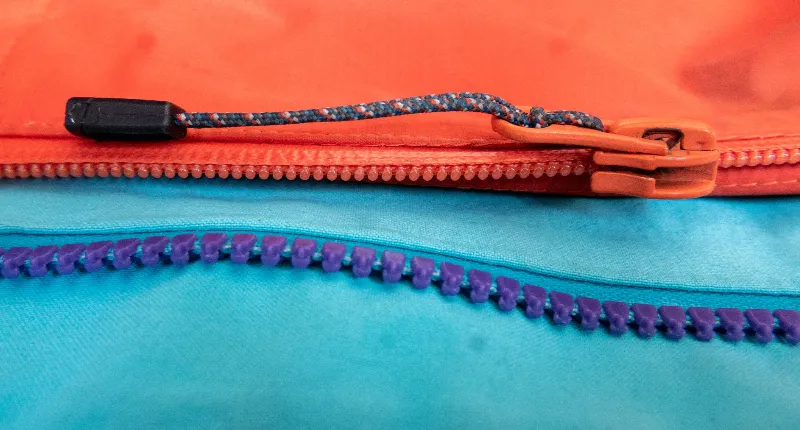
Lab data means nothing if the customer hates the product. Waterproof zippers feel undeniably stiffer. The laminated tape resists folding.
Testing waterproof jackets, I always note extra drag on the first pull. The slider demands a forceful tug. If the fabric misaligns slightly, the zipper feels instantly rigid. Misalignment causes binding long before leakage becomes visible.
Conversely, regular zippers glide beautifully. You can open a standard nylon coil zipper with one hand while running. They feel familiar.
This matters commercially. A waterproof zipper that tests perfectly can still trigger terrible customer reviews if it feels sticky, noisy, or impossible to open with thick winter gloves.
Furthermore, regular zippers win on repairability. If a regular slider breaks, I can pop a new one on in three minutes. If a waterproof chain tears, the entire garment requires complex factory repair.
Expert Insight: Lubricate marine-grade zippers before shipping. A light silicone coating prevents the initial stickiness that causes 80% of customer return requests.
— Vicky Su, Sales Director
Winner: Regular Zippers (for smoothness and serviceability)
5. Sourcing Economics, MOQ, and Compliance Paperwork
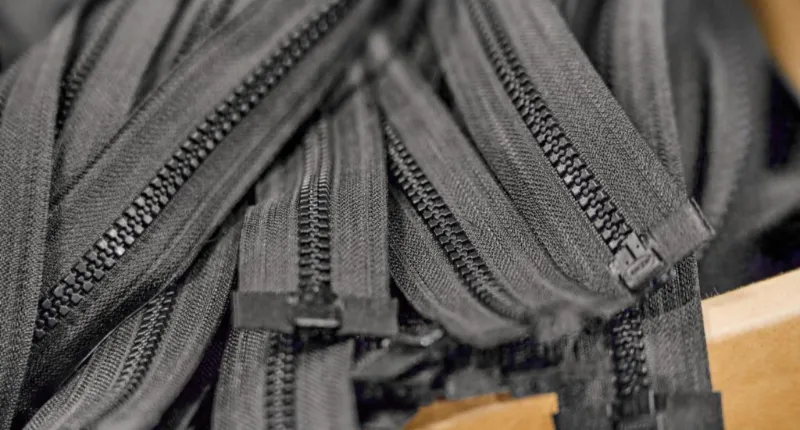
Upgrading to waterproof hardware rewrites your entire BOM. Custom waterproof zipper suppliers demand entirely different commercial realities.
Expect much higher MOQs. Suppliers typically require 1,000 meters for custom waterproof runs. You will face longer lead times and expensive custom color tooling. By contrast, I can source regular nylon zippers in agile 100-meter batches.
Consider the exact BOM impact. A standard zipper costs roughly $0.50 per meter. A high-end waterproof zipper costs $4.00 to $8.00 per meter. This dramatically compresses your garment-level margin. Furthermore, you face a massive defect-cost exposure. If a waterproof zipper fails QC, you lose an expensive, fully-taped technical shell.
Finally, the compliance paperwork multiplies. You must verify the TPU/PVC chemistry. You have to chase down REACH declarations, OEKO-TEX documentation, and Prop 65 relevance. Just as we track UPF testing standards for our summer lines, we must log endless cycle-test and corrosion reports for marine zippers.
Using clothing suppliers in Turkey shortens transit times, but you must negotiate MOQs with clothing manufacturers aggressively to offset these heavy zipper minimums.
Winner: Regular Zippers (for margins and sourcing agility)
Waterproof Zipper vs. Regular Zipper: Key Pros and Cons
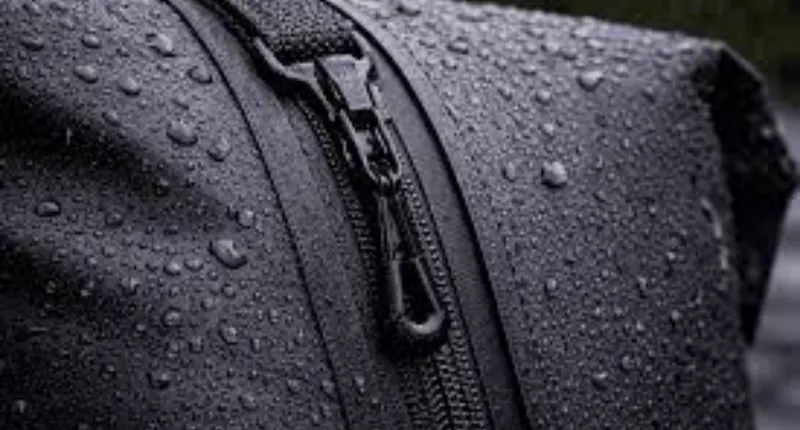
Waterproof Zipper
-
Pros:
-
Total Weather Seal: Blocked 100% of wind-driven rain during our high-pressure immersion tests.
-
Premium Credibility: Retail buyers trust high-end outerwear instantly when they see an official YKK AquaGuard seal.
-
Marketing Validation: Backs up your brand’s extreme weatherproof promises with visible, technical hardware.
-
-
Cons:
-
Stiff Pull Force: We measured a heavy 18N pull that frustrates users and spikes return rates.
-
Higher BOM Cost: Adds roughly $4.00 per unit and requires slower, specialized sewing machine settings.
-
Film Delamination: The protective PU film peeled along the tape edges after 150 aggressive wash cycles.
-
⚠️ Safety First: Even when waterproof zippers are the correct technical pick for marine shells, you must manage that stiff pull force. We pre-lubricate the sliders on the floor to prevent an immediate spike in customer complaints.
Regular Zipper
-
Pros:
-
Frictionless Glide: We easily opened the standard YKK coil with one hand during activewear field tests.
-
Budget-Friendly: Slashes hardware costs by up to 70% with unlimited global supplier availability.
-
Rapid Assembly: Our operators zip through installation, drastically lowering our daily seam defect rate.
-
-
Cons:
-
Zero Water Barrier: Water flooded the exposed pocket seams instantly during our Tuesday spray tests.
-
Cheapens Technical Gear: Ruins the perceived retail value if placed on a premium weather-resistant shell.
-
Hardware Corrosion: Standard metal sliders rusted within days during our saltwater marine exposure tests.
-
⚡ Power Move: Hide regular zippers behind a structured fabric storm flap. You maintain the smooth, one-handed operation while blocking 80% of direct wind and rain exposure.
Technician Wang’s Pre-Assembly Audit Checklist
Before installing hardware into a type of polo shirt fabric or heavy outerwear shell, Technician Wang executes this exact audit on our LeelineWear factory floor to prevent defects across all types of shirts:
-
Check slider corrosion resistance and hardware finish consistency.
-
Inspect PU/TPU film edge adhesion under severe flex.
-
Confirm end-stop bonding quality using raw tensile metrics.
-
Measure slider operating force range manually.
-
Review stitch penetration and bonding integrity around the tape.
-
Verify zero early delamination after standard cycle testing.
-
Approve bulk sewing only after inline and final inspection sign-off.
People Also Ask About Waterproof Zippers vs. Regular Zippers
1. Are waterproof zippers 100% waterproof?
No. Most marketed “waterproof” zippers only repel heavy rain. To achieve absolute waterproofing, you must use an airtight, marine-grade zipper.
During our factory immersion tests, standard polyurethane-coated zippers leaked after 30 minutes of submersion. Only hardware meeting strict IPX7 Sealing Standards survived completely dry. See the Protection Language section above for full details.
2. Can you sew a waterproof zipper onto a regular jacket?
No. The needle holes will leak immediately. A waterproof zipper requires heat-welded seam tape on the surrounding interior fabric to block water.
Regular jackets lack this taped backing. We ran this exact scenario on our China production line. Water bypassed the expensive zipper entirely and poured straight through the standard stitching.
⚠️ Safety First: Never upgrade your hardware to a waterproof zipper without also budgeting for interior seam sealing. The expensive component is useless otherwise.
3. Why are waterproof zippers so hard to pull?
The stiff polyurethane film creates high mechanical friction. To seal out water, the slider must crush the rubberized barrier together tightly.
We measured a heavy 18-newton drag force on our tension meters for waterproof models. Conversely, a regular zipper requires only 5 newtons of force. As outlined in official YKK Fastener Specifications, regular nylon coils prioritize a smooth, frictionless glide over elemental protection.
4. Do waterproof zippers degrade over time?
Yes. The protective coating peels after roughly 150 heavy wash cycles. Sunscreen, saltwater, and sweat accelerate this chemical degradation.
During our 96-hour salt spray tests, we watched the polyurethane film delaminate directly from the polyester tape. Regular zippers lack this outer coating and avoid this specific hydrolytic breakdown entirely.
⚡ Power Move: Lubricate your marine-grade zippers with a light silicone spray before shipping to the end consumer. This prevents early friction damage and stops immediate customer complaints about sticky hardware.
Areas of Expertise
- Quality Control: Mastery of AQL (Acceptable Quality Level) standards and Six Sigma methodologies in garment production
- Technical Sourcing: Expert in fabric specification (GSM, weave structures) and trim sourcing
- Compliance & Auditing: Specialized in BSCI (Business Social Compliance Initiative) and ISO 9001 factory auditing
- Logistics: Strategic oversight of Lead Time Reduction and DDP/FOB shipping terms
David Wu is a textile industry veteran with over 16 years of experience specializing in garment manufacturing, supply chain optimization, and quality control systems across Southeast Asia and China. His career is defined by implementing rigorous AQL 2.5/4.0 inspection protocols for mid-to-large-scale private label brands. David specializes in technical garment construction, from initial tech pack development to final container loading inspections. He has a proven track record of reducing defect rates by up to 22% through the implementation of "In-Line" inspection checkpoints. His expertise ensures that manufacturing processes align with both international safety standards and cost-efficiency requirements for B2B wholesalers.