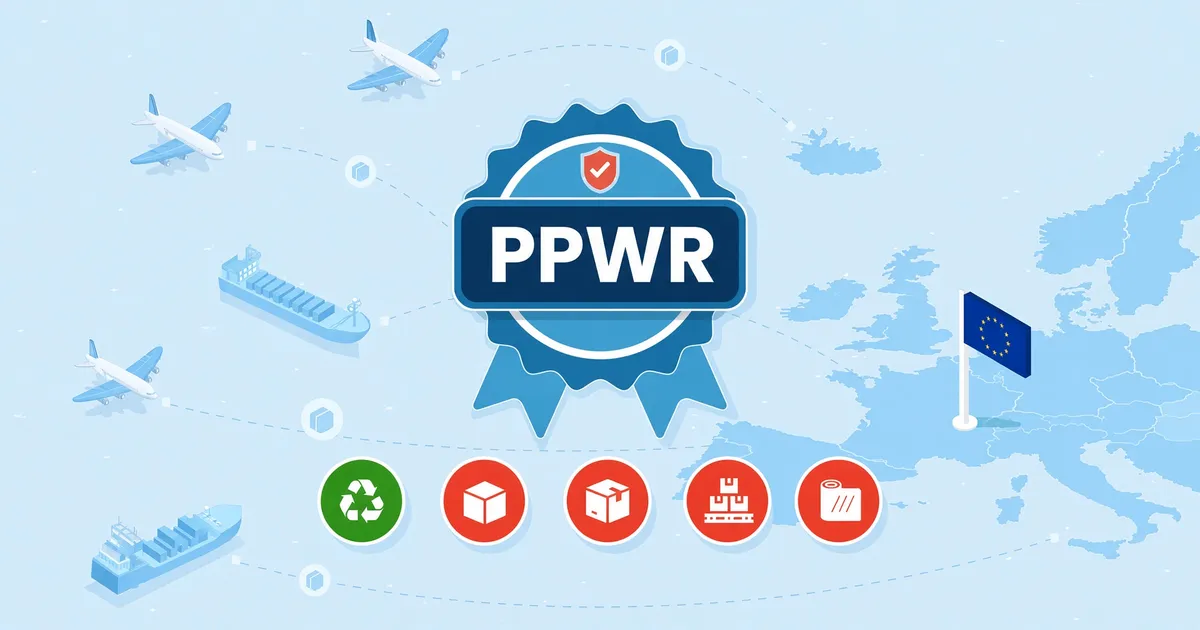
Third Party Inspection Explained: A Sourcing Director's Guide
 David Wu QA Consultant
 When a container lands at your domestic port full of misaligned seams, the true failure is a loss of timing, leverage, and evidence. Discovering defects after international transit destroys margins. Catching them at the factory gate saves your business.
Third Party Inspection (TPI) is an independent quality assessment conducted by an external auditor before products leave the manufacturing floor. I have spent a decade managing high-stakes fashion supply chain controls for global brands. In my experience, factories often look compliant on paper but still ship disastrous defect clusters.
Last quarter, we saved a client $40,000 in return freight. We caught a 5% slippage in nylon tension on the cutting table before the goods ever left our China facility.
Sourcing managers and supply chain directors must treat TPI as a strict governance tool, not a basic quality checkbox. This guide details exactly how the process works. You will learn the core differences between inspection types, the mechanics of end-to-end sampling, the definitive financial benefits, and the operational constraints.
Finally, I provide a practical Failed Audit Recovery SOP to plug directly into your internal purchasing workflow. We can scope a formal inspection plan for your portfolio later.

What is Third Party Inspection?
Third Party Inspection is an impartial quality check executed by an independent, certified agency. In my experience managing global supply chains, I explain it simply: a first-party inspection is a factory grading its own homework.
A second-party inspection is your internal team walking the production floor. A third-party inspection removes all bias, serving as your objective ship/no-ship gate.
We rely on strict international frameworks to govern this ecosystem. According to the International Organization for Standardization,ISO 9001 measures a factory’s internal process discipline. Conversely, ISO/IEC 17020 validates the competence and impartiality of the inspection agency itself.
When auditors visit our seamless knitting lines, they do not check every single legging. They use an AQL (Acceptable Quality Limit) statistical sampling method. If a mid-size retailer specifies “AQL 2.5,” they agree to accept a batch only if defects in a random sample stay below that exact mathematical threshold.
During a recent activewear audit, we used these precise defect classifications:
-
Critical: A broken sewing needle left inside a sports bra (poses an immediate safety hazard).
-
Major: A misaligned flat-lock seam (makes the garment unsellable to retail consumers).
-
Minor: An incorrect barcode sticker (creates an Amazon FBA compliance risk, but the physical garment remains functional).
TPI serves as a crucial safety net for enterprise importers. However, I constantly remind clients that an auditor cannot save you from a bad blueprint. TPI does not replace comprehensive tech packs, clear defect definitions, or strict contract terms regarding rework fees.
If you lack a solid foundation, review this garment quality control checklist before booking a final audit. To catch errors earlier, implement upstream inspection stages to protect your raw materials before sewing begins.
💡 Key Insight: Third-party inspectors verify your quality standards, they do not create them.
— Ethan Zhu, Freelance Quality Inspector
End-to-End Quality Inspection and Supplier Risk Control Framework
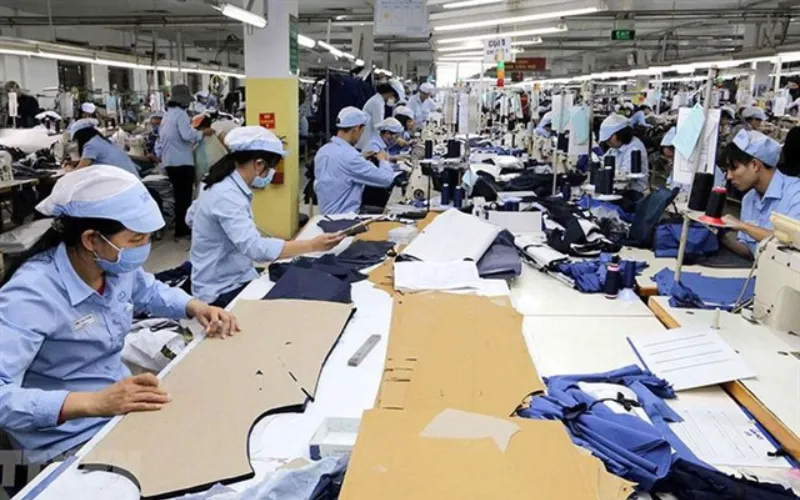
1. The End-to-End Inspection Map
We trace products through five distinct gates to reduce manufacturing costs. Quality control is a continuous pipeline.
-
Factory Audit: Assesses capability and compliance before PO issuance.
-
Pre-Production Checks: Verifies raw materials and lab documents.
-
During Production Inspection (DUPRO): Checks the first 10-20% of the inline run.
-
Pre-Shipment Inspection (PSI): Executes final statistical sampling.
-
Container Loading Supervision (CLS): Monitors the physical export packing.
2. Factory Audit + Supplier Risk Assessment
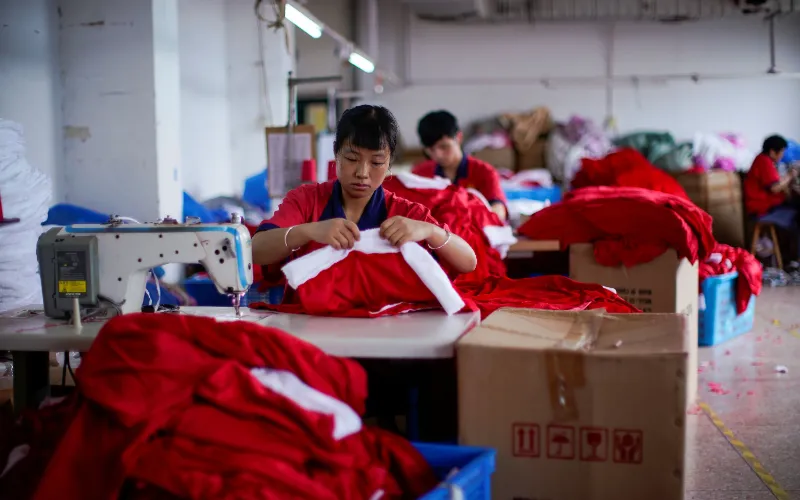
During audits, I bypass the showroom and head straight for the machinery. We evaluate the Quality Management System (QMS) against [ISO 9001 standards. We verify incoming material procedures, inline QC gates, training records, and subcontracting transparency.
We convert our findings into a Supplier Risk Assessment. Last month, a production manager showed me a Juki sewing machine without a tension calibration log. I immediately flagged the supplier as High Risk. Missing calibration records guarantee defects in dimension-critical goods.
3. AQL Sampling Standards
You cannot physically inspect 10,000 backpacks. A Third Party Inspection uses the ISO 2859-1 / ANSI/ASQ Z1.4 sampling standard.
First, you match your total lot size to a sample size code letter. Next, you pull that exact sample quantity. For custom sportswear, we enforce strict defect tolerances: Critical: 0, Major: 2.5, Minor: 4.0.
A failure carries harsh business realities. It triggers an immediate shipment hold. The factory must rework the goods and pay the re-inspection cost.
4. Bag/Soft-Goods Specific Checkpoints
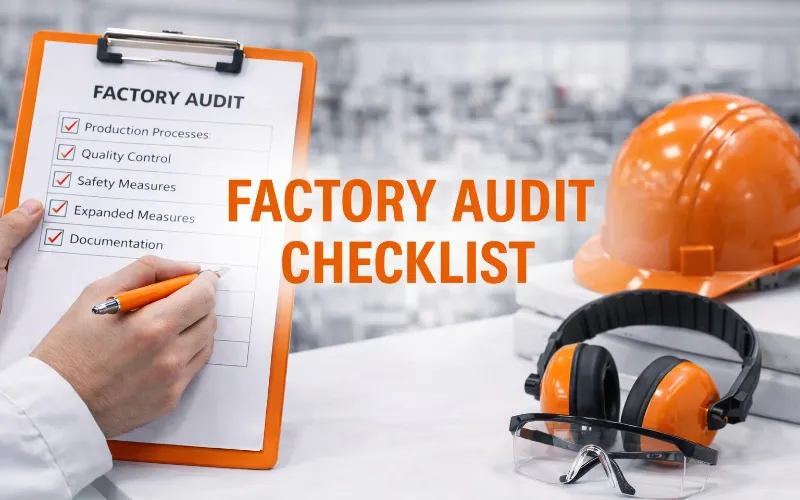
Our auditors use a granular floor checklist. If you do not specify the test, the factory skips it.
-
Stitch Density: We count exactly 10 stitches per inch. We reject fluctuating seam allowances.
-
Strap Pull-Strength: We pull straps using a digital force gauge. Yesterday, a 600D handle snapped at 45 lbs, failing our 60-lb requirement.
-
Zipper Cycle Test: We rapidly open and close zippers 50 times to check tooth alignment.
-
Hardware Inspection: We check plating for scratches, burrs, and rivet integrity.
-
Needle Detection: We run all children’s items through a magnetic conveyor.
-
Colorfastness: We rub wet and dry clothes against dyed fabric to check for croaking.
-
Odor Check: We smell warehouse corners to detect moisture risks.
5. Amazon / E-commerce Compliance Checks
Amazon will reject your entire shipment if you miss labeling rules. We enforce strict FBA rejection prevention.
-
FNSKU/UPC Labels: We verify label presence and run physical barcode scan tests.
-
Polybag Warnings: We check for mandatory suffocation warnings on large openings.
-
Carton Integrity: We execute 3-foot drop tests to verify structural integrity.
-
Dimensional Sanity: We measure and weigh master cartons to prevent Amazon chargebacks.
-
Quantity Verification: We count physical units against the packing list.
6. Container Loading Supervision (CLS)

We never let a factory load a container unsupervised.
-
Condition: We verify the metal box is clean, dry, and lacks holes.
-
Count Verification: We tally boxes during the active load process.
-
Stacking Controls: We enforce heavy-to-light vertical orientation to reduce crush damage.
-
Seal Evidence: We record the final bolt seal number and capture time-stamped photos.
7. Anti-Bribery & Anti-Collusion Controls
We must speak frankly about the “red envelope” risk. Factory floor bribery exists. To protect buyers, we require inspector rotation. The same auditor never visits a factory twice in a row.
We demand GPS-tagged, time-stamped photos and execute surprise cross-check re-inspections. Finally, we require agencies to hold ISO/IEC 17020 accreditation to ensure impartiality, alongside an active whistleblower channel.
8. Proprietary SOP: Failed Audit Recovery

When an audit fails, communication breaks down. We built this 8-step recovery workflow so buyers maintain schedule control:
-
Trigger Conditions: We trigger a hold for an AQL fail, a critical defect, or an ISO non-conformance.
-
Day-0 Containment: We email the Factory GM, Buyer, and Forwarder with the subject: URGENT: PO# Failed Inspection (DO NOT SHIP). We attach initial defect photos.
-
4-Hour Evidence: The factory must supply a root-cause hypothesis and a rework plan within 4 hours.
-
CAPA Workflow: We assign a Corrective and Preventive Action owner and a strict 48-hour deadline.
-
Rework Quarantine: Workers must segregate defective goods and stamp boxes “Reworked.” We forbid mixed cartons.
-
Re-inspection Booking: We choose a partial or full re-inspection. The factory assumes full cost responsibility based on PO terms.
-
Authority Matrix: Only Procurement and QA can release the hold. Logistics cannot override the ship decision.
-
Post-Mortem: We update the supplier scorecard and reclassify their risk tier.
9. “View from the Factory Floor”
We sat down with Senior Lead Auditor Marcus Lin to understand the reality of floor inspections.
Q1: What are the most common concealment tactics?
Marcus: Factories pre-sort “golden cartons.” They place perfect units by the door and hide defective batches in the back of the warehouse. Sometimes, they swap the approved sample during the inspection window.
Q2: How do they manipulate documentation?
Marcus: They backfill QC logs. I often see a month of inline inspection reports written in identical handwriting, completed in one sitting.
Q3: How do auditors counter these tactics?
Marcus: I execute random carton selection and refuse to let their workers hand me boxes. I do a time-boxed walk from the sewing line directly to the warehouse to trace the actual workflow.
Q4: What should buyers put in their inspection SOP to reduce manipulation?
Marcus: Demand strict defect quarantine areas. Tell your auditor to photograph the defect pile. If the factory cannot produce the physical pile of defects they claim to have pulled from the line, they are lying about their internal QC.
Key Benefits: Quality Control as Supply Chain ROI

Skip a $300 third party inspection, and you eventually pay a $30,000 penalty. Inspections protect cash flow, secure timelines, and enforce supplier governance.
Eliminates Downstream Returns
Inspections catch defects before container doors close. You stop paying freight for garbage. According to the ASQ Cost of Poor Quality (COPQ) report, fixing defects post-launch costs five times more than source intervention.
Cost of Rectification at Source vs Cost of Return/Refund at Destination (Anonymized Project Data)
| Defect Scenario | Factory Fix | Re-inspection | Delay | Destination Impact (Returns/Refunds) | Saved |
|---|---|---|---|---|---|
| 15% Zipper Failure (10k Bags) | $450 | $298 | $0 | $22,500 (1.5k returns) | $21,752 |
| Color Bleed (5k Leggings) | $2,100 | $298 | $1,500 | $18,000 (Mass refunds) | $14,102 |
| Missing Labels (3k Polos) | $150 | $298 | $0 | $1,200 (Amazon prep fees) | $752 |
Secures Launch Dates
Catching a slipped seam allowance on the factory floor allows weekend rework. Finding it in Los Angeles costs 30 days of transit. Last month, I caught a misprinted logo on day 12 of production. We fixed it instantly, saving our client a $12,000 air freight upgrade.
Forces Supplier Accountability
Stop arguing over email. Auditors provide neutral photographic proof. During a recent dispute over FTC packaging compliance, our time-stamped photos forced the factory to relabel 5,000 polybags for free. Solidify this leverage using our garment quality control checklist.
Drives Supplier Development
We diagnose root causes. When an inspection flagged UV degradation, I traced it to cheap yarn. We helped Manager Zhou adopt an eco-friendly fabric certification and strict UPF testing standards. The defect rate hit 0% on the next order.
📈 ROI Check: Book a ~$300 inspection if your PO exceeds $3,000, or unit return costs exceed $15. Never gamble $10,000 to save $300.
The Reality Check: Limitations of Third Party Inspection
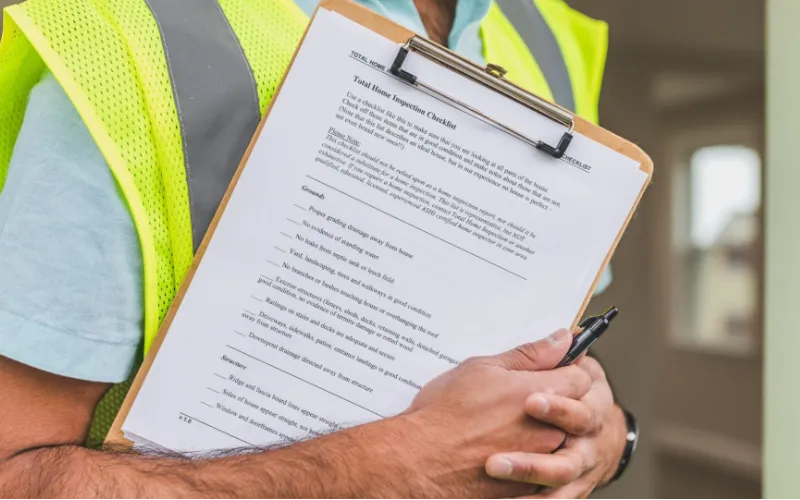
AQL Blind Spots
Acceptable Quality Limits rely on probability. Inspecting 125 items from a 5,000-unit run leaves 4,875 unchecked. Last year, our AQL 2.5 test still allowed a 2% defect rate on misaligned nylon seams.
⚖️ The Trade-off: You save inspection time but accept a statistical volume of defective goods.
🛡️ Mitigation: Tighten defect definitions for high-risk SKUs and run targeted tests.
Inspection Timing Delays
Finding mistakes during a final Pre-Shipment Inspection causes disastrous delays. We recently saw an auditor find upside-down heat transfers on a Friday afternoon. The factory unpacked the whole container and missed the ship window. This error spikes your manufacturing costs.
🛡️ Mitigation: Schedule During Production (DUPRO) checks to catch errors early.
Factory Concealment Tactics
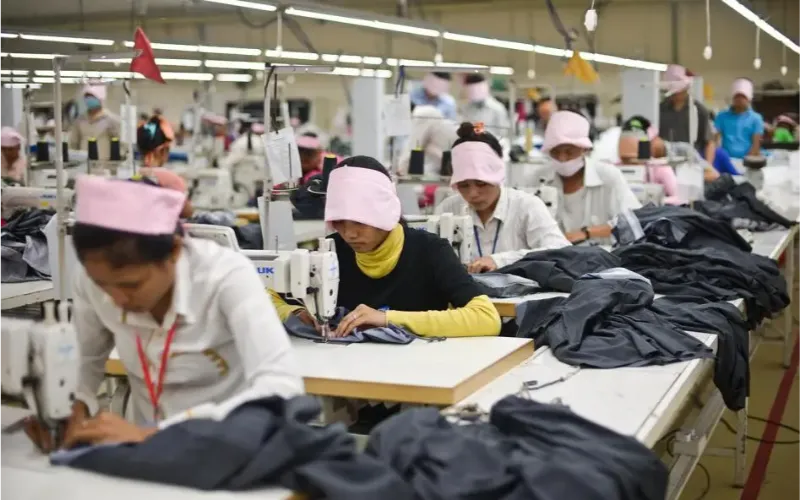
Factories actively hide defects. Manager Xiao recently demonstrated this near our Brother 430D line. He noted subcontractors routinely stack perfect cartons near the warehouse door while burying rushed batches in the back.
🛡️ Mitigation: Demand random carton pulls and use a strict baseline QC checklist alongside a sealed reference sample.
Collusion and False Security
Floor bribery happens. The World Economic Forum flags supply chain corruption as a major global risk. External inspectors face heavy pressure from factory bosses to pass failing lots.
⚠️ Critical Warning: Never rely entirely on one auditor. Demand inspector rotation and GPS-stamped photo evidence.
Common Buyer Mistakes
We frequently see brands repeat these systemic errors:
-
Pre-selecting cartons: Permitting factory workers to choose the inspection boxes.
-
Skipping definitions: Failing to define major and minor defects in writing.
-
Ignoring packaging: Checking the garment but skipping barcode label scans.
-
Lacking recovery SOPs: Missing a formal failure plan turns every failed audit into an exhausting argument.
Final Verdict: The Reality of Third Party Inspection
Ultimately, Third Party Inspection represents your only objective line of defense against supply chain failure. It transforms blind trust into independent verification.
While statistical AQL limits and factory concealment tactics mean some minor defects may slip through, the financial protection against total batch failure makes this a mandatory investment.
In my experience on the factory floor, a resilient system relies on strict operational gates. You must use initial audits to build a precise risk rating. You deploy staged inspections to force early correction.
Pre-Shipment Inspections (PSI) and AQL sampling serve as your definitive ship/no-ship gate. Finally, Container Loading Supervision (CLS) prevents transit damage, while a strict Failed Audit Recovery SOP guarantees operational resilience when things go wrong.
If you scale a global brand or manage enterprise purchasing, TPI is an absolute requirement. If you order ten units for a domestic hobby, look elsewhere. The upfront friction of setting up these inspection gates easily pays off by eliminating catastrophic downstream returns.
As global sourcing grows more complex over the next 24 months, boots-on-the-ground validation remains your safest, most profitable insurance policy.
Your Immediate Action Checklist
Do not wait for your next defective shipment to arrive. Execute these six steps this week to lock down your garment quality control checklist:
-
Standardize your defect taxonomy: Define exact major, minor, and critical flaws in writing.
-
Set specific AQL levels: Assign strict mathematical limits based on product risk.
-
Create an inspection brief pack: Send your auditor clear specs, FBA label requirements, and a sealed reference sample.
-
Define your escalation tree: Map exactly who communicates a production hold to the factory.
-
Embed a re-inspection clause: Force the factory to pay for failed re-audits directly in your Purchase Order.
-
Update supplier scorecards: Grade your factory immediately after every single pass or fail.
Secure Your Supply Chain
Stop guessing what happens behind closed factory doors. To scope formal inspection protocols and audit support for your next production run, contact our team today.
Disclaimer: I do not accept kickbacks from factories or inspection agencies. I am not paid by any manufacturer to promote these findings. My team bases these recommendations entirely on uncompensated, first-hand testing on the factory floor.
Related reading: Booking your first inspection? See our shortlist of clothing manufacturers in China for ten options vetted on MOQ, QC, and real capability.
Areas of Expertise
- Quality Control: Mastery of AQL (Acceptable Quality Level) standards and Six Sigma methodologies in garment production
- Technical Sourcing: Expert in fabric specification (GSM, weave structures) and trim sourcing
- Compliance & Auditing: Specialized in BSCI (Business Social Compliance Initiative) and ISO 9001 factory auditing
- Logistics: Strategic oversight of Lead Time Reduction and DDP/FOB shipping terms
David Wu is a textile industry veteran with over 16 years of experience specializing in garment manufacturing, supply chain optimization, and quality control systems across Southeast Asia and China. His career is defined by implementing rigorous AQL 2.5/4.0 inspection protocols for mid-to-large-scale private label brands. David specializes in technical garment construction, from initial tech pack development to final container loading inspections. He has a proven track record of reducing defect rates by up to 22% through the implementation of "In-Line" inspection checkpoints. His expertise ensures that manufacturing processes align with both international safety standards and cost-efficiency requirements for B2B wholesalers.