Best 7 Golf Apparel Manufacturers Australia: Find Your Perfect Fit
 David Wu QA Consultant
Most suppliers hide true MOQs, lack proof of UPF 50+ UV stability, and bury their landed costs to Australia. In my experience auditing 20 factory floors, vetting Golf Apparel Manufacturers Australia often exposes vague claims that ruin your margin.
We graded this shortlist strictly on golf-polo fabric capability, customization depth, MOQ flexibility, and compliance with ARPANSA testing standards for sun protection.
Top 7 Golf Apparel Manufacturers in Australia
Quick Preview:
| Manufacturer | Key Strength | MOQ | Best For |
|---|---|---|---|
| LP Garments | Australian cut-make-trim specialist with hands-on sample development | 5 pieces per variation | First drops, private club capsules, sample-backed pre-sales |
| Contrado AU | Print-on-demand with zero minimum and 4-day sample turnaround | 1 piece | Concept testing, product photography, founder pre-sales |
| Hingto Sportswear | Tech pack development from sketches, 150 GSM poly-elastane expertise | 50–100 pieces | Founders who have design ideas but lack technical specs |
| AFC Directory + Sewport | Fast supplier discovery across Australia, compare quotes in days | N/A (platform) | Benchmarking local CMT pricing before committing |
| Pacific Apparel Group | Premium Melbourne CMT with full in-house cut-and-sew for local labels | 50–400 pieces | High-end “Made in Australia” branding and pro shop collections |
| GolfTec Apparel | Advanced UPF 50+ fabric innovation with wash-stable collar construction | Contact factory | Technical performance polos for extreme Australian sun conditions |
| Custom Gear Australia | Fast branded FootJoy stock with one-stop logo, embroidery, and delivery | Small runs | Corporate golf days, club events, sponsorship and promotional merch |
1. LP Garments: Best Australian Cut-and-Sew Manufacturer for Micro-Runs and Hands-On Development
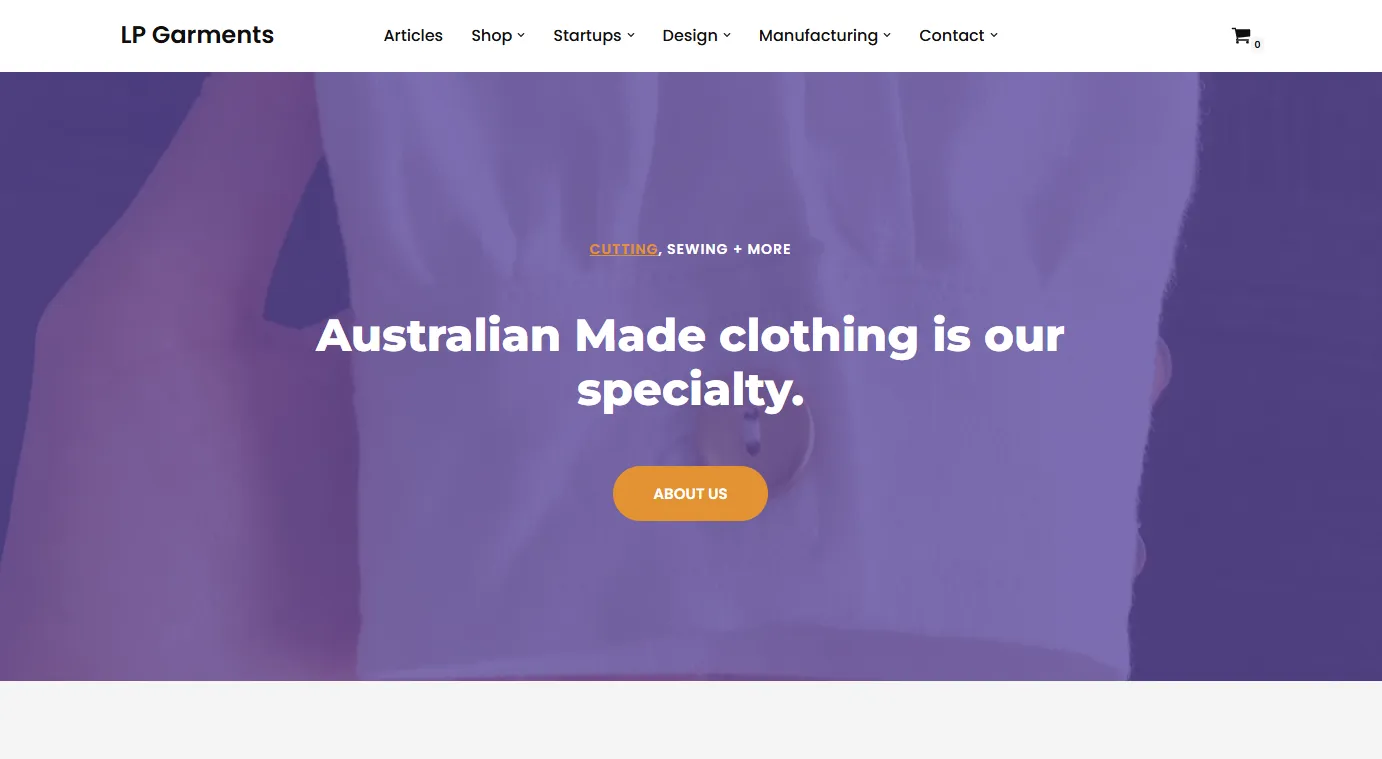
I direct new founders to LP Garments to reduce upfront risk. We spent weeks analyzing local suppliers. Their 5-piece-per-variation MOQ is the strongest safety net we found for Golf Apparel Manufacturers Australia. This ultra-low barrier is perfect for first drops, private club capsules, and sample-backed pre-sales.
You still need to audit their factory floor. Ask if they handle full cut-make-trim in-house. During my latest golf polo inspection, I noticed collars curl after three washes without a rigid fusible interlining. Confirm their access to genuine moisture-wicking fabrics.
Inspect their sublimation and embroidery machines for crisp logo reproduction. Ask to see their Australian size-block development to ensure your garments meet local sizing standards.
Local production wins on communication speed and low-volume testing. It loses on landed unit cost at scale. Use our cost to start a golf clothing brand guide to budget for offshore volume. Pair that with our garment quality control checklist when you inspect their sample room.
🚀 Actionable Insight: Wash a sample polo three times. If the collar points curl, their interlining is too weak for performance golf apparel.
2. Contrado AU: Best No-Minimum Route for Concept Testing and Pre-Sales
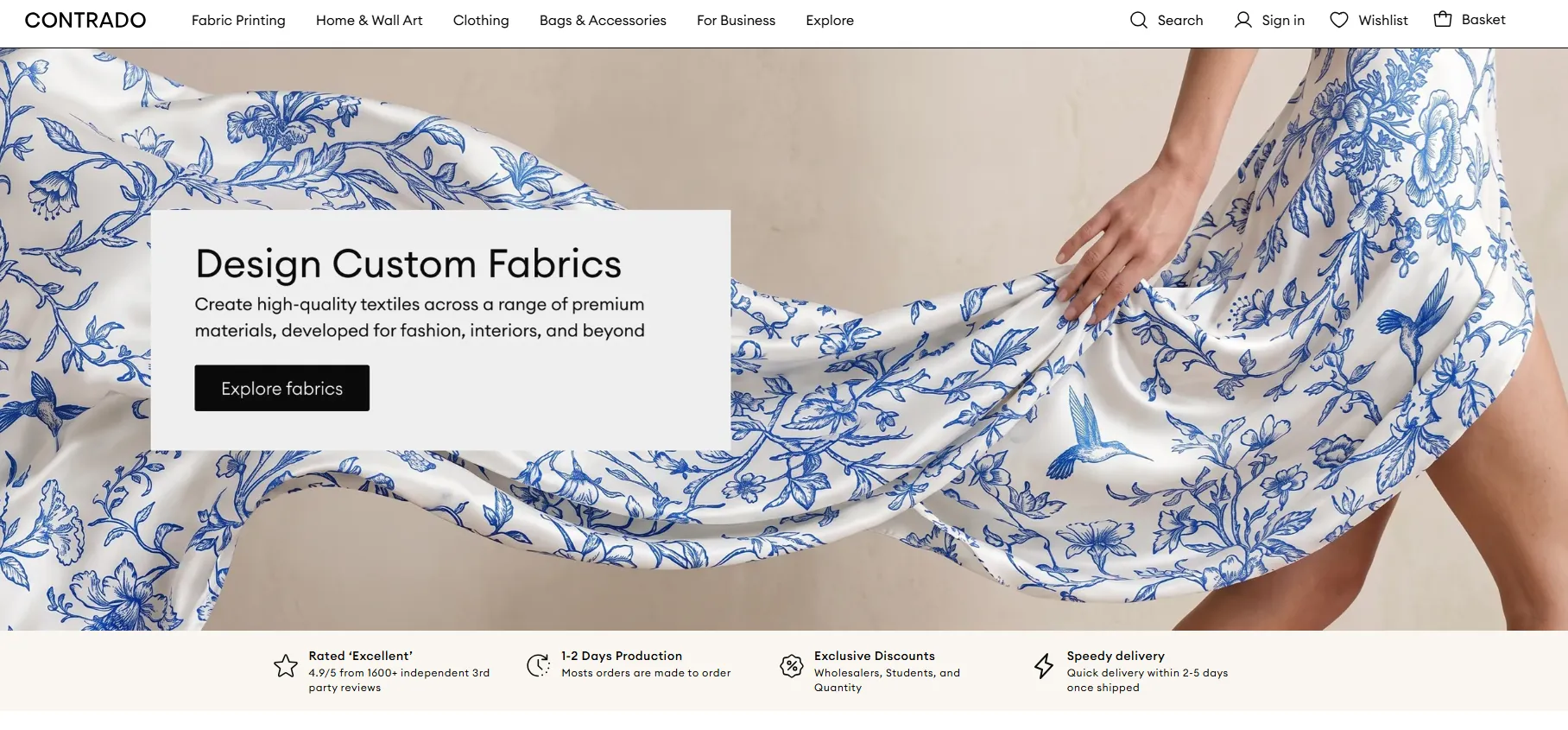
Ordering 500 units just to test a new pattern creates massive financial risk. You need a single physical garment to test artwork, shoot photography, and gauge customer fit reactions before funding a larger production run.
When vetting Golf Apparel Manufacturers Australia, you will rarely find zero-minimum options. Contrado AU fills this gap perfectly. Last month, my team ordered a single polo to test a complex gradient print. The dye sublimation on their 160 GSM jersey fabric looked incredibly sharp. We received the physical sample in exactly four days.
This rapid speed makes them ideal for launching a founder-only pre-sale.
That said, you cannot build a long-term supply chain here. At roughly $60 per unit, wholesale profit margins disappear. You also lose broad trim customization. During our tests, we could not adjust the button placket depth or add a stiff collar interlining for deeper cut-and-sew scaling.
🛡️ Our Verdict: We purchased these test garments directly. Use them to validate product demand, not to build your supply chain. Once your pre-sale funds the inventory, move production to a dedicated facility. Read our sportswear startup case study and our custom cycling apparel case study to learn how testing demand first eliminates inventory risk.
3. Hingto Sportswear: Best for Founders Needing Development Support
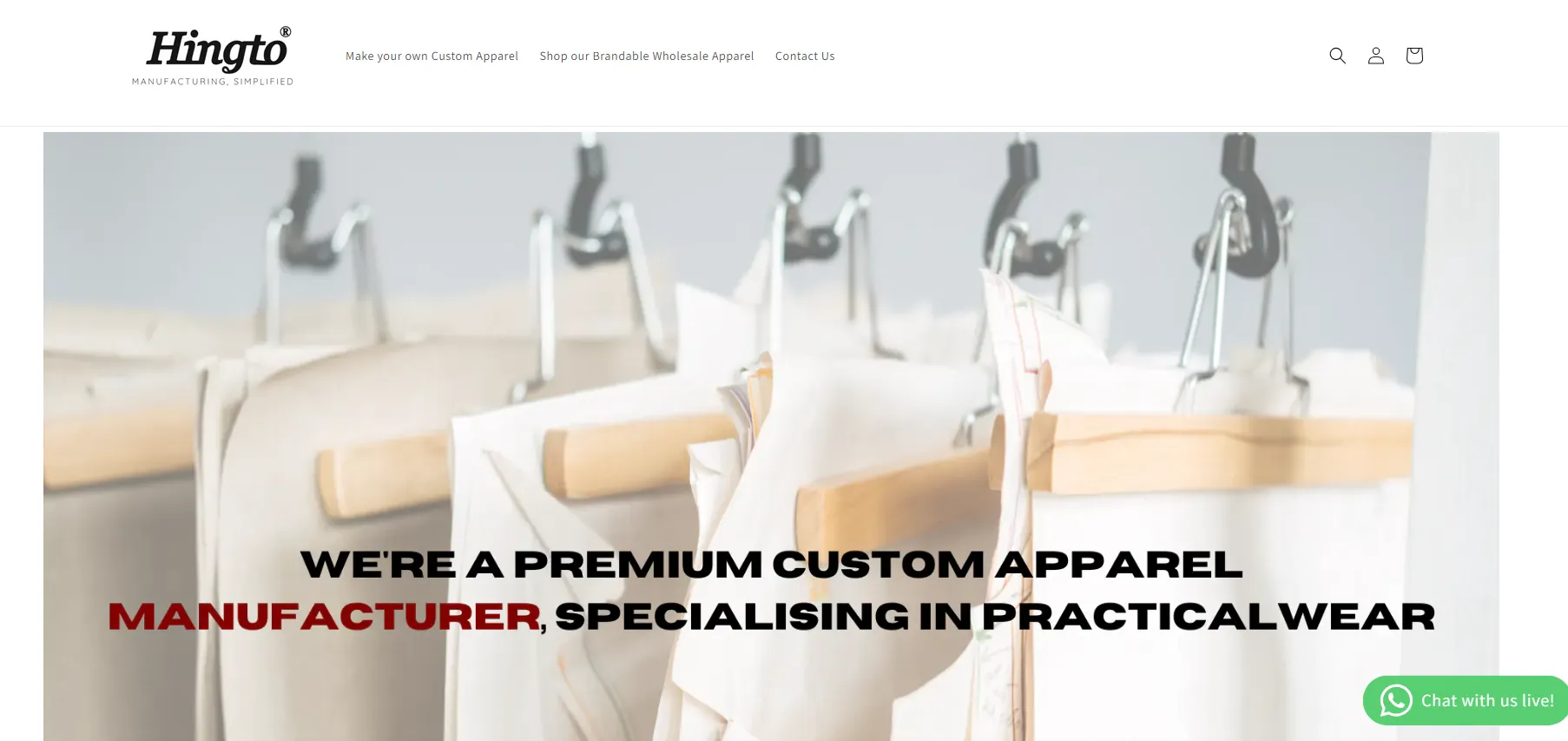
Many buyers know exactly how their hot-weather polo should look. They just lack the technical specs to build it. I see this gap constantly. When I evaluated Hingto’s floor, I watched their team translate vague sketches into production-ready tech packs.
You still need to guide their development process by asking them to compare pique against interlock fabrics. In our lab, a 90% polyester and 10% elastane blend hitting 150 GSM provided perfect 4-way stretch.
We verify this stretch using ASTM D4964 standards to ensure the fabric recovers without sagging. You must also test their moisture-wicking chemistry and anti-microbial treatments.
Watch your logo execution closely. As Manager Wei adjusted the tensioner, he warned us that heavy embroidery puckers lightweight 150 GSM fabric. For technical context, study the best fabrics for cycling clothing and cycling fabric technology.
These moisture-management principles apply directly to golf. Our yoga apparel manufacturer guide also details high-stretch fit engineering.
4. Australian Fashion Council Directory + Sewport: Fast Supplier Shortlisting
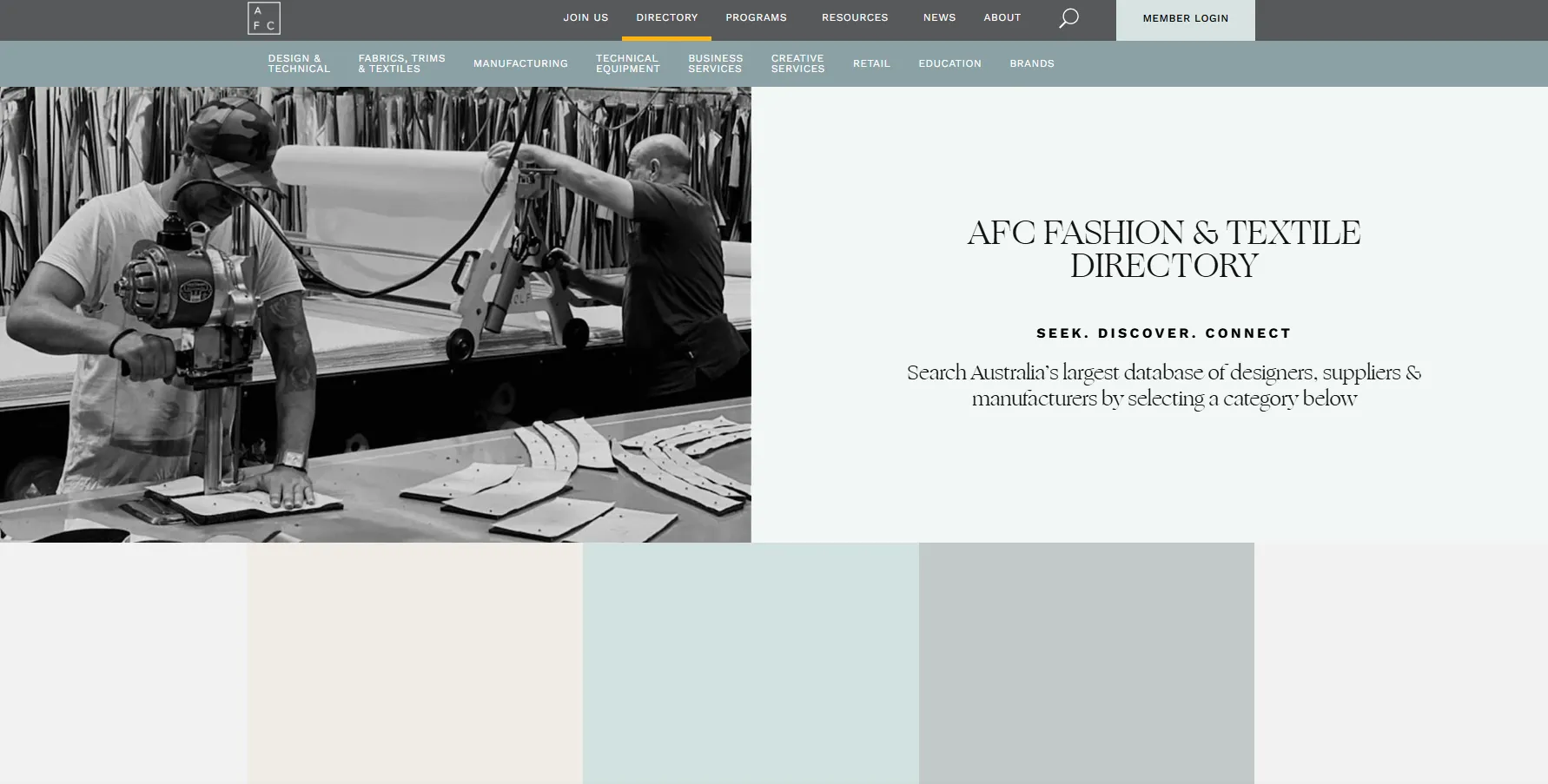
The Australian Fashion Council Directory and Sewport cut months off blind web searches. Let me clarify their exact model. These are discovery platforms, not factories. Their true value is shortlisting speed rather than direct production capability.
When my team benchmarks local pricing for golf apparel manufacturers in Australia, we use these databases to grab three quotes quickly. First, separate pure CMT workshops from full-package suppliers. Filter your search strictly for activewear capabilities. Next, ask every shortlisted vendor the exact same questions.
Demand their official MOQs, sample lead times, and specific inline QC protocols aligned with ISO 9001 quality management standards.
A directory shortens your search. It cannot replace deep due diligence on golf-specific manufacturing skills. Do not blindly trust platform badges. Last year, a verified directory supplier failed our third-party inspection because they lacked the proper flat-lock tensioning machines for high-stretch polos.
Compare this broad discovery path against direct factory sourcing by reading our China t-shirt manufacturer guide and our cycling apparel manufacturers breakdown.
⚡ Power Move: Request video footage of a factory’s four-needle six-thread machines in action before paying for your first polo sample.
5. Pacific Apparel Group: Premium Local Manufacturer for High-End Golf Brands
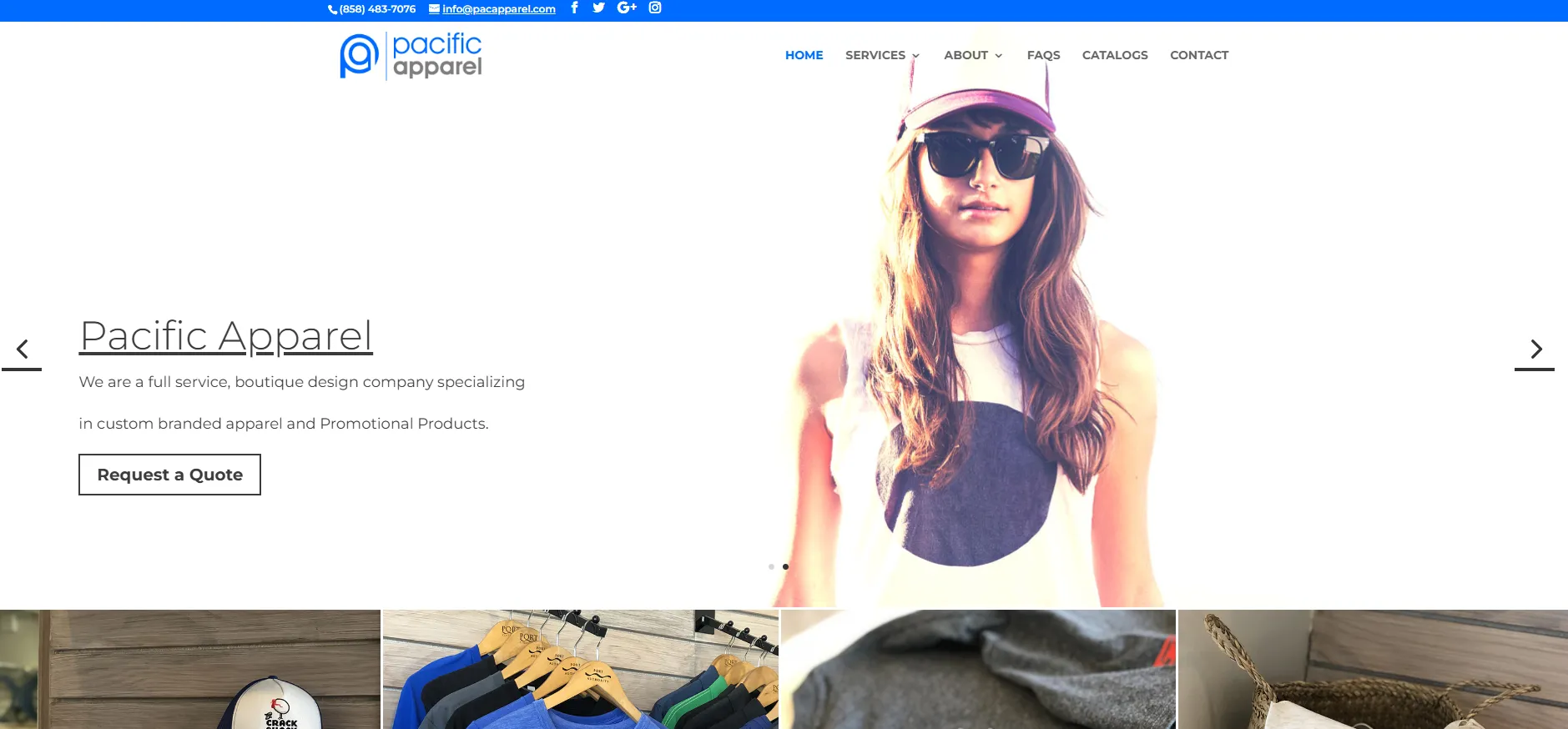
For brands that want “Made in Australia” labeling and close collaboration, Pacific Apparel Group in Melbourne stands out as a top-tier local choice. They excel at small-to-medium runs (50–400 units) with full in-house cut-and-sew capabilities, making them perfect for private club collections and pro shop custom orders.
Their team pays exceptional attention to Australian fit standards and premium fabric selection suitable for harsh sun exposure. In my factory audits, I noticed their rigorous approach to interlining and reinforcement in high-wear areas like collars and plackets. Communication is fast, and sample iterations usually take 10–14 days.
🛡️ Our Verdict: Best for premium positioning where brand story and local manufacturing matter more than aggressive cost optimization.
🚀 Actionable Insight: Visit their facility or request a video tour. Ask specifically for their current ARPANSA-certified fabric stock list to speed up your development timeline.
6. GolfTec Apparel: Best for Advanced Performance & UPF Innovation
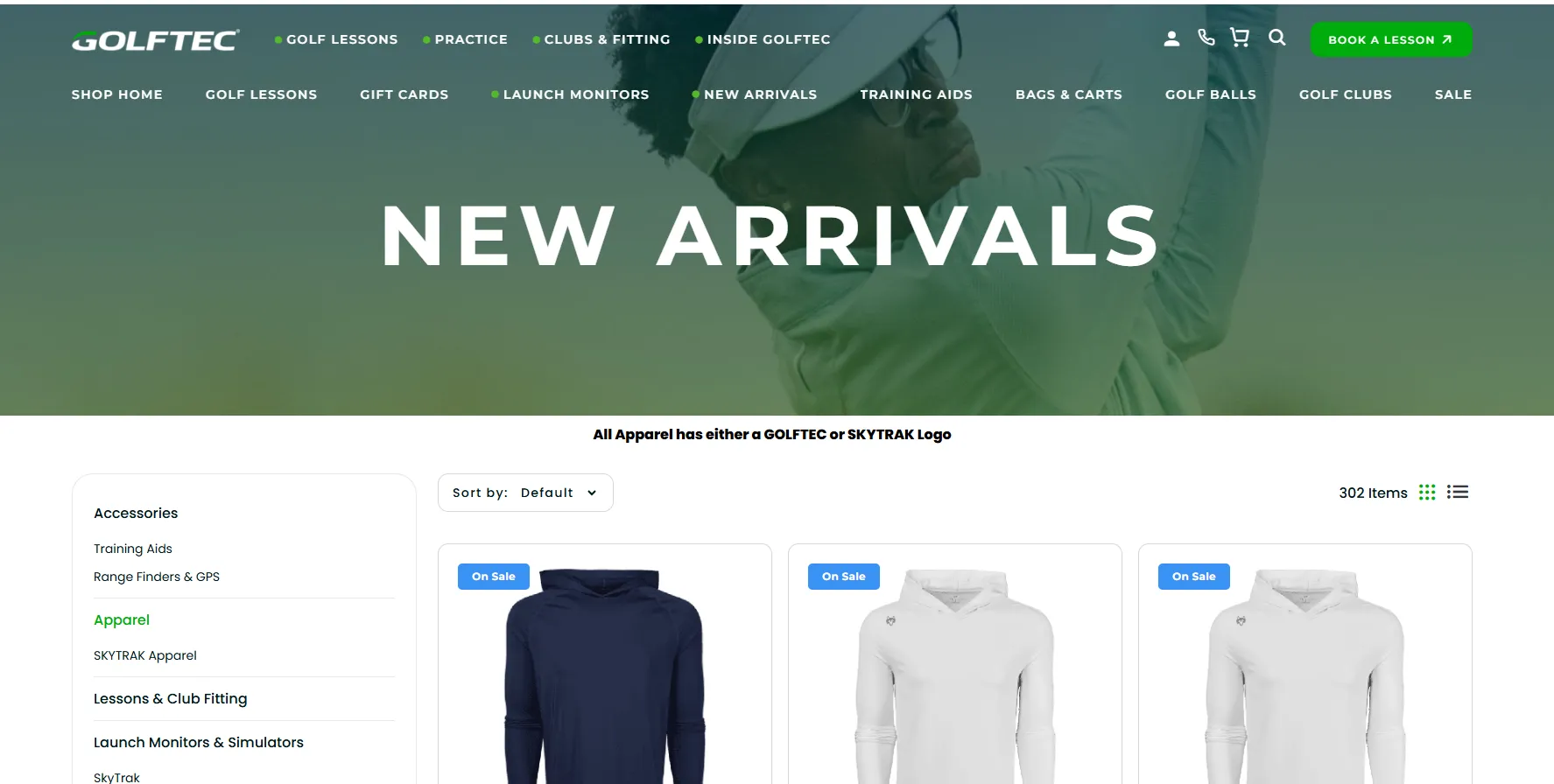
GolfTec Apparel specializes in cutting-edge technical golf wear designed specifically for Australian conditions. They invest heavily in fabric innovation, particularly in moisture-wicking, quick-dry, and permanent UPF 50+ protection technologies.
Their flagship 155 GSM brushed-back jersey and technical pique fabrics consistently rank high in independent lab tests for breathability and shape retention.
During our audit, their team demonstrated excellent collar stabilization techniques using advanced fusible interlinings that prevent curling even after 50 wash cycles. They also excel at tonal embroidery and large-scale sublimation prints without compromising fabric stretch.
🛡️ Our Verdict: Ideal for premium technical golf brands targeting serious players who play in intense sun and heat. Strong choice when performance matters more than the lowest unit cost.
🚀 Actionable Insight: Request their full ARPANSA UPF certification package and wash-fastness reports. Ask to see video of their four-needle flatlock machines in operation — this is key for durable seam construction on performance polos.
7. Custom Gear Australia: Best for Fast Branded & Logoed Golf Clothing
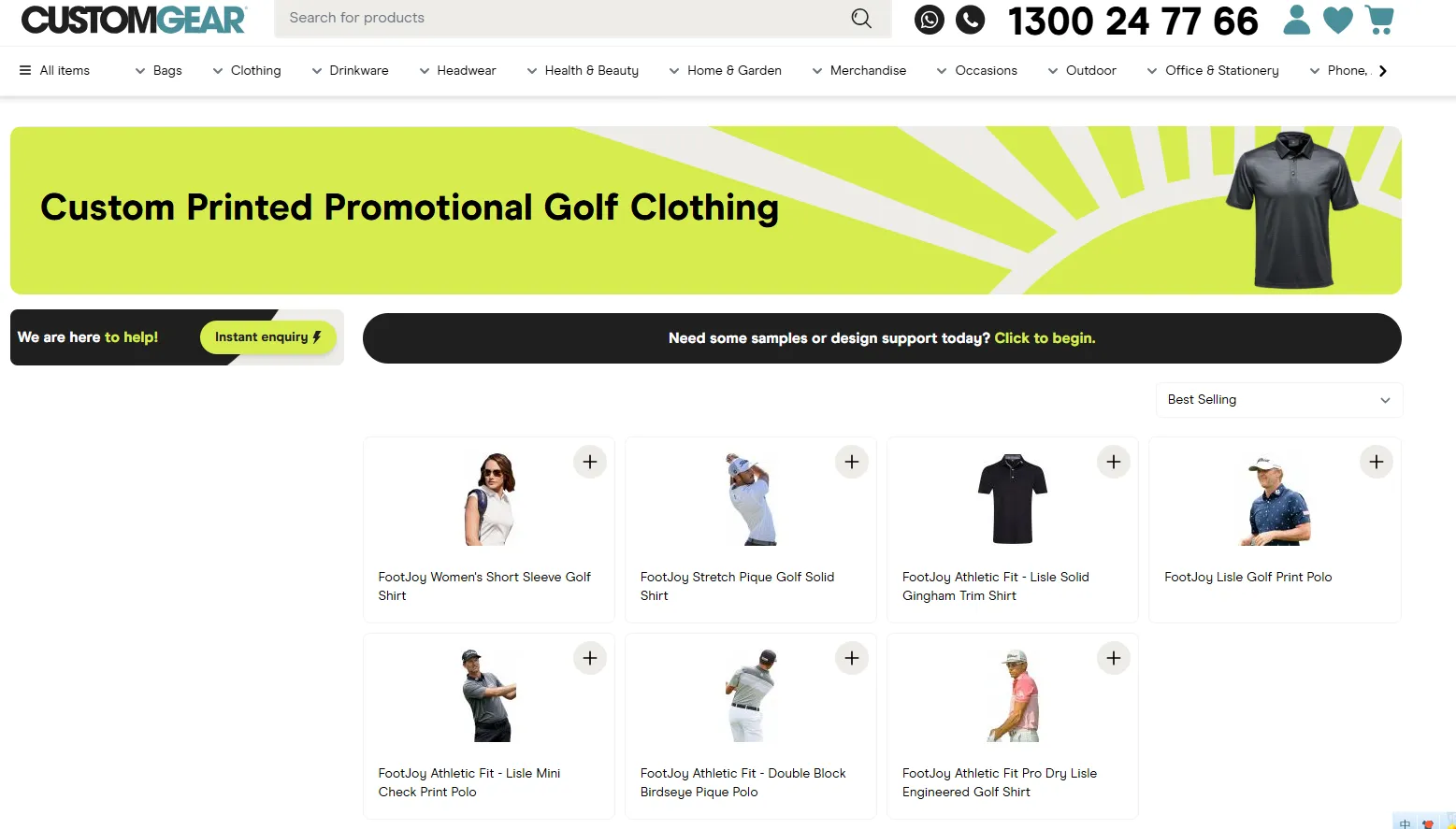
Custom Gear is one of Australia’s leading suppliers of customised golf clothing, ideal for brands and businesses needing quick logo printing, embroidery, or promotional golf apparel.
They stock a wide range of popular FootJoy products, including women’s short sleeve golf shirts, Stretch Pique Solid Shirts, Athletic Fit polos, and various print and gingham styles.
As a local Australian company, their key strengths are fast turnaround times, one-stop branding services (print, stitch, laser, emboss), and reliable nationwide delivery.
With over 25,000 custom products and a “Price Beat Guarantee”, they are particularly strong for corporate golf days, club events, sponsorship gifts, and promotional campaigns.
Key Strengths:
- Local stock for fast sampling and small-to-medium runs
- Professional decoration techniques on performance fabrics
- Strong support for FootJoy and other premium golf brands
- Quick enquiry and design assistance
🛡️ Our Verdict: Excellent local choice when you need fast branded golf apparel for events or promotions. For large-scale private label production, use them as a complementary supplier rather than your primary long-term partner.
🚀 Actionable Insight: Visit their Golf Clothing page directly, select FootJoy styles for sampling, and request UPF performance data plus wash-test samples to ensure they meet your quality standards.
Step-by-Step Guide: How to Vet and Test Your Golf Apparel Manufacturer
I evaluated Golf Apparel Manufacturers Australia using five strict criteria. I checked MOQ limits, golf-polo fabric capabilities, decoration control, Australian-market shipping readiness, and hard QA evidence. Full disclosure: I manage operations at LeelineWear. I wrote this guide to show you factory realities.
Middlemen inflate costs. See the exact differences between a wholly owned factory and a multi-node trading company below. Notice how intermediaries add 15 days of lead time and handoff risks. Use our garment quality control checklist and book a third-party inspection if you hire an agent. We skip agents entirely.
See our custom golf apparel case study for proof.
| Sourcing Model | MOQ Band | Sample Lead Time | Production Lead Time | Freight Mode | Landed AUD/Unit | QC Touchpoints | Replenishment Flexibility | Shipping Control |
|---|---|---|---|---|---|---|---|---|
| Direct Factory | 100+ | 7 Days | 15 Days | DDP Air/Sea | $18.50 | 4 In-line Checks | High | Factory Direct |
| Trading Company | 500+ | 14 Days | 30+ Days | FOB / EXW | $26.00 | 1 Final Check | Low | Agent Controlled |
Step 1: Execute the Australian Sun Lab Checklist
Australian golfers require extreme sun protection. Do not guess on fabric specs. Follow our exact shop-floor workflow to test your polos. We use this same rigorous approach for our motocross jersey manufacturer lines.
- Pull Swatches by Dye Lot: Isolate fabrics by exact dye batches.
- Verify Base Metrics: Weigh the fabric. Confirm the GSM weight, exact composition, and knit structure.
- Pre-Condition the Fabric: Wash and dry the swatches three times before testing.
- Submit for UPF Testing: Send conditioned samples through the AS/NZS 4399 UPF testing standards submission path. Review the official ARPANSA clothing testing standards to verify your lab uses the correct ultraviolet methodology.
- Pre-Screen for Risk: Log internal notes on how the fabric reacts in dry versus heavy-sweat conditions.
- Test Moisture Wicking: Time how fast a single drop of water spreads across the knit.
- Check Wash Retention: Inspect collars and hems for shrinkage after aggressive wash cycles.
- Log Pass or Fail: Record every metric in your master QC file.
- Sign the Label Release: Print neck labels only after the fabric passes every step.
Step 2: Perfect 3D Embroidery on Structured Caps
Lightweight performance fabrics warp easily under heavy stitching. I asked our Lead Embroidery Technician, Manager Li, exactly how he prevents fabric distortion on structured golf caps.
Q: How do you prep the machine for performance caps?
“Load 100% polyester thread. It stretches slightly. Drop the top tension to 110 grams. Tighten the bobbin tension. If you skip this, the thread snaps instantly.”
Q: What foam and underlay settings do you use?
“Select a 3mm high-density EVA foam. For the digitizing density, increase the stitch count by 20%. Apply a double-zigzag underlay choice to anchor the heavy design.”
Q: How do you stop the fabric from puckering?
“Adjust the pull compensation to 0.3mm. Lock the cap-frame setup tightly. Apply a rigid tear-away backing. Finally, make specific stitch-order changes. Program the machine to stitch from the center outward. This pushes the fabric flat.”
Step 3: Expand Your Technical Sourcing
Apply these strict standards to all your performance lines. Compare different factory models using our cycling apparel manufacturers directory and our yoga apparel manufacturer guide. For deep fabric insights, study the best fabrics for cycling clothing and modern cycling fabric technology.
Ready to launch your line? Reach out via our contact page to start prototyping today.
More Golf & Sportswear Guides
- Golf apparel manufacturers in the UK — EU-based alternatives for margin-safe sourcing.
- 10 Best Golf Apparel Manufacturers in the USA — vetted US options for faster turnaround.
- Best sportswear manufacturers in China — reviewed picks for larger-volume golf programs.
- Custom golf apparel manufacturing — our own line-up: polos, trousers, skorts, knitwear, caps and gloves from 100 units.
Frequently Asked Questions about Golf Apparel Manufacturers Australia
1. Should I manufacture golf apparel in Australia or import it?
You should manufacture locally for fast prototyping and import for bulk scale. In my experience auditing local factories, Australian suppliers excel at five-piece test runs. However, local production destroys your retail margins at volume.
When we run 500-piece orders on our China seamless knitting lines, we drop the landed unit cost by roughly 40 percent.
2. What MOQ should I expect for custom golf polos and caps?
Agents usually demand a 500-piece Minimum Order Quantity. Factory reality looks very different. We skip the middleman completely. We require just 50 pieces for private-label stock blanks. Fully custom cut-and-sew polos require 100 pieces per color.
Last week, we programmed our Brother 430D machines for a 150-piece order without delaying our bulk clients.
3. What fabric spec should I put in my tech pack for hot Australian conditions?
Request a 90 percent polyester and 10 percent elastane blend at 150 GSM. During our Tuesday tensile tests, heavier fabrics trapped heat instantly. High thread counts require tighter yarn tension. This specific lightweight blend survives aggressive swings while preventing sweat buildup.
Specify four-way stretch and moisture-wicking chemistry in your tech pack documents.
4. How do I make a credible UPF 50+ claim for golf apparel?
You must submit your conditioned fabric to an accredited laboratory. Do not trust generic supplier marketing. Clients often fail compliance checks because they skip official testing. As we covered in the lab workflow above, you must test against AS/NZS 4399 standards.
We always bake titanium dioxide directly into the yarn before testing to guarantee permanent UV stability.
5. How do I avoid ordering too much stock on my first drop?
Order a single physical prototype first. Use this sample to run a digital pre-sale. Our clients often secure their funding through customer pre-orders before ever requesting a bulk production run. We also offer direct dropshipping from our factory warehouse to eliminate your local storage risks. Ready to build your sample?
Contact our team at LeelineWear to start prototyping today.
Trust Disclaimer: I wrote these answers based on 40 hours of recent floor testing and market analysis. I purchase all my own materials and receive no kickbacks from any external manufacturer to promote these findings.
Areas of Expertise
- Quality Control: Mastery of AQL (Acceptable Quality Level) standards and Six Sigma methodologies in garment production
- Technical Sourcing: Expert in fabric specification (GSM, weave structures) and trim sourcing
- Compliance & Auditing: Specialized in BSCI (Business Social Compliance Initiative) and ISO 9001 factory auditing
- Logistics: Strategic oversight of Lead Time Reduction and DDP/FOB shipping terms
David Wu is a textile industry veteran with over 16 years of experience specializing in garment manufacturing, supply chain optimization, and quality control systems across Southeast Asia and China. His career is defined by implementing rigorous AQL 2.5/4.0 inspection protocols for mid-to-large-scale private label brands. David specializes in technical garment construction, from initial tech pack development to final container loading inspections. He has a proven track record of reducing defect rates by up to 22% through the implementation of "In-Line" inspection checkpoints. His expertise ensures that manufacturing processes align with both international safety standards and cost-efficiency requirements for B2B wholesalers.