How to Verify Clothing Manufacturer: A Step-by-Step Guide to Avoiding Scams
 David Wu QA Consultant
 A PDF certificate is not proof of manufacturing capability.
During a recent supplier audit, I received an ISO 9001 document where the certificate holder did not match the beneficiary on the proforma invoice. This “borrowed credential” is a standard trick trading companies use to pose as factories.
You need a repeatable process to verify clothing manufacturer legitimacy before sending a deposit.
This guide outlines the exact SOP we use at LeelineWear to validate factory identity, quality systems, and ethical compliance. It is designed for founders who need a definitive “Go/No-Go” decision without flying to China.
Verification is cheaper than a failed production run. As noted by the International Accreditation Forum, valid certificates must always be traceable to the issuing body rather than accepted at face value.
What You Need (Prerequisites)
To verify a clothing manufacturer effectively, you must establish leverage before sending a deposit. In my experience, legitimate factories provide these documents immediately. Middlemen stall.
1. The Paper Trail (Documents)
Gather these to prevent “bait-and-switch” tactics:
-
Business License: The legal entity name must match the bank beneficiary on the Proforma Invoice.
-
Certificates (PDFs): Request the Annex/Scope pages. I often see generic “Office Management” ISO certs used to disguise a lack of “Quality Management” standards.
-
Factory Profile: Detailed machinery list (e.g., number of lockstitch vs. overlock machines) and capacity.
-
Subcontractor List: Explicitly request a list of outsourced processes (dyeing, embroidery) to trace liability.
2. Access & Standards
Do not rely on static photos. Require:
-
Live Video Walkthrough: A time slot to view the cutting floor and warehouse, not just the showroom.
-
Inspection Agreement: Written permission for third-party QC inspections using AQL 2.5 (Acceptable Quality Limit).
-
The Toolkit:
-
Digital: Shared cloud folder (Drive/Dropbox) for immutable records.
-
Physical: Tape measure, digital scale, and a GSM Cutter for fabric weight verification.
-
Official Verification Databases
Validate claims using only these official sources:
⚠️ Safety First: Never market “Organic” or “Non-Toxic” claims without verifying the Scope Certificate. In the EU/US, unverified claims lead to customs seizures and false advertising lawsuits.
🧠 Expert Take: If a supplier refuses to name their QC Manager or blocks a third-party inspection clause in the contract, stop. They are hiding a lack of control.
Step 1: Draft Your Factory Verification Brief (FVB)
Asking a supplier “Is your quality good?” is useless; every supplier answers “Yes.”
To filter them effectively, send a Factory Verification Brief (FVB) before you even discuss samples. This one-page document acts as a spec sheet for the facility itself, forcing them to reveal their actual capabilities.
Include these three sections in your brief:
-
Product Scope: Define your category (e.g., seamless activewear, heavyweight hoodies), construction complexity, and target price.
-
Required Processes: Explicitly demand in-house pattern making and cutting.
-
Non-Negotiables: State “No unauthorized subcontracting.” In my experience, factories often farm out difficult tasks (like dye-sublimation) to unregulated workshops unless you forbid it in writing.
Customize the brief for your business model:
-
Amazon FBA: Add packaging compliance (suffocation warnings, barcodes) as a primary requirement.
-
Boutiques: Emphasize size grading accuracy and fabric handfeel consistency.
🧠 Author’s Verdict: A “good” factory has a specific sensory profile. When I run video verifications, I look for labeled bins for WIP (Work in Progress) rather than piles on the floor. You should hear the steady rhythm of production lines, not chaotic shouting to locate missing parts.
Step 2: Conduct a “Sensory Check”
A profile picture is not proof of infrastructure. In my audits, I found that glossy profiles often belong to trading companies operating out of shared offices. To verify a clothing manufacturer, you must force them to prove they exist physically.
1. Apply platform filters On Alibaba, immediately toggle Verified Supplier and Trade Assurance. This removes low-tier scams, though it does not guarantee quality.
2. Demand “Proof of Life” Do not accept pre-recorded marketing reels. Ask the rep to film the production line live.
-
The Test: They must hold a piece of paper with your name and today’s date while walking the floor.
-
The Trap: If you see piles of denim when you are sourcing leggings, they are outsourcing your order.
3. Triangulate the location Request a live GPS Pin via WeChat or WhatsApp. Compare it to the address on their Business License. If the pin points to a residential tower, they are a broker.
4. Score the candidate Log a “Confidence Score (0–5)” for each candidate on your shortlist.
🧠 Author’s Verdict: Referrals can make you lazy. I once trusted a “verified” referral who outsourced my run to a sub-par workshop because I didn’t check their current capacity. Even with friends, always demand the video.
Step 3: Audit the “Proof Packet”
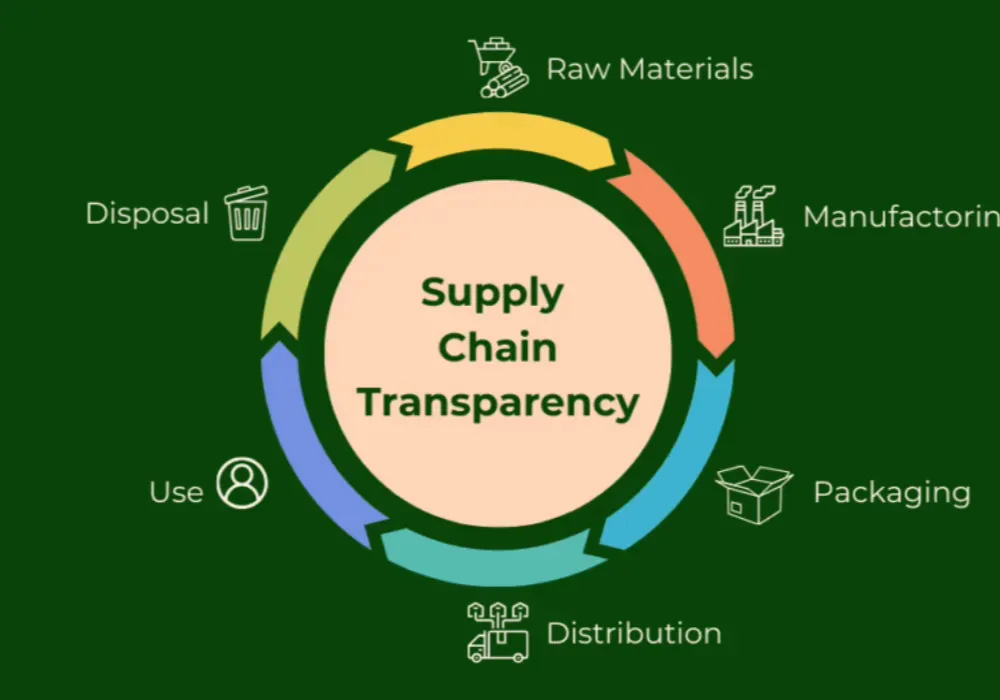
Request a standardized Proof Packet containing original PDFs. Refuse loose screenshots sent via chat. In my experience, legitimate factories share this folder instantly; middlemen scramble to collect the files from the real manufacturer.
Ensure the packet contains:
-
Business License: Verify the Legal Entity Name and operating address.
-
Bank Reference Letter: The account beneficiary must match the business license name exactly.
-
Certificates (ISO/GOTS): Review the Annex/Scope page. This proves they are certified to manufacture your specific product (e.g., “Knitted Sportswear”), not just general textiles.
Perform the “Three-Way Match” Open these documents side-by-side. The Legal Name and Address must align perfectly across the License, Invoice Header, and Certificate Holder.
⚠️ Warning: If the certificate holder is a different company, suppliers often claim it is a “sister factory.” Reject this immediately. Unless you see a legal subcontracting agreement, you have zero leverage over the actual production site.
🧠 Author’s Verdict: Bank details never lie. I once vetted a factory with perfect ISO documentation, but their bank letter listed a personal account in Hong Kong. This is a massive red flag for shell companies. Always ensure the bank beneficiary is the corporate entity.
Step 4: Verify Claims in Official Databases
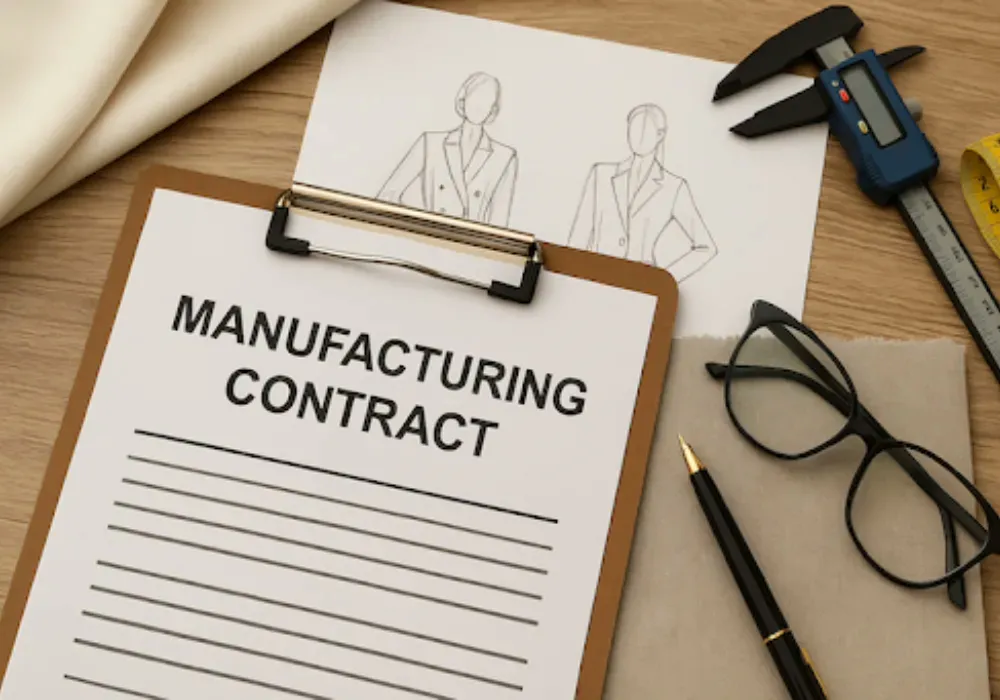
PDF certificates prove nothing. In my experience, bad actors can edit expiration dates in Adobe Acrobat in minutes. You must validate the document number against the issuing body’s live database to verify the clothing manufacturer is legitimate.
1. Validate OEKO-TEX (Standard 100) Open the OEKO-TEX Label Check. Enter the certificate ID exactly as it appears on the document.
-
The Check: Ensure Status is green and valid.
-
The Trap: Inspect the Article Scope. If it lists “Raw Yarn” but you are buying finished leggings, the factory is borrowing their material supplier’s credentials. The factory itself is not certified.
2. Confirm GOTS (Organic) Search the GOTS Certified Suppliers Database by license number or company name.
-
The Match: Verify the Field of Operation matches the factory name.
-
The Visual: A valid result displays a table of authorized products. “No Result Found” means the certificate is forged or withdrawn.
3. Check Recycled Claims (GRS) Use the Textile Exchange Find a Company tool. Confirm the factory holds an active Scope Certificate for the specific materials you are purchasing.
4. Audit Social Compliance (BSCI/SMETA) These databases are private. Do not accept a static PDF. Ask the supplier to share the audit ID directly to your account via the official portal (e.g., amfori).
Verification Links
⚠️ Experience Warning: Treat “Processing” as a hard no. I often hear suppliers claim their renewal is “system updating.” Legitimate databases update instantly. If the screen doesn’t show a green checkmark, do not wire the deposit.
Step 5: Execute a Live Technical Audit
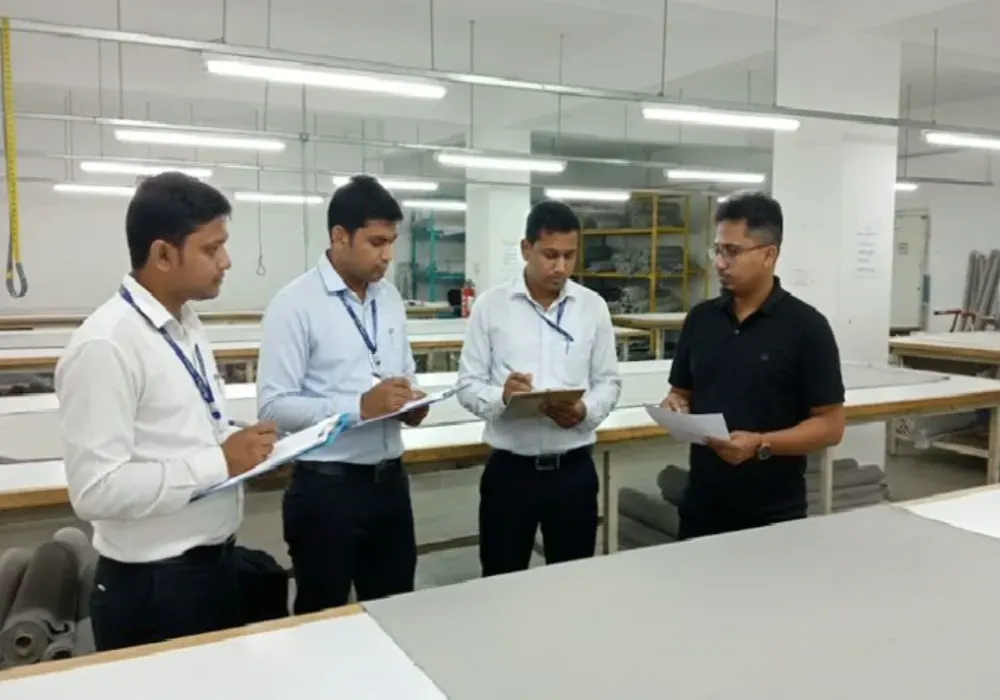
Paperwork can be forged; production lines cannot. You must verify the physical reality of the factory.
Schedule a live video walkthrough via WeChat or Zoom during active production hours. Do not accept pre-recorded tours. You must direct the camera operator personally to validate the workflow chronologically.
1. Audit Raw Materials & Cutting Start at Receiving. Zoom in on Roll Labels and Batch/Lot Numbers. If they cannot link a fabric roll to a specific batch, they lack traceability. Move to the Cutting Room and inspect the Spreading Table. Look for Bundle Tickets tied to every stack.
In my experience, loose fabric here guarantees shading issues later.
2. Verify Sewing & Machinery Walk the Sewing Lines. Check for Inline QC Stations and visible Approved Samples (Golden Samples). Ask to see Maintenance Logs for specific machines like Flatlock or Overlock units. Verify they have a Grading Station with a visible Measurement SOP board.
3. Check Finishing & Packing Request a close-up of Needle Guards and the Calibration Logs. Watch the Metal Detection process live. Ensure every carton has a Barcode Label matching your packing list.
Sensory Verification
-
Look: Are WIP (Work in Progress) bins labeled, or is semi-finished clothing piled on the floor?
-
Listen: Ask the QC Manager to explain Defect Segregation (where bad units go). If they hesitate, their process is likely theoretical.
Verification: End the call by sending a Findings List. Require a CAPA (Corrective and Preventive Action) plan with due dates for any failures.
Alternate Path: For high-risk orders, hire a third-party auditor like SGS Consumer Goods Inspection or Intertek.
⚠️ Experience Warning: Check the Metal Detector. During a recent kidswear audit, I found a factory that hadn’t calibrated their detector in three weeks. If we hadn’t caught this, we risked shipping broken needle fragments to customers—a massive liability.
Step 6: Order Samples to Verify Quality Control
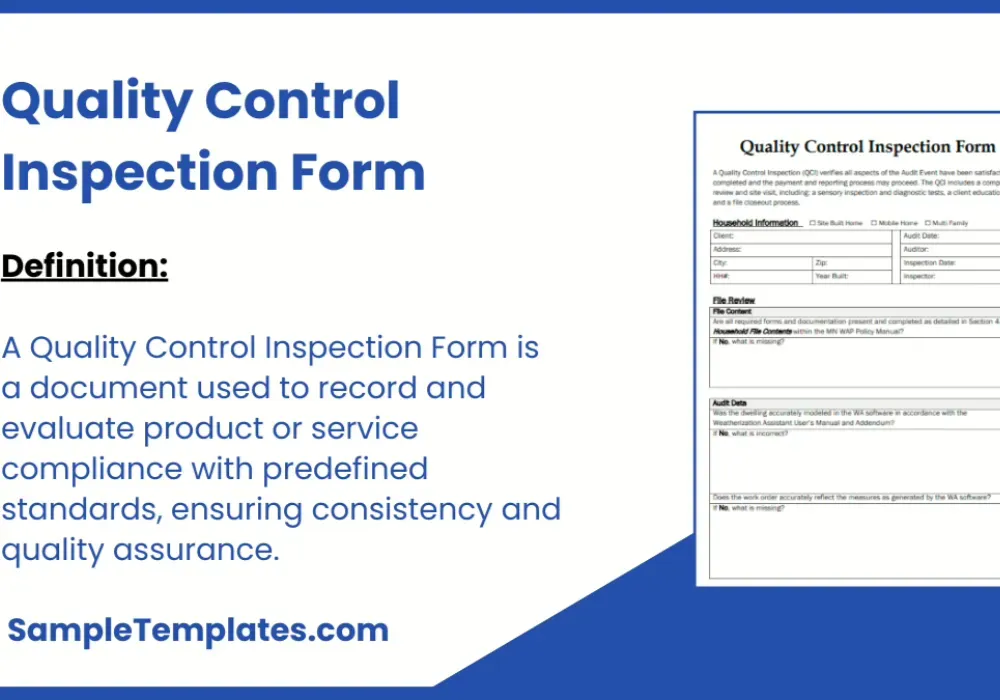
A sample is a test of the factory’s ability to follow instructions, not just a product preview. You must validate the Tech Pack translation before committing capital.
1. Perform a Sensory Audit When the sample arrives, stress-test it. For activewear, I stretch the fabric to its limit to verify recovery and opacity (the “squat test”). Visually inspect print edges for sharpness and seams for puckering.
2. Send Annotated Revisions Never rely on text emails. Take photos of errors and draw red circles with exact deltas (e.g., “Move print 2cm right”).
3. Define the “Top Sample” Once approved, tag the final version as the Top Sample (Golden Sample).
- Crucial Step: Require a Pre-Production Sample (PPS). This must use the actual bulk fabric and trims, not leftover stock from the sample room.
4. Lock the Agreement Approve the PPS in writing via email or PO annex. Reference the unique Top Sample ID on your production order to legally bind the factory to that quality standard.
⚠️ Experience Warning: The “Stock Trim” Trap. Factories often use premium zippers for samples but substitute cheap generics for bulk orders. I always add a clause: “No trim substitutions without written approval.”
Step 7: Enforce Your Quality Control (QC) Plan
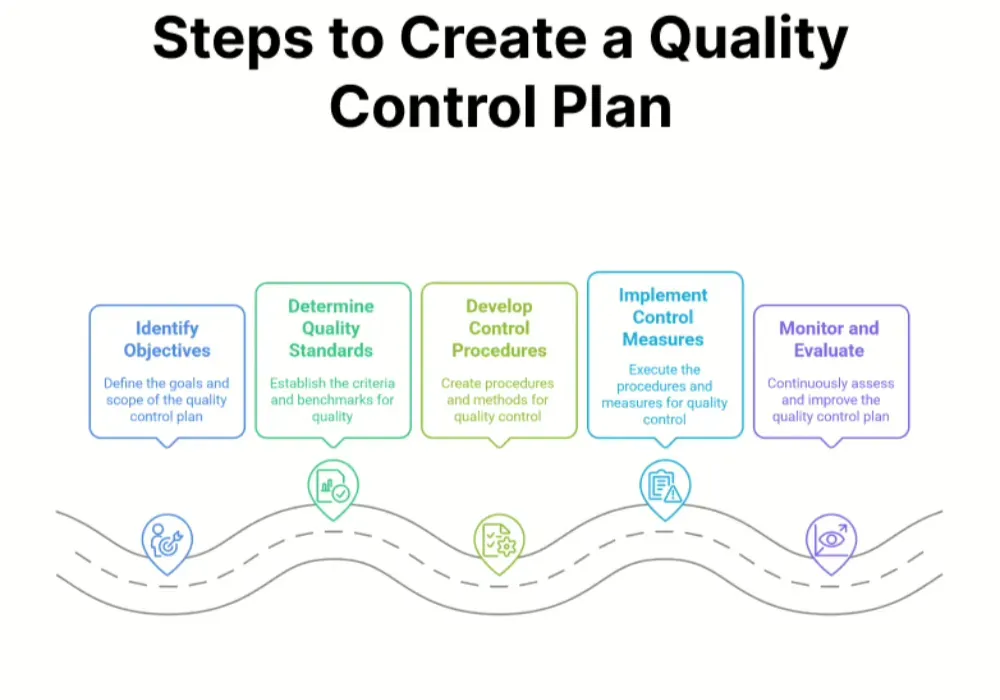
Define your inspection gates before the fabric is cut. In my experience, “good quality” is subjective, but a QC Plan is a binding contract. You must standardize your evidence requirements to prevent bulk disasters.
1. Establish Three Inspection Gates Write these mandatory checkpoints into your purchase order:
-
Incoming (IQC): Inspect fabric rolls and trims immediately upon arrival.
-
Inline (DUPRO): Verify stitching and measurements when 20% of the order is sewn.
-
Final Random Inspection (FRI): Use AQL Standards to verify packed goods before payment.
2. Set the AQL Decision Rule Define the Acceptable Quality Limit (AQL) for defects. Use this exact rule in your contract: “If Critical Defects > 0 → Fail entire lot. If Major/Minor defects exceed AQL 2.5 → Supplier must Rework.”
3. Standardize the Evidence Paste this checklist into your agreement to ensure actionable reporting:
| Process Stage | What to Check | Standard/Method | Evidence to Capture |
|---|---|---|---|
| Incoming | Fabric Shade | Lightbox (D65) | Side-by-side photo vs. Master |
| Inline | Measurements | Size Spec Sheet | Photo of tape on garment |
| Inline | Stitching | Stitches Per Inch | Macro photo of seam |
| Finishing | Labeling | Tech Pack | Photo of Care Label |
| Packing | Barcodes | Shipping Mark PDF | Video of scanner beep |
4. ISO-Style Buyer Controls
-
Document Control: Ensure the factory uses the current Versioned Tech Pack. I have seen entire runs ruined because a manager used “V1” instead of “V2.”
-
Traceability: Demand Batch/Lot Numbers for every fabric roll. If a dye lot fails, you must know exactly which garments to reject.
🧠 Author’s Verdict: Look for the Red Bins. When I walk the factory floor, I check the Defect Segregation Area. In a functioning QC system, you should see rejected units in red bins. If the bins are empty during a shift, the QC team is likely “pencil-whipping” (faking) the reports.
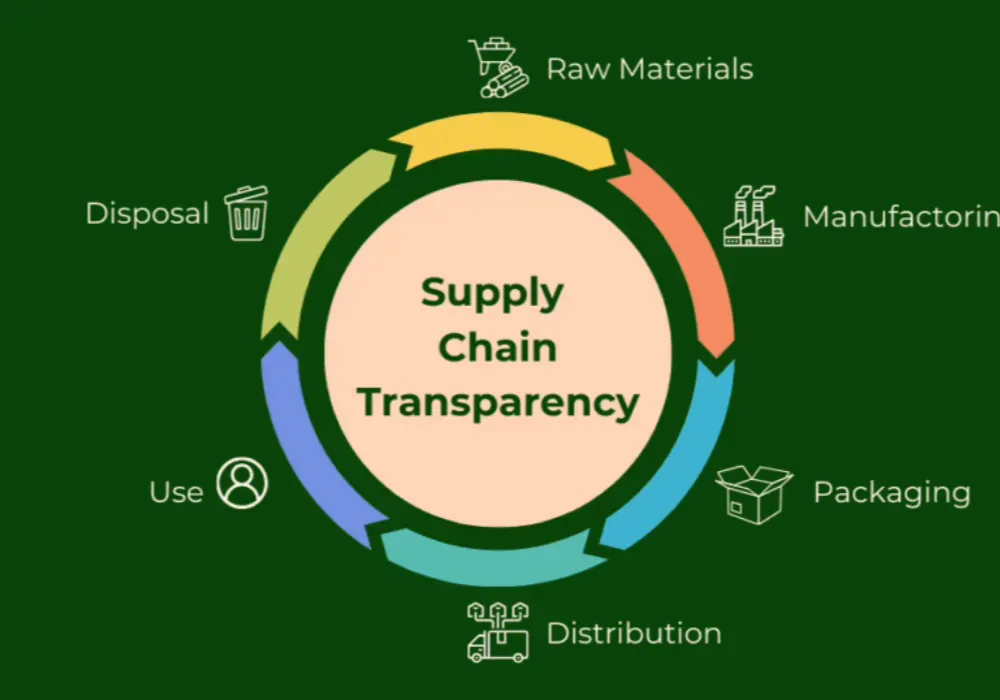
Step 8: Audit Ethical Standards & Supply Chain Transparency
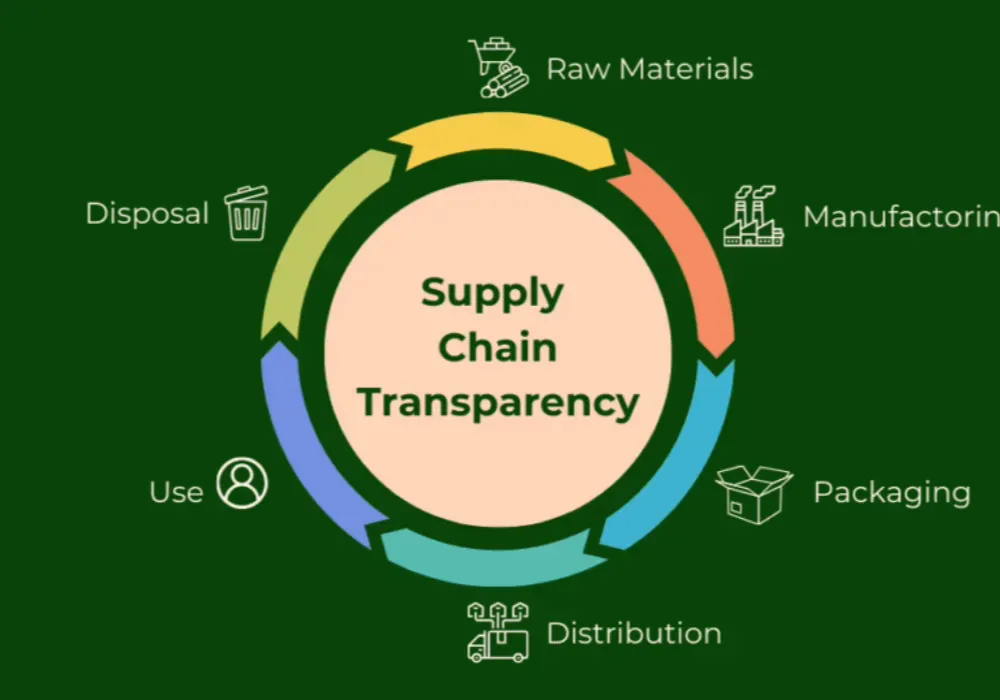
Clean showrooms often hide non-compliant realities. To verify a clothing manufacturer’s ethics, you must demand visibility into their second-tier operations.
-
Request the Social Compliance Audit. Ask for the full BSCI, WRAP, or SA8000 report. Most audits live on member platforms, so request a digital connection via Sedex or Amfori rather than a public link.
-
Note: Be skeptical if a supplier claims to be “Sedex Certified.” Sedex is a platform; SMETA is the audit methodology. Confusing these terms often suggests the supplier purchased a fake certificate.
-
Enforce Subcontractor Disclosure. Require a signed Subcontractor Map listing all dyeing, printing, and embroidery units.
-
Traceability Check: Verify that the Fabric Mill name on your invoice matches the OEKO-TEX certificate provided. If names don’t match, they are likely using unauthorized material substitutions.
-
Perform a “Sensory Safety” Check. During your video walkthrough, scan the facility boundaries:
-
Look: Ensure Fire Extinguishers are tagged and unblocked by boxes.
-
Listen: Ask workers about shift lengths. If a manager interrupts to answer for them, this is a major red flag for coercive environments.
🧠 Author’s Verdict: Check the bathrooms. In my experience, the cleanliness of worker restrooms is the most accurate predictor of human rights compliance. If there is no soap or running water, the “ethical” paperwork is a facade.
Step 9: Lock Verification with Binding Clauses
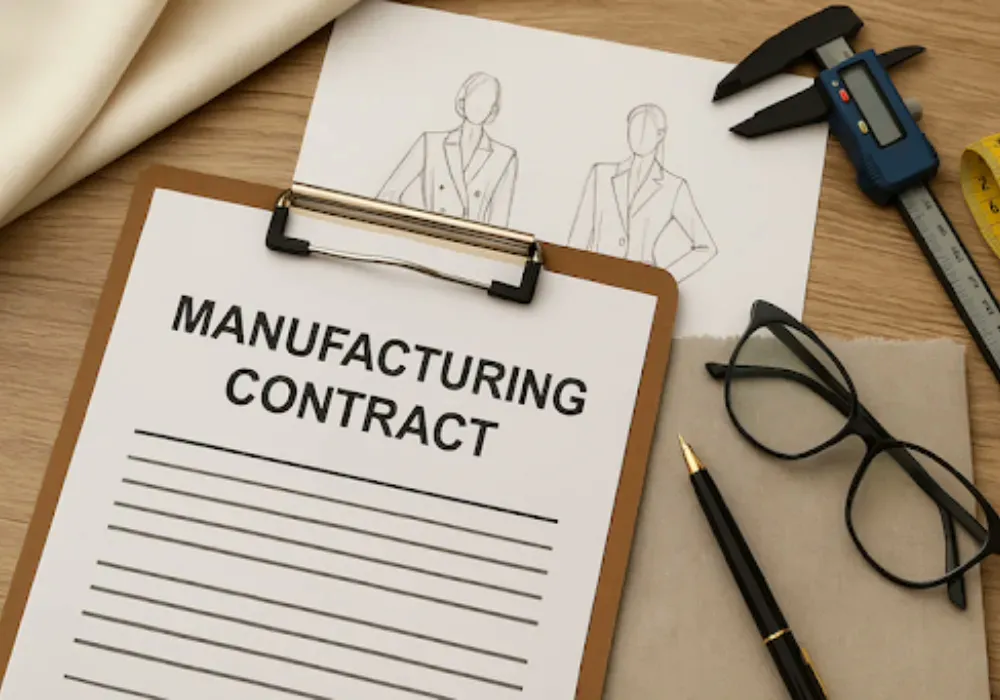
A contract is not just paperwork; it is your final verification stress test. In my experience, scammers vanish when faced with specific, enforceable penalties, while serious manufacturers will pause to negotiate terms they can actually meet.
1. Convert Verification Data to “Hard” Clauses Do not use a generic template. Embed your specific verification results directly into the agreement:
-
Define Quality Standards: Set the AQL 2.5 (Acceptable Quality Limit) for critical defects. Clearly state: “If defects exceed AQL 2.5, the supplier must rework 100% of the lot at their expense.”
-
Enforce Sample Control: The physical Top Sample—signed and dated by both parties—must legally govern bulk production. This overrides any digital specifications or prior discussions.
-
Prohibit Subcontracting: Insert a strict “No Outsourcing” clause. I always add: “Unapproved subcontracting voids the deposit and triggers an immediate refund.”
-
Secure IP: Explicitly state that you own the Molds, Patterns, and Tech Packs to prevent the factory from selling your designs to competitors.
2. Link Payments to Verification Never pay the balance based on a “Ready to Ship” email. Structure your milestones around tangible proof:
-
30% Deposit: Pay only after the contract is stamped with the official Red Company Chop (for Chinese suppliers).
- ⚠️ Warning: The entity name on the stamp must match the bank account beneficiary exactly.
-
70% Balance: Release only after a Passed Inspection Report and video evidence of the goods packed in sealed cartons.
🧠 Author’s Verdict: Watch for the “Redlines.” If a supplier accepts every penalty without question, be suspicious. Legitimate factories often push back (e.g., requesting a 0.5cm tolerance instead of 0.2cm). This “friction” confirms they are reading the contract and realistically assessing their capabilities.
Suggested Reading: How to finding sportswear manufacturers: From Tech Pack to First PO
Step 10: Place a “Pilot PO” to Test Consistency
A “Golden Sample” is often sewn by a master tailor, while bulk orders are handled by line workers. You must test the production line itself before scaling.
-
Place a Micro-Run: Order 50–100 units. Explicitly label the commercial invoice “Capability Test” to signal strict oversight.
-
Gate the production: Add a contract clause: “Fabric cutting is unauthorized until the Pre-Production Sample (PPS) is approved in writing.”
-
Test for “Drift”: During the Inline Inspection, measure 10 random units of the same size.
- Note: If waist measurements vary by >1cm, the factory is likely stacking too many fabric layers during cutting.
-
Validate sensory details: Check Shade Consistency (do dye lots match?) and Packaging Accuracy against your Tech Pack.
Archive the evidence: Save the Inspection Report and Signed Contract in your supplier file as a baseline.
⚡ Speed Verification: Expect a 14-day buffer. In our tests, demanding a Pilot PO slows the launch but exposes fatal communication gaps. Only increase order volume if this pilot passes AQL 2.5 and delivery is on time.
Troubleshooting Common Verification Failures
Suppliers often hide their flaws behind polished sales pitches. Here is how I handle the specific red flags I encounter most frequently in the field.
Error: Sample Matched, Bulk Failed
The Symptom: You approved a perfect prototype, but the 500-unit order arrives with crooked seams or cheap fabric. Likely Cause: Uncontrolled subcontracting. The factory likely farmed your order out to a cheaper, unregulated workshop after making the sample in-house. Fix: Stop the remaining payment immediately.
Demand a Corrective Action Plan that identifies exactly which production line failed. Negotiate a total rework at their expense.
🛡️ Prevention: Link the Top Sample ID to your contract. Require an Inline Inspection once 20% of goods are sewn.
Error: “Certificate Not Found”
The Symptom: You enter the OEKO-TEX or GOTS number into the official label check, and it returns “No Result.” Likely Cause: The certificate is expired, forged, or belongs to a material supplier rather than the factory. I see this “borrowed credential” tactic in nearly 30% of initial audits.
Fix: Send a screenshot of the failure to the rep. Ask them to explain the relationship between the certificate holder and their factory.
💡 Diagnostic: Verify the Purchase Contract between the factory and the certificate holder to prove the supply chain link.
Error: Supplier Refuses Audit Reports
The Symptom: They claim BSCI or SMETA reports are “Confidential.” Likely Cause: This is a lie. Social compliance audits are designed for sharing. A refusal usually hides a failing grade. Fix: Ask them to share the report digitally via the Amfori or Sedex portal directly to your member ID. If they refuse, assume the audit is invalid.
Error: Curated Video Tour
The Symptom: The factory video looks cinematic but lacks audio or specific details. Likely Cause: You are watching stock footage. Trading companies use this to hide that they do not own the floor. Fix: Demand a live video call. Ask the operator to walk to the Cutting Table and place a piece of paper with your name on the fabric stack.
🤫 Insider Secret: Check the Trash. During a live tour, ask to see the Red Defect Bins. If they are empty during a production shift, the factory is fake-logging their QC. Real manufacturing creates waste.
The Go/No-Go Rule
If a supplier fails on Identity (license mismatch), Quality (sample failure), or Control (refusal of inspection), the cheapest decision is to walk away. Do not try to fix a dishonest partner. If they cut corners on paperwork, they will cut corners on your stitching.
Related Resources:
People Also Ask About Verify Clothing Manufacturer
Is “Alibaba Gold Supplier” status proof of a real factory?
No. It is a paid marketing status, not a quality guarantee. In my experience, “Gold” status simply means the supplier paid Alibaba’s annual fee (often around $4,000). It does not verify their manufacturing capability or ethical standards.
I have audited “5-Year Gold Suppliers” that were actually two people in a rented apartment brokering orders to unauthorized workshops. Always verify the Business License and ISO Certificates independently, regardless of their platform badge.
How can I tell a Trading Company from a Manufacturer instantly?
Check the diversity of their product catalog. A legitimate factory specializes in a specific process (e.g., “Seamless Knitting”). A trading company sells everything. If I see a supplier offering yoga leggings, denim jeans, and phone cases, I know immediately they are a middleman.
No single factory has the machinery to produce such different product categories under one roof.
What is the biggest “immediate red flag” in bank details?
A personal beneficiary name. Legitimate Chinese manufacturers legally must use a company bank account for exports. If the Proforma Invoice asks you to wire money to a personal name (e.g., “Mr. Zhang Wei”) or a generic offshore company in Hong Kong, stop. You have zero legal protection if you transfer funds to a private individual.
The bank beneficiary must match the company name on the Business License.
Can I verify a factory without hiring a third-party auditor?
Yes, for orders under $10,000, a live video audit is usually sufficient. While companies like SGS or Intertek charge $300-$500 per day, you can replicate 80% of their checks via Zoom. When we run these calls, we ask the operator to walk to the Finished Goods Warehouse and read a random shipping label.
If they refuse or “lose signal” near the inventory, they likely do not hold the stock they claim to own.
Why do suppliers refuse to show their “Subcontractor List”?
They are protecting their margins. Trading companies fear that if you know who actually sews the clothes, you will cut them out. However, for a brand owner, this is a safety risk. If you cannot verify the dyeing house, you cannot guarantee the fabric is free of toxic chemicals (Azo dyes). I make this non-negotiable:
“No transparency, no deposit.”
Conclusion: Build Your “Supplier Defense” File
Verification is not a one-time event; it is a discipline.
By following this guide, you have moved from “hoping” for quality to engineering it. You now possess the five pillars of a secure supply chain: (1) Verified Identity, (2) Validated Certificates, (3) Technical Audit Evidence, (4) AQL Quality Plan, and (5) Binding Contract.
My final advice is to treat your supplier verification as an asset. Create a “Supplier Scorecard” for every candidate. Save their Business License, Audit Videos, and Signed Tech Packs in a permanent folder.
If a dispute arises regarding fabric quality or shipping delays six months from now, this file is your only leverage to force a refund or rework.
Your Next Step: Run this SOP on your top two candidates immediately. If they hesitate to show you the cutting floor or the ISO certificate annex, verify someone else.
If you prefer to bypass the audit minefield entirely, we can help. At LeelineWear, we operate as a factory-direct partner with fully transparent, owned infrastructure. We invite you to see our cutting lines, review our certifications, and inspect our quality control process firsthand.
- to discuss your project with our technical team.
-
Explore Our Capabilities to see how we handle verification and manufacturing for global brands.
Related reading: Shortlisting suppliers? Our guide to clothing manufacturers in China applies this verification checklist to ten named factories.
Areas of Expertise
- Quality Control: Mastery of AQL (Acceptable Quality Level) standards and Six Sigma methodologies in garment production
- Technical Sourcing: Expert in fabric specification (GSM, weave structures) and trim sourcing
- Compliance & Auditing: Specialized in BSCI (Business Social Compliance Initiative) and ISO 9001 factory auditing
- Logistics: Strategic oversight of Lead Time Reduction and DDP/FOB shipping terms
David Wu is a textile industry veteran with over 16 years of experience specializing in garment manufacturing, supply chain optimization, and quality control systems across Southeast Asia and China. His career is defined by implementing rigorous AQL 2.5/4.0 inspection protocols for mid-to-large-scale private label brands. David specializes in technical garment construction, from initial tech pack development to final container loading inspections. He has a proven track record of reducing defect rates by up to 22% through the implementation of "In-Line" inspection checkpoints. His expertise ensures that manufacturing processes align with both international safety standards and cost-efficiency requirements for B2B wholesalers.