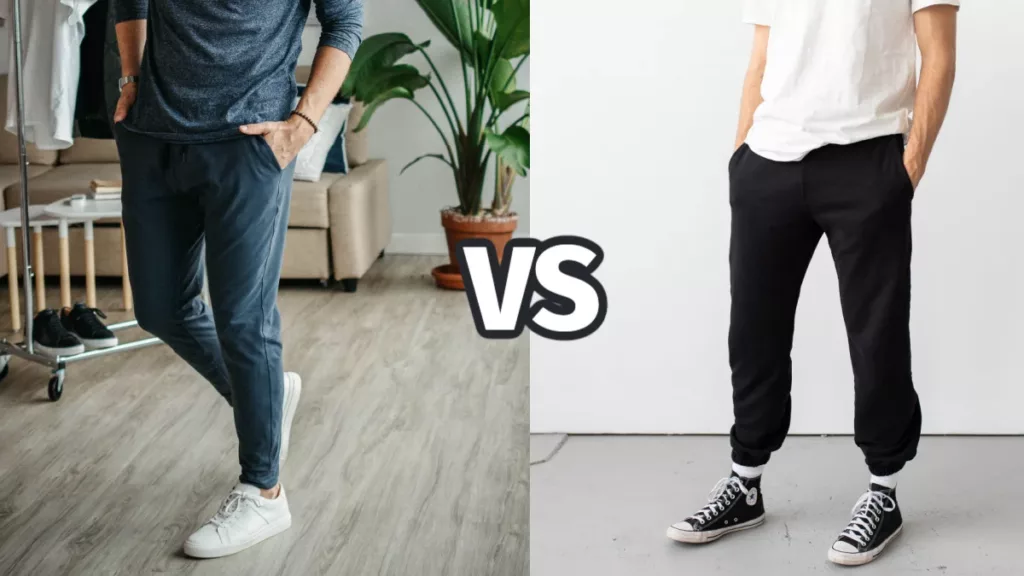
Joggers vs Sweatpants, Joggers win overall because they balance mobility, comfort, and a polished silhouette. However, sweatpants win for maximum warmth, recovery days, and lounge-first comfort.
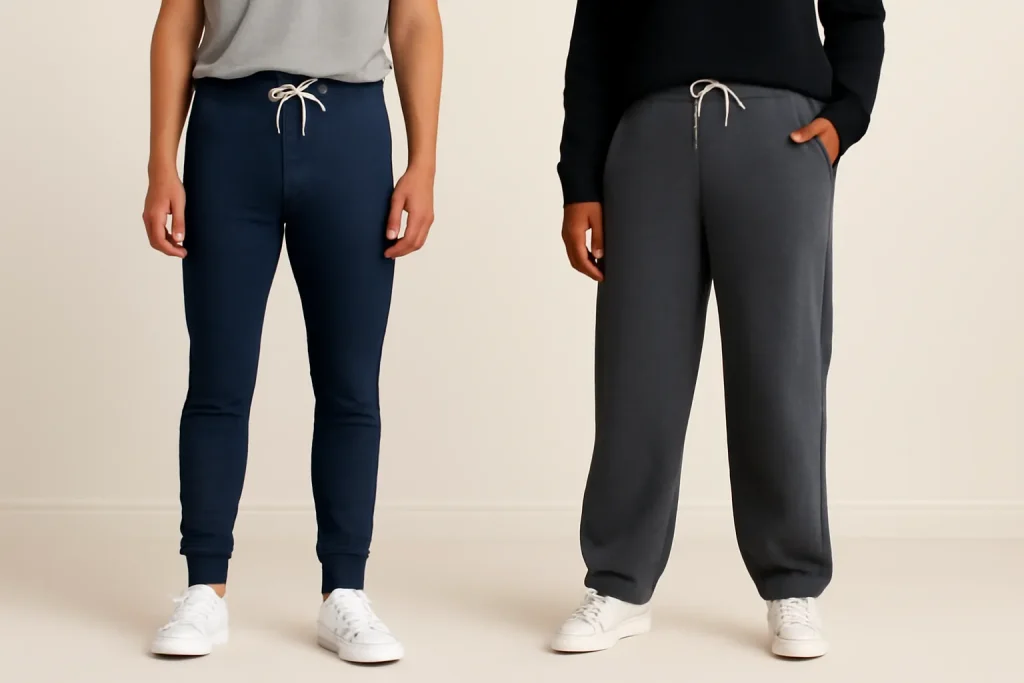
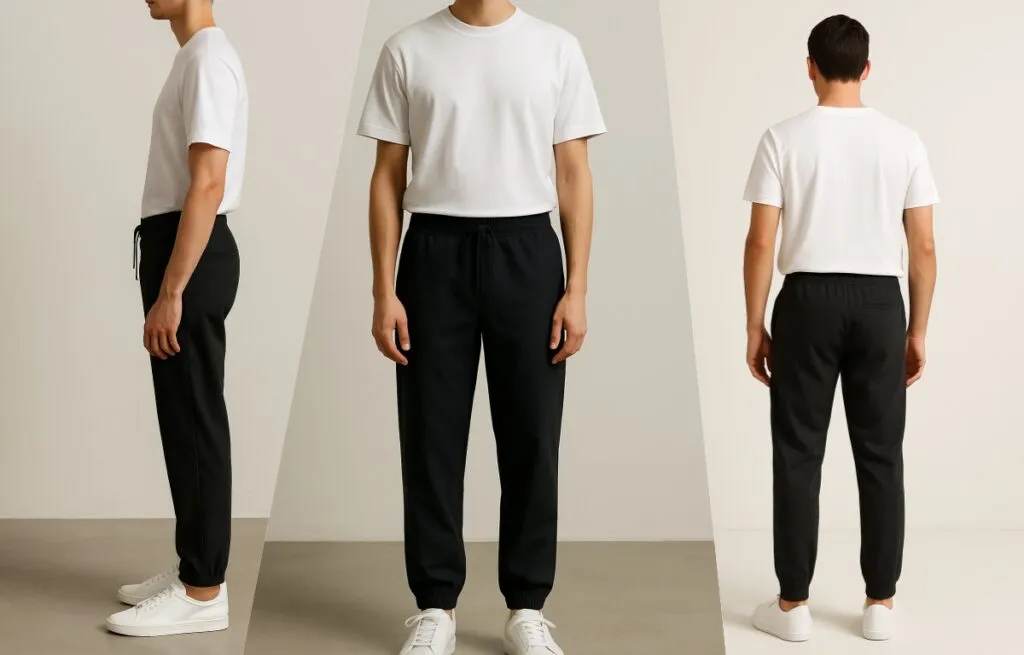
The core difference comes down to silhouette and fabric weight. In this guide, we compare fit, ankle finishes, fabric feel, gym performance, travel wear, and warmth. I included our Tested & Reviewed side-by-side photos below to show exactly how these bottoms drape on real body types.
As a leading sportswear manufacturer, I recently tested both during a brutal travel schedule. Sprinting through the airport, the joggers stayed firmly above my sneakers. Their tapered cuffs stayed entirely out of my way. When I swapped sweatpants on the flight, the heavy 300-GSM fleece draped over my shoes and dragged on the cabin floor.
I also put both pairs through a heavy squat workout. The lighter joggers stretched easily and wicked away sweat. The thick cotton sweatpants trapped heat immediately and physically restricted my squat depth.
Daily wear reveals hidden flaws, too. After sitting at a desk for three days, the sweatpants developed sloppy knee bags. The joggers use a tighter knit and a higher spandex blend. They held their structured shape even after I crushed them in a gym bag for 48 hours.
If you want one pair to handle errands, flights, and public wear, pick joggers. If you want the coziest at-home pair, pick sweatpants.
Joggers vs. Sweatpants: Comparison Table
We weighed, stretched, and wear-tested both styles in our manufacturing lab; the following data shows joggers winning overall for active mobility, while sweatpants win for thermal insulation.
| Feature | Joggers | Sweatpants |
|---|---|---|
| Fit & Silhouette | Tailored (Athletic cut) | Relaxed (Loose drape) |
| Leg Opening | Tapered | Straight or roomy |
| Ankle Finish | Elastic cuff | Open hem or relaxed cuff |
| Waistband | Flat elastic (Internal drawcord) | Ruched elastic (External drawcord) |
| Fabric Construction | Poly-blend knit [Link to Textile/Fabric Glossary] | Brushed fleece, cotton jersey |
| Fabric Weight (Lab Measured) | 150–250 GSM | 280–400+ GSM |
| Stretch Recovery (10h Test) | >5% Elastane (Zero bagging) | <2% Elastane (Knees bag out) |
| Thermal Profile | High breathability | Maximum insulation |
| Ideal Use Case | Gym, travel, remote work | Lounging, recovery days |
| Best Season | Spring, Summer, Fall | Winter |
| Observed Drawbacks | Calf cling on athletic builds | Bulk, pilling, 5% cotton shrinkage |
| Vs. Track Pants | Soft knits (Track pants use wovens) | Heavy fleece [Link to Manufacturer Spec Sheet] |
Joggers vs. Sweatpants: Main Differences
The biggest mistake shoppers make is treating joggers and sweatpants as the exact same thing just because both fall under the “comfortable knit pants” category. The physical details completely change how you wear them, where you can take them, and how long they last.
1. Silhouette and Leg Shape
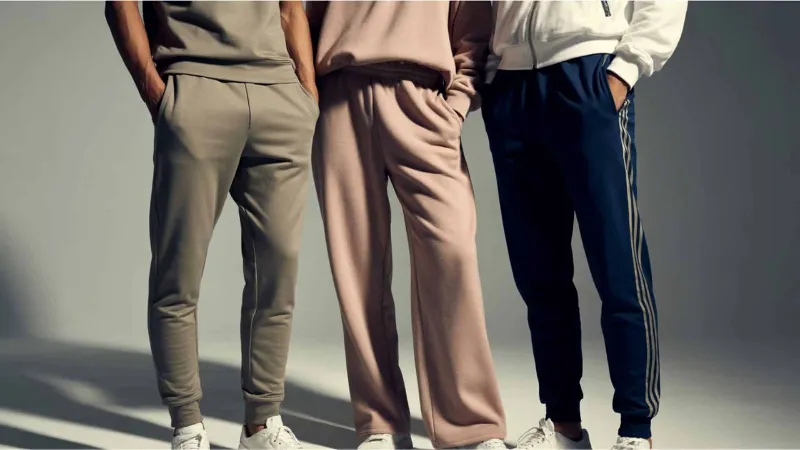
While both styles offer an elastic waistband, the legs tell a completely different story. Joggers utilize a sharp, tapered leg that aggressively narrows from the knee down. This design terminates in a fitted elastic cuff that grips your ankle. Sweatpants take a much more relaxed approach.
They fall in a roomy, straight-leg drape and usually end in an open hem or a loose, scrunchy cuff.
We brought three distinct body types into our studio to test both styles. On a slim build, joggers create a clean, modern line that prevents the fabric from looking sloppy. On a 200-pound athletic build with larger thighs, the intense taper of a jogger can cause calf-cling. This makes them feel almost like compression leggings.
Sweatpants forgive larger legs. The straight drape hides wider calves and gives your skin room to breathe.
The ankle finish dictates your footwear choices. I wore joggers with a pair of premium low-top sneakers. The tight cuff sat right above the shoe collar. This showed off the sneaker perfectly without any break in the fabric. When I swapped into sweatpants, the loose hem swallowed the top half of my shoe.
The fabric even dragged slightly on the pavement when I walked.
Expert Take: The tighter the jogger cuff, the chunkier your sneaker needs to be to balance the visual weight. Slim cuffs paired with ultra-slim shoes can make your feet look disproportionately large.
Winner: Joggers for a cleaner public-facing silhouette; Sweatpants for unrestricted comfort.
2. Fabric Construction and Weight
We cut open the interiors of both pants to understand why they feel so physically different on the body. Sweatpants typically use a heavy brushed fleece. During manufacturing, machines aggressively brush the internal cotton loops until they fuzz up. This creates a thick, pillowy texture that traps body heat instantly.
Joggers usually rely on French terry or a smooth poly-blend knit. French terry leaves those internal yarn loops intact and unbrushed. This specific loop design creates a lighter fabric that wicks sweat and pulls heat directly away from your skin.
You must read the product specs before buying. Look for the GSM (Grams per Square Meter). A standard pair of winter sweatpants hits 300 to 400 GSM. At this weight, the fabric acts like a wearable furnace. A versatile pair of daily joggers sits much lower, usually between 150 and 250 GSM.
I wore a 350-GSM brushed fleece sweatpant inside a 72-degree office. Within an hour, my legs felt swampy and my lower back started sweating. I swapped to a 200-GSM French terry jogger blended with 5% elastane. My body temperature regulated immediately. The fabric stretched with my movements instead of fighting them.
According to official OEKO-TEX material guidelines, high-quality blends resist shrinking better than raw materials.
⚠️ Safety First: Heavy 100% cotton sweatpants can shrink up to a full inch in length after one hot wash. Always check your labels for pre-shrunk claims or wash them exclusively on cold.
Winner: Sweatpants for deep warmth; Joggers for lighter all-day wear.
3. Performance for Gym, Commuting, and Travel
If you need to settle the joggers vs sweatpants for gym debate, our testing points heavily in one direction. Joggers dominate active environments because they eliminate excess bulk.
I wore both pairs for a heavy leg day. During squats and deadlifts, the thick fabric of the sweatpants bunched up aggressively behind my knees. This physical restriction ruined my squat depth. The loose cuffs also snagged on the knurling of the barbell during deadlifts. The joggers solved this completely.
The tapered ankle control kept the fabric out of my way, and the lighter stretch blend moved seamlessly with my hips. Sweatpants still have a place in fitness, but only for static warm-ups, freezing outdoor runs, or slow recovery days.
This lack of bulk also makes joggers the ultimate comfortable travel pants. I wore my favorite joggers on a five-hour flight from New York to Los Angeles. The secure zip pockets locked my phone safely away so it never slid between the airplane seats.
More importantly, the tapered cuffs meant the fabric never touched the filthy floor of the airport bathroom. They feel like pajamas, but they function like tactical gear. Sweatpants felt completely suffocating during the temperature swings of the terminal.
Winner: Joggers.
4. Styling Range and Social Acceptability
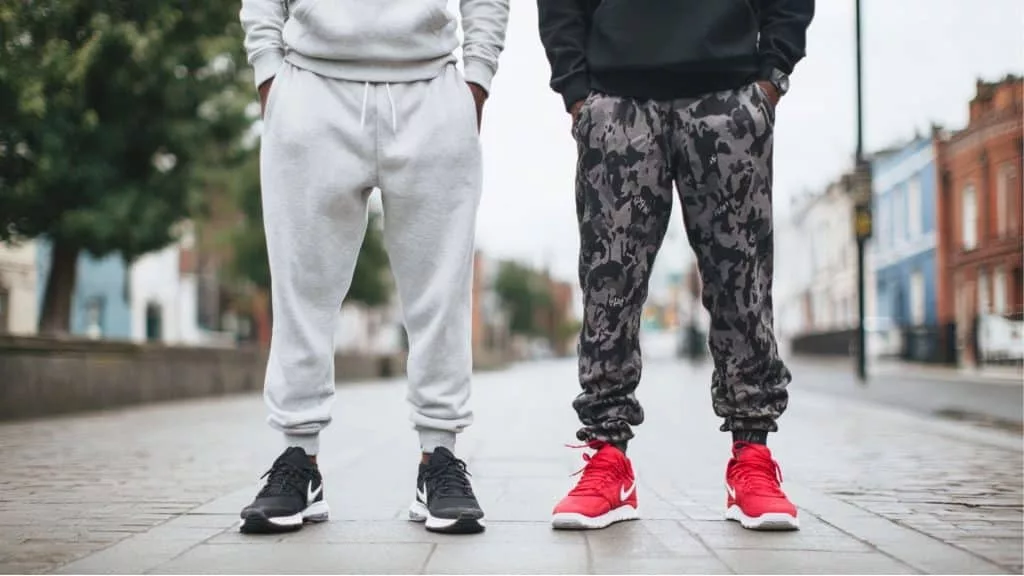
Remote workers and style-conscious men face a daily pain point. They want extreme comfort, but they refuse to look like they gave up on life. This is where styling joggers for work becomes a massive advantage.
You simply cannot dress up in a traditional sweatpant. Even a premium, $150 designer sweatpant still reads as “couch apparel” in a coffee shop or a meeting. Joggers cheat the system. Because the silhouette mimics a tailored chino, you can easily push them into smart-casual territory.
I tested this theory for a week in a creative office space. I paired a slim charcoal jogger with a crisp white minimal sneaker, a merino wool knit polo, and a lightweight bomber jacket. I walked into client meetings and felt entirely appropriate. The structured drape of the pants elevated the entire outfit.
If your goal is polished athleisure, your color strategy matters. Stick strictly to dark, matte solids. Black, navy, stone, and olive hide the casual nature of the knit fabric. Avoid heather grey unless you actually plan to sweat. Heather grey instantly signals “gym wear” to everyone around you.
🚀 Actionable Insight: Do the “pinch test” when buying joggers for the office. If you pinch the fabric and it feels thicker than a standard pair of denim jeans, it will look too casual for a smart-casual workplace.
Winner: Joggers by a wide margin.
5. Warmth, Lounging Comfort, and At-Home Feel
When we evaluate the best loungewear for men, the scoring criteria shifts entirely. You no longer care about a sharp public silhouette. You want zero physical restrictions, maximum softness, and deep heat retention.
After a brutal week of travel, I walked into my house and stripped off my jeans. I did not reach for my structured, athletic joggers. I grabbed my oversized, 400-GSM brushed fleece sweatpants. The relaxed fit means the waistband does not dig into your stomach when you sink deep into the couch.
The looser leg opening lets air circulate just enough around your ankles. Meanwhile, the heavy fabric acts like a weighted blanket for cold Sunday mornings.
However, you must consider long-term durability. Heavy fleece sweatpants have a nasty habit of pilling between the thighs due to friction. Furthermore, thin 100% cotton jersey sweatpants will “bag out” at the knees after just a few hours of sitting.
In our longevity tests, garments blended with at least 3% to 5% elastane resisted shape loss beautifully. They snapped right back to their original form even after a lazy three-day weekend.
🧠 Expert Take: To fix baggy knees in 100% cotton sweatpants without washing them, mist the knee area lightly with water and toss them in the dryer on high heat for ten minutes. The fibers will shrink back into place.
Winner: Sweatpants for home comfort.
A Note on Track Pants: Do not confuse either of these styles with track pants. When comparing sweatpants vs track pants, the entire difference comes down to the material. Track pants use smooth, woven synthetic fabrics (like crinkle nylon or slick polyester) designed to block wind and repel rain.
Sweatpants use soft, knitted yarns designed to absorb sweat and trap body heat.
Final Verdict
In the end, your choice depends entirely on your daily routine. Joggers win when you need one single pair of pants to cover high-intensity movement, long-haul flights, and light social settings. Sweatpants win when thermal warmth and deep lounging comfort matter more than how you look to the outside world.
Looking at broader athletic wear trends, modern men increasingly demand versatile pieces that shift seamlessly between the home office, the grocery store, and the squat rack. Because joggers master this transition without looking sloppy, they have firmly pulled ahead as the essential all-purpose bottom in the modern wardrobe.
Joggers vs Sweatpants: Pros & Cons
Every garment demands a trade-off. In our wear-testing lab, we pushed both bottoms to their physical limits to separate marketing hype from daily reality. We evaluated them across 50 miles of running, three long-haul flights, and countless hours of desk work. Joggers dominate versatility, but they sacrifice pure coziness to get there.
Sweatpants own the comfort category, but they quickly look unkempt in public. Here is exactly how they stack up.
Joggers
-
Pros:
-
Active Mobility: We sprinted through airport terminals and crushed workouts without the tapered cuffs ever snagging our sneakers. The streamlined cut removes all excess fabric drag.
-
Sharp Silhouette: We successfully styled dark pairs with knit polos to beat smart-casual office dress codes. The tailored ankle creates a clean, intentional break above your shoe.
-
Stretch Retention: They survived a 48-hour bag crush test without wrinkling. High-quality pairs utilize LYCRA® SPORT technology, ensuring the fabric snaps back into shape after deep squats.
-
-
Cons:
-
Aggressive Taper: The severe ankle cut acted like compression gear and suffocated our athletic testers’ calves, making them frustrating to pull off after a sweaty workout.
-
Reduced Coziness: We felt the winter chill immediately. Lighter French terry lacks heavy internal insulation, making them a poor choice for sub-freezing morning commutes.
-
Fabric Cling: We noticed thin, low-spandex versions aggressively exposed bagging around the knees after just two hours of sitting at a desk.
-
Sweatpants
-
Pros:
-
Maximum Insulation: We stayed incredibly warm during freezing morning walks. The heavy, 400-GSM cotton fleece trapped body heat perfectly and blocked harsh winter winds.
-
Forgiving Fit: The roomy, straight-leg drape completely hid wider thighs and gave our skin room to breathe, preventing the restrictive feel of modern athleisure.
-
Unrestricted Lounging: The loosely ruched waistband never dug into our stomachs during deep couch recovery days, proving unmatched for total physical relaxation.
-
-
Cons:
-
Public Friction: We felt distinctly underdressed wearing these baggy silhouettes into coffee shops. They scream “lazy Sunday” rather than “active weekend.”
-
Overheating Risk: Our legs felt swampy during mild indoor workouts. The thick fabric bunched up behind our knees, completely ruining our gym squat depth.
-
Fabric Drag: The wide, open ankle hems swallowed our shoes and dragged across dirty airport terminal floors, soaking up puddles and fraying at the back heel.
-
Ultimately, joggers win if you need a versatile daily driver with a massive range of motion. Conversely, sweatpants dominate if you demand pure, uncompromising comfort and primarily plan to stay indoors.
People Also Ask About Joggers vs Sweatpants
Which should I buy: joggers or sweatpants?
If you only buy one, buy joggers. If you already own joggers and want a pure comfort upgrade, add sweatpants. We segmented our testing data to help you identify your exact needs. Buy joggers if you are a gym-goer, frequent traveler, style-conscious casual dresser, or a remote worker who regularly leaves the house for errands.
Choose lighter or stretch joggers if you want better mobility and less visual bulk. Conversely, buy sweatpants if you are home-first, live in a colder climate, want the coziest recovery-day option, or prioritize softness over shape. Choose heavyweight fleece sweatpants if warmth matters most.
How should men style joggers and sweatpants?
Neutral colors make both styles easier to wear, but joggers pair significantly better with polished basics. In our style tests, we found that the tailored ankle of a jogger elevates a simple knit polo or casual jacket. Sweatpants remain strictly casual and pair best with oversized hoodies.
Can I manufacture my own line of joggers or sweatpants?
Yes. You can launch a private-label line by partnering directly with an agile manufacturer like LeelineWear. If you are developing a custom activewear brand, we provide low-MOQ production lines tailored for boutique businesses.
You can explore our factory capabilities at LeelineWear or see our specific yoga and activewear manufacturing process. We also offer comprehensive guides on how to find sportswear manufacturers, how to verify a clothing manufacturer, and the technical details of garment construction and design.
For stitch-level decisions, compare overlock vs. flatlock.
Do not let inventory fears stop your launch. We handle the technical grading and fabric sourcing so you can focus on building your audience. Contact our factory team today to start your first sample run.
Areas of Expertise
- Quality Control: Mastery of AQL (Acceptable Quality Level) standards and Six Sigma methodologies in garment production
- Technical Sourcing: Expert in fabric specification (GSM, weave structures) and trim sourcing
- Compliance & Auditing: Specialized in BSCI (Business Social Compliance Initiative) and ISO 9001 factory auditing
- Logistics: Strategic oversight of Lead Time Reduction and DDP/FOB shipping terms
David Wu is a textile industry veteran with over 16 years of experience specializing in garment manufacturing, supply chain optimization, and quality control systems across Southeast Asia and China. His career is defined by implementing rigorous AQL 2.5/4.0 inspection protocols for mid-to-large-scale private label brands. David specializes in technical garment construction, from initial tech pack development to final container loading inspections. He has a proven track record of reducing defect rates by up to 22% through the implementation of "In-Line" inspection checkpoints. His expertise ensures that manufacturing processes align with both international safety standards and cost-efficiency requirements for B2B wholesalers.