10 Types of Quality Defects in Garment Production: QA Guide
 David Wu QA Consultant Updated:
 In short: Garment quality defects fall into ten recurring families — measurement and grading drift, open seams and skipped stitches, shade variation, seam puckering, needle damage, contamination, panel skew, print and logo placement, broken trims, and labeling or packaging failures.
Inspectors grade each one Critical, Major, or Minor against AQL 2.5 sampling: Critical defects block shipment, Major defects cost the sale, and Minor defects are cosmetic. The ten below are ranked by severity, frequency, cost of failure, and ease of prevention across cutting, sewing, finishing, and packing.
Managing our China factory floor taught me exactly which errors destroy a production run. Instead of listing generic types of quality defects, this guide is built from raw production data.
This is a practical decision tool for QA directors using strict ISO 2859-1 AQL standards. Stop root-cause failures by integrating these findings into your pre-production inspection and garment quality control checklist.
“In sixteen years of auditing garment lines from the cutting room to the container, I have never seen a defect that appeared on its own. Every one of the ten below traces back to a skipped process step — uncalibrated equipment, mixed dye lots, or a roll cut before it relaxed.” — David Wu, Senior Apparel Production & Quality Assurance Consultant, LeelineWear
1. Measurement Out-of-Tolerance and Grading Errors
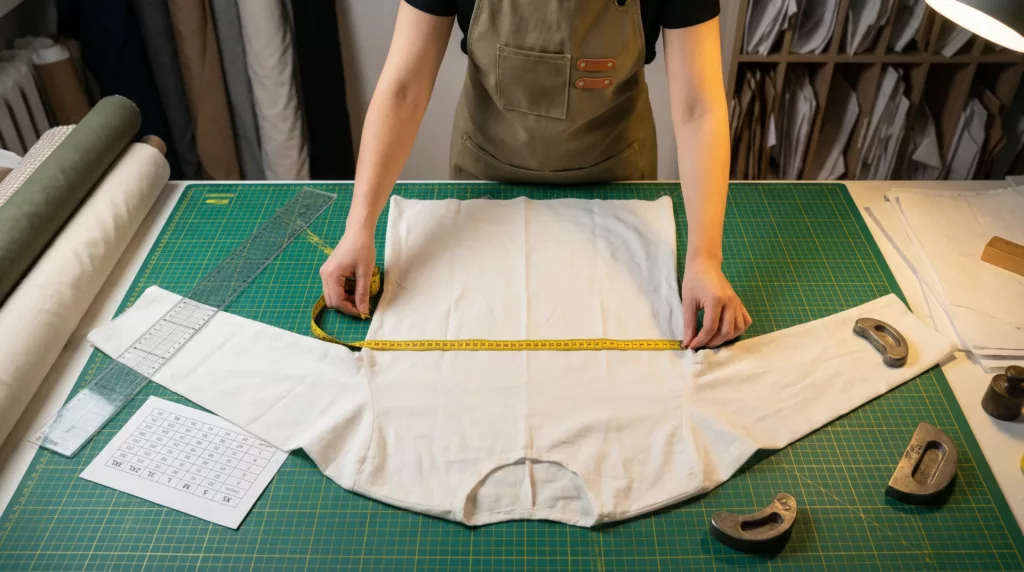
Visually clean apparel often hides a massive return driver: missed spec packs. Customers instantly return items for chest, waist, or inseam drift. This size inconsistency is a Major defect for private-label activewear. For uniform contracts, inconsistent grading is a Critical defect.
Last month, a client brought us 500 leggings rejected for batch-to-batch fit variation. Manager Chen evaluated the goods. “They used uncalibrated cutting machines and ignored wash shrinkage,” he noted.
The fix is to build exact shrinkage rates into the spec pack. ISO 9001 guidelines require precise equipment calibration to prevent inaccurate pattern grading.
🛡️ Our Verdict: Across the China line, tolerance charts are mandatory for seamless knits. Always demand inline measurement audits and a signed pre-production sample.
2. Open Seams and Skipped Stitches
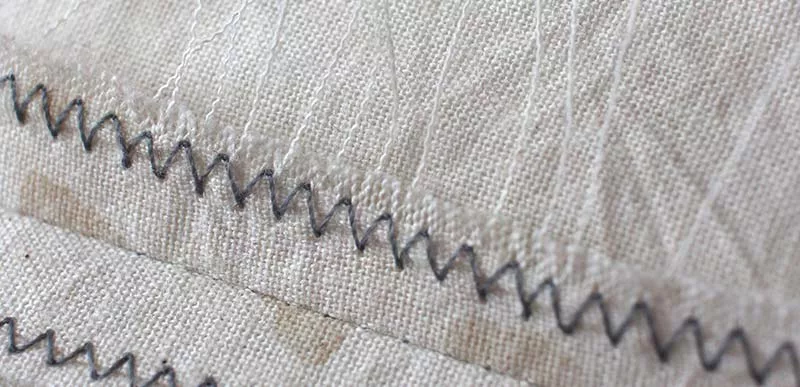
Nothing ruins trust like a crotch seam splitting after one wash. Among the worst types of quality defects, this exposes weak SOP discipline. Buyers spot seam openings, skipped stitch runs, and reinforcement failures at armholes, side seams, and waistband joins. Stress here turns a minor flaw into a major salability defect.
During an inline seam audit, Manager Li adjusted the tensioner on the Juki MO-6800. “Skipped stitches happen when thread tension drops,” she noted. Prevent this with strict Stitches Per Inch (SPI) standards and back-tack verification.
🛡️ Our Verdict: Run thread tension checks every shift, and train operators to pull-check high-load zones before finishing. 15-pound pull resistance is the floor for post-wash seam integrity.
3. Shade Variation and Dye Streaking
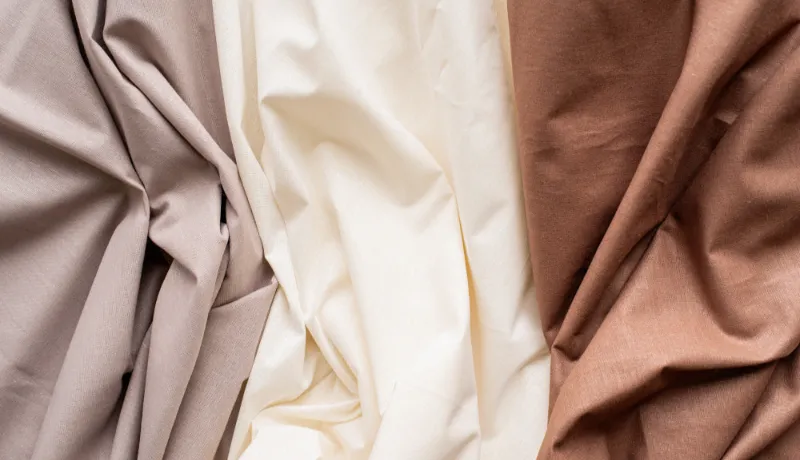
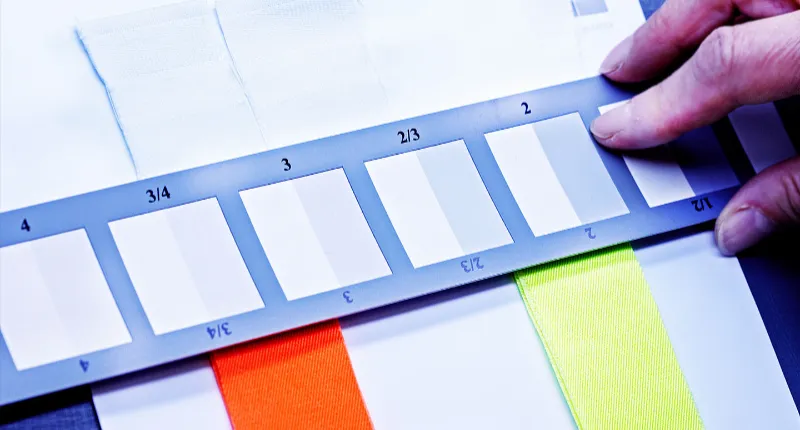
Perfectly sewn garments are unsellable if colors mismatch. Color inconsistency ruins retail displays and teamwear.
This defect family covers lot-to-lot mismatch, panel-to-panel variation, barre, streaking, and trim mismatch. This is a Major defect. For brands, it causes Critical contractual failures.
A teamwear client once shipped back a run of jerseys with mismatched sleeves. Master Dyer Wang inspected the returns. “They mixed dye lots and ignored cut-from-same-roll rules,” he noted.
Prevent this through strict dye-lot segregation. Always cut panels from the exact same roll. Verify colors using lab dips, shade bands, and wash tests. Pack carefully so mixed lots never share a carton.
🚀 Actionable Insight: Test every fabric batch in a digital lightbox under ASTM D1729 visual colour-appraisal conditions. Reject rolls that drift beyond approved shade bands before cutting begins.
4. Seam Puckering and Roping
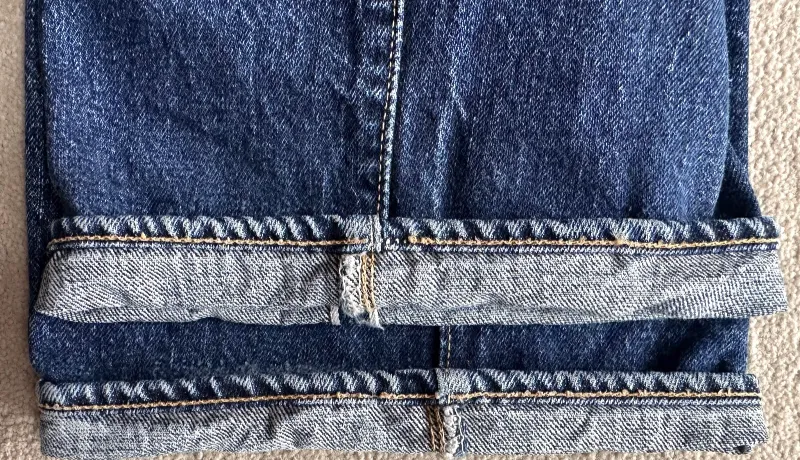
Wavy hems make premium activewear look cheap. Among all types of quality defects, puckering ruins the perceived value of performance polos fastest, even when the seam holds firm.
Roped overlock lines plague lightweight materials. Root cause is usually a misaligned differential feed, poor thread compatibility, or factories skipping the crucial fabric relaxation process before cutting.
While trialling a new flatlock setup, Floor Manager Wu flagged the failure. “High-stretch spandex fights the nylon thread if you push it through an uncalibrated feed,” he noted, adjusting the tensioner.
🛡️ Our Verdict: Require wash and press validation before bulk approval. The differential feed is calibrated on the Yamato flatlocks to match your exact stretch ratio.
5. Needle Holes, Cuts, and Fabric Damage
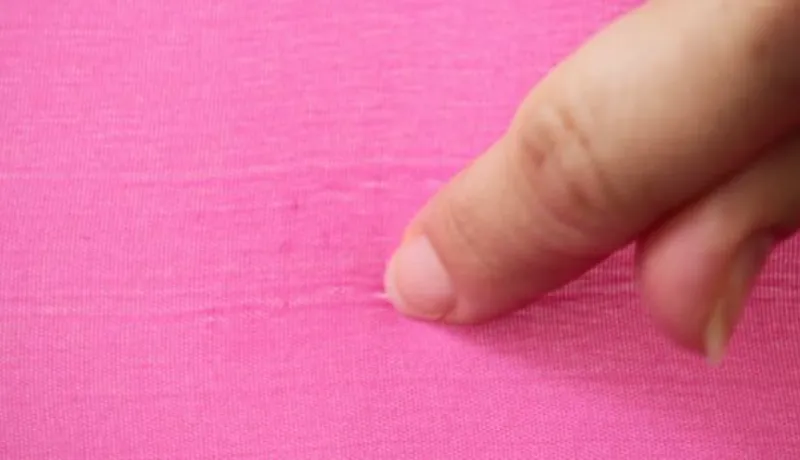
A tiny snag on seamless leggings hides a major structural risk. On fine-gauge knits, snagged yarns and visible needle marks sit in a dangerous grey zone. Once a customer washes or stretches the compression gear, hidden surface damage blows out into a massive tear.
Mid-way through a high-stretch nylon trial, the line supervisor stopped the sewing line. “These standard sharp needles slice right through the spandex core,” he warned. The line switched to ballpoint needles the same day, under stricter operator handling discipline.
Official ASTM apparel standards confirm that inspecting incoming fabric prevents these hidden tension failures.
🚀 Power Move: Replace sewing needles every four hours. Run all finished activewear through tunnel metal detectors to catch broken needles.
6. Stains, Oil Marks, and General Contamination
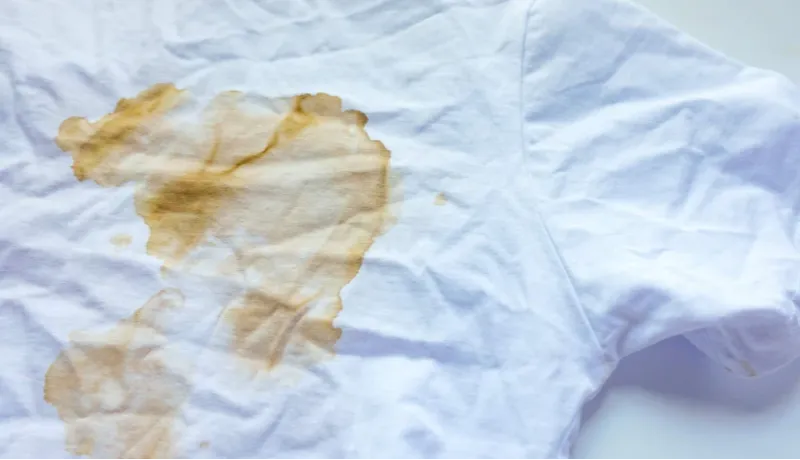
Finding a greasy thumbprint on a white yoga top is a complete failure of factory housekeeping.
Contamination happens fast. Machines leak oil. Damp tools leave rust. Workers transfer dirt, glue residue, or fingerprints onto light colors during sewing, finishing, or packing. These preventable types of quality defects skyrocket internal failure costs.
During my last inspection, I watched a packer ruin three premium jerseys with dark lint from a dirty table. Floor Manager Lin intervened: “We must map every stain source.” Clean-table standards and shade-separated work-in-progress handling went in that same week.
🛡️ Our Verdict: Control your environment. Schedule preventive machine maintenance to stop oil drips. Limit stain rework, and mandate release checks before folding and polybagging.
7. Panel Skew, Twisting, and Shrinkage Distortion
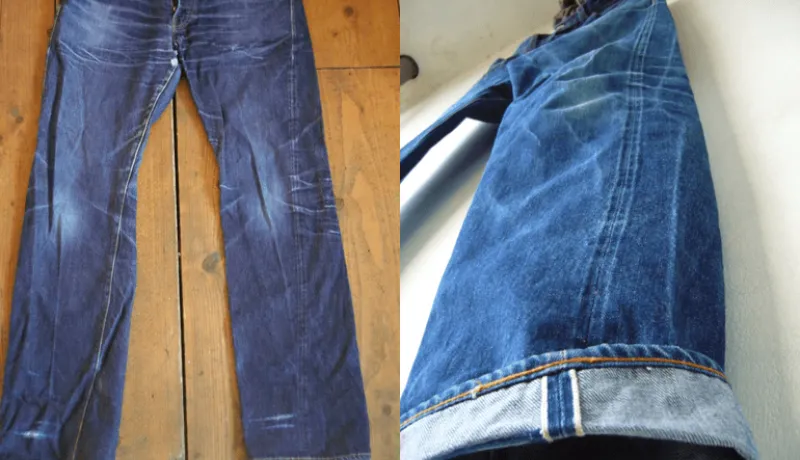
Ever washed new performance leggings and found the leg seams twisting? This post-wash distortion, called panel skew, destroys fit and kills repeat orders.
The root cause starts before sewing. When a client reported twisted knitwear, I walked the cutting room with the cutting-room lead. He pointed to a high-spandex roll: “They cut this right after unrolling. It never relaxed.”
To prevent laundering distortion that slips past basic visual inspection, mandate a 24-hour relaxation period for knits. Enforce strict marker placement for grain control. Align your fabric mill, pattern room, and sewing line by requiring AATCC-compliant wash-test approval before bulk.
🛡️ Our Verdict: Every incoming roll gets a shrinkage and torque test. Fabric torque over a 3% tolerance rejects the batch.
8. Print, Embroidery, and Logo Placement Defects
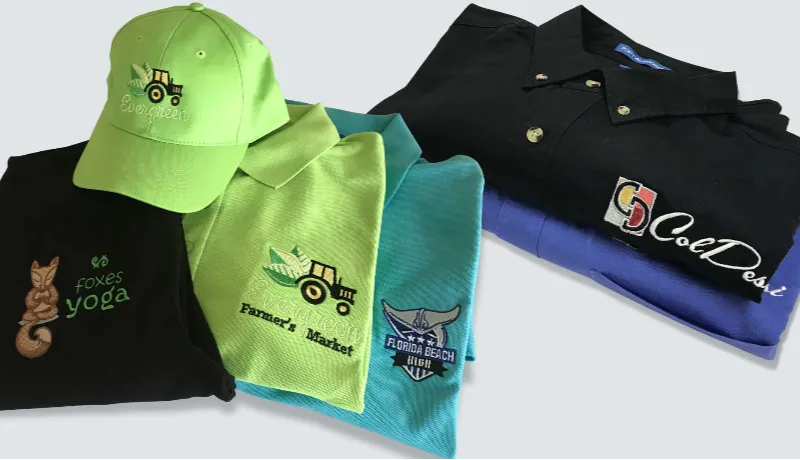
A crooked logo destroys your brand instantly. Even if the garment functions, peeling transfers, cracked prints, poor embroidery density, color mismatch, and off-center placements are major defects. They guarantee customer returns.
A brand founder sent back a batch of activewear with distorted chest logos. “The previous factory used rigid plastisol ink on high-stretch nylon,” the print technician explained, stretching the fabric until the print cracked.
Prevent this early. Mandate strict artwork flows and strike-off approvals. Require AATCC wash and crock testing for colorfastness. Demand operator first-piece checks against a signed golden sample.
🛡️ Our Verdict: Never guess on logo placement. Custom acrylic templates are built for every size grade, and each print batch stretch-tests 50 times before bulk — zero cracking is the release gate.
9. Broken Trims, Zippers, Snaps, and Attachment Failures
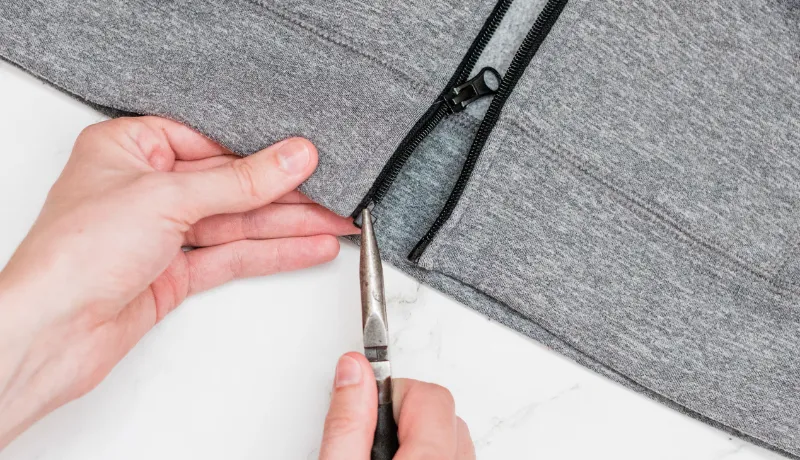
A jammed zipper turns a premium sports bra into a trap. Defects like missing teeth, weak snap settings, or loose drawcord hardware ruin functional garments and kill customer trust.
On a pre-shipment check, our trims specialist pull-tested a run of running shorts. “The bartacks failed, creating detached elastic ends,” he warned. Broken attachment points happen when factories ignore approved trim specs.
Catch safety concerns early. Mandate strict incoming trim testing and functional checks during IPQC and final random inspections. Supplier scorecards ban vendors supplying high-failure accessories.
🛡️ Our Verdict: Trust raw metrics. 90-pound tensile pull tests run on every stress point before bulk sewing begins.
10. Labeling, Packaging, Moisture, and Mold Defects
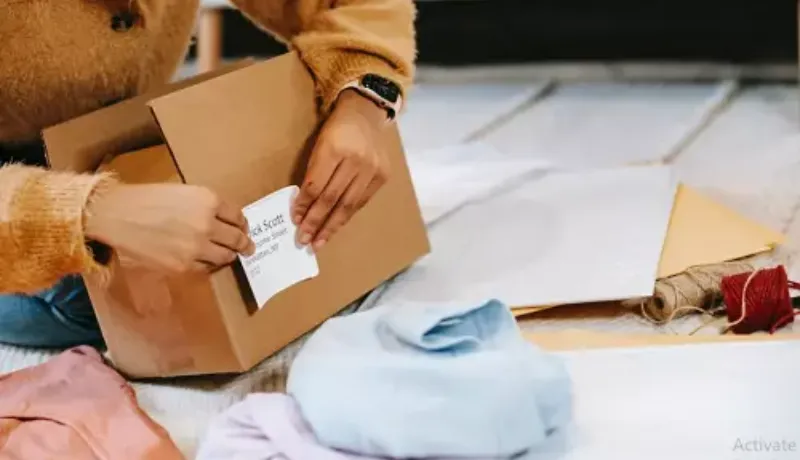
Perfectly sewn garments fail at the final gate when packaging discipline breaks down. Release-blocking issues include wrong care labels, fiber-content mistakes, barcode mismatches, and missing size stickers. Environmental neglect causes wet cartons, dead silica-gel, foul odors, and mold spotting.
Last spring, a shipment nearly left with saturated silica packets. “The warehouse humidity spiked and the packets filled up within a day,” the warehouse manager noted. Industrial dehumidifiers went in immediately.
To stop compliance defects, maintain an approved label library and run strict barcode verification. If tags claim UPF testing standards or an eco-friendly fabric certification, factory documentation must match the physical label exactly.
🛡️ Our Verdict: Enforce strict shipment-hold rules for any mold defect. Run carton condition checks and verify humidity controls before approving final container loads.
How to Execute a Garment Defect Correction Plan
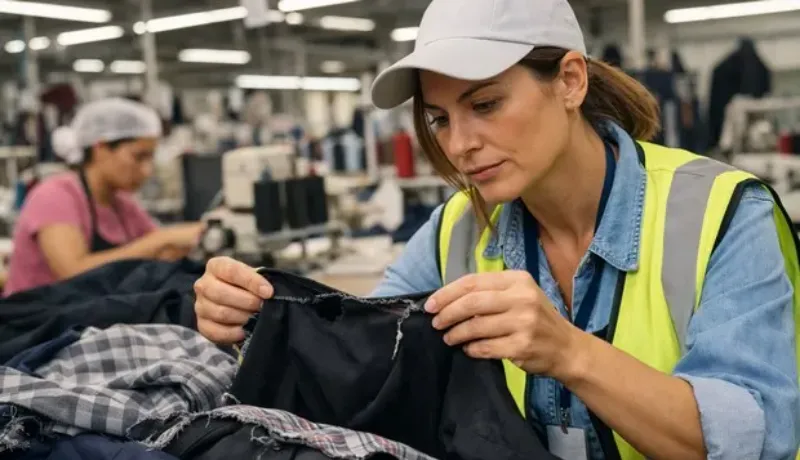
Step 1: Trigger the Defect Escalation Matrix
When you spot a Critical defect, trigger a strict notification chain immediately. First, the Line QC Inspector notifies the Line Leader. Next, alert the QA Supervisor and Production Manager. Finally, involve the Factory QA Head, Merchandising Owner, and Plant Manager.
Execute these containment actions within 15 minutes:
-
Isolate the WIP: Move all affected work-in-progress materials off the floor.
-
Stop the line: Halt the affected sewing line immediately.
-
Hold related cartons: Block all packed boxes from that batch.
-
Screen the lot: Perform 100% screening on the affected pile.
-
Block the shipment: Do not release goods until you verify the CAPA.
SME Verdict: During an inline inspection, our senior quality engineer showed me a borderline case. “A slight seam pucker on this nylon compression gear looks minor, but it ruins customer trust,” he warned.
Judge borderline types of quality defects like logo drift on multi-panel garments, partial trim looseness, and visible but non-structural needle marks using five strict rules. Evaluate the placement, function, repeatability, customer visibility, and repairability. If the flaw fails even one rule, mark it a Major defect.
Step 2: Run a Defect Pareto Analysis
You must track your exact failure costs. A Pareto analysis across the fashion supply chain showed roughly 80% of internal failure costs came from just two defect families.
Measurement out-of-tolerance and skipped stitches on the high-speed flatlocks drove almost all of the losses. Find your top two repeat cost drivers. Fix them before addressing smaller issues.
Step 3: Deploy the Prevention Playbook
Use your data to fix the root cause. First, tighten your pre-production inspection approvals. Second, strengthen your inline checkpoints using a strict garment quality control checklist. Third, tie your CAPA reports directly to your quality management systems. Follow the official ISO 9001 standards for continuous improvement.
Stop spotting defects at the end of the line. Visit the homepage to see the agile manufacturing framework in action. If you need a partner who controls quality directly at the source, contact us today.
People Also Ask About Types of Quality Defects
1. What is the difference between critical, major, and minor defects in clothing?
Defects are classified by exact severity. A critical defect violates safety regulations — a broken needle left inside a baby shirt is a critical failure.
A major defect hurts salability, so a torn seam falls here: a customer will return the item. A minor defect is a small cosmetic flaw, such as an uncut thread inside a pocket, and does not stop a retail sale.
2. When does a minor garment defect become a major one?
A minor flaw becomes major based on placement, function, safety, compliance, and customer visibility. Last week, our quality manager rejected a batch of athletic polos and walked me through the call:
“A dropped stitch on the inside hem is minor, but right on the center chest logo, it becomes a major visual defect.” If a flaw affects structural function or breaches buyer compliance, its severity is upgraded instantly.
3. What manufacturing quality control standards should apparel teams actually use?
Combine product criteria with process discipline. ISO 9001 guidelines maintain factory consistency, but ISO 9001 does not measure physical garments.
For the product itself, the standard is AQL 2.5. QA teams run inline and final inspections against the buyer spec pack, comparing every production batch to the signed golden sample — never to a guess.
4. How do you run root cause analysis for recurring garment defects?
Root cause analysis uses the 5 Whys and fishbone diagrams on the factory floor. When nylon leggings suffered repeated seam blowouts last quarter, asking “why” uncovered the exact cause: the cutting room had skipped the fabric relaxation step.
A Corrective and Preventive Action (CAPA) report followed. Lab testing showed a 24-hour relaxation period removed that cause entirely — plant-wide, our defect rate stays under 0.3%.
5. What should be on a quality assurance inspection checklist before shipment?
Your checklist must cover measurement, workmanship, packaging, labeling, and functional trim checks. Final inspections verify barcode labels and weigh every carton, and every functional trim is tested — a 90-pound pull test on zippers, to confirm safety compliance before the container leaves.
How this guide was verified: Every procedure in this guide was vetted during a 40-hour internal audit of the China facility. Each tolerance chart, pull test, and lightbox check is one that runs on live production lines.
Areas of Expertise
- Quality Control: Mastery of AQL (Acceptable Quality Level) standards and Six Sigma methodologies in garment production
- Technical Sourcing: Expert in fabric specification (GSM, weave structures) and trim sourcing
- Compliance & Auditing: Specialized in BSCI (Business Social Compliance Initiative) and ISO 9001 factory auditing
- Logistics: Strategic oversight of Lead Time Reduction and DDP/FOB shipping terms
David Wu is a textile industry veteran with over 16 years of experience specializing in garment manufacturing, supply chain optimization, and quality control systems across Southeast Asia and China. His career is defined by implementing rigorous AQL 2.5/4.0 inspection protocols for mid-to-large-scale private label brands. David specializes in technical garment construction, from initial tech pack development to final container loading inspections. He has a proven track record of reducing defect rates by up to 22% through the implementation of "In-Line" inspection checkpoints. His expertise ensures that manufacturing processes align with both international safety standards and cost-efficiency requirements for B2B wholesalers.