Stop guessing on fabrics and suppliers. Mastering wholesale sportswear sourcing requires more than comparing online prices.
I manage production lines every day and see brands make three mistakes. They pick the wrong fabric, trust unvetted suppliers, and approve samples that fail to match the bulk order.
Prototyping takes 15 days. This guide provides gym owners and team buyers a factory-floor map to secure private label apparel, studio merchandise, or teamwear. I will share the Squat Test and Wash Test I perform on raw materials to verify OEKO-TEX Standard 100 compliance.
Author’s Verdict: Never scale to 5,000 units until you verify a 50-piece micro-run in person. Sourcing activewear is a physical process.
Prepare your first tech pack.
What You Need Before Contacting Suppliers
At our China factory, we reject 30% of initial inquiries when buyers lack a control panel. Before starting wholesale sportswear sourcing, define your identity: a startup brand testing micro-MOQs, a gym/studio needing custom butter-soft blends, or a team buyer fighting strict game-day deadlines.
-
The Blueprint: Define your product category, target landed cost, estimated MOQ, and delivery deadline. Gather vector logo files, physical inspiration garments, and a graded size range.
-
Business Access: Register your Employer Identification Number (EIN) and state resale permit. Assign an importer of record. If customs clearance confuses you, consult an apparel sourcing agent.
-
Sample Testing Kit: Pack a measuring tape, phone camera, bright light, harsh detergent, wear-test notes, and a scorecard.
-
Acceptance Standards: Define quality with facts. “Good compression” stops muscle bounce. “Total opacity” means zero skin visibility. “Perfect fit” means waistbands stay anchored. “Buttery feel” requires brushed Nylon. Ask suppliers these factory vetting questions.
⚠️ Safety First: Never skip compliance. Draft FTC-compliant fiber and care labels. Demand OEKO-TEX Standard 100 chemical safety certificates, enforcing strict youth apparel rules. Vetted suppliers hold credentials listed on the MAGIC Las Vegas exhibitor page.
Step 1: Build Your Sourcing Brief and Fabric Specs
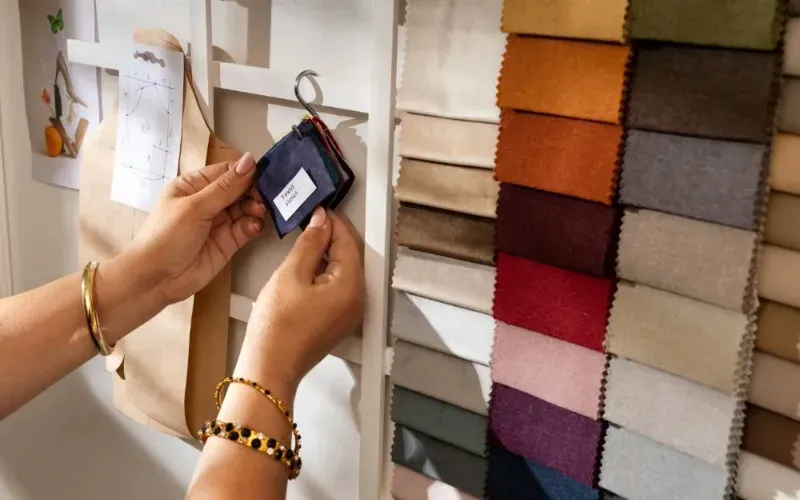
Define your exact sportswear category before requesting quotes. In my experience managing factory production lines, vague requests for “workout clothes” get ignored. Suppliers need precision to calculate accurate yields and machine requirements.
First, choose your manufacturing route:
-
Custom Cut-and-Sew (Overseas): Select this for proprietary fabric blends, fully custom patterns, and private label activewear.
-
Stock Wholesale (Domestic): Use this alternative path for urgent basic replenishment or simple print-on-demand merch.
Next, select a specific product category like Yoga Leggings, CrossFit Shorts, Sports Bras, or Performance Tees.
Assign an activity-to-fabric profile using tactile, sensory terms:
-
Yoga & Studio: Request a brushed, matte finish with four-way stretch, soft handfeel, and total opacity.
-
Running: Prioritize slick, lightweight, cool-to-touch fabrics.
-
CrossFit: Demand compressive fabrics with strong recovery and abrasion resistance.
-
Teamwear: Specify lightweight polyester built for sublimation print durability.
Set your fabric weight using standard GSM (Grams per Square Meter) bands. Specify lighter fabrics for tanks and mesh panels, midweight for training tops, and heavier ranges for leggings and high-impact compression pieces.
Describe visual cues by garment location and function, not just color (e.g., “Add mesh venting across the upper back”).
Compile these details into a one-page Wholesale Sportswear Sourcing brief. Verify your document clearly lists: target product, target price band, MOQ goal, tactile fabric specs, branding method, and a strict deadline.
⚠️ Experience Warning: Mixing use-cases in a single brief confuses suppliers. I once submitted a combined brief for soft yoga tops and rugged training shorts. The factory assumed I wanted cheap volume and quoted standard rigid polyester for both. Create one distinct brief per product type to guarantee accurate sampling.
In my experience with Wholesale Sportswear Sourcing, factories make disastrous assumptions when you leave out details. Missing specifications cause fit, construction, and branding errors. Your tech pack is the single biggest anti-mistake tool in private label manufacturing.
-
Select your manufacturing method. Choose Seamless Knitting for chafe-free compression wear. Opt for Cut-and-Sew for complex paneling and custom sizing.
-
Create a Bill of Materials (BOM). Spell out these non-negotiable fabric fields: Composition, Construction, GSM, Stretch Expectation, Opacity Requirement, Moisture-Management Claim, and Finish Notes.
-
Specify exact fiber blends. Request softer nylon/spandex blends for yoga apparel. Demand high-recovery blends for high-intensity training or CrossFit.
-
Perform a physical sensory check. Compare real samples. Contrast a brushed softness against a slick performance handfeel. Stretch the fabric hard to test the waistband snap-back. Verify the material does not bag out after stretching. Require your supplier to meet official OEKO-TEX Standard 100 safety certifications.
-
Define your stitch architecture. Require Flatlock stitching for ultimate comfort on performance seams. Use Overlock stitching where cost or basic structure allows. Mark high-stress zones for heavy reinforcement.
-
Document all visual details in plain text. Do not rely solely on your flat sketch. Write out the exact Seam Placement, Panel Shape, Gusset Location, and Label Position to ensure perfect accessibility and translation.
-
Add technical finishing details. Include your Graded Size Chart, Measurement Tolerances, Logo Method, and Packaging Notes.
-
Send the tech pack for a quote. You will know this process worked when the supplier replies with a sample cost, MOQ, lead time, and fabric alternatives. You should not face endless clarification requests. Cross-reference quotes with sportswear manufacturers in Vietnam to verify competitive pricing.
⚠️ Experience Warning: Early startups often send a physical reference garment with marked-up notes instead of a full tech pack. If you choose this route, expect your revision rounds to double.
🧠 Author’s Verdict: I found that skipping flatlock stitch instructions on yoga wear ruins the entire batch with chafing issues. Detail every single seam.
Step 2: Vet and Shortlist Your Sportswear Suppliers

Build a shortlist of 5-10 realistic suppliers instead of jumping at the first low quote. First-time buyers often overpay because they cannot distinguish a real factory from a middleman using attractive photos.
Choose factory-direct manufacturing via platforms like LeelineWear as your primary route for custom gym clothing. Use a sourcing agent if you are a new importer needing daily communication, quality control, and logistics support. You can also target domestic wholesalers or trade-show contacts.
Verify the supplier’s legal standing before discussing products. Ask for their company registration and export experience. Clarify if you need an EIN or resale certificate to import. Check their official trade-show presence on the MAGIC Las Vegas exhibitor page.
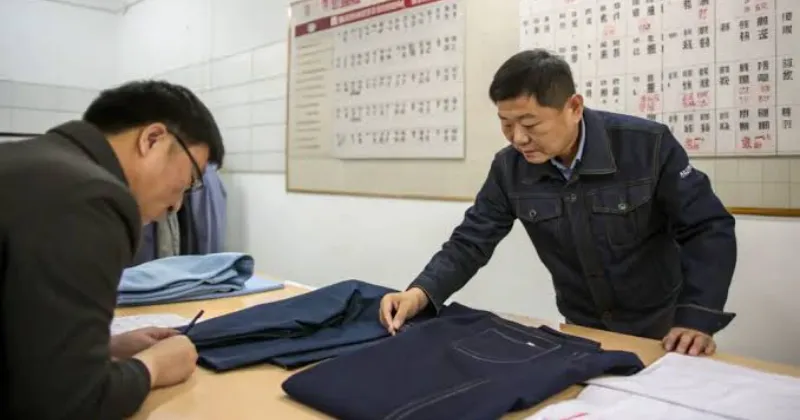
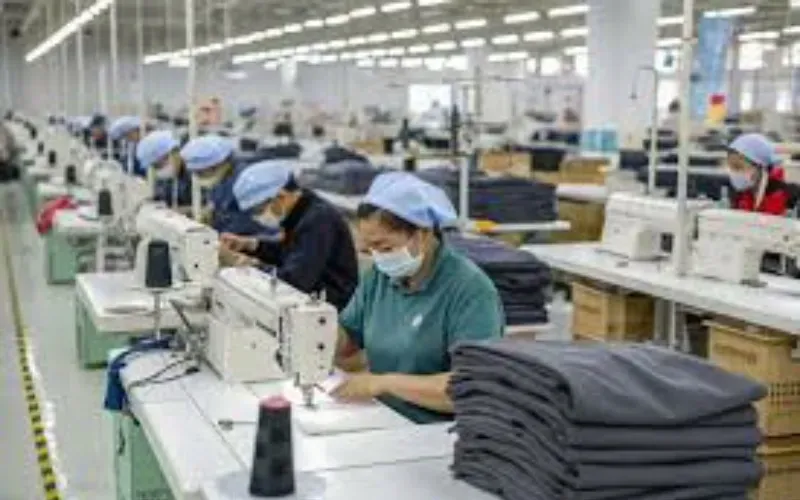
Request a live video walkthrough of the facility. Listen for the loud, rhythmic noise of flatlock sewing machines. Look for labeled fabric rolls stacked near the sample-room setup. Watch their active packaging lines to confirm actual production.
Run a strict sportswear credibility check. Prepare specific questions to ask the clothing factory. Ask who sources their raw fabric. Demand their OEKO-TEX material documentation. Require them to explain their stitch construction and AQL inspection workflow. Tell them to describe trim placements using words.
For example, they must specify “heat-transfer logo centered on the upper back.”
Evaluate your options using this strict checklist:
-
Production specialization
-
Minimum Order Quantity (MOQ) by style and color
-
Sampling lead time
-
Quality Control (QC) process
-
Relevant certifications
-
Reference clients
Filter out red flags immediately. Drop suppliers pitching copied brands. Reject vendors quoting without your specifications. Avoid factories giving vague fabric answers. Eliminate those refusing to define shipping terms.
You should finish this step with 2-3 qualified suppliers providing comparable quotes based on your tech pack.
⚠️ Experience Warning: During our vetting process, I noticed middlemen always refuse live video calls. If a supplier cannot show you real seam close-ups on the factory floor, delete their number.
🧠 Expert Take: Always ask a potential factory to explain their inspection workflow. Real manufacturers instantly cite AQL 2.5 standards, while agents just promise “good quality.”
Step 3: Order and Stress-Test Physical Samples
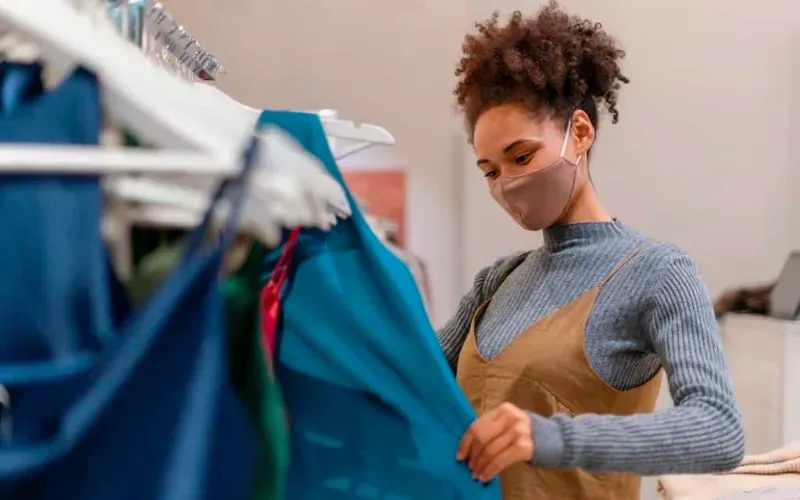
In my experience, approving a nice-looking sample based solely on photos is the most common failure point in wholesale sportswear sourcing. Photos and fabric claims are never enough to make high-quality workout clothes wholesale decisions. You must order like-for-like samples from your shortlisted suppliers and test them side by side.
Never skip physical sampling, even when pursuing small batch sportswear production.
Create a strict pass/fail scorecard. Your criteria will shift based on your product: startups need dense compression for leggings and bras, sports teams need sublimated teamwear that resists fading, and corporate gyms need performance polos with high fabric rebound.
Execute this real-world checklist to find your winner:
-
Perform the Squat Test. Put the sample on and execute deep lunges. Check the seat opacity in bright light. Document any visual opacity shifts in your notes. Record if the fabric turns shiny or see-through under stretch. Feel the seam comfort during movement; the garment must feel secure, not flimsy. For team jerseys or shorts, adapt this by checking shoulder mobility and seam strain.
-
Execute the Wash Test. Wash the garments in harsh detergent. Describe the exact results in words, not just images. Record exact shrinkage measurements, pilling, or twisted seams. Note any cracked logos or color bleed. Smell the fabric for odor retention. Touch the material to verify the brushed softness survives the spin cycle.
-
Run a Recovery Test. Stretch the waistband, cuffs, and high-stress points to their limit. Feel for dense but flexible compression. Watch the fabric snap back immediately. Reject any samples that stay loose.
-
Inspect Seam Construction. Run your bare hands over the interior seams. Feel for flatlock smoothness. Look closely for skipped stitches, thread pops, and precise gusset alignment. Verify the elastic insertion and stress-point reinforcement.
-
Conduct a Moisture Review. Drop water directly on the fabric. Compare how the damp spots spread and dry. If a supplier claims moisture-wicking features, demand official AATCC moisture wicking test evidence.
You will end this process with one approved sample and heavily documented reasons to reject the rest.
⚠️ Experience Warning: During our factory tests, many samples felt perfect unboxed but shrank two sizes after one wash. Always document exact shrinkage measurements and test fabric rebound before spending your budget on bulk production.
Step 4: Negotiate and Lock In Your Contract Terms

I always negotiate bulk pricing after approving the physical sample. In my experience, negotiating earlier gets you a generic brochure price. Tie your final price to a tested, known specification.
Draft your Purchase Order based on the winning sample. Lock these exact terms in writing:
-
Quantities: Define your Minimum Order Quantity (MOQ) per style and color. Specify your exact size ratio.
-
Financials: Request a sample-fee credit. Set strict deposit terms and a hard production schedule.
-
Apparel Clauses: Require Pre-Production Sample (PPS) approval and Top of Production (TOP) confirmation. State your Acceptable Quality Limit (AQL) target. Demand spare pieces.
Detail packaging specs to guarantee a premium first-touch impression. I found that cheap polybags trap moisture and cause foul odors. Specify breathable packaging to prevent print creasing. Write out barcode, label fields, and carton marks in text. Do not rely on color codes for size identifiers.
Calculate your true landed cost. Cheap quotes often omit duties or inspection fees. Review official Incoterms guidance to understand EXW versus FOB. Select DDP if you want the factory to act as the importer of record. For urgent top-ups, use a regional apparel sourcing agent instead of a custom China t-shirt manufacturer.
For team sportswear, set firm artwork deadlines. Require strict player-name and number verification. Establish a fill-in order policy with a season-start buffer.
You should now hold a signed Pro Forma Invoice matching your approved sample exactly. If the factory refuses to list your AQL target, halt the process.
⚠️ Experience Warning: “Low MOQ” claims often hide strict limitations. I once faced massive upcharges just to get three sizes. Lock in your size ratio before paying the deposit.
⚡ Power Move: Never accept a unit quote without defined logistics. Focus on your landed cost to avoid surprise import duties.
⚠️ Warning: Never order 5,000 units immediately. Start your wholesale sportswear sourcing with a controlled pilot order.
Small orders reveal fit issues and supplier responsiveness before committing large capital. A realistic pilot depends on your model:
-
Boutiques: A 50-piece private label run.
-
Team Buyers: A full size-set approval.
-
Gyms: A limited first wholesale drop.
Execute this exact bulk-control sequence:
-
Approve the Pre-Production Sample (PPS): Do not approve fabric cutting until you hold this in your hands.
-
Confirm the Top of Production (TOP): Demand an inline video check of the first sewn unit.
-
Schedule the Final Inspection: Require a random check before packing.
-
Verify the Packing List: Use a simple size-matrix and packing table so complex orders remain clear.
-
Release the Final Balance: Only pay the remaining balance after the goods pass these checks.
When bulk arrives, perform a strict sensory check against your approved sample:
-
Smell: Unpack the boxes immediately. Harsh chemical odors mean the factory rushed the finishing wash.
-
Touch: Verify the fabric handfeel and stretch elasticity.
-
Sight: Check print sharpness and stitch consistency.
To scale smartly, keep successful fabric article numbers consistent. Adjust the GSM or blend only when customer wear feedback justifies it. Track return reasons, log fit complaints, and build reorder calendars around factory lead times and peak-season delays.
Alternative Path: If direct factory reordering feels slow, use a hybrid setup. Ship bulk to a domestic 3PL warehouse for faster daily replenishment.
You now possess a complete reorder SOP with inspection checkpoints and deadline buffers. To execute this scaling phase with an agile partner, contact LeelineWear.
⚠️ Experience Warning: I found that factories often execute pilot orders perfectly but rush the second bulk run. Always demand a TOP sample for every single reorder to guarantee stitch consistency never drops.
Troubleshooting Sourcing Failures
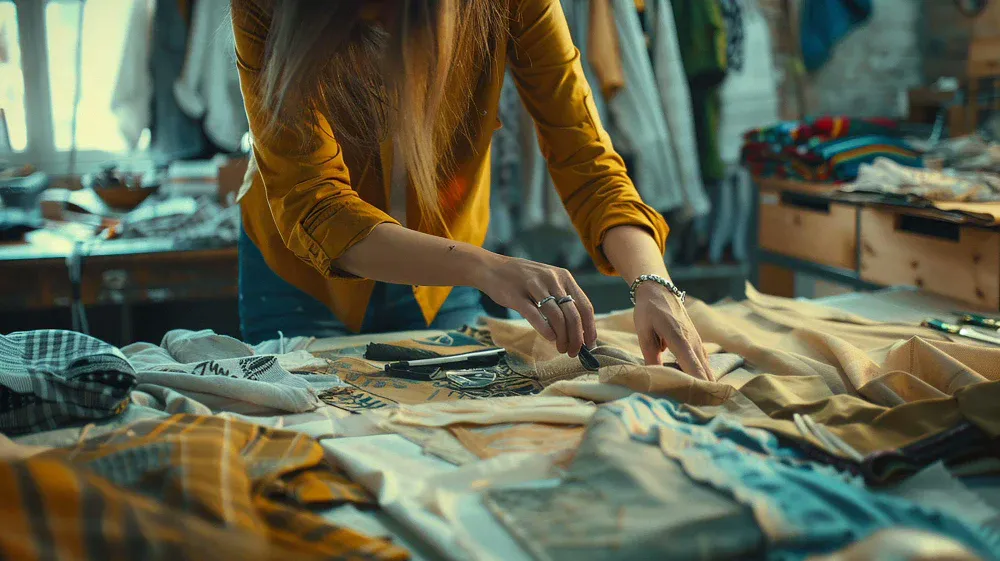
Problem: Bulk Fabric Feels Thinner Than the Sample
Sample-to-bulk mismatch is the biggest wholesale sportswear sourcing failure. I see suppliers substitute an approved 250 GSM sample with a 200 GSM bulk fabric to pad margins.
-
Compare the bulk weight and composition against your original spec.
-
Invoke your AQL 2.5 inspection rights before releasing final payment.
-
Require Top of Production (TOP) samples on future runs.
Problem: Supplier Hides Production Evidence
If a vendor refuses a live video call from the production line, you are dealing with a middleman. Treat this evasion as a critical verification failure.
-
Demand OEKO-TEX Standard 100 certification documents and live factory footage.
-
Switch to your backup supplier if they stall.
-
Walk away if they change bank routing details.
Problem: Prices Jump After Adding Logos
Agents bait buyers with blank-stock pricing. They then double the MOQ when you request custom colors.
-
Separate your cost structures for stock, private-label, and fully custom garments.
-
Confirm the exact MOQ per style, color, and size run in writing upfront.
Problem: Sizing Fails the Target Market
I have seen thousands of leggings arrive fitting like U.S. Smalls because buyers trusted generic factory templates.
-
Demand a measured spec sheet with strict tolerances.
-
Order a physical fit sample graded to your target body type.
Problem: Delivery Delays Threaten Launch Dates
Customs holds and peak-season bottlenecks destroy studio launch schedules.
-
Build a 14-day buffer and lock artwork early.
-
Split your shipments. Air-freight 20% for the launch and sea-freight the rest.
-
Track your split shipments through your forwarder portal to verify customs clearance dates.
-
Keep a domestic fallback supplier for rush top-ups.
🛡️ Prevention: Weigh your approved sample on a digital scale. If the bulk delivery garments weigh less, the factory skimps on fabric density.
📝 Editor’s Verdict: Always hold your physical sample and a bulk unit side-by-side before releasing your 70% final payment.
People Also Ask About Wholesale Sportswear Sourcing
What is a normal minimum order quantity (MOQ) for custom sportswear?
Most traditional factories require 500 to 1,000 units per color. However, agile manufacturers offer much lower MOQs. We routinely run 50-piece micro-runs for startup private labels. In my experience, you should never accept a massive bulk requirement until you test a small batch.
Always negotiate a 50-unit pilot order to verify stitch quality.
How do I find a reliable wholesale sportswear manufacturer?
You must verify their production assets directly. Ask for live factory video tours. Check their trade-show presence on the MAGIC Las Vegas exhibitor directory. I immediately disqualify suppliers who refuse to show me their cutting room. A real factory will instantly explain their Acceptable Quality Limit (AQL) standards.
Middlemen will dodge the question.
What is the best fabric for wholesale activewear?
The best fabric depends on the sport. Use brushed nylon and spandex blends for yoga to achieve a buttery and opaque finish. Choose lightweight polyester for high-sweat teamwear. In our testing, cheap polyester holds odors permanently. Always require an AATCC moisture wicking test report.
I reject any fabric that fails the deep-squat opacity test during sampling.
Do I need a tech pack to manufacture gym clothing?
Yes, you absolutely need a tech pack. Factories cannot guess your fit requirements or fabric density. A good tech pack lists exact Grams per Square Meter (GSM), flatlock stitch placements, and graded sizing. When clients send me only a social media photo, the prototyping phase takes three times longer.
Define your specs in writing to control your costs.
Conclusion
You now possess a clear and battle-tested blueprint for wholesale sportswear sourcing. We mapped out the exact process, from selecting raw fabric to verifying your pilot order. Success in this industry comes from controlling your specs, testing physical samples, and verifying suppliers before you scale.
Your immediate next move is simple. Finalize your sourcing brief, shortlist your top factories, and request comparable samples. If you need help vetting partners, use our questions to ask a clothing factory. If you want a hands-off approach, consider hiring an apparel sourcing agent.
My Experience: Based on my years managing production lines, I know that brands fail when they skip physical sampling. Never trust a digital mockup. Touch the fabric, stretch the seams, and verify the fit yourself.
Stop guessing on your supply chain. Contact LeelineWear today to discuss your next collection. Let our factory-direct team build your product while you build your brand.
Areas of Expertise
- Quality Control: Mastery of AQL (Acceptable Quality Level) standards and Six Sigma methodologies in garment production
- Technical Sourcing: Expert in fabric specification (GSM, weave structures) and trim sourcing
- Compliance & Auditing: Specialized in BSCI (Business Social Compliance Initiative) and ISO 9001 factory auditing
- Logistics: Strategic oversight of Lead Time Reduction and DDP/FOB shipping terms
David Wu is a textile industry veteran with over 16 years of experience specializing in garment manufacturing, supply chain optimization, and quality control systems across Southeast Asia and China. His career is defined by implementing rigorous AQL 2.5/4.0 inspection protocols for mid-to-large-scale private label brands. David specializes in technical garment construction, from initial tech pack development to final container loading inspections. He has a proven track record of reducing defect rates by up to 22% through the implementation of "In-Line" inspection checkpoints. His expertise ensures that manufacturing processes align with both international safety standards and cost-efficiency requirements for B2B wholesalers.