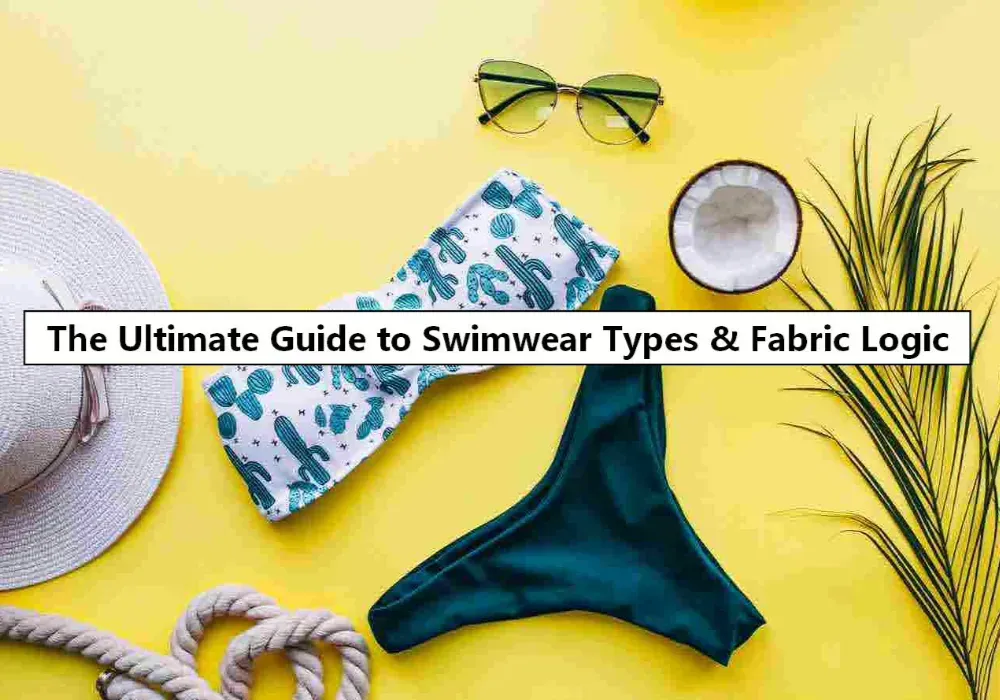
Shoppers know the exact beach look they want. They lack the vocabulary to compare coverage, support, and durability. Understanding specific swimwear types prevents costly mistakes.
At LeelineWear, we process thousands of custom suits monthly. I see buyers request a generic “bikini” every day. This vague language ignores the basic stretch metrics that ASTM International outlines.
When you contact swimwear manufacturers, precision saves time. This guide evaluates each category by cut, movement, fabric logic, and styling.
1. One-Piece Swimsuit Variations

If you only pack one suit for travel, it must survive active movement. The one-piece remains your safest default. On a category page, these suits look identical. Once wet and in motion, the specific cut dictates exactly how they perform.
At our factory, we pattern three main subtypes:
-
Fashion: Classic scoop and plunge styles work best for low-impact sunbathing.
-
Support: Wrap-front and control-panel styles use heavier mesh linings to shape the core.
-
Activity: Zip-front sport cuts lock everything in place for swimming laps.
Real wearer feedback reveals a common fit tradeoff. High leg openings visually lengthen your legs but often ride up during play. If you face heavy ocean waves or chase kids on the sand, choose a fuller-seat cut. Pair it with adjustable straps for complete security.
🛡️ Our Verdict: When our R&D team patterns a control-panel suit, we strictly use a Nylon/Spandex 6.6 blend. Standard polyester simply lacks the stretch recovery needed to prevent sagging after a long day in the water.
2. Bikini Styles

You buy a stylish two-piece, only to lose your top in the first wave. We fix this exact design flaw daily on our factory floor. Stop treating the bikini as one broad category. Instead, choose a construction that matches your planned activity.
-
Triangle: Uses minimal fabric for tanning. It offers almost no structural support.
-
Bandeau: Gives you clean, strapless lines. This works best for resort lounging and light swims.
-
Bralette: Offers simple, wire-free comfort for all-day wear.
-
Halter: Provides excellent upward lift. This style stays secure during beach volleyball or heavy surf.
-
Underwire: Delivers rigid structure. You need this specific build for fuller bust support.
In our fit tests, reviewers constantly praise adjustable tie-backs. These features let you customize the fit to your exact ribcage. They also make mixing and matching sizes much easier.
🛡️ Our Verdict: When we manufacture custom orders, we advise brands to launch with tie-back halters. Fixed-clasp bandeaus cause high return rates due to rigid sizing. Tie-backs solve friction instantly.
3. High-Waisted, High-Cut, and Boy-Short Bottoms

Stop settling for matching bikini sets that ride up. To shop precisely, choose your bottom coverage based on how you actually move instead of studio photos.
We pattern three main options on our factory floor to prioritize comfort over outdated body-shape rules. High-waisted bottoms offer midsection coverage and a defined retro look. High-cut bottoms visually lengthen your legs. Boy-shorts provide maximum seat coverage and stability.
During our recent prototype testing, wearers shared consistent feedback. High-cut bottoms frequently shift during squats, stair climbs, or pool exits. Boy-shorts feel incredibly secure for beach volleyball, snorkeling, or chasing kids. That extra material simply feels bulkier and takes much longer to dry than a standard brief.
🛡️ Our Verdict: When we manufacture custom boy-shorts with OEKO-TEX Standard 100 certified materials, we use a lighter GSM fabric for the inner lining. This factory adjustment cuts drying time in half while keeping the shell opaque.
⚡ Power Move: Always check the lining weight before buying active swimwear to prevent soggy fabric.
4. Tankinis, Swim Dresses, and Skirted Styles

Wrestling out of a wet one-piece just to use the bathroom ruins a pool day. Shoppers want torso coverage without sacrificing convenience. Tankinis solve this perfectly. They deliver the midsection coverage of a one-piece with the bathroom ease of a bikini.
We recommend tankinis as the ultimate travel pieces. Customers can mix and match tops and bottoms to pack lighter.
Swim dresses and skirted styles serve a different purpose. They provide upper-thigh coverage and seamless pool-to-resort flexibility. These hybrid designs help buyers avoid overly sporty or matronly options. They feel comfortable for casual beach walking or family time.
The extra fabric creates heavy water drag. This makes them worse than standard bikinis for high-intensity lap swimming.
🛡️ Our Verdict: When our factory sews skirted styles, we use a 150 GSM nylon blend certified by OEKO-TEX Standard 100 for the outer layer. This prevents the garment from feeling like a heavy wet blanket. Specify the exact fabric weight in your tech pack to guarantee quick-drying comfort.
5. Monokinis and Cutout Swimsuits

Monokinis and cutout one-pieces sit right between bikini exposure and full coverage. These remain fashion-first garments. You must decide if your design serves resort styling or actual swimming.
In our sample room, we constantly see brands struggle with structural tension. A fixed waist cutout looks perfect on a static mannequin. On a moving body, the fabric instantly twists.
Cutout placement matters far more than the size tag. If a wearer has a long torso, a standard monokini stretches vertically. This pull causes poorly placed cutouts to gape or dig into the ribs.
We grade patterns using ASTM apparel sizing standards to handle different body lengths correctly. We also use OEKO-TEX certified materials to ensure safe skin-contact elasticity under high stretch.
🛡️ Our Verdict: When we manufacture custom monokinis, we always replace closed loops with adjustable side ties. This simple pattern change fits multiple torso lengths and keeps the fabric flat against the body.
6. Rash Guards, Long-Sleeve Suits, and Surf Sets

Standard swimsuits fail during active water sports. If you take a beginner surf lesson, a bare stomach quickly scrapes against the textured board. For snorkeling, paddling, or mixed beach days, you need technical coverage.
Rash guards, zip-front long-sleeve suits, and layered surf sets provide essential abrasion and UV defense. We strictly use fabrics that meet Skin Cancer Foundation guidelines for UPF 50+ protection.
Fit matters much more than fabric softness. If you duck-dive or move repeatedly between water and land, your gear must stay put. You need snug sleeves, secure hems, and non-rolling waist seams. A loose rash guard simply creates heavy water drag.
🛡️ Our Verdict: In our manufacturing facility, we run dedicated flat-lock stitching lines for surf sets to eliminate skin chafing during repetitive paddling motions.
🚀 Actionable Insight: Choose zip-front long-sleeve suits over pullovers. Peeling off a wet, skin-tight shirt is frustrating and physically stresses the garment seams.
7. Modest and Full-Coverage Swimwear Options

Finding garments that cover your body properly should never feel like an afterthought. As an activewear manufacturer, we treat modest coverage as a primary design category. Our clients source these specific Swimwear & Apparel Types:
-
Full-coverage one-pieces
-
Full-body suits
-
Swim leggings
-
Burkini-inspired separates
-
Shirt-and-shorts swim sets
Consumers choose these styles for faith, postpartum confidence, or sensory comfort. Sun protection also drives sales. The Skin Cancer Foundation recommends full-coverage clothing as the most effective UV defense.
During our real-user research, we found that fit-testing modest swimwear carries heavy emotional weight. Buyers need low-pressure home try-ons. We highly recommend the neutral shirt-and-shorts route. This combination provides total privacy without sacrificing water function.
🛡️ Our Verdict: When our factory manufactures swim leggings, we strictly use a lightweight 200 GSM nylon-spandex blend. Standard cotton absorbs water and creates dangerous drag. Always look for a four-way stretch knit certified by OEKO-TEX to ensure your suit stays secure and functional.
8. Men’s Swimwear Guide: Trunks, Board Shorts, Briefs, Jammers, and Rash Guards

Brands often source generic swim shorts. Their customers then spend vacations dealing with chafing. Match the inseam, drag, and support level to the actual end-use.
We categorize men’s Swimwear & Apparel Types on our factory floor like this:
-
Swim Trunks: Best for general vacations. They feature a shorter inseam and internal mesh brief.
-
Board Shorts: Built for surfing. The longer inseam feels relaxed. The extra fabric creates heavy drag, making them unsuitable for aerobic swimming workouts.
-
Briefs and Jammers: Designed strictly for training efficiency. They compress muscles and eliminate drag.
-
Rash Guards: Provide vital abrasion defense and UPF sun protection for active water sports.
Fit details dictate comfort. Lining quality and seam placement matter more than most buyers realize.
🛡️ Our Verdict: In our tests, we avoid rigid polyester mesh. We strictly use a soft, OEKO-TEX certified nylon blend for the liner. We also move the inner thigh seams outward by two centimeters to prevent skin irritation.
🚀 Actionable Insight: Rub the inner mesh lining sample against your inner arm for ten seconds to test for abrasive friction before ordering bulk trunks.
Sustainable Swimwear Materials to Know
Many brands slap “eco-friendly” tags on weak fabrics. When comparing swimwear and apparel types, remember a suit is only sustainable if it survives chlorine, heavy sun, and salt water. Fabrics degrading after one summer just create landfill waste.
On our factory floor, we test three recycled materials. Recycled nylon feels soft but breaks down faster in hot tubs. Recycled polyester offers superior UV resistance. For true longevity, we knit recycled PBT and polyester blends. This fabric withstands aggressive pool chemicals and repeated washing.
To verify material quality, use this checklist:
-
Demand clear fiber percentages on labels.
-
Specify a 200 GSM durable inner lining.
-
Match the fabric blend to the intended water use.
🛡️ Our Verdict: We often see founders overpay for fragile eco-fabrics that fail ASTM D4964 stretch tests. Build resilient product lines by partnering with experienced swimwear manufacturers who prioritize physical longevity.
⚡ Power Move: Soak your sample in chlorinated water for 48 hours to verify colorfastness before approving bulk production.
Beach Apparel and Resort Wear
Your customers rarely spend their entire trip in a wet swimsuit. They need transitional pieces. When manufacturing different swimwear & apparel types, we organize production around specific environments:
-
Tropical Vacations: Breathable crochet layers and simple sarongs.
-
Cruises & Beach Clubs: Coordinated matching resort sets and cabana shirts.
-
Family & Active Coastal Trips: Relaxed linen trousers and lightweight poolside dresses.
Help your buyers build a smart travel capsule. A functional bundle includes one performance swimsuit for activities, one style-led swim option for lounging, and two versatile cover pieces. This solves the overpacking problem while increasing your average order value.
🛡️ Our Verdict: When our factory knits custom crochet cover-ups, we avoid pure cotton. Cotton absorbs pool water and sags heavily. We use a custom nylon-spandex blend certified by the OEKO-TEX Standard 100 instead. It stays lightweight, dries fast, and always holds its shape.
How to Protect Your Swimwear Fabric and Fit
You just found the perfect swimsuit. Protect its elasticity. Follow this factory aftercare plan to make your garment last.
Step 1: Execute the Immediate Rinse
Rinse your suit immediately after touching chlorine, saltwater, sweat, or sunscreen. Hand wash the fabric. If using a machine, use a mesh bag on a gentle cycle. Skip bleach, fabric softener, and hot water entirely. Consult the American Cleaning Institute’s spandex washing guide for proper detergent choices.
In our lab, chemical residue destroys stretch fibers constantly. Our tests prove standard Spandex loses 30 percent of its stretch when soaked in chlorine overnight. Hot water melts core yarns. Cold water keeps threads tight.
Step 2: Dry and Store Without Tension
Press the water out gently. Never wring your swimsuit. When I inspect damaged client returns, twisted fibers from aggressive wringing cause the most sagging.
Lay the suit flat to dry. Rotate your suits on vacation. Give the memory fibers 24 hours to reset completely. Avoid rough pool edges. Stay out of hot tubs. Keep fabric away from open Velcro.
Our Factory Experience: Clients frequently complain about fading. Direct UV rays break down synthetic dyes rapidly. Always dry your suits flat in the shade.
Step 3: Run the Replacement Checklist
Look for bagging seat fabric, faded stretch panels, broken linings, and lingering odors. These signs mean the core fibers are dead.
Are you a brand owner dealing with high return rates? We solve these fabric failures daily. Reach out via our contact page to upgrade your production. Explore the LeelineWear site or review our clothing sample cost guide to build resilient Swimwear & Apparel Types today.
Frequently Asked Questions about Swimwear Types
What are the main types of swimsuits for women?
The main categories include one-pieces, bikinis, tankinis, monokinis, and swim dresses. In our sample room, we classify these by structural support. A standard triangle bikini works purely for sunbathing. A reinforced one-piece shapes the core. Tankinis provide two-piece convenience with full midsection coverage.
Choose your type based on your daily water activity.
Which swimsuit type is best for active movement?
A zip-front one-piece or a racerback athletic bikini handles heavy movement best. When I observe fit tests on the factory floor, fixed straps always outperform tie-strings during high impact. If you surf or swim laps, you need a high neckline and wide shoulder straps. This construction stops the fabric from slipping off your shoulders.
What is the real difference between activewear and swimwear fabrics?
Swimwear resists pool chemicals. Activewear only manages sweat. Brand owners often ask us to use yoga pants fabric for bikinis. We refuse because standard gym spandex degrades rapidly in hot tubs. We strictly use recycled PBT polyester for water gear.
You can read the official ASTM fabric testing standards to see how chlorine destroys basic nylon.
Which men’s swimwear style is best for beach vacations vs. lap swimming?
Choose five-inch swim trunks for a casual beach trip. They feature a breathable liner and dry quickly on the sand. For lap swimming, you must wear tight jammers. Loose trunks trap water and slow you down. Coaches at USA Swimming recommend compression jammers because they eliminate drag and improve your overall glide efficiency.
What is the most modest swimwear option?
Full-body suits, swim leggings, and bikini separates offer the highest coverage. We frequently manufacture loose shirt-and-shorts sets for clients who want total privacy. We use a custom 200 GSM nylon blend for these garments. Heavy cotton creates dangerous drag in the water.
These lightweight synthetic blends also offer vital UPF sun defense.
Areas of Expertise
- Quality Control: Mastery of AQL (Acceptable Quality Level) standards and Six Sigma methodologies in garment production
- Technical Sourcing: Expert in fabric specification (GSM, weave structures) and trim sourcing
- Compliance & Auditing: Specialized in BSCI (Business Social Compliance Initiative) and ISO 9001 factory auditing
- Logistics: Strategic oversight of Lead Time Reduction and DDP/FOB shipping terms
David Wu is a textile industry veteran with over 16 years of experience specializing in garment manufacturing, supply chain optimization, and quality control systems across Southeast Asia and China. His career is defined by implementing rigorous AQL 2.5/4.0 inspection protocols for mid-to-large-scale private label brands. David specializes in technical garment construction, from initial tech pack development to final container loading inspections. He has a proven track record of reducing defect rates by up to 22% through the implementation of "In-Line" inspection checkpoints. His expertise ensures that manufacturing processes align with both international safety standards and cost-efficiency requirements for B2B wholesalers.