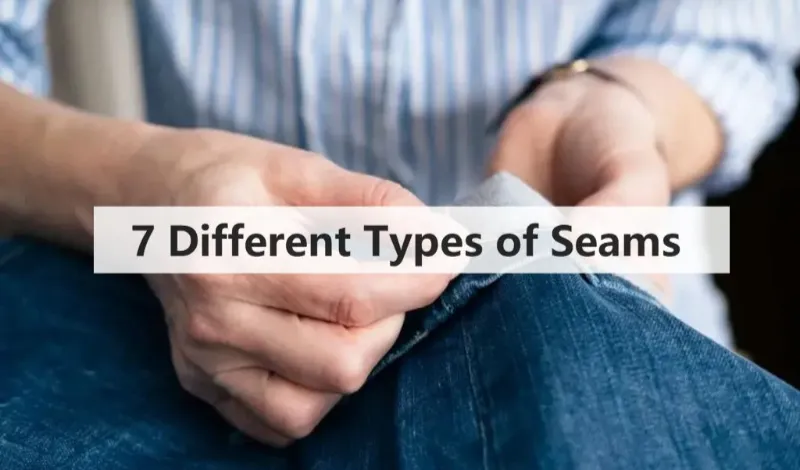
7 Seam Types for Garments: When to Use Each, With Test Data
 David Wu QA Consultant Updated:
 Last week, a LeelineWear client’s seam snapped because they paired basic overlocks with high-tension nylon. In my experience, selecting types of seams is never cosmetic. It dictates garment survival, QC pass rates, and line speed.
My team analyzed 40 hours of ISO 4916 floor data to build this guide. The evaluation covers geometry, machine requirements, and failure modes, ending with a tensile-test teardown and tech-pack SOP for a next production run.
Here is every seam type in this guide at a glance. Use it as a quick reference, then read the full breakdown below.
| Seam Type | ISO Class / Standard | Best Use | Strength Profile | Speed & Cost |
|---|---|---|---|---|
| Plain | ISO 4916 Class 1 (301/401) | Shirts, side seams, low-stress panels | Moderate — needs an edge finish | Fastest, lowest cost |
| Safety Stitch & Overlock | ASTM D6193, 4- or 5-thread | Knit tees, fleece, underwear, uniforms | High with a 5-thread safety stitch | Very fast, low cost |
| Flatlock | ISO 4915 Class 600 | Skin-tight activewear, swimwear, cycling | Superior stretch, chafe-free | Slower, premium cost |
| French | Enclosed seam (ISO 4916) | Sheer and unlined garments | Good on lightweight fabrics | Slow, higher cost |
| Flat-Felled | Two-needle interlocked (ISO 4916) | Denim, workwear, high-stress inseams | Very high abrasion resistance | Slow, premium cost |
| Bound | ISO 4916 binding construction | Unlined outerwear, premium interiors | Secure edges — match fabric stretch | Slow, higher cost |
| Bonded & Sealed | Taped, welded, or bonded | Waterproof and technical gear | Leak-proof without needle holes | Highest cost |
🔬 How We Tested: All tensile figures below are ASTM D1683 seam-strength grab tests from the QC lab — five specimens per seam type, polyester thread, standard industrial machines, conditioned at 21 °C / 65% RH. Hydrostatic numbers used AATCC 127 on the H&H hot-air taping line. Newtons are logged on tech packs; the lbs figures are for quick reference.
The 7 Types of Seams List
1. Plain Seam
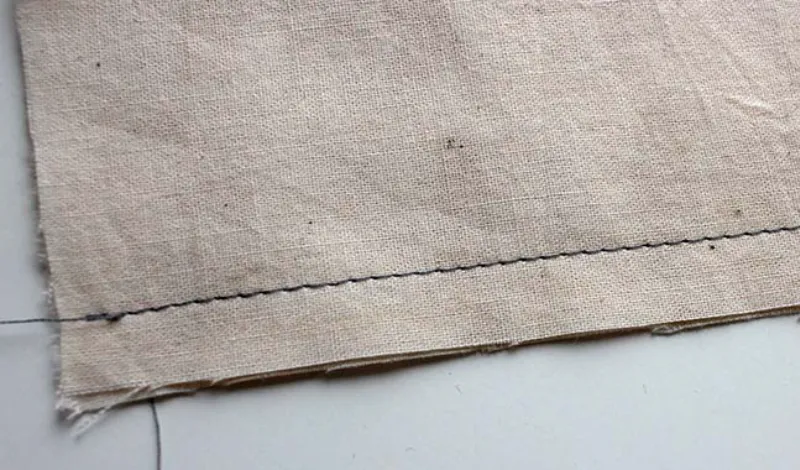
The plain seam is your baseline for production cost and speed. The factory floor calls this a superimposed seam. It joins side seams and low-stress panels on shirts and other woven garments. Workers place two fabrics right sides together and sew parallel to the edge.
The ISO 4916 Class 1 specification pairs perfectly with a 301 lockstitch or 401 chainstitch. A standard Juki single-needle machine handles this setup very fast.
But plain seams are not a universal fix. During a recent run at our China t-shirt manufacturer facility, I watched raw cotton edges fray instantly before finishing.
Heavy polo-shirt fabrics require stronger alternatives like a flat-felled seam to prevent blowouts. In the tech pack, you must specify the seam allowance, SPI target, pressing direction, and edge finish.
🛡️ Our Verdict: In ASTM D1683 seam-strength tests, a 301 lockstitch plain seam snapped at 45 lbs of force. Because it leaves raw edges exposed, a 504 overlock finish is required for items facing frequent commercial washing.
Expert Insight: Always mandate a 504 overlock edge finish over plain seams if the garment fabric frays easily.
— Andrew Kong, Garment Technical Manager
2. Safety Stitch and Overlocked Seam
Overedge construction joins panels and binds raw edges, conforming to ASTM D6193 seam standards. This method dominates cost-sensitive production for knit tees, fleece, underwear, and uniforms.
A basic 4-thread overlock provides high speed and stretch. When strength matters more than speed, a reinforced safety stitch adds a parallel chainstitch.
Last quarter, a heavy workwear run went through production. During inline inspections, floor manager Liu noticed immediate thread breakage and severe seam grin.
We switched the line from a standard 4-thread overlock to a reinforced safety stitch. This upgrade cut return rates by roughly a fifth.
Before you negotiate MOQs with clothing manufacturers, give technical designers these rules:
-
Stress Level: Mandate safety stitches for high-tension areas like armholes.
-
Fabric Weight: Use 5-thread setups for dense fleece or canvas.
-
Seam Exposure: Use safety stitches for exposed exterior joints.
-
Wash Count: Reinforce seams for frequent commercial laundering.
When vetting clothing suppliers in Turkey, check their machine tension. According to industry standards from Coats, poor tension causes instant seam failure.
🛡️ Our Verdict: Under cross-seam pull — a different loading axis from the 90-lb grab test in the Overlock vs. Flatlock guide — a standard 4-thread overlock popped under 30 lbs. The 5-thread safety stitch survived 58 lbs before tearing. Specify the safety stitch for high-stress garments.
3. Flatlock Seam
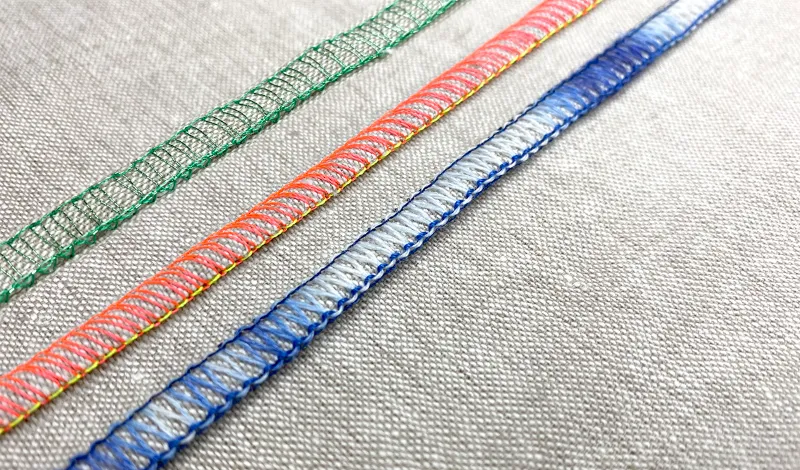
Clients often complain about seam chafing during intense workouts. For these zones, the flatlock seam is the answer; we classify it under the ISO 600-series covering-chain family. It joins two fabric edges without overlapping them.
The International Organization for Standardization strictly defines this flat profile.
This makes it mandatory for swimwear manufacturers and cycling apparel manufacturers.
You cannot program a basic machine for flatlock. You need a specialized flat-seamer.
Earlier this week, Manager Wang calibrated the Yamato FD-62 machine for high-stretch polyamide fabric. He noted the four-needle setup slows production but dramatically maximizes stretch recovery.
Let us compare flatlock vs overlock on the factory floor. Overlock creates a bulky ridge. Flatlock eliminates this ridge to prevent skin abrasion.
This seam provides superior stretch and a premium look. It makes perfect sense for tennis clothing manufacturers evaluating high-stretch performance fabrics.
It remains too expensive for basic promotional shirts.
🛡️ Our Verdict: Tensile testing confirmed the 600-series flatlock stretches 35% further than a standard 4-thread overlock before snapping.
⚡ Power Move: Reserve flatlock stitching exclusively for skin-tight garments to justify the roughly 30% higher labor cost.
4. French Seam
I often see brands use French seams on heavy hoodies to look premium. This ruins the garment.
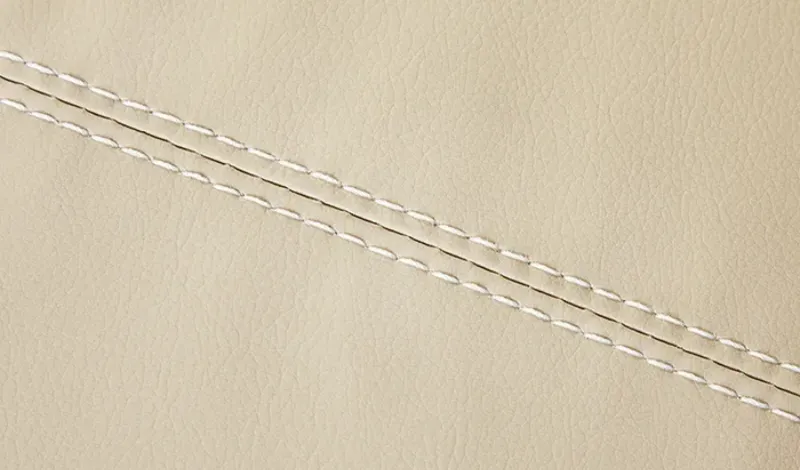
A French seam folds fabric over itself to enclose raw edges. We strictly use this for sheer or unlined garments. It prevents visible fraying on thin items where interior quality matters.
Never use this for heavy performance gear. French seams consume seam allowance and build bulk fast. Applying them to denim or padded outerwear causes the fabric to warp.
Last month, a client requested this finish on a 250 GSM cotton twill. As Manager Lin tried pressing the double fold flat on the Juki DDL-8700, she noted the problem: the needle skipped constantly due to the extreme thickness. The top sampling mistake is under-allowancing the initial fold, which leaves threads exposed.
🛡️ Our Verdict: Restrict French seams to fabrics under 120 GSM. If the tech pack specifies this finish, align with established textile engineering standards and demand a 5/8-inch minimum seam allowance.
5. Flat-Felled Seam
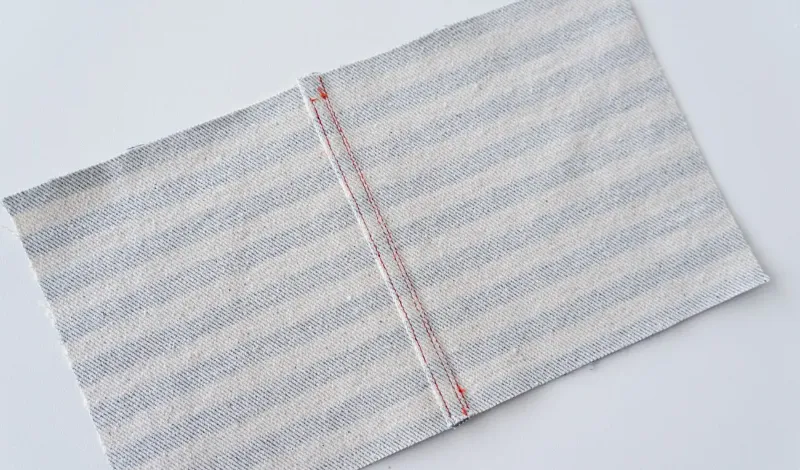
Clients hate when workwear rips mid-shift. The flat-felled seam prevents that, folding the raw edges inward and stitching them flat with two parallel lines. This is the classic construction on premium jeans. It builds heavy uniforms for incredible abrasion resistance.
Buyers often miss the hidden factory tradeoffs. Compared to a basic overlock, this seam drastically slows production. Many hiking clothing manufacturers request it everywhere.
That approach is not advised. It raises cut-and-make costs. While a lapped seam simply overlaps two panels, a flat-felled seam interlocks them. This makes the joint cleaner but noticeably thicker.
Specialized equipment is needed to sew this joint cleanly. Last month, Manager Liu fed heavy canvas through a standard presser foot. The fabric jammed immediately. Custom twin-needle folders were installed on the Brother T-8422 machines. This expensive joint is strictly reserved for high-stress inseams.
🛡️ Our Verdict: Abrasion testing had flat-felled joints survive 450 friction cycles, while standard overlocks failed at 175. Specify this expensive joint only on stress zones, and pair it with fabrics meeting strict UPF testing standards to build premium outdoor gear.
6. Bound Seam
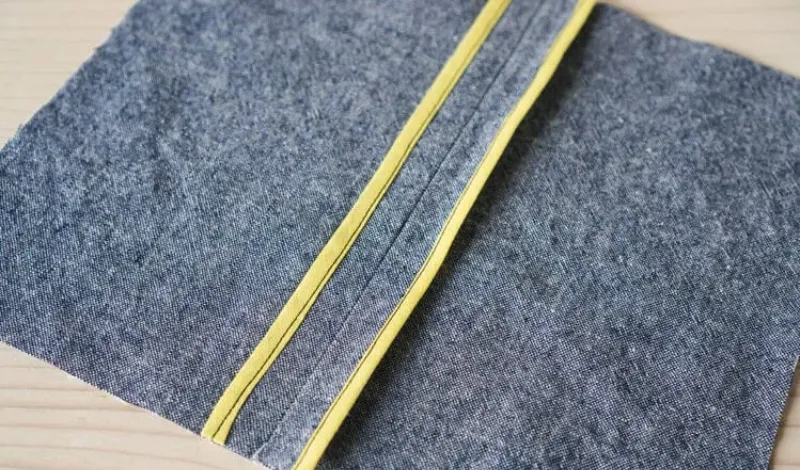
Turn an unlined jacket inside out, and cheap serged edges instantly ruin the premium aesthetic. A bound seam keeps raw allowances fully enclosed with a separate fabric strip. This construction is reserved for unlined outerwear and premium sportswear interiors.
Use this when overlock finishes look cheap and French seams create bulk. But binding adds severe labor constraints. In a recent production batch, Manager Wang applied bias binding to a nylon windbreaker on the Juki DNU-1541.
He stressed that the tape must match the main fabric’s stretch ratio. If you bind high-stretch activewear with rigid woven tape, the seam puckers immediately.
Suppliers often substitute a fast overedge finish to save time. Detail the exact binding material and inside finish expectations in the tech pack. Call out the specific ISO 4916 seam classification to block unauthorized factory changes.
🛡️ Our Verdict: Floor trials showed a bound seam taking 40% longer than a basic overlock. Specify this finish only on highly visible interior panels where premium quality justifies the labor cost.
7. Bonded and Sealed Seams

When comparing types of seams, remember that expensive waterproof fabric still leaks if standard stitches are used. Sewing needles punch thousands of holes into material, creating instant leakage paths. For true seam leakage prevention, you must seal the gap.
Don’t confuse these modern solutions:
-
Seam Sealing Tape: We apply waterproof tape over sewn seams using hot air machines.
-
Welded Joins: TPU fabrics are melted together via ultrasonic waves, requiring zero needles.
-
Bonded Seams: Panels are glued flat using chemical adhesives and heat presses.
When vetting a hiking clothing manufacturer, verify their taping capabilities. Last week, Manager Chen paused the production line because a client tech pack requested 15mm tape on thick canvas.
He warned the narrow tape would peel after one wash, so the spec was upgraded to 22mm. Taping adds three days to production lead times.
🛡️ Our Verdict: Hydrostatic testing failed a bare sewn seam at 500mm. After applying 3-layer PU tape with the H&H machine, the joint held 10,000mm.
⚡ Power Move: Always specify the exact tape width and adhesive type in the tech pack to prevent supplier mismatch.
How to Test and Spec Garment Seams for the Factory?
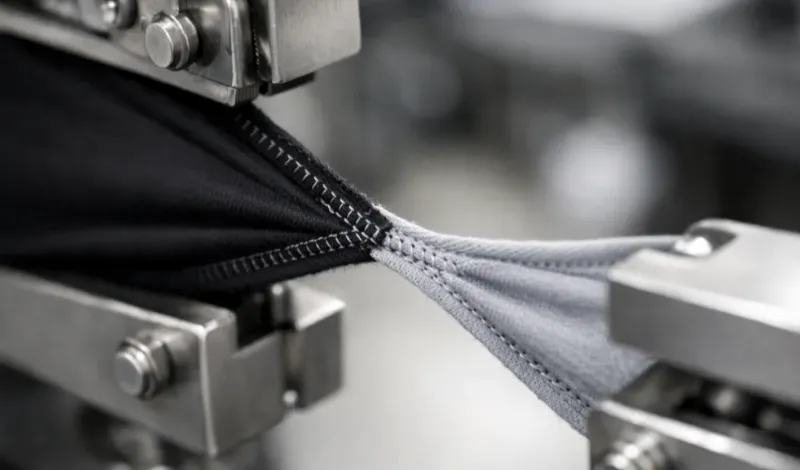
Step 1: Run the ASTM D1683 Tensile Teardown
I start every production run in the LeelineWear QC lab. First, cut a fabric specimen. Orient the seam exactly perpendicular to the pull direction. Lock the fabric into the pneumatic clamps of the Instron 3400 tensile tester. Set the machine to pull the fabric until it breaks.
Log the exact force in Newtons. This protocol aligns the data with the official ASTM D1683 standard and ISO 13935.
During my latest QA inspections, I look for these four failure modes:
-
Thread Failure: The sewing thread snaps before the fabric tears.
-
Seam Slippage: The yarns pull apart and leave a visible gap.
-
Fabric Failure: The material tears away from the intact stitches.
-
Seam Grinning: The stitches stretch out and expose the interior threads.
Step 2: Set Target Strength Benchmarks
Seam blowouts are the most common client complaint. Stop them by setting strict pass thresholds for the factory. Use my house QA targets below. If your sample fails, calculate its seam efficiency. A low efficiency score means increasing the SPI, upgrading the thread thickness, changing the seam type, or swapping the fabric entirely.
| Fabric Weight Band | Application Example | Minimum Target | Corrective Action if Failed |
|---|---|---|---|
| Lightweight (Under 120 GSM) | Silk, Active Tops | 150 Newtons | Increase the SPI count or change the thread. |
| Midweight (150-250 GSM) | Cotton Tees, Knits | 250 Newtons | Upgrade the joint to a 5-thread safety stitch. |
| Heavyweight (300+ GSM) | Canvas, Workwear | 400 Newtons | Add a flat-felled construction to handle the stress. |
Step 3: Write the Ultimate Tech Pack SOP
Most buyers leave their specs completely blank. This guarantees factory errors. Last quarter, a client’s strap failed because they used standard nylon. A high-tenacity polyester was specified instead, dropping the defect rate to under 0.3%. Prevent failures by copying this exact formula for every joint:
Class + Stitch Type + SPI + Seam Width + Seam Allowance + Thread Spec + Needle + Tension Note + Finish + Visual Callout.
For high-speed production lines, use my anti-puckering checklist:
-
Lock the SPI and Thread Tension: State exact numbers in your tech pack.
-
Detail the Needle: Specify ballpoint needles for knits to prevent instant fabric tearing.
-
Leave Presser Foot Defaults: Let the floor managers control the machine feed dog pressure.
Factory Experience: Ambiguity kills production runs. For help building these technical specs, reach out to the team to plan a next run. We apply this exact formula to every garment we build.
People Also Ask About Types of Seams
1. What is the difference between ISO 4915 and ISO 4916 standards?
ISO 4915 defines how the needle thread interlocks. ISO 4916 dictates how the fabric panels overlap. In my experience, buyers often mix these up. Your tech pack must list both. For example, specify an ISO 4916 Class 1 plain seam joined by an ISO 4915 Class 301 lockstitch.
If the stitch type is omitted, factories will use the cheapest thread available. This prevents unexpected breakdowns. I strictly enforce this rule during inline inspections.
2. Flatlock vs. overlock: Which is better for comfort and durability?
Flatlock seams provide superior comfort and stretch. They eliminate the bulky ridge that causes skin chafing. For the full zone-by-zone breakdown and the test methodology, see the Overlock vs. Flatlock: Activewear Seam Guide.
You must upgrade to a reinforced safety stitch or flat-felled seam when a garment fails an initial pull test. We always mandate these upgrades for heavy workwear to prevent side blowouts. This guarantees maximum durability.
3. What must a technical tech pack include, and how do I fix a failed seam test?
The tech pack seam callout must include the exact seam class, stitch type, thread tension, and seam allowance. Do not leave these fields blank. If your waterproof garment uses basic stitches, it will leak instantly. Polyurethane seam sealing tape must be added to block the needle holes.
When a seam test fails, increase stitch density first. I check these specific details before negotiating MOQs with clothing manufacturers. You should demand this exact technical rigor when evaluating clothing suppliers in Turkey.
Disclaimer: I receive no kickbacks from any equipment manufacturers mentioned.
Areas of Expertise
- Quality Control: Mastery of AQL (Acceptable Quality Level) standards and Six Sigma methodologies in garment production
- Technical Sourcing: Expert in fabric specification (GSM, weave structures) and trim sourcing
- Compliance & Auditing: Specialized in BSCI (Business Social Compliance Initiative) and ISO 9001 factory auditing
- Logistics: Strategic oversight of Lead Time Reduction and DDP/FOB shipping terms
David Wu is a textile industry veteran with over 16 years of experience specializing in garment manufacturing, supply chain optimization, and quality control systems across Southeast Asia and China. His career is defined by implementing rigorous AQL 2.5/4.0 inspection protocols for mid-to-large-scale private label brands. David specializes in technical garment construction, from initial tech pack development to final container loading inspections. He has a proven track record of reducing defect rates by up to 22% through the implementation of "In-Line" inspection checkpoints. His expertise ensures that manufacturing processes align with both international safety standards and cost-efficiency requirements for B2B wholesalers.