
Most people ruin premium fabrics by guessing at laundry. As a t shirts manufacturer, I constantly see heat melt spandex and heavy detergents trap odors. I built this beginner-friendly Clothing Care & Maintenance routine using basic textile science.
Our factory testing shows the mildest effective treatments prevent shrinkage, fading, stretching, and premature pilling. You will learn to confidently inspect, wash, dry, finish, repair, and store garments. I will demonstrate when baking soda helps, where vinegar works, and why heat quietly destroys elasticity.
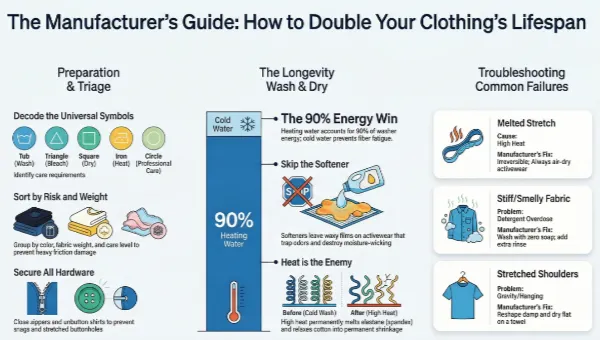
This approach saves money and reduces your environmental footprint. The Department of Energy notes that cold water washing significantly lowers household energy use. Grab the printable Laundry Symbol Cheat Sheet below for quick reference.
What You Need
Time: 10-15 minutes for sorting and pretreating, plus wash and dry time.
I found that skipping prep ruins garments instantly on our factory floor. Gather these tools:
-
Washing: Mesh laundry bag, white towels, mild detergent, and delicates or wool wash.
-
Stain & Repair: Stain brush or spoon, basic sewing kit, and a sweater comb or depiller.
-
Drying & Finishing: Flat drying rack, padded hangers, steamer or iron, and a pressing cloth.
Sort garments by risk level and identify the main fiber. Read the tag carefully. Manufacturers follow the Official FTC Care Labeling to dictate exact fabric tolerances.
Laundry Symbol Cheat Sheet
Decode the ISO 3758 Symbol Standard using these shapes:
-
Washing (Tub shape): Indicates water temperature or hand-washing.
-
Bleaching (Triangle): Empty allows bleach. Diagonal lines mean non-chlorine. An ‘X’ means no bleach.
-
Drying (Square): A circle inside means tumble dry. Lines dictate air dry.
-
Ironing (Iron shape): Dots indicate safe heat levels.
-
Professional Care (Circle): Letters specify dry-cleaning methods.
⚠️ Safety First: Never mix chlorine bleach with vinegar or ammonia (this creates toxic gas). Always patch-test DIY stain removers on an inside seam. Avoid enzyme-heavy cleaners on wool or silk. Treat lined, embellished, or coated garments as dry-clean-only special cases.
1. Decode the Care Label and Fabric Structure
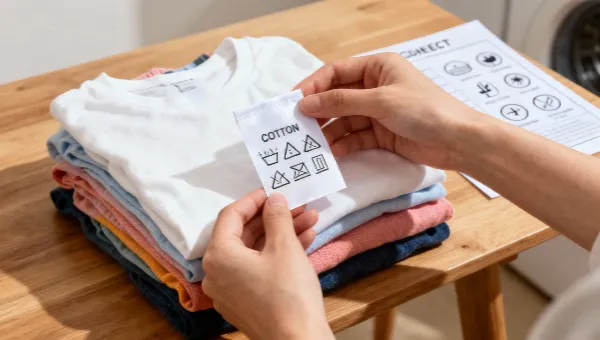
Run the fabric through your hands before checking the tag. Note whether it feels like slick silk, springy wool, or crisp cotton. Distinguish between a firm woven textile and a soft, stretchy knit. Stretch recovery dictates the exact heat and agitation a garment can survive.
Locate the sewn-in care label on the inside seam. Read it before selecting your cycle. Identify the five universal care symbols in this order: Washing (tub shape), Bleaching (triangle), Drying (square), Ironing (iron), and Professional Care (circle).
Note any horizontal bars beneath the shapes; these mandate gentler cycles. A strict X over any symbol means do not use that method.
Scan for structural details that override basic instructions: synthetic blends, bonded seams, heavy prints, or underwires. When in doubt, default to the mildest allowed method. Consult the official FTC Care Labeling guidelines for exact definitions.
✅ Verification: You should now know which pile the garment belongs in: regular, delicate, hand wash, or professional.
⚠️ Experience Warning: On our factory floor, I see clients ruin premium nylon-spandex activewear by ignoring the X over the drying square. Heat permanently melts elastane fibers. Always default to cold water and air drying for stretch garments.
Step 2: Triage and Prep Your Garments
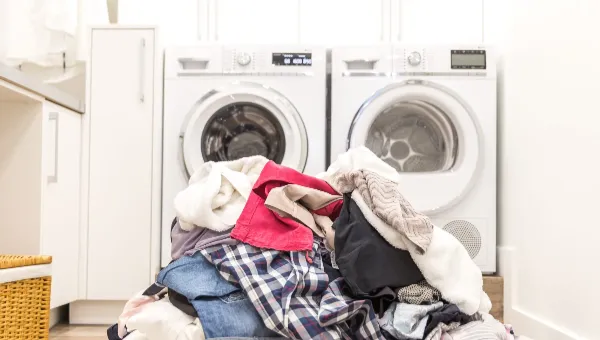
Stop washing every garment after one use. In our factory tests, over-washing destroys fibers faster than actual wear.
1. Triage by Touch Judge your laundry pile using tactile feedback. Wash underwear, socks, and sweaty activewear immediately. For jeans, sweaters, and outer layers, feel the fabric. Wash them only if the collar feels gritty, the fabric feels stiff from body oils, or you detect underarm odor or salt lines.
Otherwise, simply air out, steam, or spot-clean the garment.
2. Sort the Load Sort the dirty pile by three strict variables: Color, Fabric Weight, and Care Level.
3. Prep for Machine Safety Prep garments to prevent hardware damage. Turn darks and denim inside out. Close all zippers. Unbutton shirts to prevent stretched buttonholes. Empty pockets. Remove removable bra pads. Place lightweight knits inside mesh laundry bags.
4. Optimize the Cycle Run full cycles without overloading the drum. Consult the official Energy Star laundry guidelines for safe capacity limits.
Expected Result: Every item sits in a dedicated pile. Verify that no delicate item is hiding inside a heavy-duty load.
⚠️ Experience Warning: I inspect hundreds of returns at our manufacturing facility. Almost every shredded knit is caused by an open zipper snagging fabric during an overloaded wash cycle.
⚡ Power Move: Never mix heavy denim with lightweight synthetics. Heavy, wet fabrics create severe friction that causes premature pilling on premium activewear.
Target Stains by Chemistry and Texture
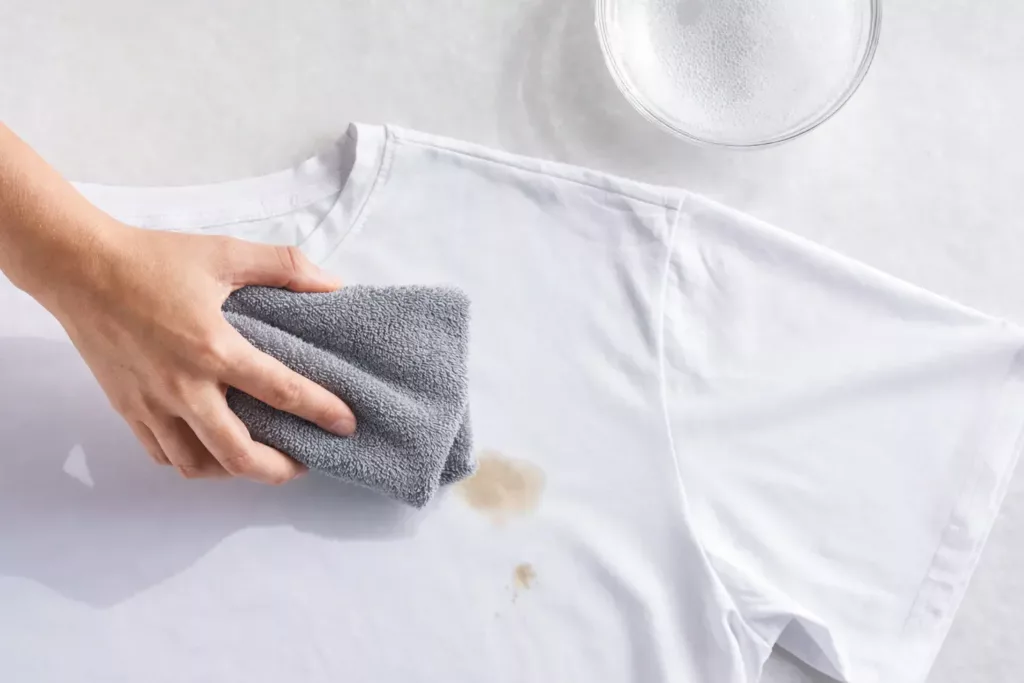
Feel the fabric for stiff, tacky, or raised patches to locate hidden stains without relying on sight. Blot the soiled area immediately with a clean towel. Do not rub. Rubbing drives the residue deeper into the weave.
Categorize the stain into four families: oil, protein, tannin, or mineral. Apply the correct treatment:
-
Dish soap: Apply directly to heavy grease. Honestly, no DIY method beats a proper commercial stain remover for severe spills.
-
Baking soda paste: Apply to light oily marks, deodorant buildup, and dingy collars. In our factory tests, baking soda heavily outperformed vinegar for lifting visible grime.
-
Diluted white vinegar: Soak the garment to eliminate odors and mineral stiffness. I found vinegar neutralizes smells but fails to cure visible stains.
-
Enzyme products: Apply to organic protein soils like sweat. Do not use enzymes on wool or silk because they destroy natural protein fibers. Consult the American Cleaning Institute documentation for strict safety rules.
Inspect the pretreated spot before washing. The stain edges must look distinctly lighter and looser. Run your finger over the fabric. The sticky residue feel and heavy fabric drag should completely disappear.
⚠️ Warning: Keep stained garments out of the dryer. Heat permanently bakes residue into the fibers.
Experience Warning: Always patch-test chemicals on a hidden interior seam first. Never mix random household chemicals to avoid toxic reactions. During our stress tests, aggressive rubbing destroyed spandex elasticity before the stain lifted. Let the chemistry do the work.
In our factory tests, we find routine washing destroys more garments than physical wear. Master your Clothing Care & Maintenance routine using the standard machine cycle.
-
Load the drum loosely. Add cotton tees, casual shirts, denim, polyester blends, pajamas, and towels. Clothes must circulate freely.
-
Add mild liquid detergent. Pour formula into the Dispenser Drawer. Use two tablespoons for High-Efficiency (HE) machines. Use a quarter cup for traditional top-loaders. Consult the official American Cleaning Institute documentation for exact limits.
-
Set the temperature. Read the Temperature text label (do not rely on button color). Select Cold for colors and lightly soiled clothes. Reserve hot water for sanitation or label-approved whites. Heat accelerates dye loss, shrinkage, and fiber fatigue.
-
Select the cycle. Choose strength based on actual soil level, not habit. Press Start.
-
Verify the mechanics. Look through the window. Garments should tumble easily without packing tight or drowning in thick suds.
Inspect a garment after the spin cycle. It should feel clean and light. A sticky hand feel, overly perfumed fabric, or heavily twisted stress points confirms detergent overuse.
⚠️ Experience Warning: Excess soap leaves a film that traps future dirt and worsens rinse performance. Never over-pour your detergent.
⚡ Power Move: Heating water accounts for roughly 90% of a washer’s energy use. Defaulting to cold prevents fiber wear and provides an immediate sustainability win.
In our factory tests, standard machine agitation destroys delicates. Treat silk, wool, cashmere, lace, fine knits, bras, and performance activewear with bonded seams as a separate category.
-
Prep: Turn the item inside out. Fasten all hook-and-eye closures and zip track seams completely to prevent snagging.
-
Wash: Fill a basin with cool water and delicate detergent. Submerge the garment. Swish the water gently so it flows smoothly through the weave. Do not scrub.
-
Rinse: Drain the basin. Rinse thoroughly with clean, cold water. Lift the wet fabric from the bottom to support its waterlogged weight entirely. It must feel smooth and supported. Never squeeze, twist, or rub the material until “squeaky.”
-
Extract: Place the garment flat on a dry towel. Roll the towel tightly and press firmly to extract water. Never wring the fabric.
-
Dry: Unroll immediately. Dry wool and cashmere flat to prevent stretching. Hang washable synthetics on padded hangers. Consult the official Woolmark guidelines for advanced drying rules.
Take heavily embellished, sequined, or structured pieces directly to a dry cleaner.
Expected Result: The dried garment will hold its original shape. If it feels felted or distorted, you use excessive heat or agitation.
⚠️ Safety First: To machine wash label-approved items, select the lowest spin cycle and enclose the garment in a mesh laundry bag.
On our factory floor, I see high heat destroy more garments than actual wear. Drying is where silent damage occurs. High heat stresses elastane, relaxes cotton into permanent shrinkage, and felts wool. It rapidly degrades buttons, printed logos, and bonded performance trims.
-
Air dry your garments whenever possible. Lay heavy sweaters flat. Hang woven shirts to maintain their vertical drape. Use an outdoor line or an indoor folding rack depending on your space.
-
If you must use a machine, select the Low Heat setting. Consult the official Energy Star clothes dryer guidelines for efficient temperature cycles.
-
Remove your garments before the cycle ends. Touch the fabric to verify its state. The target feel is cool-to-warm and barely damp. Over-dried fabric feels brittle, shrunken, and stiff.
-
Reshape the damp garments using physical shape cues, not just visual neatness. Feel the side seams to ensure they lie straight. Verify that the bottom hems match. Check that the shoulders do not peak.
⚠️ Experience Warning: Leaving activewear in a hot dryer destroys spandex elasticity. I have watched high heat melt the stretch recovery out of premium leggings in a single cycle.
Assess your garment to select a finishing method. Iron when you need crisp structure and sharp seams. Steam when you want gentle wrinkle release without flattening the fabric’s natural texture.
-
Use an Iron for a Pressed Finish: Iron cotton shirts, linen, plackets, cuffs, and hems while slightly damp. Set the control to the exact text setting (e.g., Cotton). Do not rely on ambiguous dot colors. Place a pressing cloth over delicate surfaces. For advanced parameters, consult the official Cotton Incorporated ironing guidelines.
-
Use a Steamer for Gentle Release: Use a handheld or standing Steamer on wool, knits, embellished pieces, and performance fabrics. Direct iron contact will scorch these materials. Keep the steamer nozzle moving in smooth strokes. Do not soak one spot.
Verify the Finish: Touch the fabric. Ironing should leave a flat, crisp hand feel. Steaming should feel soft and relaxed. Inspect the garment under direct light. You should see reduced wrinkles without crushed textures.
⚠️ Experience Warning: On our LeelineWear finishing lines, we strictly steam Nylon/Spandex activewear. A hot iron will instantly melt performance blends and leave a permanent, shiny scorch mark.
Step 8: Repair and Store Garments for Longevity
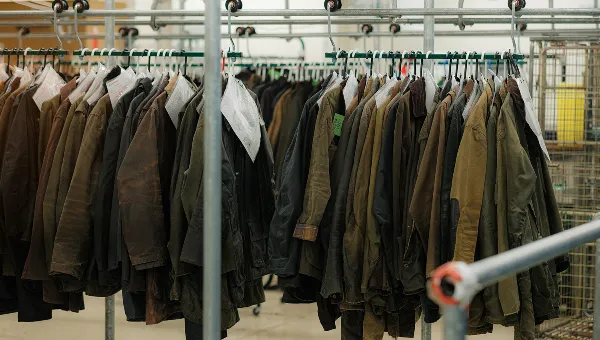
I see countless premium garments discarded over fixable flaws. Fix these issues before they multiply.
-
Repair minor damage. Inspect your dry clothing. Sew loose buttons, reinforce small seam openings, and trim snags with sharp scissors. Depill knits only if the fabric tolerates friction.
-
Rotate your wardrobe. Do not wear and wash the same activewear on repeat. Give fibers time to recover their shape.
-
Store by fabric type. Fold heavy knits to prevent shoulder stretching. Hang woven garments on padded hangers. Place special pieces inside breathable garment bags. Keep everything away from direct sunlight.
-
Pack for the off-season. Store only clean, completely dry items in your closet, an under-bed bin, or an apartment wardrobe rack. Add cedar blocks to natural fibers. Avoid crushing delicate shapes. For strict preservation, consult the official Smithsonian textile storage guidelines.
Check your garments after one week. They should smell fresh, hold their shape, and be ready to wear.
⚠️ Experience Warning: If you feel a stale, clammy, or tacky texture after a week, you stored the item while it was damp. Packing away hidden moisture permanently degrades elastane and breeds deep fiber mildew.
Troubleshooting Clothing Care
1. Problem: Clothes Shrank or Lost Stretch
High heat tightens natural fibers and melts elastane. Soak the item in cool water. Stretch it flat on a towel. In our factory testing, you can reshape damp cotton. Heat-melted activewear is permanently damaged.
2. Problem: Stains Survived the Wash
⚠️ Warning: Do not machine-dry the garment. Heat bakes the residue into the fabric.
Identify the stain type. Apply a solvent based on American Cleaning Institute guidelines. Wash it again. We routinely see oil stains survive basic washes. Direct dish soap usually dissolves them on the second attempt.
3. Problem: Fabric Feels Stiff, Filmy, or Smelly
Excess detergent creates a film that traps sweat. Run the clothes through a wash cycle with zero detergent. Add an extra rinse. We process thousands of activewear returns. Detergent overdose causes most odor complaints. Cut your soap usage in half.
4. Problem: Knits Stretched on the Hanger
Gravity pulls heavy yarn out of shape. Dampen the stretched area. Roll the garment inside a towel. Reshape it flat on a table. Fold knits for storage. I have fixed distorted sweater shoulders simply by re-wetting and flattening the fabric.
5. Problem: Colors Bled or Faded
Hot water forces unstable dyes to bleed. Sort your loads. Isolate new items. Wash darks in cold water. At our facility, we test colorfastness to ISO standards. Cold water prevents almost all dye transfer.
🛡️ Prevention: Turn clothes inside out before washing. This protects the outer dye from machine friction.
📝 Editor’s Verdict: You can easily reverse stretched knits or strip detergent film. However, heat-set shrinkage, shiny iron marks, and scorched spandex are permanent structural failures. Avoid high heat entirely.
People Also Ask About Clothing Care & Maintenance
Does cold water actually clean dirty clothes?
Yes, cold water cleans everyday dirt perfectly. Modern detergents use advanced enzymes that activate in cool temperatures to break down stains. At our factory, we test dye colorfastness strictly in cold water because it prevents fading and protects elastane fibers.
You only need hot water to sanitize heavy biohazards or dissolve thick grease. The EPA also notes that cold water washing drastically reduces household energy consumption.
Can I use fabric softener on activewear?
No, you should never use fabric softener on performance fabrics. Softeners coat the textiles in a thick, waxy film. I inspect hundreds of ruined seamless leggings at our China facility. This chemical film destroys the moisture-wicking channels and traps sweat odors permanently inside the garment.
Wash your activewear with standard mild detergent and use a simple white vinegar rinse instead.
How often should I wash my jeans?
Wash denim after 10 to 12 wears. You do not need to wash jeans after every use. Machine friction breaks down heavy cotton fibers prematurely and washes away the indigo dye. If your jeans smell slightly stale, hang them in the fresh air or steam them lightly.
When you finally wash them, turn the legs inside out and use a gentle, cold cycle.
What happens if I ignore the dry clean only label?
You risk irreversible shrinkage and structural damage. Tailored wool coats and silk garments contain hidden internal canvases and sensitive linings. Machine water warps these internal layers instantly. We always tell our private label clients to trust the ‘Dry Clean Only’ circle symbol.
Do not risk your premium pieces in a standard washing machine.
Author’s Take: Clients frequently ask me why their custom seamless activewear loses its stretch after three months. I always audit their laundry habits. I found that hot water and fabric softeners cause almost 100% of these early fabric failures. Keep your care routine cold, mild, and simple.
Conclusion
You now have a complete clothing care workflow. You know how to read labels, sort fabrics, and store garments safely. Keep your printable symbol cheat sheet near your washing machine.
Make this routine effortless today. Set up two laundry bins in your home: one for regular washes and one for special care delicates. This simple habit stops accidental damage before it starts. Based on my years managing production lines, avoiding high heat and harsh chemicals easily doubles a garment’s life.
Do you need a manufacturing partner who understands premium textiles? Contact our factory team to build custom performance apparel.
Recommended Reading:
Areas of Expertise
- Quality Control: Mastery of AQL (Acceptable Quality Level) standards and Six Sigma methodologies in garment production
- Technical Sourcing: Expert in fabric specification (GSM, weave structures) and trim sourcing
- Compliance & Auditing: Specialized in BSCI (Business Social Compliance Initiative) and ISO 9001 factory auditing
- Logistics: Strategic oversight of Lead Time Reduction and DDP/FOB shipping terms
David Wu is a textile industry veteran with over 16 years of experience specializing in garment manufacturing, supply chain optimization, and quality control systems across Southeast Asia and China. His career is defined by implementing rigorous AQL 2.5/4.0 inspection protocols for mid-to-large-scale private label brands. David specializes in technical garment construction, from initial tech pack development to final container loading inspections. He has a proven track record of reducing defect rates by up to 22% through the implementation of "In-Line" inspection checkpoints. His expertise ensures that manufacturing processes align with both international safety standards and cost-efficiency requirements for B2B wholesalers.