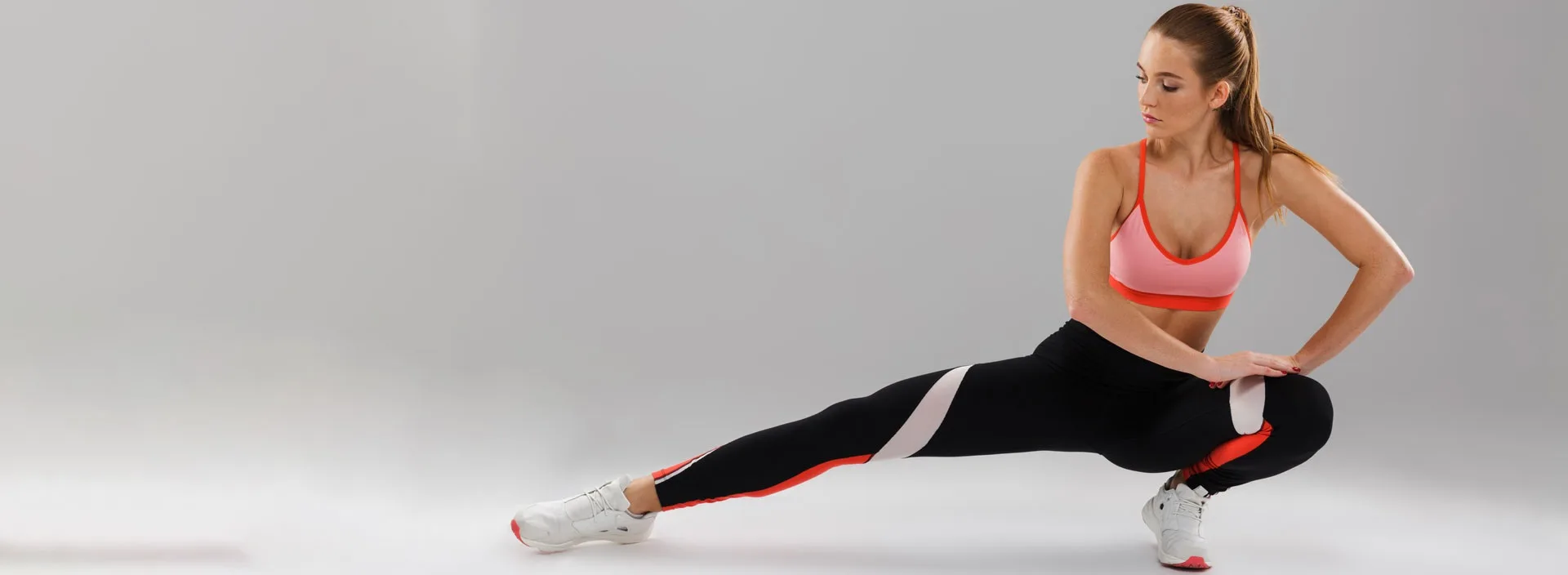
In short: Many US shops marketed as “private label activewear manufacturers” are decorators, blank resellers, or general cut-and-sew houses rather than technical activewear specialists. This guide shortlists seven US manufacturers with documented activewear or cut-and-sew capability, states what each publicly offers, and gives the questions to settle before a tech pack goes out.
How this list was built. Every entry draws only on publicly available information — company websites, the CFDA production directory, trade-press coverage, and directory listings — reviewed in October 2026. No facility paid for placement.
Quick Preview
| # | Manufacturer | Location | Documented model | Best fit |
|---|---|---|---|---|
| 1 | Tack Apparel | Long Beach, CA | Private label, cut-and-sew, decoration; markets low minimums | Small domestic test runs |
| 2 | BOMME Studio | Los Angeles, CA | CMT (US cut-and-sew) and full package (Vietnam) | Brands that own their fabric and tech pack |
| 3 | Affix Apparel | Los Angeles, CA | Private label, cut-and-sew, decoration; public MOQ from ~50/style | First capsule and market tests |
| 4 | ARGYLE Haus of Apparel | Los Angeles, CA | Design house + domestic cut-and-sew | Design-led launches needing development support |
| 5 | Lefty Production Co. | Los Angeles, CA | Full-package; lists activewear and compression | Small-batch technical runs |
| 6 | The Evans Group (TEG) | Los Angeles, CA | Development house + cut-and-sew; studio to ~50 pieces/style | First samples and premium launches |
| 7 | Plucky Reach | Los Angeles, CA | Manufacturing consultancy matching brands to LA shops | Mapping domestic capacity |
1. Tack Apparel — Long Beach, CA
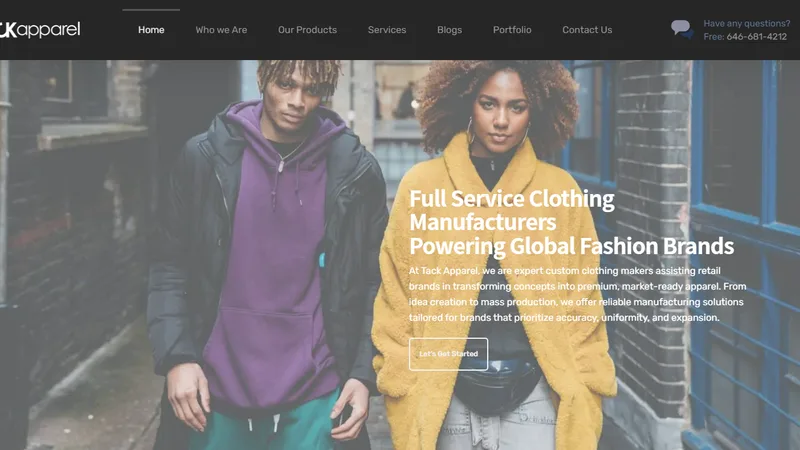
Tack Apparel is a private-label and contract manufacturer in Long Beach, California, at 3711 Long Beach Blvd. Its publicly listed services cover cut-and-sew plus screen printing, embroidery, sublimation, and private labelling, with sportswear, gym wear, sports bras, leggings, and compression shorts among its categories. It markets itself around low minimums and short lead times for small brands.
A low minimum is only useful if the style is genuinely cut and sewn rather than decorated on an imported blank. Tack’s public mix spans both, so the origin and construction of each style need confirming before a launch tag is printed — a heat transfer on an imported blank and a from-scratch legging carry different label obligations.
Public reviews of the company are mixed across markets, which at this size changes the risk profile rather than disqualifying it. Treat deposit terms, sample dates, and defect rates as commercial terms to lock in writing before a first run.
Documented (Oct 2026): Founded 2022 · Long Beach, CA · Private label, cut-and-sew, decoration · Markets low minimums
🛡️ Our Verdict: A reasonable first stop for a small domestic test run. Confirm true cut-and-sew for the style in question and lock sample and deposit terms in writing.
2. BOMME Studio — Los Angeles, CA
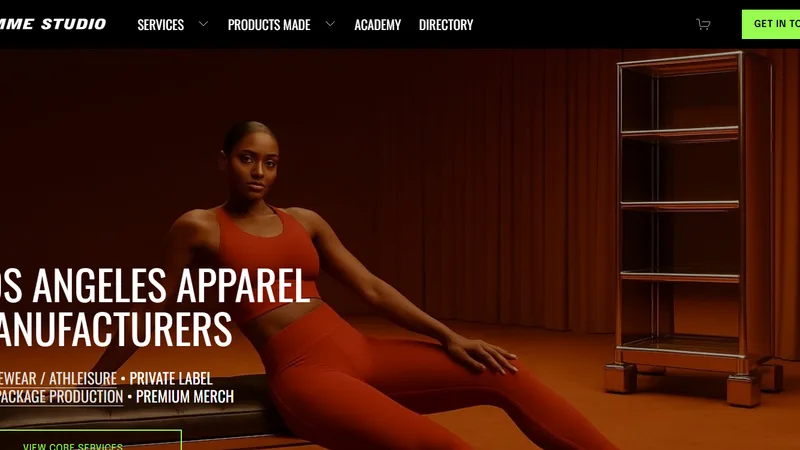
BOMME Studio is a Los Angeles clothing manufacturer founded in 2015 by Bo Metz, with a listed address at 824 S Los Angeles St in the fashion district. It runs two published production tracks. Cut-make-trim (CMT) leaves fabric and trims with the brand, lists a 150-piece-per-style minimum, and runs cutting and QC in Los Angeles with sewing in Los Angeles or an audited Tijuana facility. Full package, where BOMME sources the fabric, lists a 600-piece minimum and is produced in Vietnam.
The split matters for an activewear brand. US production here is cut-and-sew only, so a brand that wants domestic full-package sourcing will not find it at BOMME. The category focus is genuinely activewear, athleisure, and loungewear, and the studio publicly describes laser cutting and in-house sublimation printing for polyester fabrics.
Because an activewear programme lives or dies on opacity, recovery, and seam behaviour, ask which tests run before bulk and who owns the pattern. A pattern built and graded for stretch fabric behaves differently from one graded for wovens, and the gap shows up in the first bulk cut, not the sample.
Documented (Oct 2026): Founded 2015 · Los Angeles, CA · CMT and full package · Public CMT minimum 150/style; full package 600/style (Vietnam)
🛡️ Our Verdict: Strong for CMT when the brand owns the fabric and tech pack. Confirm that domestic full-package is not offered and pin the sewing location per programme.
3. Affix Apparel — Los Angeles, CA
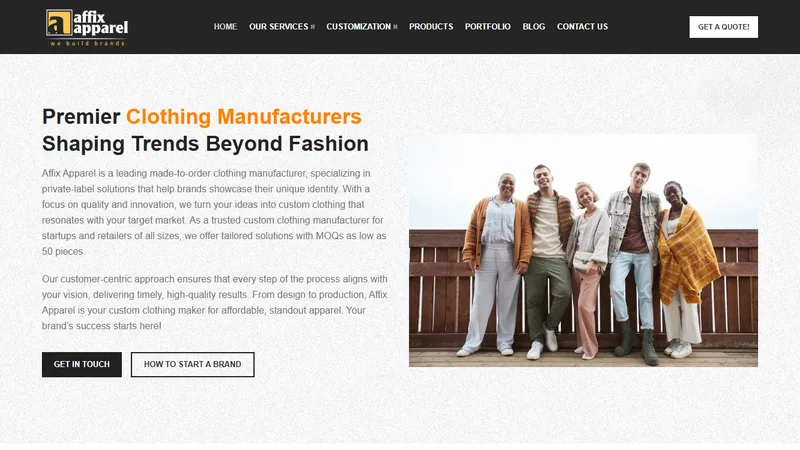
Affix Apparel is a Los Angeles private-label contract manufacturer founded in 2011. Its public scope covers cut-and-sew plus screen printing, sublimation, embroidery, custom labels, sourcing, pattern, grading, sampling, and packaging — the under-one-roof stack that keeps a small branded run in a single queue.
The published minimum is as low as 50 pieces per style, which suits a first capsule or a market test. A Los Angeles address, however, is not always a Los Angeles sewing floor: development and decoration can sit locally while cut-and-sew moves offshore, which changes the MOQ, the lead time, and the label. Ask which minimum applies to which service, and where the sewing actually happens.
Public reviews of the company are mixed, which is not unusual at this size but does change the risk profile. Treat deposit terms, sample turnaround, and defect rates as commercial terms to lock in writing rather than assumptions.
Documented (Oct 2026): Founded 2011 · Los Angeles, CA · Private label, cut-and-sew, decoration, packaging · Public MOQ from ~50 pieces/style
⚠️ Experience Warning: Public reviews are mixed. Confirm the production address and the actual sewing location, and lock deposit and defect terms in writing before paying.
4. ARGYLE Haus of Apparel — Los Angeles, CA
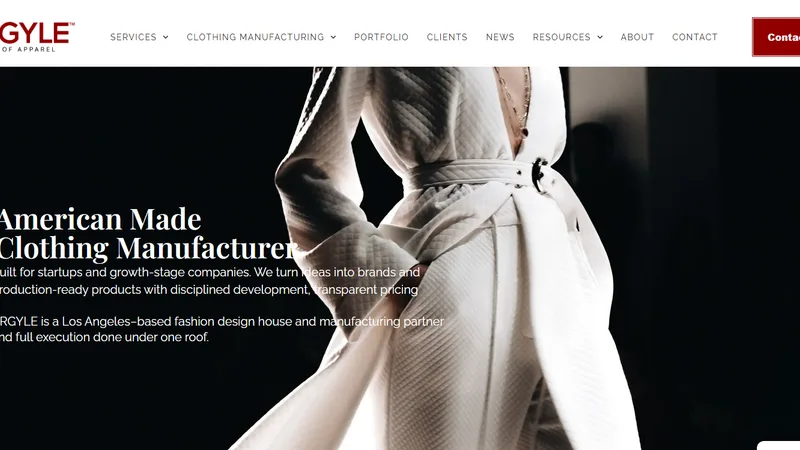
ARGYLE Haus of Apparel is a vertically integrated Los Angeles design house and manufacturer founded in 2014, with a showroom at The New Mart in the fashion district and a production facility in the San Fernando Valley. Its public scope runs from technical design and patternmaking through sampling, fit testing, grading, domestic cut-and-sew, and QC, alongside branding support.
That breadth suits a design-led studio that lacks its own technical staff: a moodboard can become a production-ready tech pack before cutting starts. Categories served include athleticwear, swimwear, ready-to-wear, and elevated streetwear, so activewear is supported but not the sole focus.
Per-style minimums for full production are not published, and a micro-run is unlikely to be the sweet spot. Ask for the per-style minimum, the sample fees, and the development timeline before committing, and confirm which fit models are used for a performance garment.
Documented (Oct 2026): Founded 2014 · Los Angeles, CA (New Mart showroom; San Fernando Valley facility) · Design, development, domestic cut-and-sew · Fashion incubator launched Oct 2025
🛡️ Our Verdict: Good for a design-led launch that needs development support. Confirm the per-style minimum and sample fees before committing to a run.
5. Lefty Production Co. — Los Angeles, CA
Lefty Production Co. is a Los Angeles full-package manufacturer founded by Marta Miller, operating from the Fashion District. Its published specialities include activewear and athleticwear, compression apparel, swimwear, and children’s wear, and the company states it handles low minimums and small-batch production.
Compression and athleticwear appearing on the public capability list matters: those categories require flatlock, coverstitch, and often bonding, which generic cut-and-sew shops do not run. A brand that cannot yet translate a sketch into specs can lean on a development partner that works from the concept first, then grades and fits on a live model.
Lefty acquired Stitch Texas in 2022 and lists operations across Los Angeles and Austin, so pin down which city sews the order and who owns the pattern. Development fees sit above offshore, and pattern iterations add time, so budget for both.
Documented (Oct 2026): Founded 2010–2012 · Los Angeles, CA (+ Austin, TX) · Full-package; lists activewear, compression, swimwear · Low MOQ
🛡️ Our Verdict: A credible small-batch technical option for founders who need development support. Confirm the sewing city and pattern ownership before signing.
6. The Evans Group (TEG) — Los Angeles, CA
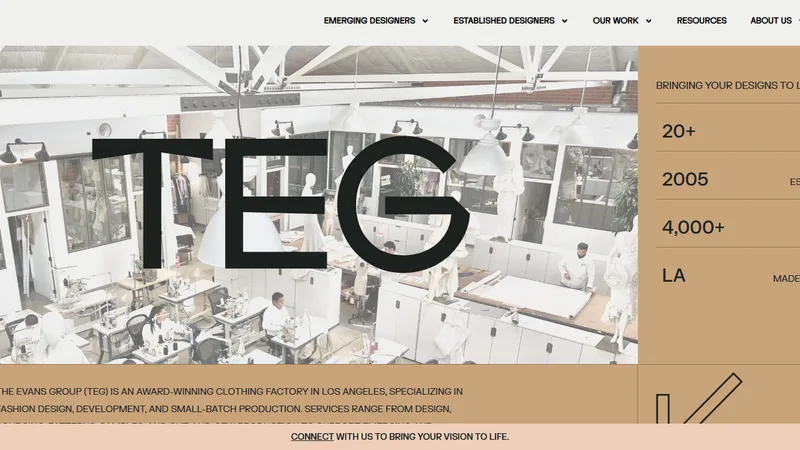
The Evans Group has run a vertically integrated development house in downtown Los Angeles since 2005, founded by Jennifer Evans. Its published service list covers pattern making, sample development, grading, cut-and-sew, and small-volume production, with activewear, knitwear, and sportswear among its categories.
The useful part for an activewear programme is the tiering: TEG publicly describes a studio tier of up to roughly 50 pieces per style and a factory tier above it, so the same house can carry a pattern from first sample into a graded run. Design review before bulk is the value — catching a recovery or opacity problem at the sample stage is far cheaper than a bulk rework.
The caution is breadth. A house that also produces eveningwear and tailored garments is not an activewear specialist, and performance-knit capability still needs direct confirmation. If the only goal is the cheapest cut-and-sew quote, TEG is not that route.
Documented (Oct 2026): Founded 2005 · Los Angeles, CA · Development, pattern making, grading, cut-and-sew · Publicly states studio runs up to ~50 pieces per style
🛡️ Our Verdict: Strong for first samples and premium launches where execution matters more than unit price. Confirm performance-knit capability before sending stretch fabric.
7. Plucky Reach — Los Angeles, CA
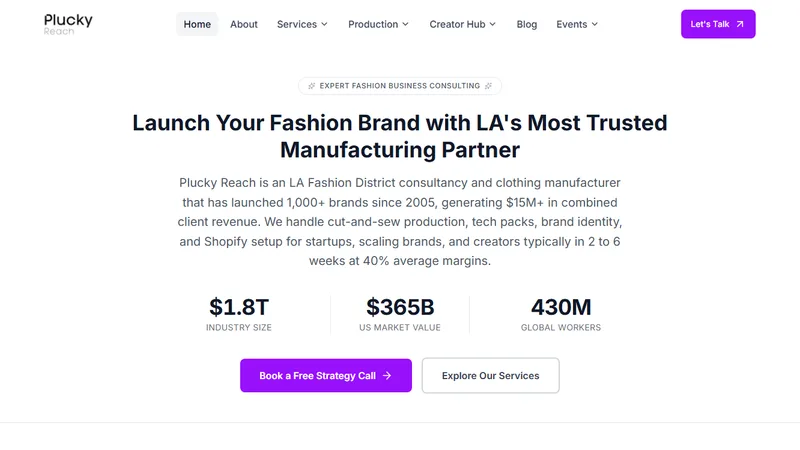
Plucky Reach is a Los Angeles fashion-manufacturing and consulting firm in the Fashion District, founded by Abby Perez with co-founder Ali Khalid. Its public activewear page lists four-way stretch and moisture-wicking fabrics, flatlock seaming, bonded hems, and gusseted-crotch construction, with nylon/spandex, polyester/spandex, Supplex, and recycled polyester among the fabric options.
The difference from a factory is the model. Plucky Reach describes matching brands with a network of LA cut-and-sew partners rather than sewing in its own facility, which puts a broker between a brand and the floor. That can shorten the search for the right shop, but the brand still has to confirm who actually cuts and sews and whether the network shops share a QC standard.
Publicly listed minimums sit as low as 100 pieces per style per colourway, with pricing ranges published on the firm’s own site. Ask for the specific partner factory, its inspection standard, and who holds the pattern — and note that some published launch metrics are self-reported rather than independently audited.
Documented (Oct 2026): Los Angeles Fashion District · Manufacturing consultancy matching brands with a network of LA cut-and-sew shops · Public MOQ from ~100/style/colourway
🛡️ Our Verdict: Useful as a starting map of domestic capacity. Ask which factory actually sews the order and who owns the pattern before depositing.
How to Vet Private Label Activewear Manufacturers in the USA
Public listings tell you what a shop says it does. They do not tell you whether it can hold a stretch seam or a delivery date. Three checks separate the two.
Step 1: Set the Commercial Filter First
- CMT or full package? Cut-make-trim means the brand supplies fabric and trims; full-package means the factory sources everything. First-time buyers are usually better served by full package.
- Sample fees and minimums. US sample fees for one activewear style commonly run $150 to $500, and some shops credit the fee toward bulk. Publicly listed minimums span roughly 50 to 300+ pieces per style.
A small cut-and-sew minimum does not remove the mill’s own dye minimum. A custom colour can still require a large minimum dye lot, which is the constraint that actually stalls a small run. Ask the shop to confirm mill minimums in writing before signing.
Step 2: Audit Technical Capability and Compliance
- Seam machinery. Flatlock and coverstitch are the baseline for activewear; bonding is the differentiator. Ask which machines sit on the floor.
- Differential feed. This stops puckered seams on four-way stretch. A shop without it will pucker a stretch-knit sample.
- QC standard. Request AQL 2.5 or a written inspection plan, with inline checks as well as final random inspection.
- Timelines. Expect roughly one to two weeks for a fit sample and four to eight weeks for bulk after approval.
- Origin claims. Where imported performance fabric is used, document origin against the FTC Made in USA standard. A bare “Made in USA” label can fail that test.
Before paying for a sample, build a sportswear tech pack, review the sportswear fabrics guide, and check clothing sample stages so fit approval is never skipped.
Step 3: Weigh USA Against Overseas Honestly
- Cost. US factories cost more per unit but remove freight and duty complexity. Publicly listed US price ranges for activewear sit well above offshore quotes.
- Speed. Domestic sampling and fit revisions run faster; overseas bulk adds four to eight weeks of transit.
- IP control. US production gives stronger legal recourse and easier factory visits. Overseas production requires tighter contracts and trust.
Domestic capacity has shrunk for years, which shapes lead times and pricing. The US textile supply chain supported 453,122 jobs and shipped $60.9 billion of textiles and apparel in 2025, per the National Council of Textile Organizations — even as the industry lost plants.
Activewear QC Checklist: What to Test Before Approving Bulk
A sample that passes a photo check tells you nothing about performance. Test the physical sample against the same list a buyer would before releasing bulk:
- Stretch recovery — the fabric must return to shape after elongation (AATCC stretch-and-recovery methods, per the American Association of Textile Chemists and Colorists).
- Squat-proof opacity — stretch the leg in bright light and check for show-through.
- Flatlock seam integrity — pull the seam hard; it should stretch with the fabric, not snap.
- Gusset symmetry — check panel alignment and stitch type at the gusset, the highest-friction zone.
- Waistband torque — a waistband that twists after washing fails, regardless of fit.
- Colorfastness — wash once and check for bleeding and fading.
- Dimensional stability — measure before and after laundering to confirm shrinkage stays in spec.
- Final AQL review — run a written inspection before packing, not a visual glance.
Ask every supplier the same five specs: compression behaviour, gusset design, recovery, seam integrity, and private-label finishing. If a shop cannot answer them in writing, walk away.
Frequently Asked Questions About Private Label Activewear Manufacturing in the USA
1. What is a realistic MOQ for private label activewear in the USA?
Publicly listed US minimums run from about 50 pieces per style at private-label shops to 300 or more at cut-and-sew lines. The cut-and-sew minimum is often not the binding constraint: a fabric mill may still require a minimum dye lot, so an in-stock colour is what makes a genuinely small run possible.
2. Can I label activewear “Made in USA” if the fabric is imported?
No. Under the FTC Made in USA standard, an unqualified claim requires that all or virtually all of the product be made in the United States, and imported fabric usually disqualifies it. A qualified claim such as “Made in USA of Imported Fabric” is acceptable when it is accurate.
3. What is the difference between cut-make-trim (CMT) and full-package production?
Cut-make-trim means the brand supplies the fabric, trims, and tech pack, and the factory cuts, sews, and finishes. Full-package means the factory also sources fabric, develops fit, and carries material risk. New founders usually need full-package; sourcing teams with completed spec sheets are better served by CMT.
4. How long do US samples and bulk production take?
A fit sample typically takes about one to two weeks after tech-pack approval, and bulk after sign-off commonly runs four to eight weeks. Extra colourways can add roughly two weeks each. Get these dates written into the purchase order rather than quoted verbally.
5. How much does US private label activewear cost per unit?
Publicly listed US quotes sit well above offshore, roughly $18 to $48 per unit for activewear tops against $8 to $15 offshore, depending on fabric, seam construction, and volume. Domestic production buys speed, oversight, and a Made in USA claim; it rarely wins on unit cost.
Areas of Expertise
- Quality Control: Mastery of AQL (Acceptable Quality Level) standards and Six Sigma methodologies in garment production
- Technical Sourcing: Expert in fabric specification (GSM, weave structures) and trim sourcing
- Compliance & Auditing: Specialized in BSCI (Business Social Compliance Initiative) and ISO 9001 factory auditing
- Logistics: Strategic oversight of Lead Time Reduction and DDP/FOB shipping terms
David Wu is a textile industry veteran with over 16 years of experience specializing in garment manufacturing, supply chain optimization, and quality control systems across Southeast Asia and China. His career is defined by implementing rigorous AQL 2.5/4.0 inspection protocols for mid-to-large-scale private label brands. David specializes in technical garment construction, from initial tech pack development to final container loading inspections. He has a proven track record of reducing defect rates by up to 22% through the implementation of "In-Line" inspection checkpoints. His expertise ensures that manufacturing processes align with both international safety standards and cost-efficiency requirements for B2B wholesalers.