Top 7 Sportswear Manufacturers in the USA for Activewear Brands
 David Wu QA Consultant Updated:
 In short: Many US facilities marketed as “sportswear manufacturers” are decorators, blank-garment resellers, or generic cut-and-sew shops rather than technical activewear specialists.
This guide shortlists seven US manufacturers with published activewear, performance-accessory, or technical-apparel capability, states what each is publicly known for, and lists the commercial, seam, and origin questions to settle before a tech pack goes out.
How this list was built. Every entry draws only on publicly available information — company websites, the CFDA production directory, trade-press coverage, and corporate listings — reviewed in September 2026.
Entries are ordered by relevance to small-batch activewear development, not by size or price. Each brand name links to the official company website used as the source for that entry, and every figure marked “published” or “reported” is the company’s own public statement.
No facility paid for placement, and none is a LeelineWear client.
Disclosure. LeelineWear is a sportswear manufacturer in China. Many brands we advise begin by weighing US production, so this page documents what the domestic option actually delivers — including where it does not compete on cost. No payment changes a ranking here.
🧠 Expert Take: “US shops win on speed, oversight, and the Made in USA claim; they rarely win on unit cost. For most emerging brands, the honest answer is to prototype where communication is fastest and scale where the economics work.” — Sharline Shaw, Founder & CEO, LeelineWear
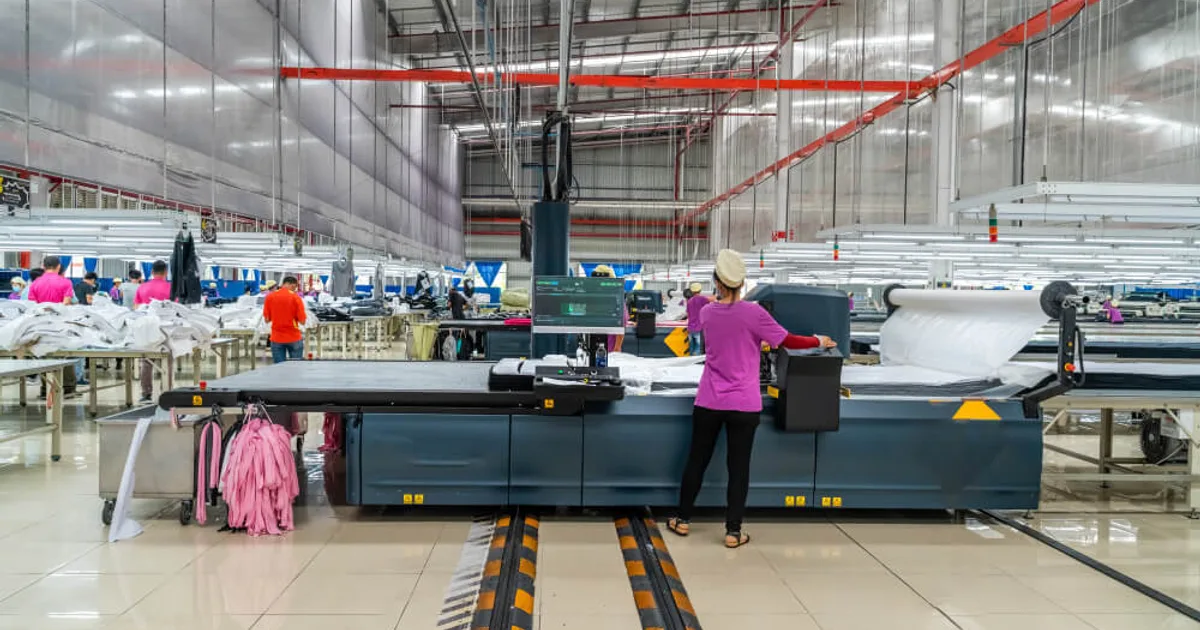
Quick Preview
| # | Manufacturer | Location | Public model | Best for |
|---|---|---|---|---|
| 1 | The Evans Group (TEG) | Los Angeles, CA | Development house + cut-and-sew; studio runs up to ~50 pieces/style | First samples and pattern ownership |
| 2 | Lefty Production Co. | Los Angeles, CA | Full-package, low-MOQ; lists activewear and compression | Small-batch technical runs |
| 3 | Affix Apparel | Los Angeles, CA | Private label, cut-and-sew, decoration; public MOQ from 50/style | Branded test runs |
| 4 | Genre Sports | Las Vegas, NV | Made-in-USA teamwear; sublimation + cut-and-sew | Teamwear and performance basics |
| 5 | WSI Sports | Eagan, MN | In-house cut-and-sew; thermal and cold-weather engineering | Technical, climate-specific gear |
| 6 | Kentwool | Pickens, SC | Merino wool knitting; RWS-certified | Sock and knit accessory programs |
| 7 | Ferrara Manufacturing | Long Island City, NY | Premium tailored and technical construction, all US-made | Premium tailored and technical lines |
1. The Evans Group (TEG) — Los Angeles, CA
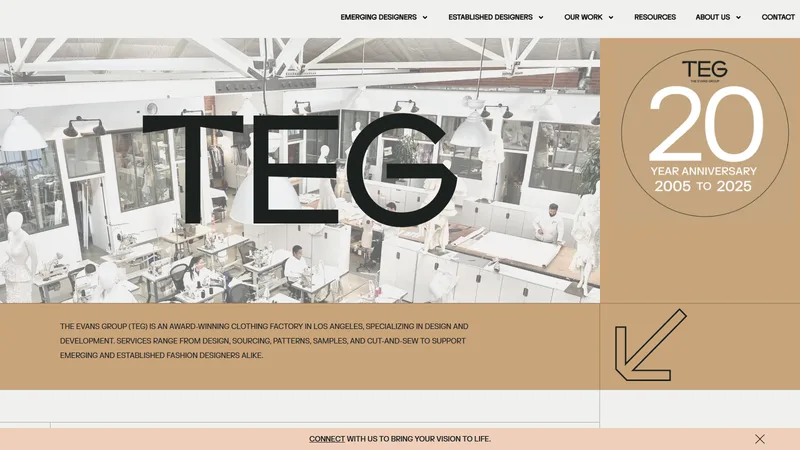
The Evans Group has run a vertically integrated development house in downtown Los Angeles since 2005, when Jennifer Evans founded it. Its published service list covers pattern making, sample development, grading, cut-and-sew, and small-volume production, with activewear, knitwear, and sportswear among its categories.
The company reports having served nearly 4,000 brands. The useful part for an activewear program is the tiering: TEG describes a studio tier of about 50 pieces per style and a factory tier above that, so the same house can carry a pattern from first sample into a graded run.
The caution is breadth. A house that also produces eveningwear and tailored garments is not an activewear specialist, and performance-knit capability still needs direct confirmation.
At a glance (Sept 2026): Founded 2005 · Los Angeles, CA · Development, pattern making, grading, cut-and-sew · States studio runs up to ~50 pieces per style · Source: official company site, linked above
🛡️ Our Verdict: Strong for first samples and pattern ownership. Confirm performance-knit capability before sending stretch fabric.
2. Lefty Production Co. — Los Angeles, CA
Lefty Production Co. is a Los Angeles full-package manufacturer founded by Marta Miller, operating from the Fashion District at 1920 Violet Street.
Its published specialties include activewear and athleticwear, compression apparel, swimwear, and children’s wear, and the company states it handles low minimums and small-batch production.
The fact that compression and athleticwear appear on the public capability list matters: those categories require flatlock, coverstitch, and often bonding, which generic cut-and-sew shops do not run.
Lefty acquired Stitch Texas in 2022 and lists operations across Los Angeles and Austin, so production location should be pinned down per style.
At a glance (Sept 2026): Founded early 2010s · Los Angeles, CA (+ Austin, TX) · Full-package; lists activewear, compression, swimwear · Low MOQ · Source: official company site, linked above
🛡️ Our Verdict: A credible small-batch technical option. Pin down which city sews the order and who owns the patterns.
3. Affix Apparel — Los Angeles, CA
Affix Apparel is a Los Angeles private-label contract manufacturer founded in 2011. Its public scope covers cut-and-sew plus screen printing, sublimation, embroidery, custom labels, sourcing, pattern making, grading, sampling, and packaging — the full under-one-roof stack that keeps a small branded run in a single queue.
The published minimum is as low as 50 pieces per style, which suits a first capsule or a market test.
At this size, the risk sits in commercial terms rather than capability: lock deposit terms, sample turnaround, and defect rates in writing rather than leaving them as assumptions.
At a glance (Sept 2026): Founded 2011 · Los Angeles, CA · Private label, cut-and-sew, decoration, packaging · Public MOQ from ~50 pieces/style · Source: official company site, linked above
⚠️ Risk Note: Lock deposit terms, sample dates, and defect rates in writing before paying.
4. Genre Sports — Las Vegas, NV
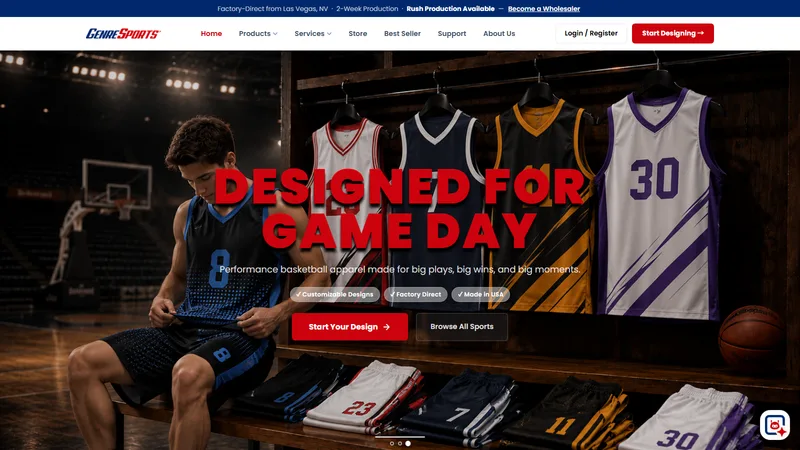
Genre Sports is a made-in-USA custom teamwear manufacturer in Las Vegas, whose production address is listed at 71 N Pecos Road. Its processes combine sublimation, DTF transfer printing, and cut-and-sew, with a reported production window of roughly two weeks for sublimated teamwear.
Geography is the differentiator. Not every domestic project has to route through Los Angeles, and a Nevada floor shortens the supply chain for West Coast teamwear deadlines.
Teamwear tends toward looser athletic cuts rather than fashion compression, so bonded seams and intricate bra construction are a different conversation.
At a glance (Sept 2026): Las Vegas, NV · Made-in-USA teamwear · Sublimation, DTF, cut-and-sew · Reported ~2-week production · Source: official company site, linked above
🛡️ Our Verdict: A solid non-California option for teamwear and performance basics. Confirm bonded-seam capability if the program needs compression.
5. WSI Sports — Eagan, MN
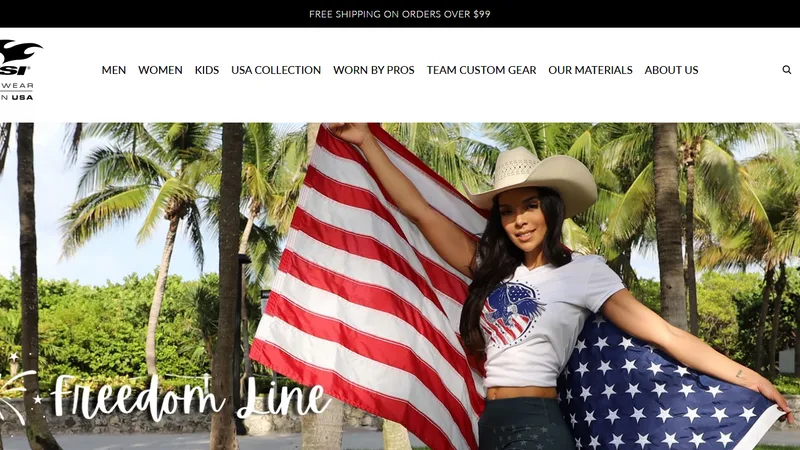
WSI Sports has designed, cut, and sewn performance apparel at its own Eagan, Minnesota factory since 1990, when Joel Wiens founded it. The company runs a just-in-time model and has built a public reputation as a cold-weather specialist; its published materials name the XFL among professional league clients.
Published technical output is the strongest signal on this list. A factory that has shipped cold-weather kit to a professional league has had to solve fabric weight, seam durability, and thermal regulation under scrutiny.
Niche categories are the risk. Compression sleeves or specialized technical runs may fall below or outside a standard minimum.
At a glance (Sept 2026): Founded 1990 · Eagan, MN · US cut-and-sew, just-in-time · Cold-weather and thermal performance lines · Source: official company site, linked above
🛡️ Our Verdict: Published technical depth. Request fabric and seam test data before committing a niche technical run.
6. Kentwool — Pickens, SC
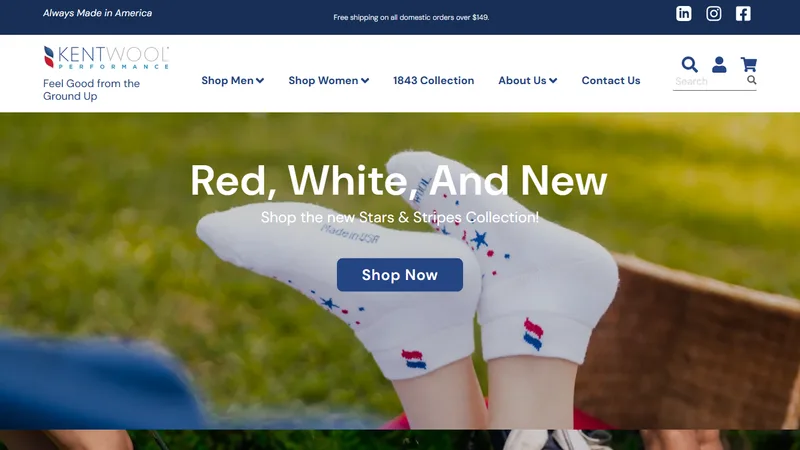
Kentwool is a fifth-generation textile manufacturer founded in 1843, with its Pickens, South Carolina mill running since 1954. The company is best known for premium merino wool performance socks sold under Kentwool Performance, and it holds Responsible Wool Standard certification.
Kentwool belongs on a sportswear shortlist for a practical reason: accessories drive repeat revenue, and a sock program rarely belongs on the same floor as leggings. A specialist knitter handles yarn sourcing and color consistency more reliably than a cut-and-sew factory adding accessories as an afterthought.
Sock minimums usually run higher than cut-and-sew minimums, and yarn supply shifts them further, so per-style minimums need confirming early.
At a glance (Sept 2026): Founded 1843 (Pickens mill since 1954) · Pickens, SC · Merino wool knitting, RWS-certified · Performance sock programs · Source: official company site, linked above
📋 Checklist: Before sampling, confirm per-style sock minimums, yarn availability, and whether the program is fully domestic.
7. Ferrara Manufacturing — Long Island City, NY
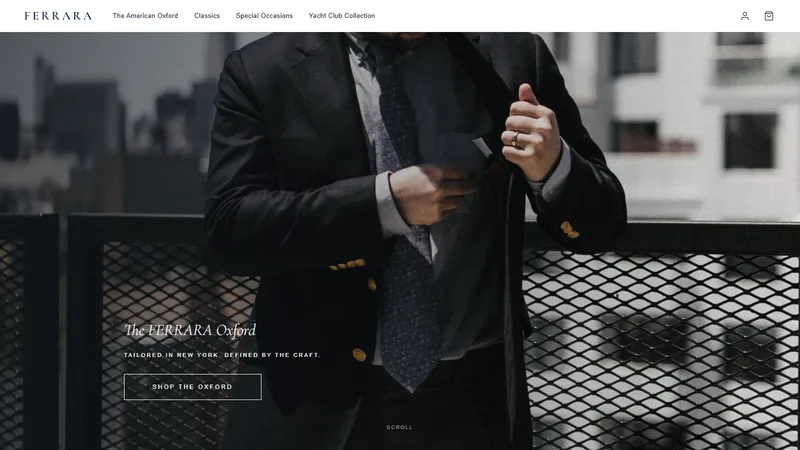
Ferrara Manufacturing is a family-owned New York manufacturer founded in 1987, now operating from a 50,000 sq ft facility in Long Island City after 36 years in Manhattan’s Garment District.
It produces high-end tailored and technical garments entirely in the United States, and its published client list includes Ralph Lauren’s Team USA Olympic uniforms.
Ferrara is not an activewear stretch specialist, and treating it as one would be a mistake. Its value here is as a benchmark: the construction standard for premium US-made tailoring is the bar a serious activewear program should be measured against.
Its CAD, laser, and automated-sewing investment also shows what domestic capacity can look like.
For brands building a premium or technically tailored line, the company offers prototyping, full-package production, and made-to-measure services under a strict Made in USA standard.
At a glance (Sept 2026): Founded 1987 · Long Island City, NY · Premium tailored and technical construction, all US-made · Full-package and made-to-measure · Source: official company site, linked above
🛡️ Our Verdict: A benchmark for premium US construction, not a stretch-activewear shop. Judge any domestic partner against this finishing standard.
How to Vet Sportswear Manufacturers in the USA? A Due-Diligence Framework
Public listings tell you what a factory says it does. They do not tell you whether it can hold a stretch seam or a delivery date. Three checks separate the two.
Step 1: Set the Commercial Filter First
- CMT or FPP? Cut-make-trim (CMT) means the brand supplies fabric and trims; full-package production (FPP) means the factory sources everything. First-time buyers are usually better served by FPP.
- Sample fees. US sample fees for one activewear style commonly run $150 to $500, and some shops credit the fee toward bulk.
A small cut-and-sew minimum does not remove the mill’s own dye minimum, which is the constraint that actually stalls a small run.
Our Experience: The cut-and-sew quote and the fabric quote come from different suppliers, and only one of them is on the purchase order. Ask the factory to confirm mill minimums in writing before signing.
Step 2: Audit Technical Capability and Compliance
- Seam machinery. Flatlock and coverstitch are the baseline for activewear; bonding is the differentiator. Ask which machines sit on the floor.
- Differential feed. This stops puckered seams on four-way stretch. A shop without it can pucker a stretch-knit sample.
- QC standard. Request AQL 2.5 or a written inspection plan, with inline checks as well as final random inspection.
- Schedule. Get the sample, bulk, and extra-colorway dates in writing; a verbal quote is not a schedule.
- Origin claims. Where imported performance fabric is used, document origin against the FTC Made in USA standard.
Before paying for a sample, build a sportswear tech pack with flat sketches, fabric specification and GSM, a graded size chart, trims, packaging rules, target MOQ, and a delivery date. Then check clothing sample stages so fit approval is not skipped.
Step 3: Weigh USA Against Overseas Honestly
- Cost. US factories cost more per unit but remove freight and duty complexity.
- Speed. Domestic sampling and fit revisions run faster; overseas adds 4 to 8 weeks of production plus transit.
- IP control. US production gives stronger legal recourse and easier factory visits. Overseas requires tighter contracts and trust.
Domestic capacity has also shrunk for years, which shapes lead times and pricing. NCTO’s published industry data puts the US textile supply chain at 453,122 jobs and $60.9 billion in shipments for 2025 — even as the industry lost plants.
Where domestic minimums or machine gaps block a launch, LeelineWear runs cut-and-sew and seamless activewear from its own factory in China at a 100-piece minimum, with a 50-piece pilot available for first orders. Contact LeelineWear to compare a domestic and factory-direct quote side by side.
Frequently Asked Questions About USA Sportswear Manufacturing
1. Can I label leggings “Made in USA” if the fabric is imported?
No. Under the FTC standard, an unqualified Made in USA claim requires all or virtually all of the product to be made in the United States, and imported fabric usually disqualifies it.
A qualified form such as “Made in USA of Imported Fabric” is acceptable when accurate. To verify a supplier, request a bill of materials covering every fabric and trim.
2. What MOQ should I expect, and can I run a pilot?
Published US minimums run from about 50 pieces per style to 1,000+ at high-throughput lines. Ask for a pilot tier in writing, but expect the fabric to set the real floor: a custom dye lot can require 500 yards per color, roughly 300 to 400 garments. A stock color and existing fabric quality make a low-MOQ pilot possible.
3. How long do US samples and bulk take?
A fit sample typically takes 7 to 15 days after tech pack approval. Bulk production after fit sign-off usually runs 4 to 8 weeks; simple sublimated teamwear can move faster. Extra colorways can add roughly two weeks each. Get these dates written into the purchase order, not quoted verbally.
4. Is US production better than overseas, and what does it cost?
Treat it as a per-SKU decision. US quotes land well above offshore once small volume, flatlock or bonding, and domestic labor are priced in; in return you get faster fit revisions and a Made in USA claim. Choose domestic when the run is small and the fit is still moving, overseas when unit cost and volume dominate. Many brands do both.
5. Can US factories handle seamless knitting or bonded seams?
Some can, but bonding and seamless capability is far less common than standard lockstitch or flatlock sewing. Ask to see the machine list and request a bonded or seamless sample before committing. A shop that sews woven tops well may have no four-way-stretch capability at all.
6. What certifications should a US activewear factory hold?
Useful signals include ISO 9001 for quality systems, WRAP or BSCI for social compliance, and OEKO-TEX Standard 100 for fabric safety. For wool, the Responsible Wool Standard matters. Certifications indicate process discipline, but they never replace a physical sample and a written AQL inspection plan.
For a comparison of what each certificate proves and which documents to request, see the sportswear certification audit.
Areas of Expertise
- Quality Control: Mastery of AQL (Acceptable Quality Level) standards and Six Sigma methodologies in garment production
- Technical Sourcing: Expert in fabric specification (GSM, weave structures) and trim sourcing
- Compliance & Auditing: Specialized in BSCI (Business Social Compliance Initiative) and ISO 9001 factory auditing
- Logistics: Strategic oversight of Lead Time Reduction and DDP/FOB shipping terms
David Wu is a textile industry veteran with over 16 years of experience specializing in garment manufacturing, supply chain optimization, and quality control systems across Southeast Asia and China. His career is defined by implementing rigorous AQL 2.5/4.0 inspection protocols for mid-to-large-scale private label brands. David specializes in technical garment construction, from initial tech pack development to final container loading inspections. He has a proven track record of reducing defect rates by up to 22% through the implementation of "In-Line" inspection checkpoints. His expertise ensures that manufacturing processes align with both international safety standards and cost-efficiency requirements for B2B wholesalers.