9 Best Streetwear Manufacturers in the USA — Heavy Fleece for Small Drops
 David Wu QA Consultant
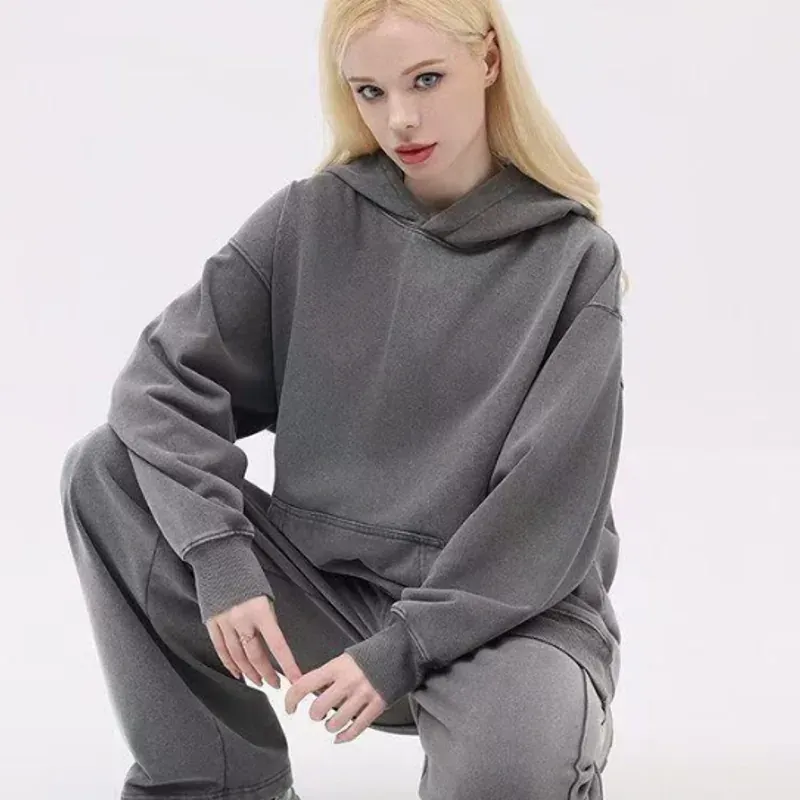
Most “streetwear manufacturer” lists are really lists of screen printers. This one separates two production models that get priced very differently: cut-and-sew factories that build a custom pattern, and blank programs that sell a stock block to decorate.
That distinction decides the first order. A 50-piece cut-and-sew hoodie is development work at a development price. A 50-piece blank hoodie is a stock item plus a print setup. Both are valid purchases; they are not the same purchase.
Every entry is a US production partner. Overseas factories with a US landing page and pure decoration shops are excluded, because neither can take a custom pattern from tech pack to bulk.
📌 TL;DR: Affix Apparel publishes a minimum as low as 50 pieces, Apparel Branders quotes 50–100 for cut-and-sew hoodies, and TEG runs a Studio Level tier at 10–50. SEWBY starts at 100–300. For a first drop under 100 pieces, TEG, Affix or a blank program is the shortest path.
The Shortlist at a Glance
| Company | Location | Model | Published minimum | Best for |
|---|---|---|---|---|
| Apparel Branders | Los Angeles, CA | Cut-and-sew + in-house dye and print | 50–100 / style | Heavyweight fleece, garment dye |
| The Evans Group (TEG) | Los Angeles, CA | Cut-and-sew, studio + factory tiers | 10–50 / style (studio) | Small-batch development |
| SEWBY | Downtown LA | Full-package private label | 100–300 / 300+ / 500+ | Private-label fleece and jersey |
| Affix Apparel | Los Angeles, CA | Cut-and-sew + decoration | About 50 / style | Low-MOQ private label |
| SEW IN LA | Downtown LA | Full-service | 10–50 / 50–100 / 100–300 | Lowest-tier production |
| Lefty Production Co. | Los Angeles, CA | Development house + production | Low minimums for development clients | Full-service development |
| Los Angeles Apparel | Los Angeles, CA | Blank manufacturer | No domestic MOQ on stock | Garment-dyed heavy fleece |
| BELLA+CANVAS | Los Angeles, CA | Blank manufacturer + custom | No domestic MOQ on stock | Stock blanks and private label |
| Royal Apparel | Hauppauge, NY | Vertically integrated basics | Check per style | USA-made organic basics |
Method note: Entries were last checked between September and November 2026 against each company’s own pages, its CFDA Production Directory listing and public review volume. Company-supplied numbers are marked; blanks mean the company publishes none.
Cut-and-sew houses rank first because they can build a custom pattern; blank programs follow, clearly labeled. The listing does not prove an in-house sewing floor, so any unverified step is flagged in the entry. See the fact-checking process and editorial policy.
The Four Specs That Decide a Streetwear Drop
Streetwear is sold on handfeel and silhouette, and both are set before the first stitch.
- Fleece weight: 10–14 oz per square yard is the premium range. Below 10 oz the handfeel thins out; above 14 oz the garment gets boardy and costs more to ship.
- Fit block: boxy and oversized are not the same thing. Boxy shortens the body and widens the chest; oversized drops the shoulder and lengthens the sleeve. Both need a graded pattern, which is why a blank cannot fake them.
- Dye and wash: garment dye, pigment dye, mineral wash and acid wash all change the handfeel. Garment dye is done after sewing, so seams and threads take the color together.
- Decoration: puff print, high-density print and discharge, chenille patches and embroidery each add a production step. Puff and high-density need a platen and a press setup; chenille needs a separate patch supplier.
💡 Pro Tip: Put the fleece weight, the fit block, the dye method and the decoration in the first email. Answer all four with numbers and the partner is a factory; answer two and ask for a call, and it is a broker.
1. Apparel Branders — Best for Heavyweight Fleece and Garment Dye
Apparel Branders runs a streetwear line inside a Los Angeles factory: heavyweight hoodies, crews, boxy tees, sweatpants and two-piece sets, with dye, print and embroidery in the same building.
Documented (November 2026): Los Angeles, CA · minimums from 50 units · cut-and-sew hoodies typically 50–100 per style, relabeled blanks lower · 10–14 oz fleece and French terry, custom knitting on larger runs · in-house garment dye, tie-dye and softening washes after sewing.
Decoration covers screen print, DTF, sublimation, embroidery, chenille and leather patches. Construction options include dropped shoulders, cropped and boxy blocks, double-needle hems, raw or cut-edge finishes, custom drawcords and aglets. Label and packing options include woven neck labels, printed size tags, hangtags and garment packing.
Few factories combine both. Most factories either cut and sew or decorate; doing both removes the handoff where a garment gets lost between the sewing floor and the printer.
Low-volume capacity is the open question. A 50-piece order with custom dye and a puff print carries three setups, so ask for the setup fees before you compare unit price against a plain blank.
🛡️ Verdict: The strongest single-building option for a heavyweight fleece drop with garment dye and print, provided setup fees are quoted up front.
⚡ Power Move: Ask for 50-piece and 500-piece quotes on the same hoodie, with and without garment dye. Those four numbers show exactly where the cost sits.
2. The Evans Group (TEG) — Best for 10–50 Piece Studio Runs
TEG has run a studio-level production tier in Downtown LA since 2005 and has produced for close to 4,000 brands. On a first streetwear drop, that tier is the shortest path from a sketch to a sewn garment.
Documented (November 2026): 1321 Palmetto Street, Los Angeles, CA 90013 · founded 2005 · nearly 4,000 brands served · Studio Level 10–50 pieces per style; factory tiers 50–100, 100–300 and 300+.
In-house services cover design, sourcing, pattern and grading, sampling and cut-and-sew. Larger runs go through TEG International, and the CFDA product list includes activewear, fleece and knit tops.
TEG is a broad-spectrum house, not a streetwear specialist. That is fine if the tech pack carries the streetwear specifics: fleece weight, boxy block, dropped shoulder, double-needle hem and the exact dye standard.
Confirm who sews your reorder. Studio and factory tiers can be different floors, and a sell-out first run needs the same pattern and fabric lot on the next.
🛡️ Verdict: Best entry point for a 10–50 piece proof run while the design still needs pattern work and fit correction.
⚡ Power Move: Ask for the patternmaker’s name and the factory tier that will run the 300-piece reorder, in the same email.
3. SEWBY — Best for Private-Label Fleece and Jersey
SEWBY is a full-package private-label manufacturer in the Downtown LA Fashion District, and fleece bottoms, fleece tops, polar fleece, jogging suits and tees sit inside its listed product range.
Documented (November 2026): 2431 S Santa Fe Ave, Los Angeles, CA 90058 · full-package private label · CFDA production tiers 100–300, 300+ and 500+ · cutting, pattern making and grading, sampling, sewing, printing, embroidery, fabric sourcing and dyeing · fleece bottoms and tops, polar fleece, jogging suits, tees and activewear · lead time not published.
Orders of 100–300 pieces do the most work: high enough to amortize a custom pattern and a dye setup, low enough to test a drop without a container of inventory.
Ask whether the print is in house. Private-label houses that subcontract decoration add a handoff, and a handoff is where a delivery date slips.
🛡️ Verdict: A solid private-label option once past the sample stage, at 100–300 pieces per style.
⚡ Power Move: Request a 150-piece heavyweight hoodie quote with a custom woven label, a garment-dye option and a puff-print chest graphic, then ask which steps are subcontracted.
4. Affix Apparel — Best for Low-MOQ Private Label
Affix Apparel’s published floor is about 50 pieces per style, which puts a custom cut-and-sew streetwear run inside reach of a first capsule.
Documented (November 2026): founded 2011 · Los Angeles, CA · private label and cut-and-sew · public minimum from about 50 pieces per style · cut-and-sew, screen printing, sublimation, embroidery, custom labels, sourcing, pattern, grading, sampling and packaging · tees, hoodies, joggers, leggings and headwear.
One caution recurs across public records: a Los Angeles address is not always a Los Angeles sewing floor. Development and decoration can sit locally while cut-and-sew moves offshore, which changes the MOQ, the lead time and the country of origin on the label.
Independent review coverage is thin for a company of this age, which does not prove poor quality but does change the risk profile. Lock deposit terms, sample turnaround and defect rates in writing.
🛡️ Verdict: A workable low-MOQ option for a first capsule, provided the production address and the sewing location are confirmed before a deposit.
⚡ Power Move: Ask which minimum applies to which service, and get the sewing location in writing. Then compare the landed unit cost against your TEG and Apparel Branders quotes.
5. SEW IN LA — Best for the Lowest Production Tiers
SEW IN LA runs bands down to 10–50 pieces, with a full-service menu that covers tees, fleece, jogging suits, denim and jackets — a useful spread for a streetwear capsule that mixes jersey and woven.
Documented (November 2026): 309 E 8th St #402, Los Angeles, CA 90014 · full-service apparel manufacturing · CFDA tiers 1–10 samples, 10–50, 50–100, 100–300, 300+ and 500+.
Products include T-shirts, fleece tops and bottoms, jogging suits, denim product, unconstructed jackets and activewear. Services cover cutting, pattern making and grading, sampling, sewing, printing, embroidery and fabric sourcing. Lead time not published.
Small runs are development jobs, and they carry development pricing. Use it to prove the block, the hem finish and the print placement, then shift bulk into a band where tooling and setup are amortized.
Denim and woven programs need to know whether washing is done in house. Denim that leaves the building for wash adds a week and a quality risk.
🛡️ Verdict: A good fit for a 10–50 piece proof run across jersey and woven, with the caveat that the bulk tier is a separate negotiation.
⚡ Power Move: Get the 50-piece price and the 300-piece price in the same quote so the step-up cost is visible before the sample is committed.
6. Lefty Production Co. — Best for Full-Service Development
Lefty Production Co. is a development house and manufacturer in Los Angeles that offers low minimums to clients who develop their garments with the house.
Documented (November 2026): 318 W 9th St, Suite 1010, Los Angeles, CA 90015 · full-service design, development and production · CFDA tiers 1–10 samples, 10–50, 50–100, 100–300, 300+ and 500+.
Product range covers men’s wear, women’s wear, activewear, athleisure, denim-related production and accessories. Low minimums apply to development clients; MOQ and lead time are not published.
The discount rides on development: arrive with a completed tech pack and ask only for sewing, and both the minimum and the price reset. That is not a trick; it is how a development house covers its pattern and sample hours.
On a first streetwear drop with a custom block, the trade is usually worth it. On a second drop with a proven pattern, price the sewing separately.
🛡️ Verdict: Strong for a brand that needs pattern, grading and production management in one place, and accepts paying for development to reach the lower minimum.
⚡ Power Move: Get the development fee, the credit against bulk and the final MOQ into a single written quote before sampling starts.

7. Los Angeles Apparel — Best Blank for Garment-Dyed Heavy Fleece
Los Angeles Apparel is a domestic blank manufacturer, not a custom cut-and-sew house. That makes it the fastest route to a garment-dyed heavyweight hoodie without a pattern.
Documented (November 2026): Los Angeles, CA · domestic blank manufacturing · garment dye program including standard, heavy fleece and 3XL options · heavy fleece hoodies, zip-ups, pullovers, cropped sweatshirts and sweatpants · hoodies and fleece available in garment-dyed colors.
Blanks are a different product. Existing blocks and the color card apply, decoration is added, and pattern and grading are skipped. On a first drop, that removes four to six weeks and a development fee.
Fit is the limit. Stock blocks cannot give a specific dropped shoulder or a cropped body. If the silhouette is the brand, a blank is the wrong tool.
🛡️ Verdict: The right first move for a garment-dyed heavyweight drop where speed matters more than a proprietary block.
⚡ Power Move: Order one blank in each weight under consideration, wash it three times, and compare handfeel and shrinkage before printing a single sample.
8. BELLA+CANVAS — Best Stock Blank With a Private-Label Program
BELLA+CANVAS is one of the largest US blank suppliers, with a private label and custom manufacturing program layered on top of its stock range.
Documented (November 2026): Los Angeles, CA · domestic blank manufacturing · no domestic minimum order quantity on stock · private label and custom manufacturing available · garment dye, heavyweight and fleece collections · nationwide distribution.
Availability is the advantage. A stock blank can ship in days, which lets you test a graphic and a fit before committing to a custom run.
Differentiation is the trade-off. If every other brand in the category prints on the same blank, the only separator is the artwork. Acceptable for a first drop; not for a brand built on silhouette.
🛡️ Verdict: Best used as a test vehicle: prove the artwork and the price point on a stock blank, then move the winning style to cut-and-sew.
⚡ Power Move: Compare the stock blank’s fabric weight and shrinkage against the cut-and-sew quote. If the custom block is 2 oz heavier and 30% more expensive, decide whether the silhouette is worth the gap.
9. Royal Apparel — Best USA-Made Organic Basics
Royal Apparel is a vertically integrated, made-in-USA manufacturer in Hauppauge, New York, with a second New York facility. It knits, dyes, cuts and sews in house, and its range covers organic cotton, bamboo, hemp and recycled polyester basics.
Documented (September 2026): Hauppauge, NY (Long Island) · vertically integrated made-in-USA basics · organic cotton, bamboo, hemp and RPET · blank and private-label model · second New York facility.
Streetwear use is the basics layer: heavyweight tees, tanks, joggers and fleece. It is a blanks and basics house, not a custom pattern developer, so treat it as a domestic supply base rather than a design partner.
Where environmental claims anchor the brand, collect the fiber certificates per lot. Organic cotton and recycled polyester claims need documentation, not a hangtag.
🛡️ Verdict: The right pick for USA-made organic basics where the story is material, not silhouette.
⚡ Power Move: Ask for the fabric weight in GSM and the shrinkage report for the exact lot before approving a print placement.
The MOQ Math for a First Drop
A published minimum is per style; a sellable range is not.
Quoting 50 pieces per style is not the same as quoting a range. If the minimum applies per size per colorway, two colorways in four sizes becomes 400 units. Most houses allow a run to split across sizes within a colorway but not across colorways, which brings the same drop to 100 units. Write the unit of the minimum into the quote.
Three questions settle it:
- Per style, per color, or per size? Name the unit of the minimum in writing.
- Does a garment-dyed color count as a separate style? Usually yes, because it is a separate dye lot.
- What is the fabric minimum? A custom fleece knit often has a roll minimum that exceeds the garment minimum.
💡 Pro Tip: Design your first drop in one fabric and two colorways. It halves the setup cost and keeps the reorder simple. For the full sourcing sequence, see our guide to finding sportswear manufacturers.
Which Factory Fits Your Drop?
First drop, silhouette not yet proven: TEG Studio Level, Affix Apparel or a stock blank from Los Angeles Apparel or BELLA+CANVAS.
Heavyweight fleece with garment dye and print: Apparel Branders, at 50–100 pieces per style.
Private label at 100–300 pieces: SEWBY, with the print partner named in writing.
Full-service development: Lefty Production Co. or TEG, with the development fee and credited MOQ in one document.
Commercial disclosure: LeelineWear runs its own sportswear factory in China and does not appear in this list; no US factory paid for placement.
Brands weighing an overseas or hybrid program can see how LeelineWear builds custom streetwear: 100 units per style, 7–15 days sampling, 15–30 days bulk.
Sourcing a different category? See the US swimwear manufacturer shortlist and the US yoga apparel manufacturer shortlist.
For a broader domestic comparison, see the US clothing manufacturer shortlist. Country-of-origin rules are covered in the Made in USA answer below.
Frequently Asked Questions about Streetwear Manufacturers USA
1. What MOQ should I expect from a US streetwear manufacturer?
Expect 50 to 100 pieces per style for cut-and-sew, depending on the house. Affix Apparel publishes a minimum as low as 50, Apparel Branders quotes 50 to 100 for cut-and-sew hoodies, and TEG runs a Studio Level tier at 10 to 50. SEWBY’s smallest band is 100–300. Blank programs such as BELLA+CANVAS have no domestic minimum, but the product is a stock block, not a custom pattern.
2. Is it cheaper to start with blanks or cut-and-sew?
Blanks are cheaper and faster for a first drop. Stock heavyweight blocks plus decoration skip pattern and grading costs. Cut-and-sew wins when the fit is the product: a specific boxy shoulder, a cropped length, a custom drawcord, or a garment-dyed color that only works on a PFD blank. Most streetwear brands start on blanks and move to cut-and-sew once a style proves itself.
3. What fleece weight should a streetwear hoodie use?
Most premium streetwear hoodies sit between 10 and 14 oz per square yard, or roughly 340 to 475 GSM. Below 10 oz the garment reads as a basic hoodie; above 14 oz it gets stiff, heavy to ship and slow to sew. Confirm whether the number quoted is fabric weight before or after washing.
4. Why does garment dye change the order?
Garment dye is done after sewing, so the seams, threads and trims take the color together, producing the soft, slightly uneven finish streetwear buyers expect. It must be sewn from greige or PFD fabric, and the color is set at the end of the line. Ask whether the dye house is in house, and whether the shade is matched to a Pantone or a physical standard.
5. Can I label a US-made blank as Made in USA?
Only if the garment meets the FTC standard: all or virtually all of the product is made in the United States, with no more than a de minimis amount of foreign content. US-cut blanks made with imported fabric may not qualify.
Imported trims or an overseas dye house can also break the claim. Write the production country into the purchase order and collect the documentation before printing a label.
Ready to shortlist a factory? Send a tech pack or reference sample to the team.
Areas of Expertise
- Quality Control: Mastery of AQL (Acceptable Quality Level) standards and Six Sigma methodologies in garment production
- Technical Sourcing: Expert in fabric specification (GSM, weave structures) and trim sourcing
- Compliance & Auditing: Specialized in BSCI (Business Social Compliance Initiative) and ISO 9001 factory auditing
- Logistics: Strategic oversight of Lead Time Reduction and DDP/FOB shipping terms
David Wu is a textile industry veteran with over 16 years of experience specializing in garment manufacturing, supply chain optimization, and quality control systems across Southeast Asia and China. His career is defined by implementing rigorous AQL 2.5/4.0 inspection protocols for mid-to-large-scale private label brands. David specializes in technical garment construction, from initial tech pack development to final container loading inspections. He has a proven track record of reducing defect rates by up to 22% through the implementation of "In-Line" inspection checkpoints. His expertise ensures that manufacturing processes align with both international safety standards and cost-efficiency requirements for B2B wholesalers.