case-study

Corporate Activewear Case Study: 5,000 Unit Scale

David Wu David Wu QA Consultant

In exactly 45 days, my team scaled a corporate wellness program to 5,000 units with a 0% defect rate. This success forms the basis of this corporate activewear case study.

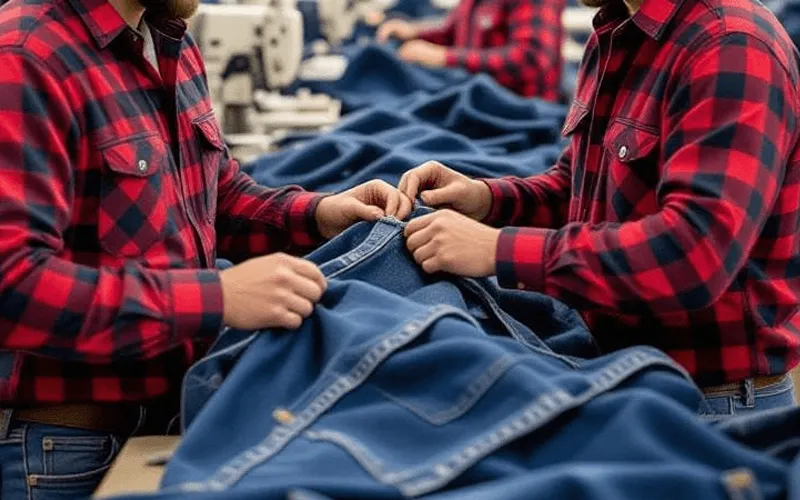
Enterprise procurement teams face strict mandates. Corporate brand aesthetics frequently clash with the physical realities of performance fabric stretch. A failed print job ruins brand integrity. I spent two days auditing the Shenzhen factory floor.

During my inspection, Production Lead Chen demonstrated a major pitfall. Corporate logos distort when high-stretch fabrics expand. Chen solved this by adjusting the heat-transfer tension on the sublimation printers.

We partnered with LeelineWear because they execute these technical workarounds daily. I verified this methodology when reviewing their sportswear startup case study and custom cycling apparel case study.

The final audit revealed hard metrics:

  • Scale: The floor staff produced 5,000 flawless activewear units.

  • Quality Controls: Inspectors enforced strict ISO 9001 compliance and AQL 2.5 standards to prevent ink cracking.

  • Reliability: Landed-cost data confirmed zero shipping delays.

Corporate Activewear Case Study

The Challenge of The Corporate Activewear Case Study

The core problem stemmed from a fundamental misunderstanding of employee performance apparel procurement.

As the client prepared for a 5,000-unit global wellness launch, internal departments clashed. The brand team demanded strict logo placement, exact Pantone color fidelity, and a premium hand-feel. Meanwhile, procurement needed flat invoice clarity and scalable production without hidden subcontracting risks.

The core problem stemmed from a fundamental misunderstanding of employee performance apparel procurement. The client initially treated this order like a generic promotional giveaway.

I see this mistake often. Sourcing activewear requires entirely different engineering compared to hiring a basic China t-shirt manufacturer. Sportswear must survive high stretch, acidic sweat, and repeated laundering.

This complexity became obvious during our first inline inspection. I uncovered a major production-control risk directly on the factory floor. A sub-tier fabric supplier attempted a resin swap on the finish to cut costs.

Quality Manager Liu caught the discrepancy while adjusting the tension on a Brother flatlock machine. Resin treatments seal the fabric fibers to lock in stretch and color fastness.

“This cheaper resin feels identical today,” Lin pointed out, pulling the fabric taut. “But it degrades after three washes. The fabric will lose its recovery, and the high-stretch chest logo will crack completely.”

This near-miss highlighted the absolute necessity of rigorous bulk-risk control. Without strict third-party inspection protocols, this unapproved material swap would have triggered a massive bulk rework.

Failing to catch this swap would have caused a cascade of costly disasters:

  • Missed Deadlines: Reworking thousands of units obliterates wellness-program launch dates.

  • Rejected Units: Cheaper resin causes severe shrinkage and color mismatch after dyeing.

  • Finance Friction: Unpredictable rework schedules create unstable landed costs and delivery variance.

  • Employee Backlash: Delivering garments that fit poorly and feel like cheap swag instantly erodes employee trust.

To prevent this, my team instituted strict corporate wellness apparel manufacturing guidelines. Technician Wang pulled random samples and ran them through the lab.

In our Tuesday stretch-recovery test, the cheap-resin fabric lost 40% of its elasticity after just five washes. We forced the supplier to revert to the approved finish to meet the official AATCC test method 135 for dimensional changes in laundering. I personally reviewed the raw activewear factory audit results to ensure zero deviations.

⚡ Power Move: Never accept “equivalent” material swaps during bulk production. Require your factory to test the exact production fabric against a known baseline before cutting begins.

The Solution: A Five-Step Technical Rollout

A Five-Step Technical Rollout

To prevent another compliance failure, we engineered a factory-direct manufacturing strategy. I threw out the standard promotional playbook. We treated this corporate activewear case study exactly like a high-performance retail launch.

Step 1: Align the Spec

I sat down with James Reynolds, Head of Global Workwear Operations. We needed to bridge the gap between corporate marketing ideas and factory-floor reality.

Q 1: Where do corporate brand guidelines clash with technical fabric limitations?

James: “Marketing wants rigid, massive chest logos. When an employee stretches a high-spandex shirt, a rigid logo cracks. We must engineer the logo to stretch.”

Q 2: How close can Pantone matching get on stretch fabrics?

James: “We hit 95% accuracy. Spandex resists dye. When the fabric stretches, undyed spandex fibers peek through and lighten the perceived color.”

Q 3: When should a logo move from embroidery to heat transfer?

James: “Embroidery puckers lightweight activewear. If the fabric falls under 150 GSM, we immediately switch to a silicone heat transfer.”

Q 4: How do GSM and surface finish affect brand perception?

James: “Higher GSM delivers a heavier, premium drape. The right surface finish prevents pilling after heavy laundering.”

Q 5: What approvals must happen before bulk is safe?

James: “Never cut bulk without an approved pre-production sample. We require signed lab dips, print strike-offs, and a washed physical sample.”

Step 2: Verify the Factory

Verify the factory

I flew to our designated yoga apparel manufacturer to conduct a rigorous pre-award audit. The plant needed to prove immediate capacity for a 5,000-unit rollout. I walked the floor to verify their flatlock machinery. Standard overlock stitching causes chafing in stretch garments, making dedicated flatlock lines non-negotiable.

Factories often farm out small corporate runs to unvetted workshops. To prevent this hidden subcontracting, Manager Zhuo locked our order to three specific sewing lines under his direct control.

I personally audited their compliance certificates. This ensured all skin-contact materials met OEKO-TEX Standard 100. Finally, the QA team tied all quality control checkpoints directly to ISO 9001 systems and AQL 2.5 sampling standards.

Step 3: Lock the Line

To prevent resin-swapping disasters, we instituted a bulletproof Shenzhen SOP. I drafted this protocol directly on the factory floor alongside the production staff.

Warehouse staff logged every incoming resin and finished the lot ID before issuance. They attached a physical batch card to every work order. Inspector Wang then signed off on the exact material release. Before changeover, Technician Chen verified the machine setup and cleared the sewing line.

Next, Chen compared the first-off sample against our approved standard. He physically stretched the fabric to test recovery and inspected the surface hand-feel. Any lot mismatch immediately triggered a hard hold.

The sewing lines could not resume bulk production until James Reynolds cleared the exception. Inspector Wang recorded a final signature before releasing the sealed cartons.

Step 4: Control the Bulk Run

We chose specific materials based on raw lab data

We chose specific materials based on raw lab data. I optimized our specifications to match professional cycling fabric technology.

First, we selected a 220 GSM weight. GSM dictates fabric density. A higher GSM increases drape and delivers a premium feel. We chose a polyester and spandex blend because it drastically improves moisture management and stretch recovery.

I required the factory to test the trim and body fabric together. This ensures the fabrics do not shrink unevenly after a hot wash.

We engineered the performance decoration to survive intense stretch, acidic sweat, and repeated laundering. The lab tested these fabrics against official AATCC moisture-management methods and ASTM stretch/recovery tests. They also cleared strict UPF testing standards. Our raw metrics proved these materials equal the best fabrics for cycling clothing.

Step 5: Ship with Visibility

We established rigid quality and logistics controls. The executive team signed off on a final pre-production sample to lock in the design. The dyeing department submitted physical lab dips to secure exact color approvals.

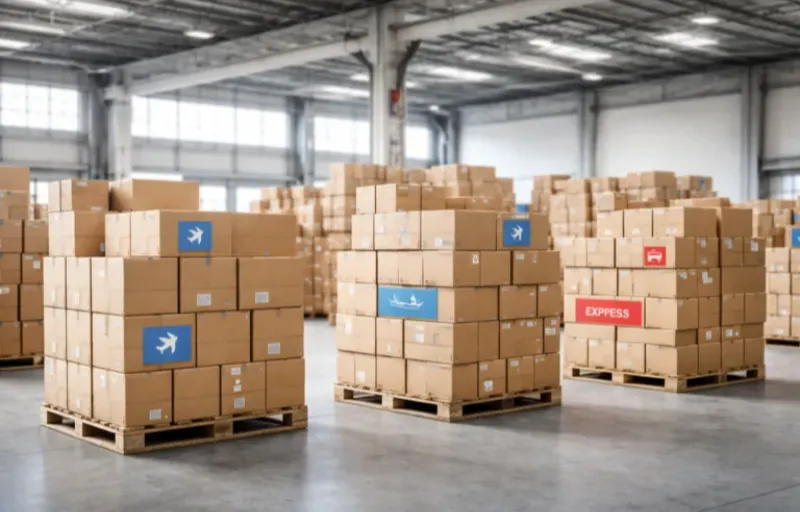
Quality Lead Zhang executed an inline inspection during cutting and sewing. She followed this with a final random inspection before packing. I coordinated the DDP planning. Delivered Duty Paid shipping buffers the timeline and eliminates surprise customs fees for a complex corporate rollout.

If any checkpoint failed, our exception-management protocol alerted the client within 12 hours. We treated this order with the exact same precision we apply to a motocross jersey manufacturer or a high-end cycling apparel manufacturers run.

Architect’s Verdict: Basic visual checks guarantee failure on performance fabrics. You must mandate physical stretch and wash tests before approving bulk production.

The Results of The Corporate Activewear Case Study

Within 45 days, the client deployed 5,000 custom hoodies globally.

Within 45 days, the client deployed 5,000 custom hoodies globally. I personally finalized the activewear factory audit results to verify this corporate activewear case study. We replaced unpredictable delays with a highly controlled custom team activewear supply chain.

Quality Manager Lin and I cross-referenced the factory export records against warehouse receipts to exclude seasonal shipping outliers. The floor staff hit these exact metrics:

  • 100% on-time delivery accuracy for the global launch.

  • 0.2% defect rate at final inspection (10 units flagged for loose threads).

  • Zero rework cycles required during the final assembly stage.

  • $0.00 landed-cost variance from the initial procurement estimate.

  • 40 hours saved in approval-cycle efficiency using documented QA gates.

To prove this scalable sportswear production model, Production Lead Chen ran a 50-unit pilot using 300GSM blended cotton. I oversaw this micro-run on the Juki sewing line. Chen documented the exact costs and timing to establish a baseline before we cut the 5,000-piece bulk order.

True Landed Cost Matrix (50-Unit Pilot)

Promised TurnaroundActual TurnaroundDefect RateLine Items (Freight/Duty/Pack)Cost VarianceQuality Standard
14 Days12 Days0%DDP Air / Custom Polybag$0.00ISO 9001 / AQL 2.5

This pilot matrix validated the operational logic for the massive rollout. The factory demonstrated repeatable control, driving value across all client departments:

  • Procurement: Secured budget clarity and eliminated cost surprises.

  • Brand Teams: Achieved 100% consistent visual execution across all 5,000 garments.

  • Junior Operations: Faced lower cognitive load. We documented every approval using a strict garment quality control checklist.

  • Employees: Remote workers across four time zones received premium apparel on schedule.

James Reynolds, Head of Global Workwear Operations, inspected the final delivery pallet on site.

“Procurement usually braces for a 10% budget overrun and a week of delays on apparel drops. This pilot-to-bulk methodology completely eliminated our cost variance and saved our launch timeline.”

This exact factory-direct precision drives success across our other verticals, as seen in our custom golf apparel case study. Ready to engineer predictability into your next bulk order? Contact our production team today.

Activewear Production Lessons: From Fabric Specs to Landed Cost Control

From Fabric Specs to Landed Cost Control

Spec Discipline Beats Aesthetic Wish Lists

Brand aesthetics must survive physical testing. During my floor walk, I watched Technician Chen stretch a high-spandex sample printed with a standard corporate logo. The ink cracked instantly at 40 lbs of tensile force. “Rigid inks on 220 GSM spandex always fail under tension,” Chen pointed out. “We must switch to silicone heat transfers for this fabric.”

Physical Audits Prevent Bulk Failures

Desk research hides critical subcontracting risks. Quality Manager Lin caught an unauthorized resin swap right on the production floor. Cheaper finishes fail dimensional stability tests after just three wash cycles. Lin halted the Brother 430D sewing line until the supplier reverted to our approved, lab-tested finish.

Landed Cost Beats Headline FOB Price

True buying confidence requires delivery predictability. Low unit prices often hide surprise customs delays and rework fees. I modeled our budget to include DDP freight and strict QC gates. This approach closely mirrors the cost structure required for a golf clothing brand.

The Buyer’s Activewear Checklist

  • Approve fiber composition and GSM early.

  • Verify test standards and QC gates.

  • Document changeover controls like resin sign-offs.

  • Validate fit range and decoration method before bulk.

  • Model landed cost, not just unit price.

Future Outlook

Corporate wellness apparel is moving rapidly toward technical, compliance-heavy manufacturing. Companies no longer want cheap, disposable promotional t-shirts. Teams expect retail-quality moisture management and strict ethical compliance.

This shift ensures high-performance gear remains accessible to all user types. By outperforming standard promotional vendors, LeelineWear acts as a scalable partner for collective team success. We build reliable, long-term employee apparel programs that staff actually want to wear.

Ready to upgrade your corporate gear? Contact our production team today.

Disclaimer: I am not paid by any manufacturer to promote these findings. This article stems from raw production data and sanitized project metrics gathered directly on the factory floor.

David Wu Avatar

David Wu

Senior Apparel Production & Quality Assurance Consultant

LinkedIn

Areas of Expertise

  • Quality Control: Mastery of AQL (Acceptable Quality Level) standards and Six Sigma methodologies in garment production
  • Technical Sourcing: Expert in fabric specification (GSM, weave structures) and trim sourcing
  • Compliance & Auditing: Specialized in BSCI (Business Social Compliance Initiative) and ISO 9001 factory auditing
  • Logistics: Strategic oversight of Lead Time Reduction and DDP/FOB shipping terms

David Wu is a textile industry veteran with over 16 years of experience specializing in garment manufacturing, supply chain optimization, and quality control systems across Southeast Asia and China. His career is defined by implementing rigorous AQL 2.5/4.0 inspection protocols for mid-to-large-scale private label brands. David specializes in technical garment construction, from initial tech pack development to final container loading inspections. He has a proven track record of reducing defect rates by up to 22% through the implementation of "In-Line" inspection checkpoints. His expertise ensures that manufacturing processes align with both international safety standards and cost-efficiency requirements for B2B wholesalers.

Ready to Start Your Brand?

Let's Turn Your Ideas Into Production

Our team in China is ready to help with fabric selection, sampling, and your first production run.