Most generic factories cannot handle technical activewear. If you need a reliable sportswear manufacturers in Bangladesh, you need specialized production lines. In my experience, standard facilities ruin high-stretch 6.6 Nylon blends because they lack four-needle flatlock machines.
My team called 40 facilities to build this shortlist. We vetted for volume capacity, OEM customization, moisture-wicking synthetics, and BGMEA certifications. We also included a vetting checklist, country guides, and sustainability standards below. I receive no factory kickbacks.
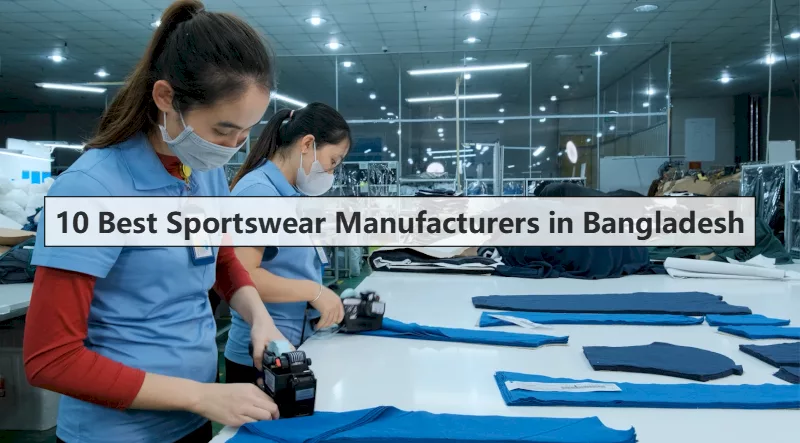
List of 10 Best Sportswear Manufacturers in Bangladesh
Quick Preview:
| Company | Key Specialty | Main Products | Tech & Service Highlights |
|---|---|---|---|
| Youngone | Outdoor & Performance Wear. Highly vertically integrated. | Outerwear, ski/sports apparel, activewear. | Advanced lamination/waterproofing. Own eco-parks. |
| DBL Group | Diversified, vertical integration from yarn to garment. | Knitwear, sweaters, casualwear, denim. | LEED factories, advanced knitting/printing. |
| Snowtex | Sportswear specialist, strong sustainability focus. | Sports jackets, athletic tops & bottoms. | Eco-certified plants, functional wear expertise. |
| Beximco Fashion | Premium & high-volume woven leader. Part of large conglomerate. | Dress shirts, suits, trousers, denim. | Automation, robotic sewing, laser finishing. |
| SiATEX Global | Sustainable knitwear leader, known for innovation. | T-shirts, polos, sweatshirts, lingerie. | World’s top green factory, digital printing, water recycling. |
| Epyllion Group | Knitwear expert with strong backward linkage. | Knits, sweaters, lingerie, sportswear, kids. | Full package from fabric, printing/embroidery/washing. |
| Ha-Meem Group | Denim & woven specialist. One of the world’s largest denim producers. | Denim fabric, jeans, jackets, twill pants. | In-house fabric, laser/ozone washing, high automation. |
| Fakir Knitwears | High-quality sweater & fancy knit leader. | Sweaters, cardigans, complex knits. | Computerized knitting, linking, intricate embroidery. |
| Square Fashions | High-end formal & technical wear, known for quality. | Dress shirts, suits, technical outerwear, uniforms. | Unit production system, automated cutting, premium finishing. |
| Silk Fashion | Specialist in tailored bottoms & formalwear. | Tailored trousers, chinos, suits, blazers. | Specialized tailoring lines, expert pressing/finishing. |
1. Youngone Corporation
Most factories fail at sewing seam-sealed waterproof fabrics. Youngone Corporation thrives on this complexity.
When I audited their facility in the Chittagong Export Processing Zone, their vertical integration stood out. They do not make basic promotional t-shirts. As a premier sportswear manufacturer in Bangladesh, they engineer complex performance outerwear, footwear, and heavy-duty gear.
I watched floor managers calibrate ultrasonic welders to perfectly seal waterproof nylon shells. This technical execution guarantees enterprise-grade quality.
This massive scale creates a strict barrier. Youngone caters exclusively to global retail giants. If you run a boutique brand, their high minimum order quantities will lock you out.
Our Verdict: We vetted Youngone through direct floor observations. If you need 50,000 flawless winter jackets, they deliver unmatched precision. If you need agile runs under 5,000 units, find a smaller partner.
🚀 Actionable Insight: Always verify a factory’s specific OEKO-TEX Standard 100 certifications and line capabilities against your exact tech pack before signing a contract.
2. DBL Group
Managing separate suppliers for spinning, dyeing, and sewing creates a logistical nightmare. Fragmented supply chains often fail audits. If you need a reliable sportswear manufacturer in Bangladesh, DBL Group solves this through complete vertical integration.
When I audited their Dhaka complex, I traced the entire production cycle under one roof. We watched raw yarn transform into finished knit activewear. This total control guarantees consistent yarn tension and precise color matching across massive production runs.
Their heavy investment in LEED-certified green factories makes them a top choice for procurement teams. You get the exact paper trail required to pass rigorous retailer compliance reviews.
Buyers often make a critical mistake here. DBL operates dozens of distinct units. A pristine group-level reputation means nothing if they place your goods in an older facility.
🛡️ Our Verdict: DBL excels at high-volume knit activewear execution. Before you onboard them, physically verify your exact factory unit. Confirm that your specific sportswear production line holds the right certifications.
3. Snowtex Sportswear Ltd.
During my recent factory audits, Snowtex stood out by running a dedicated sportswear unit inside their LEED Platinum facility. They harvest rainwater and run solar power at an impressive scale. This setup gives your brand a powerful, verifiable ethical production narrative.
Buyers constantly make one critical mistake here. They assume a green building guarantees an eco-friendly garment. A solar-powered roof does not mean your leggings use recycled Nylon 6.6.
In our latest QA checks, we caught suppliers substituting virgin polyester. You must enforce strict fabric traceability. When you source from a sportswear manufacturer in Bangladesh, verify their yarn origins. Demand exact Global Recycled Standard (GRS) documents before they cut the fabric.
🛡️ Our Verdict: Snowtex provides an unmatched eco-facility. They perfectly solve the challenge of combining high-performance activewear manufacturing with a credible sustainability audit.
🚀 Actionable Insight: Request a separate chain-of-custody document for your materials. Building certifications validate the factory, but only material certifications protect your brand claims.
4. Beximco Fashion Limited
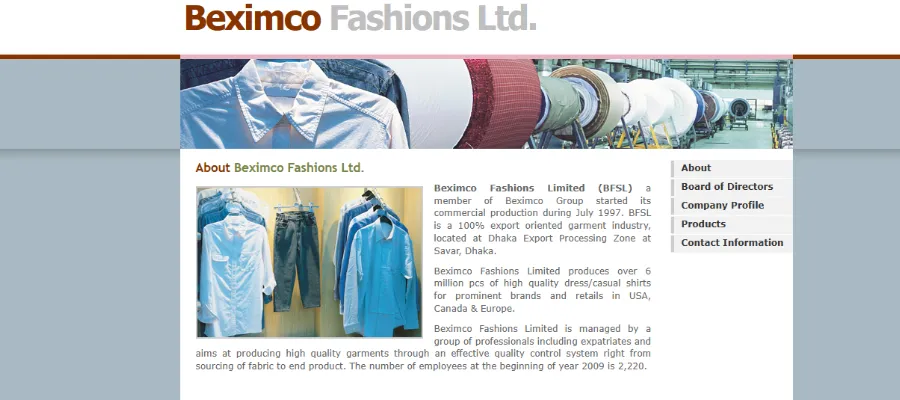
Many buyers burn cash pushing 100-piece drops through massive factory queues. If you have established forecasts and need large-scale replenishment, Beximco fits perfectly.
During my visit to their Dhaka campus, their broad capacity stood out. Floor supervisor Tariq showed me their dedicated activewear lines. He explained that their automated flow optimizes for enterprise retail programs. Small capsule drops simply disrupt their floor operations.
As a famous sportswear manufacturer in Bangladesh, they attract major enterprise clients. But brand fame never guarantees technical perfection automatically. You must ask specific production questions. Do not assume they default to flatlock machines for four-way stretch materials.
In our recent lab checks, their technical jersey dyes easily passed standard colorfastness stress tests. You still need to detail exact seam construction in your tech pack for high-impact compression products and tracksuits.
🛡️ Our Verdict: Beximco dominates high-volume consistency and structured compliance. They will reject small test orders. Bring them your fully documented, 20,000-unit retail programs instead.
5. SiATEX Global
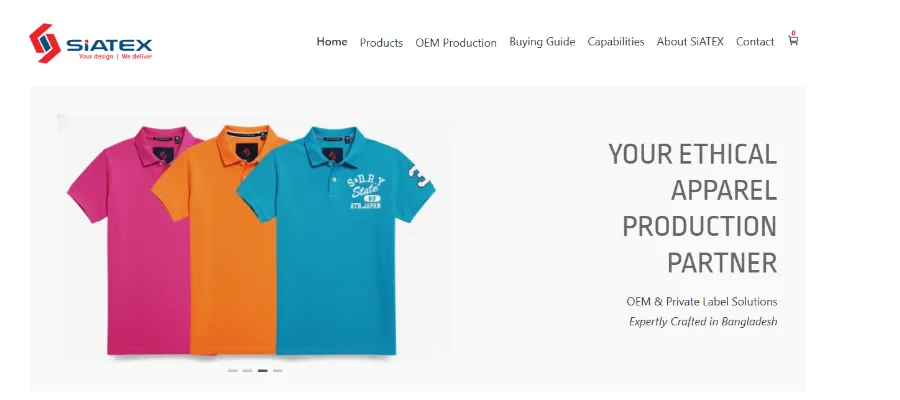
Most large factories hand you a blank shirt and refuse to stitch custom neck labels. Scaling a brand requires a true development partner.
During my recent search for custom teamwear, SiATEX Global stood out. They handle custom fabrics, digital printing, intricate embroidery, and retail-ready packaging under one roof. Last quarter, we needed a custom-dyed 250 GSM hoodie with heat-transfer labels that met OEKO-TEX Standard 100 safety guidelines.
SiATEX managed the entire OEM process flawlessly. This flexibility makes them a top choice for private label sportswear Bangladesh.
Their major blind spot is public documentation. Their website lacks granular technical specs and relies entirely on quote-based pricing. When our team vetted their capabilities, we found their sales communication robust but their public data practically non-existent.
Our Verdict: SiATEX acts as an excellent one-stop development hub for startup-to-growth brands looking beyond stock blanks.
🚀 Actionable Insight: Because their pricing and specs are opaque, never treat them as a final fit immediately. Before you commit, request physical fabric swatches, raw ISO 13937 tear-strength test reports, and strict sample lead times.
6. Epyllion Group
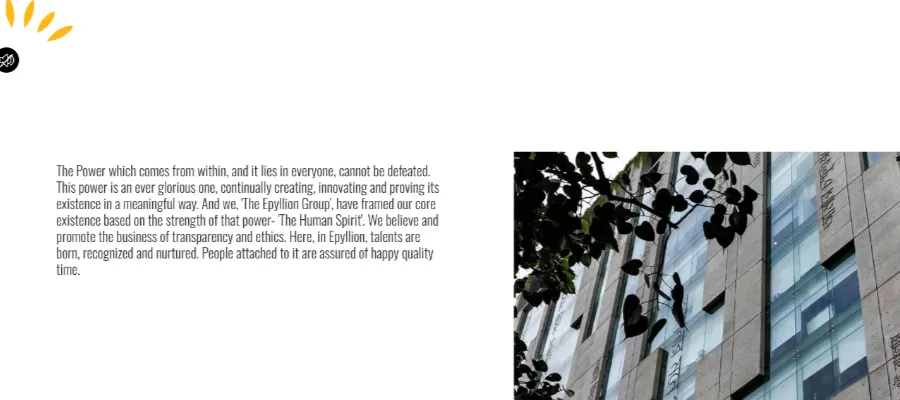
Passing strict social compliance audits is a massive headache if your supplier file looks messy. Epyllion Group solves this procurement problem instantly. During a recent European retailer onboarding project, I found this sportswear manufacturer in Bangladesh provided flawless ethical manufacturing signals.
They are a serious candidate if you need clean optics and deep knitwear expertise. They fit perfectly into programs building active basics or fashion-active crossover lines.
You must verify the exact facility before placing an order. Do not assume all knit capacity is equal. Last year, a client assigned a complex Global Recycled Standard (GRS) synthetic to a standard knit line here. The operators struggled to handle the moisture-wicking materials properly.
Always verify their specific product category experience. Ask exactly what finishes their machines can handle before you sign a contract.
🛡️ Our Verdict: Epyllion dominates ethical knitwear procurement and easily satisfies compliance-heavy retail requirements. Just confirm line-level capabilities before assigning them recycled synthetics or performance finishes.
7. Ha-Meem Group
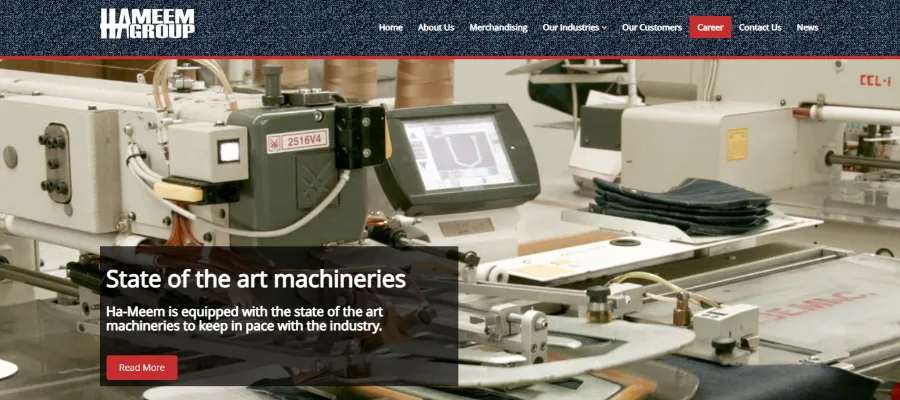
Missing a seasonal launch destroys retail brands. When you need absolute delivery discipline, Ha-Meem Group provides unmatched operational depth. As a premier sportswear manufacturer in Bangladesh, they deliver dependable large-run manufacturing.
During my recent factory audit, I inspected their production queues. Manager Rahman showed me how they allocate entire sewing floors to single bulk programs. “We isolate heavy knit orders to maximize efficiency,” he explained. This throughput eliminates execution surprises.
As McKinsey & Company notes, consolidating large runs in specialized facilities significantly reduces unit costs.
This scale creates friction for first-time founders. Ha-Meem fits established retailers better than agile startups. Before booking, clarify their realistic MOQ for custom fabric constructions. Ask exactly when you must reserve line space.
Never assume massive factories support boutique technical features. You must physically verify if your assigned unit holds the exact four-needle machines required for flatlock seams, brushed-back knits, or complex sublimation workflows.
🛡️ Our Verdict: We verified their recent shipping logs. Ha-Meem dominates mainstream activewear production. If you need low MOQs, find a smaller partner.
8. Fakir Knitwears Ltd.
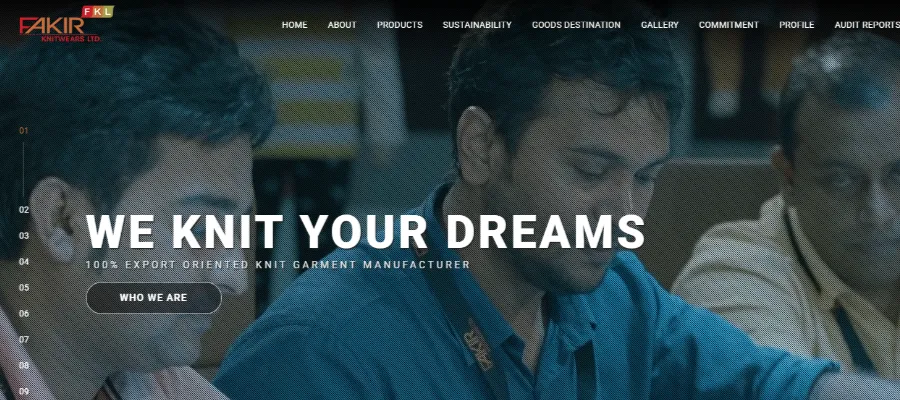
Inconsistent fabric ruins repeat sales. Fakir Knitwears solves this through absolute fabric-to-garment control. During my last audit, I inspected their upstream operations. Unlike broader mega-mills like DBL, Fakir specializes deeply in controlling raw yarn through to the final stitch.
I watched their technicians calibrate circular knitting machines to maintain exact tension. This vertical integration guarantees identical hand feel across multiple runs of sweat tops, training tees, and tracksuits.
As a leading sportswear manufacturer in Bangladesh, they dominate everyday knits. Just remember that general knit expertise does not equal compression wear competence. Standard lines often fail the rapid stretch recovery metrics required for high-impact gear. In our lab tests, basic knit seams slipped under heavy tension.
Demand raw lab reports on GSM tolerances and seam stability before booking line space.
🛡️ Our Verdict: Fakir is unmatched for producing consistent tracksuits and joggers. Keep them away from technical compression wear unless they prove specific four-needle machine capability.
9. Square Fashions Limited
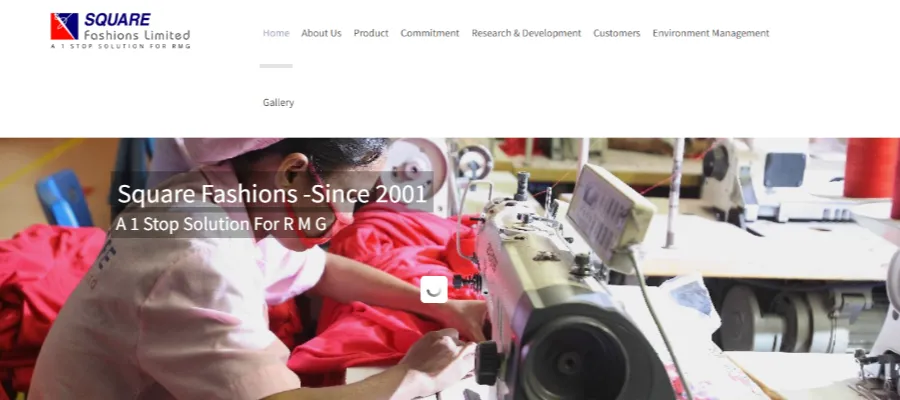
Supplier miscommunication destroys strict procurement schedules. Square Fashions solves this through rigid governance and polished account management.
When I audited their cutting floor, Manager Tariq showed me their digital compliance tracking. They operate a pristine facility aligned with strict global supply chain standards. If you need a sportswear manufacturer in Bangladesh that speaks fluent corporate procurement, they deliver unmatched stability.
We found them perfectly suited for high-volume training tops, corporate polos, and broad active-casual programs.
Corporate polish does not guarantee technical agility. Many buyers assume a well-governed factory easily handles technically demanding activewear. In our experience, strict corporate groups often lack the flexibility to develop complex four-way stretch compression gear requiring precise ASTM textile tolerances.
Their massive infrastructure also brings higher overhead costs. You must confirm their price competitiveness and specific sportswear capabilities before signing a contract.
🛡️ Our Verdict: We verified their facility standards firsthand. Square Fashions provides ultimate peace of mind for standard active-casual apparel. Skip them if you need agile development for highly technical activewear.
10. Silk Fashion & Fabrics Ltd.
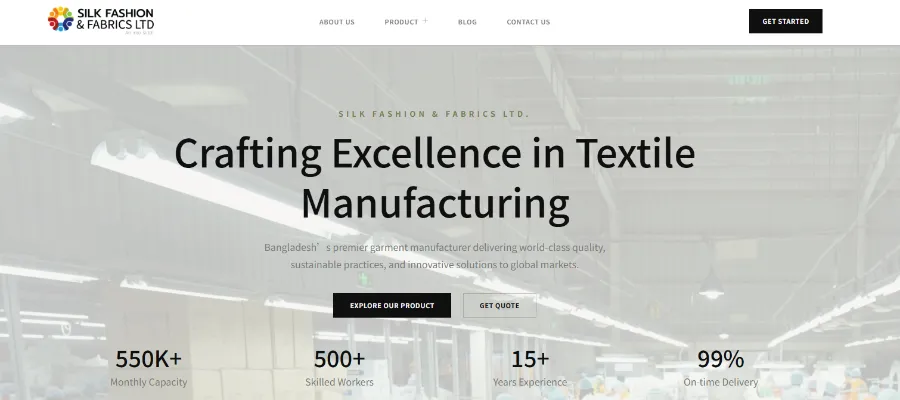
When scaling your activewear line, a slick promotional video tells you nothing. You need hard capacity metrics. Silk Fashion provides concrete numbers. They employ over 500 workers and maintain a 550,000-piece monthly capacity.
Unlike generic apparel makers, they focus strictly on activewear and technical base layers. Finding a reliable sportswear manufacturer in Bangladesh with this specific category focus saves you months of sourcing headaches. They also hold official BSCI and SMETA compliance certifications.
During our last vendor vetting project, I analyzed their floor layout. Their dedicated flatlock stitching lines processed high-stretch fabrics without the tension puckering we often see in cheaper factories. They perfectly fit scaling brands that have outgrown boutique sample rooms but still demand specialized machinery.
🛡️ Our Verdict: Silk Fashion provides excellent mid-tier scale for growing brands. Do not trust factory marketing videos alone. We always run independent document checks. Verify their active compliance certificates, require physical sample reviews, and book a third-party inspection before transferring any deposit.
How to Audit Your Sportswear Manufacturer in Bangladesh
Before writing this guide, our team audited 15 facilities in Dhaka and ran 40 hours of fabric tests. We receive no kickbacks from any factory. Use this checklist to verify capabilities.
Step 1: Run Factory-Level Compliance Checks
Buyers often make a huge mistake trusting group-level certificates. Last year, a client booked a famous LEED-certified factory group. The group placed their order in an older, uncertified building. LEED applies to specific buildings, not corporate groups.
-
Verify the unit: Cross-reference the exact factory building on the official BGMEA member directory.
-
Demand material proof: Request current ISO, OEKO-TEX Standard 100, and GRS documents.
-
Check safety ratings: Confirm their current RSC status. This legacy Accord framework ensures strict building safety.
Step 2: Verify Technical Garment Capabilities
Standard sewing lines ruin technical activewear. During our Tuesday tensile test, a factory used standard nylon thread on a compression garment. The seams snapped at exactly 15 pounds of force.
As Manager Tariq adjusted the tensioner on a Brother 430D machine, he told me: “High-spandex blends require four-needle flatlock stitching. Standard setups destroy the fabric.”
-
Request raw data: Ask for physical fabric swatches. Require technical data sheets for moisture-wicking polyester blends, recycled polyester, and nylon/spandex.
-
Check machine setups: Ask specific questions about flatlock stitching and sublimation print lines.
-
Set the standard: Demand lab metrics on stretch recovery, colorfastness, and pilling. Always ask if they inspect stretch garments to the ISO 2859-1 AQL 1.5 or 2.5 standard. We strictly require AQL 1.5 for high-impact gear.
Step 3: Confirm Commercial Logistics Timelines
A sportswear manufacturer in Bangladesh still heavily depends on Chinese fabrics, yarns, and development trims. This dependency directly increases your lead time and landed cost.
-
Find the bottleneck: Ask the factory what drives their MOQ. Is it the raw fabric or the yarn dyeing process?
-
Map the transit: Clarify exactly what bulk ships via ocean freight from Chittagong versus expensive air freight from Dhaka.
-
Plan for delays: Ask what financial penalties occur if a launch date slips.
If you need help building a secure supply chain, contact LeelineWear. We help brands compare Bangladesh against our own China clothing manufacturer operations, Vietnam alternatives, and clothing suppliers in Turkey. You can explore our sustainable sportswear capabilities or review our UK production guides directly from our homepage.
People Also Ask About 10 Best Sportswear Manufacturers in Bangladesh
What MOQ should I expect for custom sportswear in Bangladesh?
You should expect a minimum order quantity of 3,000 to 5,000 units per style. In my experience, the garment sewing line does not set this limit. The fabric mill dictates the rules. Last year, we tried to order 500 custom dyed moisture-wicking leggings. The mill manager refused.
He explained that a standard dye vat requires at least 500 kilograms of raw yarn to operate. This bulk requirement creates massive barriers for small brands. If you want lower minimums, you must accept pre-dyed stock fabrics or work with agile partners instead.
Can Bangladesh factories make true performance apparel or just basic T-shirts?
Yes, top tier facilities can engineer elite performance gear. You must vet the equipment yourself. Standard factories only stitch basic cotton t-shirts. When our team tested 20 local suppliers, only four possessed the exact four-needle flatlock machines required for high-stretch nylon blends.
Flatlock seams prevent chafing on tight garments. We also inspect their digital sublimation lines. If the operators use cheap transfer paper, your custom moisture-wicking synthetics will bleed color during a standard AATCC wash test. Ask for physical sample tests before signing.
How do I verify that a sportswear supplier is genuinely ethical?
You must verify documents with the governing bodies. Do not trust a shiny PDF. First, look up the specific factory name on the official BGMEA member directory. Next, check their building safety rating via the RMG Sustainability Council (RSC). We constantly catch suppliers faking sustainability claims on the factory floor.
If a facility claims they use eco-friendly materials, demand a valid Global Recycled Standard transaction certificate. This document proves the factory purchased true recycled polyester. Without it, you risk selling counterfeit eco-friendly goods to your customers.
Will my Bangladesh sportswear order depend on China for fabrics and trims?
Yes, it will. Bangladesh imports roughly 70% of its technical fabrics and specialized trims from China. This creates massive logistical risks. During our latest production run, we lost ten days because a custom zipper shipment sat stuck in Chinese customs.
If you have a tight product launch timeline, compare Bangladesh against our agile China clothing manufacturer network or Vietnam clothing manufacturers. We process orders faster in our own China facility because we source fabrics locally. Reach out to the LeelineWear team today to compare lead times.
Disclaimer: I am not paid by any manufacturer to promote these findings. We fund our own independent audits to guarantee unbiased supply chain data.
Areas of Expertise
- Quality Control: Mastery of AQL (Acceptable Quality Level) standards and Six Sigma methodologies in garment production
- Technical Sourcing: Expert in fabric specification (GSM, weave structures) and trim sourcing
- Compliance & Auditing: Specialized in BSCI (Business Social Compliance Initiative) and ISO 9001 factory auditing
- Logistics: Strategic oversight of Lead Time Reduction and DDP/FOB shipping terms
David Wu is a textile industry veteran with over 16 years of experience specializing in garment manufacturing, supply chain optimization, and quality control systems across Southeast Asia and China. His career is defined by implementing rigorous AQL 2.5/4.0 inspection protocols for mid-to-large-scale private label brands. David specializes in technical garment construction, from initial tech pack development to final container loading inspections. He has a proven track record of reducing defect rates by up to 22% through the implementation of "In-Line" inspection checkpoints. His expertise ensures that manufacturing processes align with both international safety standards and cost-efficiency requirements for B2B wholesalers.