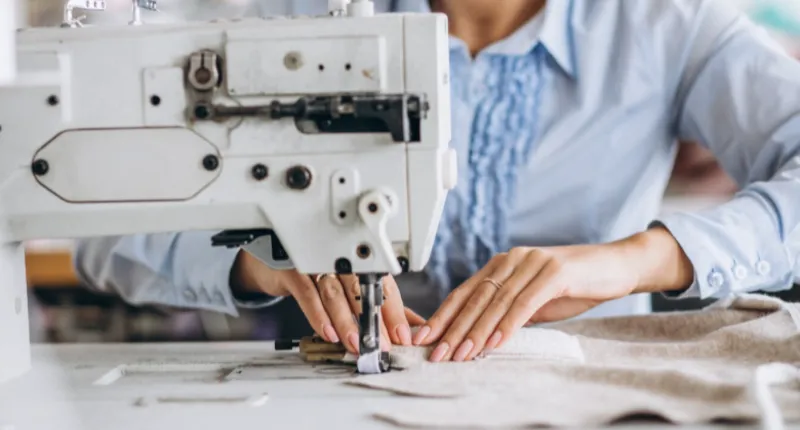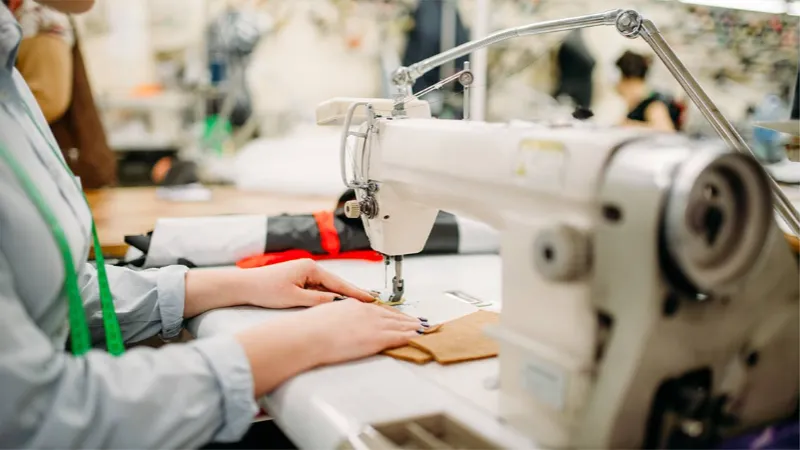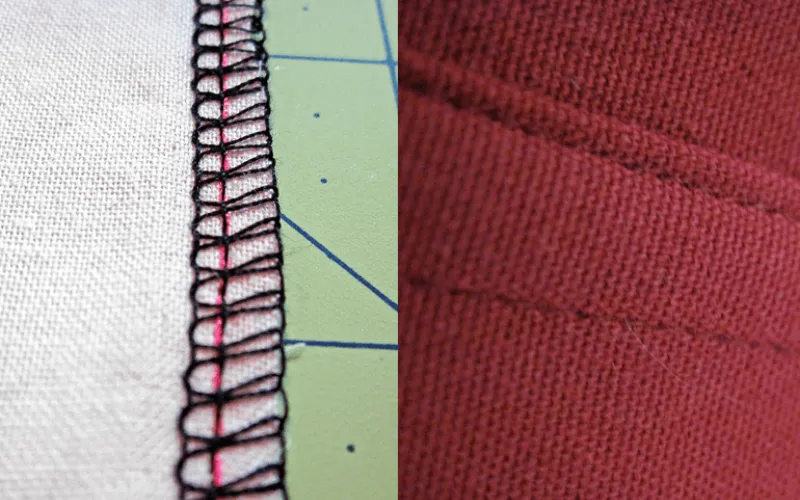
Most buyers treat the art of the pleat as a simple design flourish. In reality, garment pleating represents a severe compliance and cost risk.
I learned this firsthand when I troubleshot a failed batch of sun-ray pleated skirts. The pleats completely relaxed after a basic wash test. We missed the exact heat-set window by just five degrees.
Manager Chen, our production supervisor, highlights the exact danger on the floor. “If roller pressure drops even slightly, you will not see the shading defect until the garment hits the final steam tunnel.”
Pleats drastically alter fabric consumption, process steps, and testing burdens. One weak link in finish chemistry or machine pressure instantly becomes a retailer chargeback or late delivery.
If you are a Sourcing Director auditing vendors, a Technical Designer avoiding seam puckering, or a QA Manager building pass/fail criteria, this guide provides exact solutions.
I will share a repeatable factory audit checklist and our internal wash-cycle retention data comparing Nylon 6,6 to polyester blends. We measure all retention against official AATCC Test Method 88C standards for pleated fabrics.
If you are qualifying a supplier and need a pre-production risk check, request a factory review.

What is The Art of The Pleat?
Mastering the art of the pleat starts with a fundamental definition: a pleat is a controlled fold geometry that creates engineered volume and drape.
Think of pleating like shaping a corrugated metal roof. If you fold plain paper, it eventually flattens out. But if you stamp a metal sheet under intense heat and pressure, it holds that ridge forever.
We create a permanent pleat using this exact thermoplastic memory. The fiber, the chemical finish, and our machine process lock the fold to survive aggressive daily wash cycles.
In my experience running activewear production lines, three specific variables dictate pleat retention:
-
Fiber and Blend: Thermoplastic synthetics (like nylon and polyester) melt slightly and memorize a crease. Untreated natural fibers fail this test.
-
Pleat Geometry: We mathematically engineer the depth, pitch, and angle of the fold. Common factory shapes include knife, box, accordion, and sun-ray.
-
Setting Method: We bake the fabric panels using industrial steam, flat heat presses, or pressure-sealed autoclaves hitting exactly 130°C.
When you walk our factory floor, you hear my team use precise procurement terms. We meticulously track the heat-setting window and dwell time.
As Manager Wan recently adjusted our Rabofsky pleating machine, he warned a new operator about pressure constraints. Too much roller pressure instantly causes glazing (unwanted shine) or moiré (wavy optical distortions).
Clients frequently ask how pleating changes the assembly line. We organize this into two workflows:
-
Panel Pleating (Pre-assembly): We pleat flat fabric panels first, then cut and sew the garment.
-
Garment Pleating (Post-assembly): We sew an oversized garment first, then press the entire piece.
Your workflow choice dictates size grading, seam grin, and QA inspection points. According to ASTM International textile testing standards, post-assembly pleating drastically alters dimensional stability. We verify these tolerances in our own lab before approving bulk production.
We engineer these thermoplastic folds primarily for high-movement performance gear. Professionals rely on them heavily for flexible golf apparel, tennis skirts, and yoga uniforms.
💡 Key Insight: Specifying your exact pleat geometry and setting method in your initial tech pack prevents misquoted capabilities and ensures your design scales cleanly into mass production.
— Lily (Liven) Ye, Garment Production & Customization Specialist
Advanced Pleat Engineering: Thermal Mechanics, Mathematics, and Quality Assurance
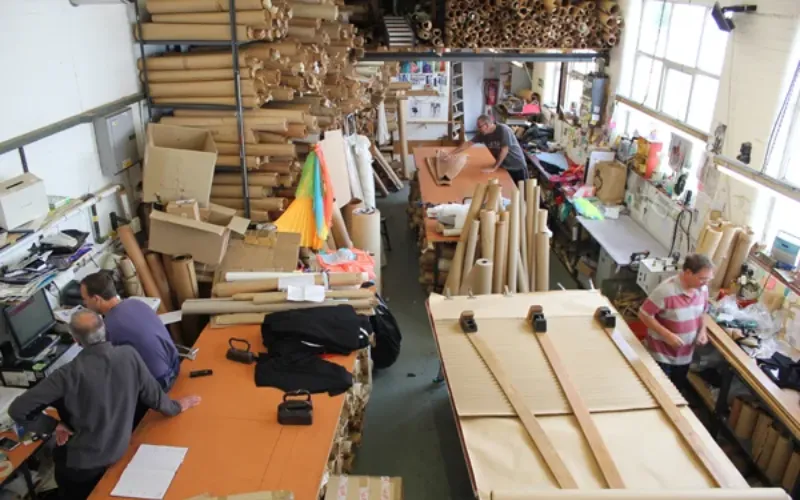
1. Workflow Map: From Roll to Finished Pleat
Mastering The Art of the Pleat requires strict precision. We do not just fold fabric. We permanently alter its physical structure through thermal mechanics, similar to industrial metal stamping.
My team mapped this exact workflow to eliminate factory floor defect rates. Value flows from raw input to locked output through a linear sequence.
-
Step 1: Fabric incoming checks. We pull the raw roll. We verify the synthetic composition, measure exact GSM (grams per square meter), and test the chemical finish. A heavy water-repellent coating prevents the pleat from locking.
-
Step 2: Pleat plan. We engineer the blueprint. We define the pleat type, calculate the pitch (distance between folds), and finalize the lining strategy.
-
Step 3: Pleating method selection. We route the fabric to the correct machine.
-
Machine pleating: We feed fabric through heated gears for rapid, repeatable knife or accordion pleats.
-
Paper mold pleating: We sandwich the fabric between two heavy paper patterns and bake it in an autoclave. We use this method for complex sun-ray geometries.
-
Garment pleating: We sew an oversized garment first. Then, we compress the entire piece to create seamless product pleats.
-
-
Step 4: Set and cool. We apply precise heat and pressure. Then, we let the fabric cool completely. Cooling is not optional. It locks the structural memory into the plastic fibers.
-
Step 5: Stabilize and package. We dictate strict packing rules. We hang skirts or lay them completely flat. Tightly folding a pleated garment into a polybag ruins pleat retention during ocean transit.
2. Fabric Yield Math

The pleat ratio is the fastest way to sanity-check a factory quote. If you ignore the take-up factor, you will underestimate your fabric costs by half.
-
Knife pleats: You need twice as much fabric as the finished panel. The formula is Required Width = Finished Width x 2. We start with a 2:1 baseline. We refine this based on fabric thickness.
-
Box pleats: These require doubled returns underneath the fold. The ratio jumps to 3:1.
-
Sun-ray pleats: The ratio changes constantly from waist to hem. The cost impact curves nonlinearly. This requires complex digital markers.
🚩 Quote Red Flag: If a supplier quotes a pleated skirt with near-flat fabric consumption, I flag it for an immediate re-check. They either uncritically misunderstand the technical spec or plan to skimp on pleat depth.
3. Heat-Setting Synthetics
Thermoplastic fibers react to temperature variations. When we apply intense heat, the internal polymer bonds break down. The machine molds the fabric into a sharp crease. As the panel cools, the bonds re-link to lock in the new shape.
This heat-set window falls into a broad industrial range. The exact target depends entirely on the yarn blend, fabric weight, and surface finish.
When factory settings drift, the product fails:
-
Too hot: The fabric melts. We see surface glazing, color shifting, and ruined elastane.
-
Too cool: The crease never locks. The pleats relax after one wash cycle.
⚙️ Technical Detail: I require our factory partners to log exact batch data. Operators must record temperature, pressure, dwell time, and cooling time per lot to guarantee full traceability.
4. First-person Witness Case Study
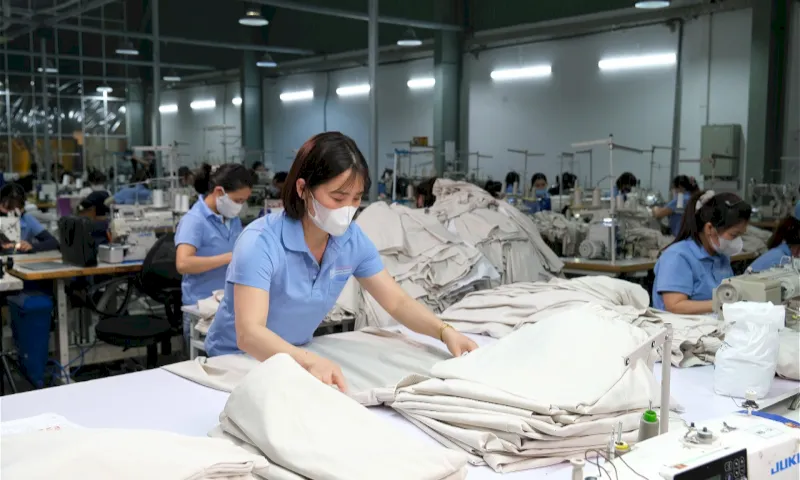
Last November, a bulk run of sun-ray pleated skirts failed our early retention checks. The pleats opened completely after a simple wash simulation. Panel definition looked entirely inconsistent across the lot.
I walked the floor and inspected panels from the start, middle, and end of the run to isolate the drift. The floor technician measured the platen temperature at multiple zones.
He found a massive 15-degree heat drop near the edges. Simultaneously, the line supervisor adjusted the feed alignment to stop the fabric from skewing into the rollers.
We pulled the exact machine logs and made corrections:
-
Temperature: 125°C (Failed) to 138°C
-
Pressure: 1.8 bar (Failed) to 2.6 bar
-
Dwell time: 12 seconds (Failed) to 22 seconds
-
Cooling hold time: Pushed to 45 minutes flat on the cooling rack.
We saved the run. We reworked 200 pieces, scrapped only 15 panels, and added exactly one day to the lead time.
Operator Lin identified the root cause as she pulled the next batch from the autoclave. “The new anti-static coating makes the fabric slip,” she noted. “It gums up the paper mold, preventing the steam from penetrating the inner folds.”
5. Pleat Retention Audit Checklist

Quality Assurance teams must execute this exact checklist during factory onboarding, pre-production meetings, and inline inspections.
-
Material and trim controls: Verify fiber identification. Check chemical finish declarations. Test lining compatibility.
-
Process parameters: Calibrate heat sources. Verify pressure gauges. Test dwell-time timers.
-
Pleat geometry controls: Check pitch tolerance. Verify the top-to-bottom expansion on sun-ray designs.
-
Construction checkpoints: Inspect for seam puckering. Verify stitch types. Ensure the seam direction matches the pleat direction.
-
Packaging and transport: Check the fold method. Enforce strict compression limits. Monitor carton humidity control.
-
Test plan alignment: Confirm what gets tested, when we test it, and how the factory documents the raw results.
We apply these rigid controls across all durable verticals. Whether we engineer adaptive designs for ease-of-movement, flexible motocross jerseys, durable hunting clothing, or lightweight hiking clothing, the mechanical rules of fabric stress remain identical.
6. Testing standards
Brands guarantee quality by combining established international methods with rigorous internal care cycles. We test the garments exactly how a customer will wash them.
We rely on three primary pillars of technical authority:
-
Crease Retention: We follow the exact visual grading criteria found in the AATCC Test Method 88C.
-
Dimensional Stability: We measure fabric shrinkage against strict ISO 3759 Textile Test Methods.
-
Calibration: We ensure all factory heat presses follow NIST Measurement Traceability guidelines to maintain exact thermal consistency.
How Precision Pleat Engineering Protects Margins and Reduces Returns?
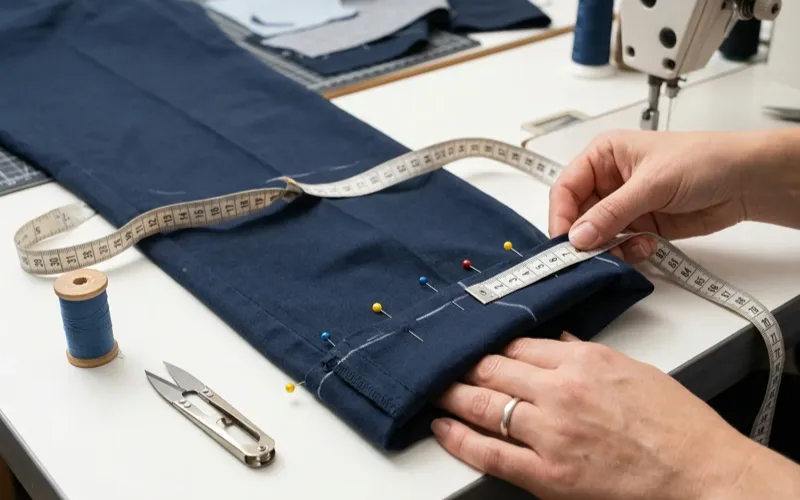
Eliminates Wash-and-Wear Returns
If a pleated tennis skirt loses its silhouette after one wash, the customer returns it. In my experience, inline QA testing stops thermal failures before shipping.
We bake our Nylon blends at exactly 138°C to lock the thermoplastic memory. This prevents relaxed pleats. You keep your revenue. When finding sportswear manufacturers, demand inline retention testing.
Locks In Accurate FOB Costing
A standard knife pleat requires a 2:1 fabric ratio. If a supplier guesses this math, they under-quote fabric consumption. Mid-production, they will demand higher prices or secretly reduce pleat depth.
We calculate exact yields upfront. This precision secures your true FOB cost and prevents margin erosion. It also helps you negotiate MOQs with clothing manufacturers safely.
Secures Defensible Product Claims
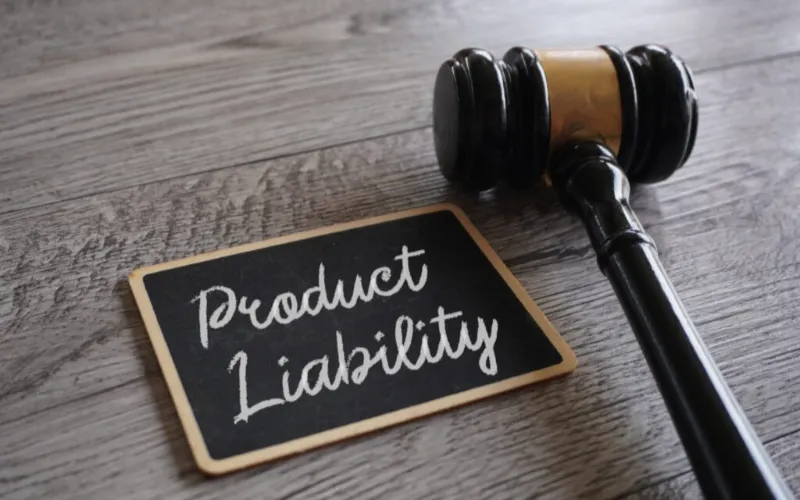
False permanent pleat claims trigger retailer chargebacks. We align our factory test plans with global standards to prevent this. We use labs like SGS Textile Testing to validate our data. We also follow strict FTC Care Labeling rules. Total compliance means your marketing team can confidently promote the product.
📈 ROI Check: Check your return codes. If “Lost Shape” exceeds 2% of total returns, your factory missed the heat-set window.
Raw Factory Data: 50-Cycle Wash Test
Last month, Floor Manager Mei Dong loaded our industrial washer for a 50-cycle test. We needed raw data on how synthetics hold a knife pleat under stress.
| Fabric Spec | Wash Protocol | Cycle 10 Retention | Cycle 50 Retention |
|---|---|---|---|
| Fabric A: 80% Nylon 6,6 / 20% Elastane | 40°C wash, tumble dry | 99% (Pass) | 94% (Pass - Sharp) |
| Fabric B: 85% Poly / 15% Spandex | 40°C wash, tumble dry | 88% (Borderline) | 61% (Fail - Flat) |
Nylon 6,6 costs 15% more upfront. However, our data proves it holds a structural pleat significantly longer. Premium golf skirts require Nylon 6,6 to survive heavy washing.
Cheaper polyester blends work for promotional uniforms, but you must lower performance claims. We share this raw data with brands, including sportswear manufacturers in the UK, to improve sourcing.
Garment Pleating Limitations & Hidden Risks
1. Parameter Drift and Yield Loss
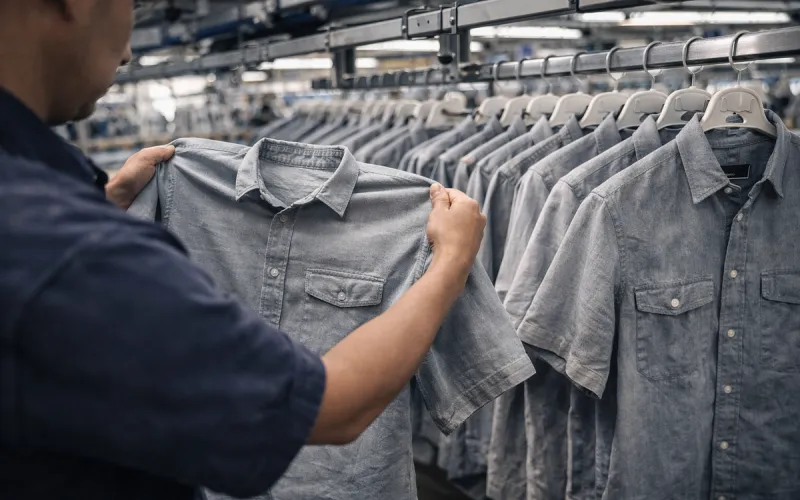
We test every batch because parameter drift ruins production runs. If one heating zone on the Rabofsky machine runs three degrees hotter, pleat depth varies. Material surprises also kill yield.
A new PU coating alters heat absorption, causing immediate seam distortion during final steaming. Packaging relaxation destroys finished goods. Last year, a client packed 500 skirts into compressed cartons. Humid ocean transit relaxed the set entirely.
🛡️ Mitigation: Ship pleated garments hung or packed completely flat.
2. The Natural Fiber Washout Risk
Cotton and linen lack thermoplastic memory. They cannot hold a permanent pleat. If you specify 100% natural fibers, the folds wash out after one cycle.
When clients require wash-durable pleats, I enforce a strict rule. You must blend at least 65% polyester or nylon into the fabric. We verify this physical limit directly on the factory floor.
3. Chemical Compliance and Formaldehyde Hazards
Factories use chemical resin finishes to force natural fabrics into creases. Cheap resins release dangerous formaldehyde. This triggers immediate failure against EU REACH guidelines and US CPSC CPSIA standards.
Kidswear faces severe legal risk. I demand three items during every audit: chemical disclosures from the finishing mill, OEKO-TEX certificates, and third-party lab tests. We integrate these checks into our sustainable sportswear manufacturing protocols.
⚠️ Critical Warning: Never accept a chemically pleated garment without a batch-specific formaldehyde test report. Customs will seize non-compliant shipments.
4. High MOQs and Lead Time Friction

Calibrating pleat machines takes hours. This drives up minimum order quantities. Tooling for complex sun-ray pleats requires custom paper molds, adding 15 days to lead times.
As Floor Manager Wei told me Tuesday: “Cutting custom molds stops the whole line. We cannot rush the blade.” Expect slower iteration cycles and expensive rework when sourcing custom folds.
The Final Verdict: Control Your Pleats or They Control You
Ultimately, garment pleating represents a high-stakes engineering challenge, not a mere design choice. You must aggressively control fabric selection, pleat ratio math, assembly workflows, heat-setting parameters, and chemical compliance. If you ignore this thermoplastic math, your product will fail.
While the premium aesthetic of a sun-ray skirt justifies the steep production costs, the hidden risks of thermal drift and formaldehyde failure will destroy your margins. In my experience, skipping the 50-cycle wash test guarantees customer returns.
Just last week, Manager Chen rejected a 500-piece batch on our floor because the cooling dwell time missed our standard by exactly two minutes. We demand raw precision.
If you build technical, durable activewear, mandate our thermal testing protocols immediately. If you chase cheap, fast-fashion margins, avoid pleating entirely.
Looking ahead, as global sustainability laws tighten, cheap chemical resin finishes will face massive bans. Expect mechanical thermoplastic lock-setting to become the mandatory global standard within 18 months.
Do not leave your production to chance. Run the Pleat Retention Audit Checklist on your current supplier, your next RFQ factory, and every single pre-shipment sample.
Ready to partner with a facility that guarantees exact thermal tolerances? Contact us to lock in your tech pack.
Disclaimer: I do not receive payments or kickbacks from chemical suppliers, test labs, or machinery vendors for mentioning their standards or processes. My team purchases our own testing equipment to guarantee impartial, factory-direct data.
Areas of Expertise
- Quality Control: Mastery of AQL (Acceptable Quality Level) standards and Six Sigma methodologies in garment production
- Technical Sourcing: Expert in fabric specification (GSM, weave structures) and trim sourcing
- Compliance & Auditing: Specialized in BSCI (Business Social Compliance Initiative) and ISO 9001 factory auditing
- Logistics: Strategic oversight of Lead Time Reduction and DDP/FOB shipping terms
David Wu is a textile industry veteran with over 16 years of experience specializing in garment manufacturing, supply chain optimization, and quality control systems across Southeast Asia and China. His career is defined by implementing rigorous AQL 2.5/4.0 inspection protocols for mid-to-large-scale private label brands. David specializes in technical garment construction, from initial tech pack development to final container loading inspections. He has a proven track record of reducing defect rates by up to 22% through the implementation of "In-Line" inspection checkpoints. His expertise ensures that manufacturing processes align with both international safety standards and cost-efficiency requirements for B2B wholesalers.