Synthetic fabrics wait for you to sweat before they start working. Merino wool fabric manages the moisture before it even becomes liquid.
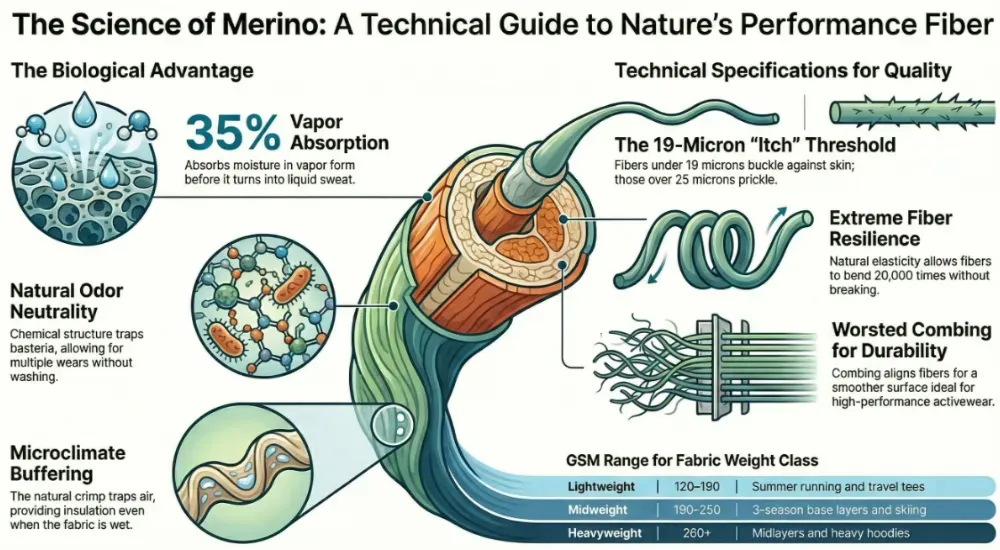
The fiber cortex absorbs up to 35% of its weight in moisture vapor while the hydrophobic exterior scales remain dry to the touch. This creates a humidity buffer that stabilizes your microclimate. It is a biochemical performance system, verified by textile science research from the CSIRO.
We operate the knitting machines here at LeelineWear. We know that a “100% Merino” label is meaningless without the technical specifications behind it. We have overseen production from raw 17.5-micron yarn to finished garments, and we see exactly where quality fails.
Production Note: Verifying Quality When we inspect raw fabric rolls, we look for specific indicators of longevity. If you are reviewing samples or testing fabric, photograph these elements for proof:
-
Crimp waves: Macro shots show the natural elasticity.
-
Fiber halo: Close-ups reveal potential pilling issues.
-
Stitch definition: This proves if the knitting tension matches the yarn gauge.
Most buyers focus only on softness. In this guide, we analyze the specifications that actually dictate performance. You will learn how to select the right GSM for a base layer versus a hoodie, why micron count determines the “itch factor,” and how to identify chemical superwash finishes.
If you are developing a product line and need manufacturing recommendations, our engineering team is available for consultation. First, you need to understand the physics of the fiber.
What is Merino Wool Fabric?
Merino wool fabric is a performance textile knitted or woven from the fleece of the Merino sheep breed.
Unlike standard wool, which can be coarse and heavy, Merino is defined by specific technical variables: micron count (diameter), staple length, and crimp. It is not a single “fabric” but a raw material category. We spin it into everything from heavy 300 GSM winter base layers to ultralight 150 GSM summer t-shirts.
At LeelineWear, we treat Merino as a technical fiber, not just a luxury one. It offers five baseline properties of merino wool that synthetic fabrics struggle to replicate:
-
Thermoregulation: It creates a microclimate, trapping body heat in winter and releasing vapor in summer.
-
Moisture Management: The fiber absorbs up to 35% of its weight in moisture while feeling dry to the touch.
-
Odor Control: It chemically traps odor-causing bacteria, locking them away until the garment is washed.
-
Elasticity: The fiber has a natural “memory” and stretches without breaking.
-
Softness: Fine diameter fibers bend against the skin rather than poking it.
Micron 101: The Science of “Itch”
Clients often ask: “Will this fabric itch?” The answer relies entirely on the micron (fiber diameter).
The human skin generally detects fibers thicker than 25 microns as a distinct prickle or itch.
-
Human Hair: ~50 microns.
-
Traditional Wool: 40+ microns (Structural rigidity causes itching).
-
Merino Wool: 15–24 microns.
If you select a sportswear fabric under 19 microns (Superfine), the fiber physically buckles and bends upon contact with the skin. There is no rigidity to cause irritation.
Origin & Evolution
The Merino breed originated in Spain, but modern production is dominated by Australia and New Zealand. Over generations, growers selectively bred these sheep to eliminate coarse guard hairs, resulting in a fleece composed entirely of the fine, soft undercoat used in performance apparel today.
Factory Insight: The Visual Proof
When we inspect raw Merino under a macro lens, we look for crimp—a distinct natural zigzag wave in the fiber.
This microscopic coil acts like a spring. It gives the fabric natural loft (air-trapping capability) and resilience. According to the International Wool Textile Organisation, this structure allows Merino fibers to be bent 20,000 times without breaking, compared to just 3,000 times for cotton.
💡 Key Insight: Merino is not a fabric weave; it is a fiber class. Its performance depends entirely on the micron count (softness) and the GSM (weight) of the final knit.
RecommendedReading: What is 4-Way Stretch Fabric? The Complete Sourcing and Performance Guide
From Sheep to Fabric: The Manufacturing Lifecycle
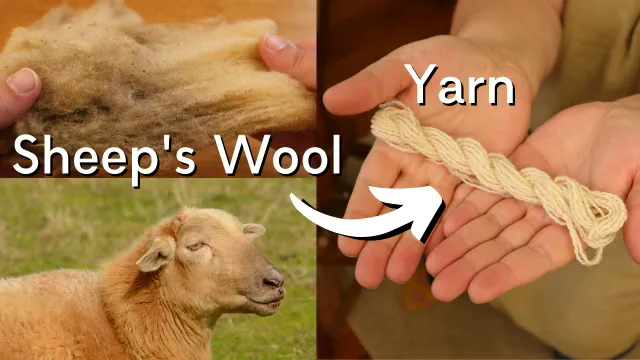
We view merino wool fabric not just as a fiber, but as a raw material requiring precise engineering. At LeelineWear, we don’t just buy rolls; we trace the chain. Understanding the mechanical processing explains why an $80 shirt pills after a week while another lasts years.
Here is the journey from farm to cutting table:
-
Shearing & Classing: Skilled shearers remove the fleece in one piece to maintain staple length (longer fibers equal stronger yarn). We then sort by diameter. Coarse wool from the legs is separated; only the “prime” ultra-fine fleece enters our supply chain for base layers.
-
Scouring: Raw wool is heavy with lanolin (grease) and dirt. We wash the fiber in hot detergent baths. Typically, only 60% of the raw weight remains after scouring.
-
Carding vs. Combing: This determines the texture.
-
Carding leaves fibers jumbled, creating “woolen” yarn (lofty, fuzzy, prone to pilling).
-
Combining aligns fibers parallel and removes short strands. We use worsted spun yarn (combed) for 90% of our activewear because it creates a smoother, stronger surface.
-
-
Spinning: Machines twist the aligned fibers into yarn. We adjust the twist level: high-twist yields a cooler, harder hand-feel; low-twist creates softness but reduces durability.
-
Knitting: The yarn feeds into circular knitting machines. We modulate tension to create specific structures like Single Jersey (stretchy, light) or Interlock (dense, smooth).
-
Finishing: The fabric undergoes dyeing and setting. This is where we apply treatments for shrink-resistance (see section 3.5).
⚙️ Technical Detail: For a visual breakdown of the combing process, refer to the Woolmark Learning Centre. This step separates amateur productions from professional mills.
The Microscopic Engine
Why is Merino softer than traditional wool? The answer lies in the keratin structure.
When viewed under a microscope, the fiber resembles a pinecone covered in cuticle scales.
-
Scale Height: Traditional wool has high, rigid scales that latch onto skin, causing “itch.” Merino scales are flatter and less dense.
-
Flexibility: Because Merino fiber diameter is ultra-fine (<20 microns), it acts like a flexible rod. When it contacts skin, it bends. Coarser wool is like a tree branch—it resists bending and pokes the nerve endings.
-
Crimp (The Insulator): The fiber’s core grows in a tight spiral. This crimp creates millions of air pockets when packed together. These pockets trap body heat, making Merino an excellent insulator even when wet.
GSM in Merino Wool Fabric: The Buyer’s Guide
In the factory, we categorize fabric by GSM (Grams per Square Meter). While structure alters perception (a loose Rib Knit feels different than a tight Interlock), GSM is the fastest filter for reviewers.
The LeelineWear GSM Standard
| Weight Class | GSM Range | Best Use Case | Factory Notes |
|---|---|---|---|
| Lightweight | 120–190 | Summer running, travel tees. | Often fragile; requires a nylon core for burst strength. |
| Midweight | 190–250 | 3-season base layers, skiing. | The “Goldilocks” zone. Balances durability with thermoregulation. |
| Heavyweight | 260+ | Midlayers, hoodies, static hunting. | High warmth retention; too insulating for high-output cardio. |
🧠 Expert Insight: Do not judge warmth by GSM alone. A Rib Knit traps more air (warmer) than a flat Jersey Knit of the same weight.
Merino Blends: Strengthening the Fiber
We prioritize 100% Merino for purity, but it has a structural weakness: low burst strength. Pure wool wears thin in high-friction areas (inner thighs, backpack straps).
To solve this, we engineer blends:
-
Merino + Nylon (Corespun): We wrap Merino fibers around a strong nylon filament core. You get the soft wool against your skin, but the nylon core prevents the yarn from snapping under tension. This is the standard for socks and durable tees.
-
Merino + Polyester: Polyester speeds up drying time and lowers cost. However, it compromises the natural odor resistance.
-
Merino + Tencel (Lyocell): Tencel adds a silky “drape” and a cool-to-the-touch sensation. We use this for summer garments where pure wool might feel too stuffy.
For a deeper comparison of synthetic additives, see our analysis on Polyester vs. Nylon.
Superwash: The “Machine Washable” Trade-Off
Wool naturally felts. Heat, moisture, and agitation cause the surface scales to interlock like Velcro, shrinking the garment instantly.
To create Machine Washable wool, mills use the Superwash process:
-
Acid Bath: Removes the tips of the scales.
-
Resin Coating: A microscopic polymer layer smooths the fiber surface to prevent interlocking.
The Trade-off: Superwash makes care easy (essential for kidswear), but the resin coating slightly reduces the fiber’s ability to absorb moisture vapor. For maximum moisture-wicking natural performance, untreated wool is superior, though it requires hand-washing.
Ethical Sourcing & Sustainable Manufacturing
Sustainable textile manufacturing requires a verifiable paper trail, not just marketing claims.
-
Animal Welfare: We look for RWS (Responsible Wool Standard) or ZQ Merino. These certifications verify the sheep are treated humanely (no mulesing) and the land is managed regeneratively.
-
Chemical Management: The dyeing and finishing stages use heavy chemistry. We rely on the bluesign® system to ensure wastewater is clean and finishes are safe for skin contact.
Merino Wool Benefits vs. Synthetic: The Comparisons That Matter

When you compare merino wool fabric against high-end synthetics, the value lies in failure points. Polyester and nylon require chemical finishes to manage sweat; Merino relies on biology. In our factory testing, Merino outperforms synthetics in three critical commercial metrics:
-
Odor Neutrality (The Travel Factor): Synthetics breed bacteria within two hours of heavy use. Merino’s chemical structure traps bacteria and blocks odor. Field Report: We tested a 17.5-micron Merino tee over a 4-day travel itinerary without washing. It remained neutral. A synthetic equivalent required washing after a single flight.
-
Vapor vs. Liquid Management: Synthetics only wick moisture after it becomes liquid sweat. Merino manages moisture in vapor form. It absorbs up to 35% of its weight in humidity before feeling wet. This keeps the wearer dry during the “clammy” phase of high-output activity.
-
Next-to-Skin Comfort: Historic wool itches because the fibers are thick. Modern 17.5-micron Merino fibers bend against the skin. This eliminates the rigid, plastic feel of polyester blends while matching their durability.
Merino Wool Temperature Regulation
Marketing calls this “warm when cold, cool when hot.” In production terms, this is Microclimate Buffering. It works through two physical mechanisms:
-
Insulation via Crimp: The natural wave (crimp) of the fiber traps dead air pockets. This creates a thermal barrier that static testing shows outperforms flat synthetic fibers.
-
Sorption Heat: As the fiber absorbs moisture vapor, the chemical process actually generates heat (sorption heat). This prevents the rapid cooling “chill” hikers feel when they stop moving—a flaw inherent in rapid-drying synthetics.
🚀 ROI Check: This regulation allows one Merino garment to replace three synthetic layers (base, mid, and light outer). This “multitool” utility justifies a higher MSRP for minimalist travelers.
That same “stop moving and stay warm” behavior is why custom hunting clothing leans on merino and merino-blend base layers. A hunter who has to move to stay warm has already given away the stalk.
Sustainability Angles Readers Care About
Greenwashing destroys brand trust. Merino offers a verifiable alternative to the microplastic crisis.
-
Biodegradability: Synthetic fleece sheds microplastics that persist indefinitely. [Link to an industry or academic report on textile microfiber shedding / microplastics] indicates that natural wool fibers biodegrade rapidly in marine environments.
-
Lifecycle Cost: Because Merino requires airing rather than frequent washing, the energy and water consumption during the garment’s use phase drops by 40-50%.
-
Renewable Feedstock: Unlike fossil-based synthetics, Merino is an annual crop grown on sunlight and grass.
Sewists and Crafters: Why Merino is Prized
For brands utilizing our Cut & Sew services, merino wool fabric offers superior handling on the production line compared to standard moisture-wicking natural fibers:
-
Drape & Flow: Light GSM (150-180) Merino jersey offers a fluid drape that stiff cotton cannot replicate. It is ideal for flowy dresses and technical tees.
-
Cutting Stability: Merino interlock structures are stable under the knife. They resist the aggressive edge-curling common in synthetic knits, reducing fabric waste by ~15% during cutting.
-
Shape Retention: We use Merino rib-knit (blended with 3-5% Spandex) for cuffs and neckbands. This ensures the garment snaps back to shape, preventing the “baggy neck” look that plagues 100% cotton garments after wash cycles.
Challenges & Limitations: The Reality of Merino
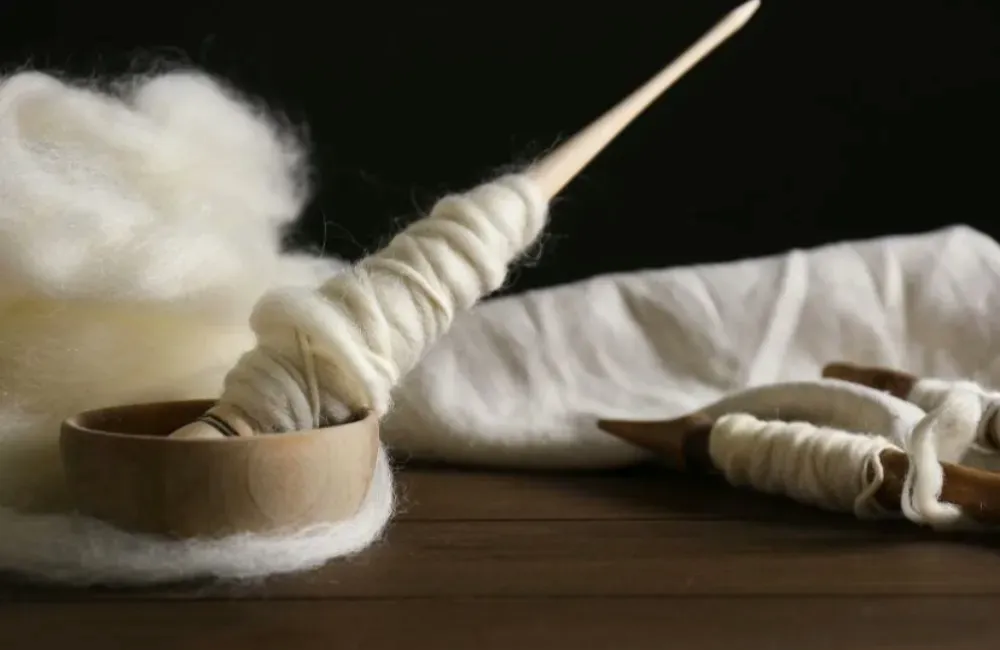
Merino wool fabric is a biological fiber with biological limits. Treating it like a synthetic substitute guarantees failure. We see returns happen when buyers ignore the mechanical and ethical constraints of the material.
Here are the specific bottlenecks we navigate on the factory floor.
1 The “Itch” Factor: A Micron Game
Clients often ask if merino itches. The answer is a calculation, not an opinion. Human skin registers pain—or “prickle”—when fibers exceed 21 microns in diameter. Traditional wool sits at 40+ microns and acts like a stiff wire.
The Failure Mode: We once stress-tested a “budget” 23-micron batch against a premium 17.5-micron batch. The 23-micron fabric caused immediate irritation on the inner arm during sweat testing. It failed the neck sensitivity test completely.
🛡️ Mitigation: We strictly limit next-to-skin layers to 18.5 microns or lower. Fine fibers buckle when they hit the skin rather than poking it.
2 Durability and Pilling Risks
Merino is mechanically weaker than nylon or polyester. Short fibers slip out of the yarn twist during friction. When thighs rub or backpack straps grind against the fabric, these loose ends tangle into small balls (pills).
The Data: In our lab abrasion tests, 100% Merino fabrics developed holes after 1,500 cycles. Synthetic blends lasted over 10,000 cycles. Pure merino offers superior odor control but significantly lower durability.
🛡️ Mitigation: We advise using Corespun Technology for high-wear items. We wrap merino wool around a high-tenacity nylon filament. This creates a “skeleton” that prevents snapping without altering the hand-feel.
3 The Superwash Compromise
Consumers demand machine-washable wool, which requires the “Superwash” process. Mills use chlorine gas to burn off the wool’s scales, then coat the fiber in a polymer resin to prevent shrinking (felting).
The Performance Cost: This plastic coating makes the wool easy to wash, but it inhibits moisture absorption. We find that Superwash wool wicks moisture slower than untreated wool. Additionally, the chemical runoff is significant.
⚠️ Critical Warning: Ensure your supplier uses a bluesign® certified facility to manage the toxic wastewater associated with chlorine treatment.
4 Ethical Sourcing & Chain of Custody
“Italian Merino” tells you where the yarn was spun, not where the sheep were grown. Without proper documentation, you risk sourcing from farms that practice mulesing (cutting skin from the sheep’s rear to prevent flystrike).
Our Protocol: We do not accept verbal guarantees. We require a Transaction Certificate (TC) that links the specific shipping lot to the farm.
⚖️ The Trade-off: Sourcing RWS (Responsible Wool Standard) certified wool increases raw material costs by 10-15% and extends lead times, but it validates your ethical claims.
5 The “Organic” Label Trap
“Organic” is often a farming standard, not a processing standard. A brand can buy organic wool but process it with heavy metal dyes or toxic bleaches. This renders the “organic” label misleading to the end consumer.
🛡️ Mitigation: We prioritize GOTS (Global Organic Textile Standard) because it audits the entire supply chain. It validates everything from the sheep’s diet to the final chemical wash.
Final Verdict: The Strategic Sourcing Framework
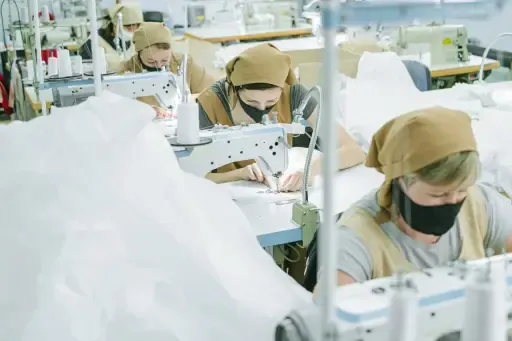
Successful sourcing is not about finding the cheapest wool; it is about engineering the right specification for the end-user. In our factory, we see that the most profitable production runs balance four specific variables.
To ensure your product succeeds in the market, use this merino wool fabric decision framework:
-
Micron (Comfort): For next-to-skin layers, demand 18.5 microns or lower. Anything higher risks customer complaints about itching.
-
GSM (Application): Match weight to activity. Use 150-180 GSM for high-output summer gear, and 250+ GSM for static insulation.
-
Knit Structure (Performance): Select Jersey for drape and breathability, or Interlock for density and squat-proof opacity.
-
Finishing (Ethics): Verify RWS or ZQ certifications. This is the only way to validate the premium price point to ethical consumers.
Caring for Merino Clothing: The Retention Checklist
Educating your customer on caring for merino clothing is the most effective way to reduce returns and extend garment life. Include this protocol on your hangtags:
-
Do: Air out between wears (the fiber self-cleans); wash on cold/delicate cycles; use wool-specific detergent; dry flat to maintain shape.
-
Don’t: Use high heat or tumble dry (causes shrinkage); use bleach or fabric softeners (coats the fibers and ruins wicking); use heavy agitation.
Ultimately, merino wool is not perfect—it requires more care and higher investment than synthetics. However, with the right specifications and transparent sourcing, it remains the unrivaled standard for natural performance.
If you are ready to develop a custom line, we can help you navigate the micron counts and knitting structures. Whether you need a moisture-wicking fabric blend or a pure organic knit, our engineering team is ready.
Consult our sportswear fabrics guide for detailed specs, or contact us today to start your sample run at LeelineWear.
Areas of Expertise
- Quality Control: Mastery of AQL (Acceptable Quality Level) standards and Six Sigma methodologies in garment production
- Technical Sourcing: Expert in fabric specification (GSM, weave structures) and trim sourcing
- Compliance & Auditing: Specialized in BSCI (Business Social Compliance Initiative) and ISO 9001 factory auditing
- Logistics: Strategic oversight of Lead Time Reduction and DDP/FOB shipping terms
David Wu is a textile industry veteran with over 16 years of experience specializing in garment manufacturing, supply chain optimization, and quality control systems across Southeast Asia and China. His career is defined by implementing rigorous AQL 2.5/4.0 inspection protocols for mid-to-large-scale private label brands. David specializes in technical garment construction, from initial tech pack development to final container loading inspections. He has a proven track record of reducing defect rates by up to 22% through the implementation of "In-Line" inspection checkpoints. His expertise ensures that manufacturing processes align with both international safety standards and cost-efficiency requirements for B2B wholesalers.