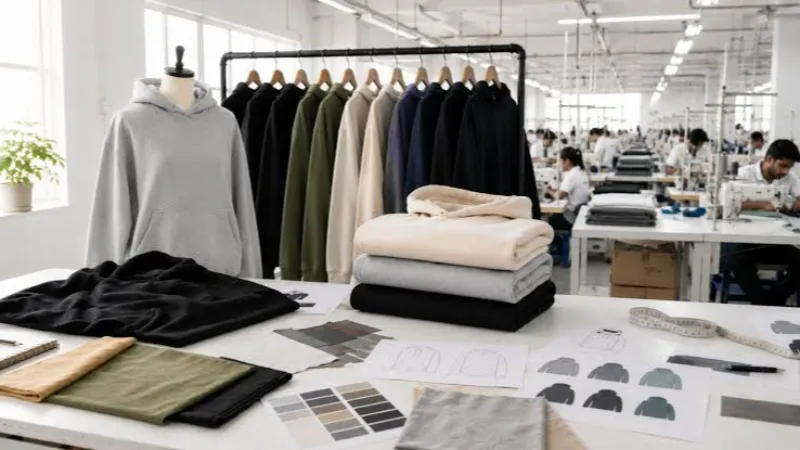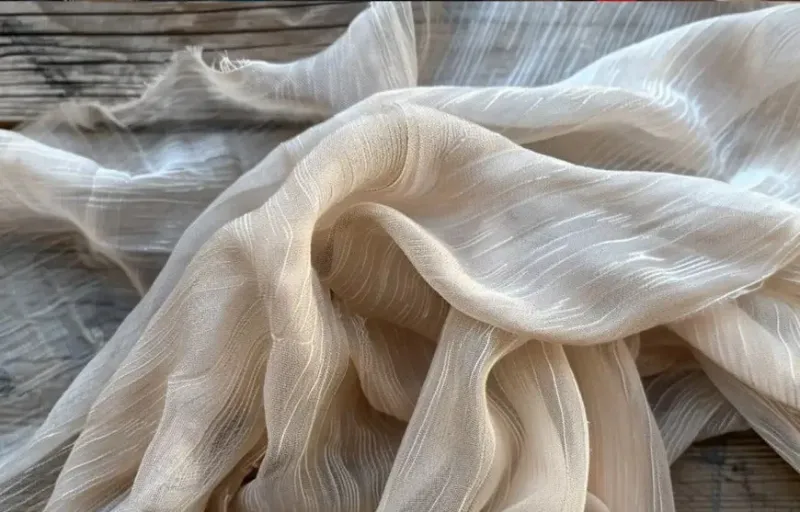
During a recent 10,000-yard audit in Shenzhen, I watched a roll of “cheap” 100% cotton drill workwear fabric pass a visual check and fail our wash shrinkage test. Inspector Wang flagged barre lines under the lightbox. Manager Chen stopped the roll at the selvage to show severe width drift.
Drill fabric is a durable cotton textile woven with a dense diagonal twill. Generic definitions will not save your production run. For Procurement Managers, Supply Chain Directors, and workwear brand founders, material selection dictates risk.
A bad batch guarantees expensive re-cutting. Shrinkage remains a leading cause of industrial rejection under ASTM International dimensional stability standards. It causes ugly shade banding on uniforms, failed FR compliance, and late B2B claims.
We rely on raw metrics. At LeelineWear, our methodology requires on-site roll audits, AQL-based defect screening, lab tests for tensile strength, and strict compliance mapping.
Whether you are sourcing khaki drill fabric wholesale or analyzing drill vs twill fabric manufacturing, you need exact data. Review our baseline protocols in our sportswear fabrics guide.
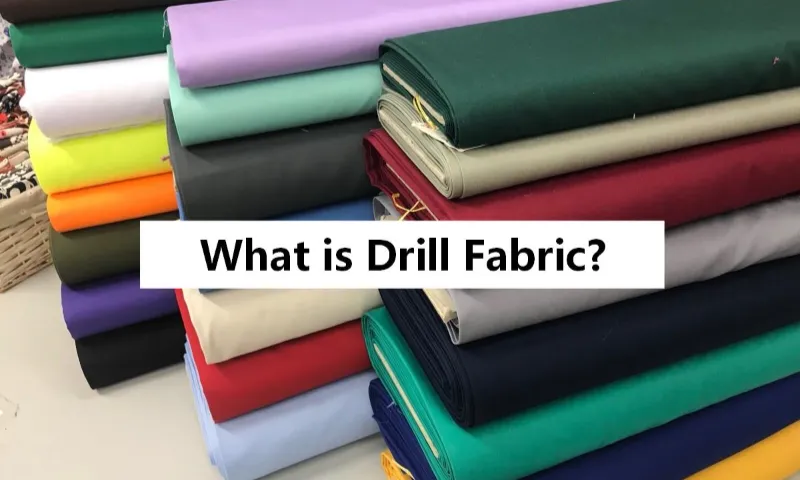
What is Drill Fabric?
Drill fabric is a dense, durable woven textile featuring a sharp diagonal rib. Think of building construction. Twill is the general category of concrete. Drill is the high-strength, steel-reinforced concrete used for load-bearing walls.
In our factory, buyers frequently confuse the two on RFQs. I always tell clients: all drill is twill, but not all twill is drill. Twill is the structural weave category. Drill is the heavier, denser, workwear-specific execution of that weave.
When a boutique brand orders 2,000 fashion chinos, standard twill works perfectly. For an enterprise uniform contract facing industrial laundry, we strictly spec drill.
Rural utility crews need heavy drill to block brush abrasion. Urban maintenance teams use medium drill to manage city heat. We routinely cut drill for trousers, chore jackets, PPE base layers, and tool aprons.
Mills weave drill from three primary fiber profiles:
-
100% Cotton: Breathes easily and absorbs dye well, but carries a high shrink risk.
-
Poly-Cotton: Delivers superior wash-and-wear stability. According to the Textile Exchange, blending polyester drastically improves overall fabric lifespan. In our lab, a 65/35 poly-cotton khaki drill retained its exact color through 50 industrial wash cycles.
-
Stretch Drill: Adds elastane for mobility. You must monitor production heat. I have seen curing temperatures over 180°C completely destroy a fabric’s stretch recovery.
Weight dictates handfeel. Medium drill feels flexible for pants. Heavy cotton drill feels stiff for coveralls. We source wholesale khaki drill more than any other color for repeat uniform contracts.
To buy confidently, master these basic procurement terms:
-
GSM: Grams per square meter measures the fabric’s weight.
-
Yarn Count: The physical thickness of the raw threads.
-
EPI / PPI: Ends and picks per inch count the exact weaving density.
-
Sanforized: The mill mechanically pre-shrunk the fabric. Never buy workwear fabric without this treatment.
💡 Key Insight: Stop asking suppliers for “heavy twill.” Specify “drill” with an exact GSM and fiber blend to guarantee true workwear durability.
— Sherry, Workwear Fabric Specialist
Technical Specifications and Quality Control for Drill Fabric Procurement
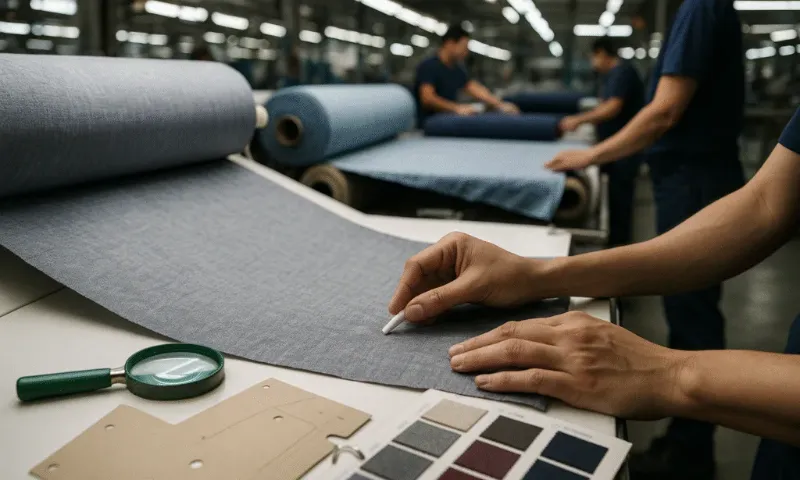
To make confident sourcing decisions, procurement teams need to understand not only the fabric specification sheet, but also how drill fabric is manufactured, finished, tested, and audited on the factory floor.
1. Construction Specs Procurement Teams Should Request
When we vet new suppliers, we demand precise textile architecture. Vague data destroys profit margins. Paste this exact specification block into your next RFQ:
-
Fiber content: 100% cotton.
-
Weave: 2/1 twill vs 3/1 twill.
-
Yarn count: Warp x Weft.
-
Thread density: EPI x PPI.
-
Finished weight: GSM plus ±3 to 5% tolerance.
-
Finished width: Edge-to-edge plus tolerance.
-
Color standard: Pantone or lab dip approval.
A standard heavy drill fabric benchmark sits around 280 GSM using a tight 3/1 weave. We use this as a baseline reference, not a universal law.
2. Drill vs Twill Fabric Manufacturing: What Changes on The Floor?
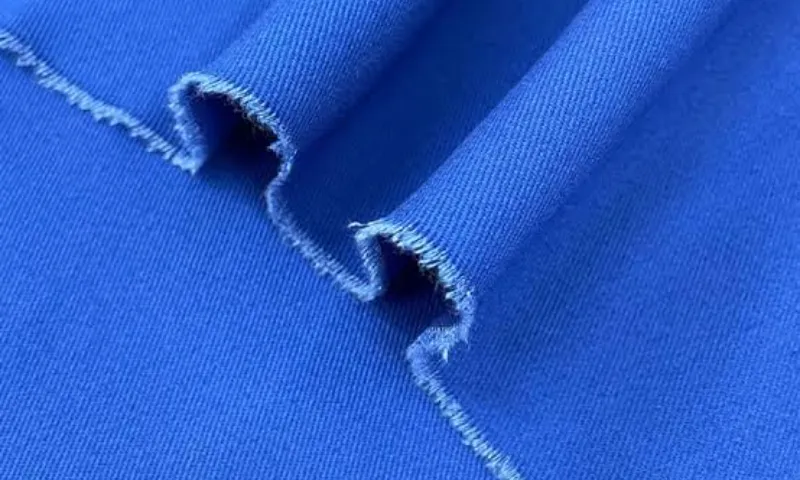
You must understand drill vs twill fabric manufacturing to control costs. The floor follows a strict chronological sequence. First, the spinner supplies raw yarn. Next, the mill warps the yarn onto large beams.
Then, the weaving loom interlaces the threads to set the steep diagonal twill. We conduct a greige inspection to catch broken threads. After that, the textile enters the dyeing vat. Finally, the fabric undergoes chemical finishing.
Drill behaves more rigidly than softer twills for mechanical reasons. The loom packs threads into a denser set. The mill uses coarser yarn. These specific choices add heavy body. If your design requires mobility, calculate weave and stretch tradeoffs before bulk production.
3. Finishing that Changes Performance
Chemical and mechanical finishes dictate field performance.
-
Sanforization: Heated rollers mechanically pre-shrink the fabric. This prevents garments from shrinking after customer washing.
-
Mercerization: A sodium hydroxide bath swells the cotton fibers. This increases dye absorption and adds a slight sheen.
-
Resin treatment: Chemical cross-linking prevents wrinkles. It stiffens the handfeel and reduces breathability. Counter this if you need moisture-wicking comfort in blended garments.
-
Water repellency: A surface coating blocks moisture.
4. Factory-floor Reality Story: 10,000-yard Audit in Shenzhen
Only the physical roll reveals the truth. During a 10,000-yard audit in Shenzhen, we found a critical failure. The first meter looked perfectly clean. However, we caught severe width drift and diagonal skew at the 30-meter mark.
Technician Liu ran a hot wash on the 100% cotton drill workwear fabric. The warp threads pulled much tighter than the weft. If cut, the pant legs would have twisted around the wearer’s calves.
We reject low-grade drill for specific mechanical failures:
-
Excessive warp shrinkage.
-
Shade banding between dye lots.
-
Skewing that causes leg twist.
-
Barre lines and thick slubs.
-
Machine oil stains.
5. The Exact AQL Inspection Checklist
We enforce AQL 2.5 standards before fabric hits the cutting table. Here is our exact operational checklist:
-
Document checks: We verify the purchase order, composition, width, GSM, and dye lot numbers.
-
Physical roll checks: We measure the edge-to-edge width at three points. We cut a swatch and weigh it to verify the GSM.
-
Defect mapping: We inspect yardage under a D65 lightbox. We use the 4-point system to assign penalty points based on defect size per 100 square yards.
-
Dimensional stability: We run a hot wash test to measure warp and weft shrinkage. We measure the exact skew angle.
-
Colorfastness screening: We perform a dry crocking rub to check dye transfer.
6. Internal Interview: QC Manager on Stress-testing Protocols
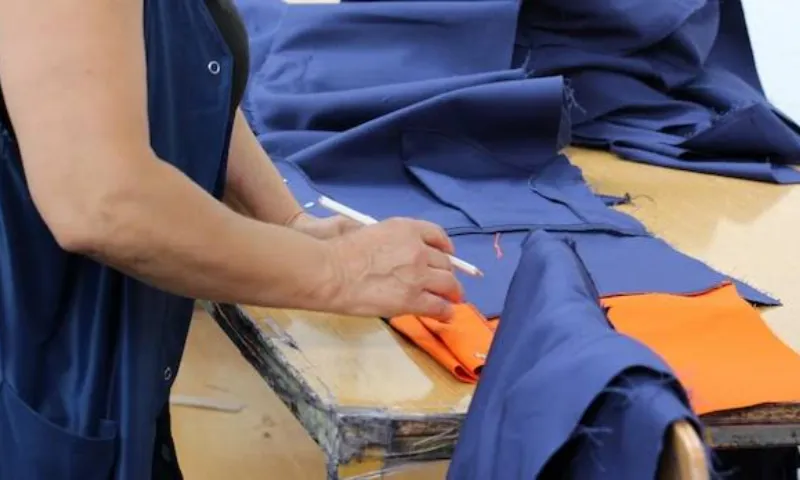
We asked QC Manager Chen to detail our factory floor stress-testing protocols.
Q1: Which tensile test do you run for industrial uniforms?
A: We run a grab tensile test. The lab clamps the sample and pulls it mechanically until the fibers snap. We target a 120-pound breaking strength.
Q2: How do you test colorfastness for khaki drill fabric wholesale orders?
A: We run a high-temperature wash fastness test. We also test dry and wet crocking, alongside UV light exposure.
Q3: What do buyers miss most often?
A: “Buyers ignore the dye-lot variance. They approve a 1-yard sample, but roll 50 looks completely different on the floor.”
Q4: What happens when a mill’s certificate says pass but the roll fails?
A: We immediately quarantine the lot, run our own tests, and negotiate a full replacement.
7. Fire retardant drill cloth specifications
Evaluating fire retardant drill cloth specifications requires a two-layer approach. First, you verify the base fabric construction. Second, you verify the specific FR chemistry.
Mills apply two distinct FR methods. Inherent FR weaves protection directly into the raw fiber structure. Treated FR applies a chemical wash to the finished cloth. Buyers typically request Proban-style or Pyrovatex-style treatments. You must always verify how the FR chemistry degrades after 50 industrial laundering cycles.
| Compliance Standard | Issuing Authority Link | Application Focus |
|---|---|---|
| NFPA 2112 | NFPA 2112 Overview | Flash fire protection garments. |
| EN ISO 11612 | EN ISO 11612 | Heat and flame protection. |
| ASTM D6413 | ASTM D6413 Method | Vertical flame resistance test. |
Why Drill Fabric Works for Industrial Workwear?
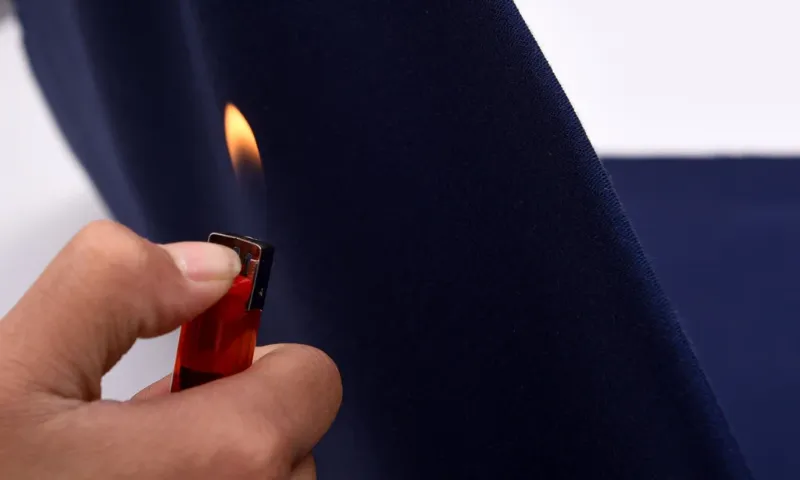
Drill fabric remains a preferred choice for industrial workwear because its dense twill structure delivers the durability, consistency, and climate adaptability that high-stress uniforms require.
Built for Abrasion and Structure
In our tear-strength labs, drill fabric repeatedly outperforms standard weaves. The dense diagonal twill creates a rigid framework. We find this critical for heavy workwear builds. It holds its shape in collars and easily supports heavy brass rivets without tearing.
For procurement teams, this means zero blown-out seams and fewer warranty claims. While a textile like merino wool fabric offers excellent athletic breathability, it lacks this brutal mechanical strength.
Upgrading to heavy drill directly improves workplace safety. As noted in OSHA guidelines for PPE programs, durable base materials actively prevent hazard exposure.
Repeatable Uniform Consistency
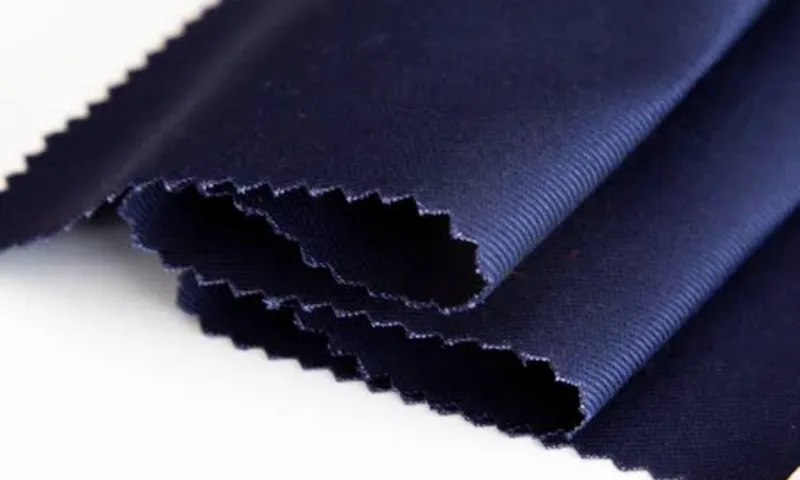
Standard fashion wovens shift shade between batches. Drill secures absolute repeatability across multi-year reorders. We verify this colorfastness using strict AATCC test methods.
Last quarter, our sourcing agent Andi negotiated a raw material switch for a corporate uniform client. She mandated the exact same nominal construction but improved the dye uptake consistency at the mill level. The outcome was massive.
She reduced material waste by 12%. We completely eliminated off-shade panel rejections. It added two weeks of lead time for extra lab dips, but it erased bulk rework entirely.
Climate-Adaptive Comfort
Comfort drives compliance on the floor. We engineer drill weights for specific environments. We use lighter drill to vent heat in tropical climates, and heavy cotton drill to block wind on cold sites.
Poly-cotton blends provide an easy-care finish that survives 50+ industrial wash cycles. If your team faces thermal hazards, we align fabric weights strictly with NFPA FR clothing requirements. You can also integrate sustainable fibers using our eco-friendly fabric certification standards.
📈 ROI Check: In my experience, switching from standard twill to heavy drill extends garment lifespan by six months, slashing annual replacement costs.
Key Risks When Sourcing Drill Fabric
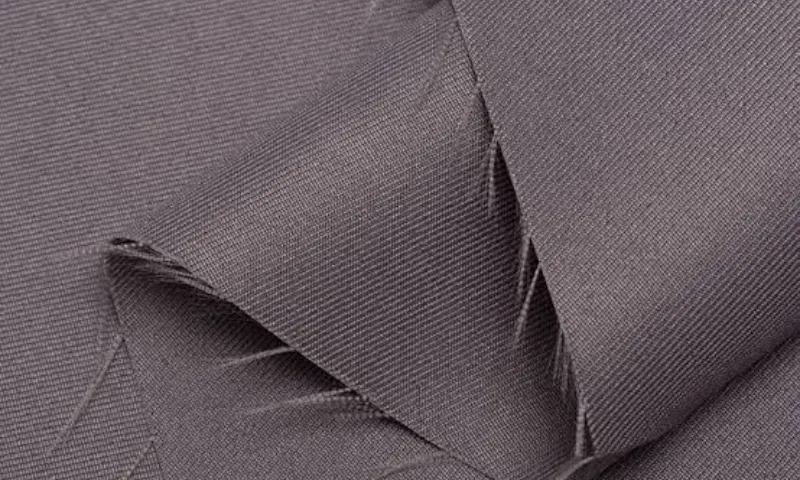
After understanding how drill fabric is specified, manufactured, and inspected, buyers also need to evaluate its real-world performance advantages and the sourcing risks that can affect bulk production.
Dimensional Instability and Shrinkage
Heavy cotton drill shrinks aggressively. Skipping pre-shrinking causes pocket misalignment, size drift, and leg twist. In our January stress test, untreated 100% cotton drill shrank exactly 7% on the warp. QC Manager Chen noted: “If we cut this lot, these trousers will choke the wearer after one wash.”
🛡️ Mitigation: Require sanforized finishes. Define exact shrinkage tolerances (±3%) in your purchase order.
Colorfastness and Shade Banding
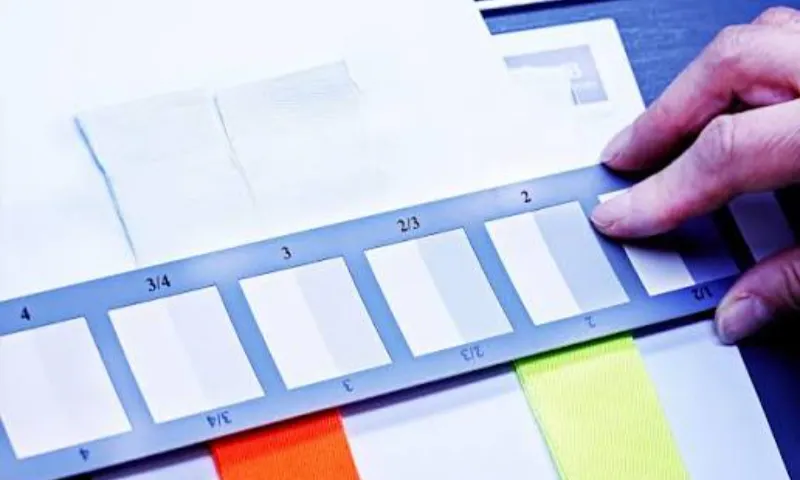
Khaki drill fabric frequently suffers from shade banding. Lab dips pass, but bulk production drifts. Vat temperature fluctuations alter dye uptake. Last quarter, we rejected 2,000 yards because the bulk khaki shifted to muddy yellow mid-roll.
⚖️ The Trade-off: You gain exact shade continuity but lose two weeks waiting for shade blanket approvals.
The FR Specification Risk
Fire retardant (FR) drill cloth lacks a universal spec. Treated fabrics lose protection if industrial wash chemistry strips the surface coating. We found cheap treatments wash out completely after 30 cycles. The OSHA guidelines for protective gear warn against inadequate fabric maintenance.
⚠️ Critical Warning: Mandate a strict wash-cycle testing plan before approving bulk FR fabric.
Traceability and Compliance Audits
Procurement teams face strict material audits. Sourcing drill without proper OEKO-TEX or region-of-origin documentation triggers immediate customs delays. In our experience, missing chain-of-custody paperwork halts shipments for weeks.
🛡️ Mitigation: Enforce a rigid document pack checklist before wiring any deposit.
Supplier Selection Pitfalls
Finding reliable heavy cotton drill fabric suppliers requires caution. Many sellers are trading companies, not mills. The lowest quote usually hides chemical finishing shortcuts.
When we audit cheap suppliers, we routinely find missing resin treatments. Unlike flexible performance knits, woven drill never forgives sizing errors. Vet apparel manufacturers who understand these rigid constraints.
🛡️ Mitigation: Demand pre-shipment inspections and roll mapping reports.
Strategic Verdict: The Procurement Reality
Ultimately, drill fabric acts as the structural steel of industrial workwear. While aggressive shrinkage and shade-banding threaten unprotected margins, its raw tear strength makes it the only viable choice for utility gear. If you build heavy uniforms, buy drill. If you want soft fashion drape, look elsewhere.
As global safety regulations tighten, we expect strict FR chemistry tracking to dominate material sourcing over the next 12 months. To survive, you must control the complete decision framework: dictate construction specs, verify finishing, demand lab testing, secure compliance, and enforce rigid supplier controls on the factory floor.
Final Checklist
Do not sign a purchase order without these exact stipulations. Copy this checklist for your procurement team:
-
Confirm construction: Specify the weave, warp/weft yarn count, EPI/PPI, and exact GSM.
-
Confirm finish: Mandate treatments (sanforized, FR, or resin).
-
Approve lab dip: Set strict shade continuity rules.
-
Require shrinkage limits: Demand ±3% dimensional stability and map skew limits.
-
Run physical tests: Execute grab tensile and colorfastness tests (pre-production and bulk).
-
Apply AQL screening: Enforce AQL 2.5 roll inspections and physical defect mapping.
-
Collect compliance documents: Secure OEKO-TEX, GOTS, BCI, or valid FR certificates.
Disclaimer: I’m not paid by any mill or chemical brand to promote a specific drill fabric or FR treatment. I base recommendations purely on factory floor inspection results and raw lab test outcomes.
Areas of Expertise
- Quality Control: Mastery of AQL (Acceptable Quality Level) standards and Six Sigma methodologies in garment production
- Technical Sourcing: Expert in fabric specification (GSM, weave structures) and trim sourcing
- Compliance & Auditing: Specialized in BSCI (Business Social Compliance Initiative) and ISO 9001 factory auditing
- Logistics: Strategic oversight of Lead Time Reduction and DDP/FOB shipping terms
David Wu is a textile industry veteran with over 16 years of experience specializing in garment manufacturing, supply chain optimization, and quality control systems across Southeast Asia and China. His career is defined by implementing rigorous AQL 2.5/4.0 inspection protocols for mid-to-large-scale private label brands. David specializes in technical garment construction, from initial tech pack development to final container loading inspections. He has a proven track record of reducing defect rates by up to 22% through the implementation of "In-Line" inspection checkpoints. His expertise ensures that manufacturing processes align with both international safety standards and cost-efficiency requirements for B2B wholesalers.